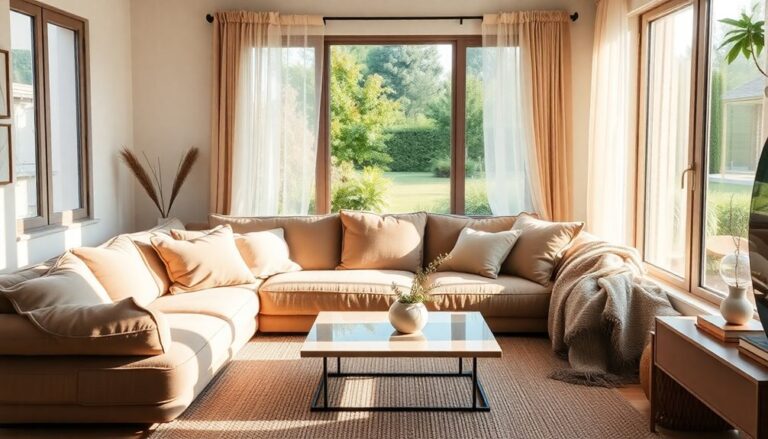
Minimalism in modern interior design empowers you to create spaces that reflect simplicity and purpose. By focusing on quality over quantity, you enable serenity and clarity in your life. You'll find that minimalist design promotes functional spaces, eliminating clutter and distractions. This approach encourages you to select only the items that improve your environment, nurturing a sense of tranquility and well-being. With an open layout and a neutral color palette, your home can become a sanctuary for creativity and relaxation. If you're curious about how to adopt this influential design philosophy, you'll discover even more insights just ahead.
Understanding Minimalism
Minimalism in interior design centers around the principle of “less is more,” emphasizing simplicity and functionality. This approach allows you to create spaces that feel open and inviting, free from the distractions of excessive decor. By embracing the minimalist philosophy, you focus on what truly matters in your environment, stripping away the unnecessary and highlighting the fundamentals. Moreover, incorporating natural light and selecting a neutral color palette can enhance the serene atmosphere of a minimalist space. To achieve a balanced look, it’s important to choose quality over quantity, allowing each item to serve a purpose while contributing to the overall aesthetic. There are several minimalist decor principles to consider, such as opting for multifunctional furniture and keeping surfaces clear, which help maintain the simplicity and elegance that define minimalist interiors.
When you adopt a minimalist mindset, you're not merely reducing clutter; you're cultivating a sense of aesthetic simplicity that transforms your living space. Each piece in your home should serve a purpose, adding to the overall harmony rather than detracting from it. This intentionality encourages you to choose items that resonate with your personal style as you maintain a cohesive look.
Think about how you can innovate within this framework. Instead of filling your space with trendy items, seek out timeless designs that embody both beauty and utility. Consider neutral color palettes, clean lines, and natural materials that evoke a sense of calm. Your choices can reflect a commitment to quality over quantity, allowing each element to shine in its own right.
As you explore minimalism, keep in mind that it's not about sacrifice; it's about empowerment. You're redefining your space to promote creativity, clarity, and tranquility. By grasping and applying these principles, you'll not only improve your environment but enrich your life, making room for what truly inspires you.
Core Principles of Minimalist Design
When you embrace minimalist design, simplicity and functionality become your guiding principles. You'll notice how a neutral color palette improves the sense of space and tranquility in your home. By focusing on these core elements, you create an environment that feels both calming and purposeful.
Simplicity and Functionality
In a minimalist space, every piece of furniture serves a purpose, creating an environment that feels both serene and functional. You'll discover that simplicity benefits not merely the aesthetics but also your daily life. By focusing on functional aesthetics, you can achieve a harmonious balance that improves your well-being and promotes efficiency.
Consider these three principles of simplicity and functionality:
- Multi-Functional Furniture: Invest in pieces that adapt to your needs, like a coffee table that doubles as storage or a sofa bed for guests. This not only saves space but also reduces clutter.
- Open Layouts: Embrace open spaces that encourage movement and flow. A well-planned layout minimizes distractions, making it easier for you to focus on what truly matters.
- Quality Over Quantity: Select fewer, high-quality items that resonate with your style. Each piece should be meaningful, ensuring your space feels curated rather than chaotic.
Neutral Color Palettes
A well-chosen color palette plays a significant role in achieving a minimalist aesthetic. By embracing neutral tones, you create an environment that encourages tranquility and balance. These hues don't just blend seamlessly; they evoke feelings of calmness, aligning perfectly with the principles of color psychology. Think soft grays, warm beiges, and crisp whites—each shade improves design harmony, allowing your space to breathe.
When you opt for a neutral color palette, you eliminate distractions, letting the beauty of shapes and textures shine. This approach promotes innovation, as it provides a blank canvas for bold furniture or art pieces to stand out. You'll find that the simplicity of neutrals invites an effortless sophistication, making your interior feel both modern and timeless.
Moreover, a neutral palette acts as a versatile backdrop, adaptable to changing trends or personal tastes. You can easily switch up your decor or accents without overhauling the entire space. By choosing neutrals, you're not just decorating; you're crafting a purposeful environment that reflects your unique vision and adhering to the core principles of minimalism.
Benefits of Minimalism in Interiors
Minimalism in interiors offers numerous benefits that can transform your living space into a serene sanctuary. By embracing this design philosophy, you not only create an aesthetically pleasing environment but additionally improve your overall well-being. Here are a few key advantages you'll experience:
- Sustainable Living: Adopting minimalism often leads to a smaller carbon footprint. By choosing fewer, high-quality items, you're supporting sustainable brands and reducing waste. This conscious approach cultivates a healthier planet.
- Decluttering Benefits: When you strip away the excess, you gain clarity. A clutter-free space allows your mind to breathe, reducing stress and promoting focus. You'll find that your energy is more fluid, enabling you to engage fully with your surroundings.
- Increased Functionality: Minimalist interiors prioritize functionality without sacrificing style. Each piece in your space serves a purpose, making it easier to navigate your home. You'll discover that a streamlined environment boosts productivity and creativity, allowing you to thrive in your daily life.
Key Elements of Minimalist Spaces
When creating a minimalist space, you'll want to focus on two key elements: open space and a neutral color palette. These elements work together to promote simplicity and tranquility in your environment. By embracing these concepts, you can transform your home into a serene retreat.
Open Space Concept
Embracing an open space concept is essential for achieving a minimalist interior design. This approach improves spatial flow, allowing your living areas to feel more expansive and interconnected. With fewer walls or barriers, you create a seamless shift between spaces, encouraging a sense of freedom and creativity.
To effectively implement an open concept in your minimalist design, consider these key elements:
- Strategic furniture placement: Use furniture to define areas without obstructing sightlines. Opt for low-profile pieces that maintain openness.
- Natural light optimization: Maximize windows and light sources to improve the airy feel. Natural light not only brightens your space but additionally adds warmth and depth.
- Unified materials: Choose a cohesive palette and materials throughout the space. This consistency reinforces the minimal aesthetic while cultivating harmony in design.
Neutral Color Palette
Creating an inviting and serene atmosphere in your minimalist space often hinges on the color palette you choose. A neutral color palette serves as the foundation for design harmony, allowing you to curate a tranquil environment that encourages relaxation and focus. By utilizing shades like soft beige, crisp white, and muted greys, you not only improve the openness of your space but additionally nurture a sense of calm.
Color psychology plays an essential role here; these subtle hues can stimulate feelings of peace and clarity. When you opt for neutrals, you're giving yourself the freedom to experiment with textures and materials without overwhelming your senses. Envision soft linen curtains, a smooth wooden table, or a plush wool rug—all seamlessly blending into your serene setting.
To bring innovation into your design, consider layering different neutral tones. This technique adds depth and dimension while maintaining the minimalist ethos. You'll find that such thoughtful choices uplift your space, transforming it into a haven of simplicity and sophistication. Embrace the strength of a neutral color palette, and watch as your minimalist design flourishes.
How to Achieve a Minimalist Look
Achieving a minimalist look requires a thoughtful approach to decluttering and design. Minimalism isn't merely about reducing items; it's about embracing intentional living. Here's how you can create a clean and sophisticated space:
- Evaluate Your Belongings: Start with a thorough assessment of your items. Ask yourself if each piece serves a purpose or brings you joy. This clutter reduction process helps you identify what truly matters to you, allowing you to keep only the necessities.
- Opt for Functional Furniture: Choose furniture that not just looks good but also serves multiple purposes. For example, a sleek coffee table with storage can help maintain an organized space, further emphasizing your minimalist aesthetic. Look for designs that prioritize simplicity and utility.
- Create Open Spaces: When arranging your home, focus on creating open spaces that breathe. Avoid overcrowding surfaces with decor. Instead, select a few standout pieces that resonate with your personal style. This approach encourages a sense of calm and tranquility, reinforcing your commitment to intentional living.
Minimalism and Functionality
In a minimalist space, functionality takes center stage, guaranteeing that every element serves a purpose. You'll discover that the essence of minimalism lies in the clever integration of design and utility, allowing you to create an environment that's not merely visually appealing but additionally practical. By choosing functional furniture, you embrace pieces that improve your lifestyle rather than clutter it. Think about a sleek sofa with built-in storage or a coffee table that doubles as a workspace; these innovations are what raise your space.
When you prioritize minimalist storage solutions, you'll find that organizing your belongings becomes effortless. Open shelving, for instance, allows you to display select items while keeping the overall look airy. You can likewise incorporate multifunctional pieces like ottomans with hidden compartments or beds with drawers underneath. These choices guarantee that your space remains tidy and efficient, eliminating the chaos often associated with traditional designs.
Moreover, embracing a limited color palette can further improve the functionality of your minimalist interior. Neutral tones promote a sense of calm, while allowing your functional furniture to shine as focal points. As you design your space, keep in mind that every item should not merely look good but additionally contribute to your daily life. By merging aesthetics with practicality, you'll create a harmonious environment that inspires clarity and creativity. In the end, you'll find that minimalism isn't just a design choice; it's a lifestyle that nurtures innovation and efficiency in every corner of your home.
Minimalism in Different Styles
Minimalism transcends a single aesthetic, seamlessly blending into various styles and proving its versatility. You can incorporate minimalist aesthetics into your home, creating a space that feels both innovative and inviting. Whether you're drawn to industrial, Scandinavian, or bohemian designs, embracing minimalism allows you to achieve a harmonious balance without sacrificing personal style.
- Industrial Minimalism: This style combines raw materials with minimalist furnishings. Think exposed brick walls, metal accents, and large windows. You can highlight the beauty of simplicity as you maintain an urban edge.
- Scandinavian Minimalism: Here, functionality meets cozy charm. You'll find neutral color palettes, natural light, and organic shapes. By incorporating minimalist furnishings like a sleek wooden table or a simple couch, you can create a warm yet uncluttered environment.
- Bohemian Minimalism: This unique blend embraces lively colors and patterns, but in moderation. Use minimalist furnishings to anchor your space, allowing bold textiles to shine without overwhelming the senses. You can curate an eclectic vibe as you still adhere to the principles of minimalism.
Transforming Your Lifestyle With Minimalism
Embracing a minimalist lifestyle can transform not just your home but likewise your mindset. By simplifying your surroundings, you create space for what truly matters, allowing for lifestyle changes that promote clarity and purpose. You'll find that less clutter leads to less distraction, empowering you to focus on your passions and nurture a sense of mindful living.
Start by evaluating your possessions and identifying what genuinely adds value to your life. When you let go of the unnecessary, you'll feel lighter, both physically and emotionally. This intentional curation extends beyond your belongings; it influences how you spend your time and energy. You'll discover that prioritizing experiences over things nurtures deeper connections and improves your overall well-being.
Practicing mindful living encourages you to be present in each moment, helping you appreciate life's simple joys. Instead of rushing through your day, take time to enjoy a quiet cup of tea or a walk in nature. These small, conscious choices can lead to profound shifts in your outlook.
Moreover, minimalism encourages you to streamline your routines. Simplifying your schedule means you can focus on what truly matters, creating space for relationships, hobbies, and personal growth. You'll start to notice how much more fulfilling life becomes when you prioritize quality over quantity.
Incorporating minimalism into your lifestyle isn't just about decluttering your home; it's about adopting a mindset that values simplicity, intentionality, and mindfulness. Embrace these changes, and watch your life transform.
Frequently Asked Questions
How Can I Incorporate Color in a Minimalist Design?
Incorporating color into a minimalist design can be invigorating and innovative. Start by selecting a cohesive color palette that complements your space. Use accent pieces, like lively cushions or artwork, to introduce pops of color without overwhelming the simplicity. Choose a few key items that draw the eye as you maintain an uncluttered look. By balancing these elements, you'll create a striking yet serene environment that feels both modern and inviting.
Is Minimalism Suitable for Families With Children?
Think of minimalism as a refreshing change for your family's home. It's definitely suitable for families with children! You can create child-friendly spaces that prioritize safety and ease of movement. By focusing on clutter management, you'll encourage your kids to play and explore without overwhelming distractions. Embrace multifunctional furniture and smart storage solutions to blend style with practicality, ensuring your home remains innovative and functional for everyone.
What Are Common Mistakes in Minimalist Interior Design?
When plunging into minimalist interior design, you might stumble upon common mistakes like creating cluttered spaces or relying on excessive decor. It's easy to fill a room with trendy items, but simplicity is key. Focus on a few impactful pieces instead. Don't forget about functionality; every item should serve a purpose. By avoiding these pitfalls, you can achieve a sleek, innovative look that feels both open and inviting, showcasing your unique style.
How Do I Maintain a Minimalist Home?
To maintain a minimalist home, you've gotta embrace decluttering strategies and smart organizing tips. Start by regularly evaluating what you truly need, letting go of items that don't serve a purpose. Implement a "one in, one out" rule to prevent accumulation. Use stylish storage solutions to keep surfaces clear, and create designated spaces for everything. This approach not just keeps your space tidy but additionally sparks creativity and innovation in your living environment.
Can I Mix Minimalist Design With Other Styles?
Sure, you can't just throw a minimalist sofa in a sea of clutter and call it a day! Embrace minimalist eclecticism by blending sleek lines with contrasting textures. Picture a smooth, modern chair paired with a chunky knit throw or a rustic wood table set against a crisp white wall. The key is balance; let each element shine without overwhelming your space. Innovate by curating pieces that tell a story during keeping it all effortlessly chic.