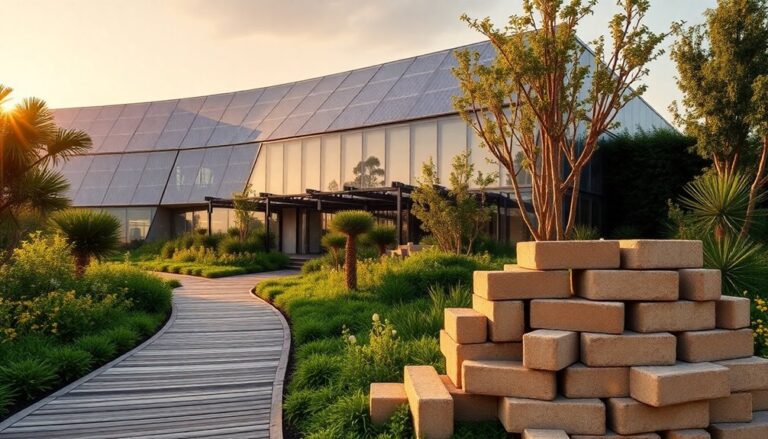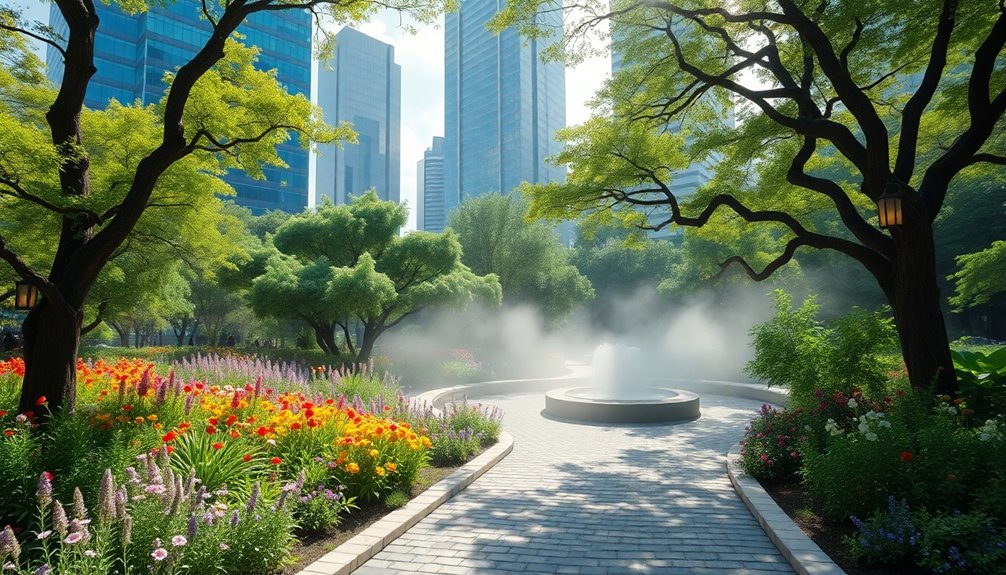

Mystical terrains in urban design integrate enchanting natural elements with imaginative features, nurturing transformative spaces that inspire community connection and creativity. These designs promote environmental interaction by incorporating green spaces, water features, and artistic installations. Historical influences shape these environments, ensuring they resonate culturally and emotionally with residents. Benefits such as augmented mental well-being and community pride emerge when urban areas embrace nature and engaging public spaces. Successful case studies like Central Park and the High Line illustrate the positive impacts of this integration. To understand these concepts further, one can explore examples and trends shaping future urban terrains.
Definition of Mystical Landscapes
Mystical scenery evokes a sense of wonder and enchantment, often blending natural beauty with elements of the surreal. These vistas transcend the ordinary, inviting viewers to experience a domain where reality and imagination intertwine. In influential urban design, mystical vistas serve not merely as aesthetic enhancements but as transformative environments that inspire and invigorate communities.
At the heart of mystical vistas lies a profound connection to nature, embodying mystical symbolism that resonates deeply with the human spirit. This symbolism can provoke introspection and ignite creativity, encouraging individuals to explore their own narratives within the urban fabric. Designers utilize this potential by integrating elements that reflect natural harmony—lush greenery, flowing water features, and ethereal lighting—creating spaces that promote serenity and reflection amidst the urban chaos.
By invoking mystical vistas in urban design, planners can cultivate areas that empower residents, providing them with a sanctuary for escape and rejuvenation. These spaces allow individuals to reconnect with the essence of nature, reminding them of their place within the grander scheme of life. A well-designed mystical vista not only amplifies the visual allure of a city but additionally deepens its cultural and emotional resonance.
In essence, mystical vistas redefine the urban experience. They challenge the mundane, urging individuals to embrace the extraordinary. By weaving together mystical symbolism and natural harmony, urban designers can craft environments that captivate the imagination and uplift the human experience, creating dynamic spaces that inspire strength and possibility. Such environments not only serve as a respite from the chaos of city life but also foster a deeper connection between individuals and their surroundings. By incorporating elements of mystical design in urban landscapes, we can transform ordinary spaces into sanctuaries of creativity and reflection. This integration encourages inhabitants to explore the hidden narratives within their communities, ultimately leading to a richer, more meaningful urban existence.
Historical Context and Influence
As urban design evolved over the centuries, historical influences shaped the integration of mystical terrains into city planning. The interplay of historical significance and cultural influences has forged environments that not just serve functional purposes but also evoke a sense of wonder and connection to the sublime. This connection to the past is particularly vital in shaping urban environments that resonate with the human experience.
- Ancient Civilizations: Cities were often designed around sacred spaces or natural features that reflected the beliefs of their inhabitants.
- Renaissance Ideals: The revival of classical thought prompted urban planners to integrate beauty and harmony into city layouts, emphasizing the balance between nature and the built environment.
- Modern Movements: Contemporary design philosophies continue to draw from historical contexts, merging innovative technologies with time-honored principles to create spaces that inspire.
These historical contexts not merely inform the aesthetic choices made by urban designers but also anchor modern environments in a rich mosaic of human experience. By grasping the cultural influences that have shaped urban design, planners can weave mystical landscapes into the very fabric of cities, ensuring that they transcend mere functionality. This integration can encourage a deeper connection between individuals and their surroundings, empowering them to reclaim the sense of enchantment that cities can provide. In the end, the legacy of historical significance continues to inform the pursuit of urban spaces that leave a lasting impact on their inhabitants.
Elements of Urban Design
Urban design encompasses a range of fundamental elements that shape the functionality and aesthetic appeal of cities. At the forefront are public spaces, which serve as the dynamic heart of urban life. They invite communities to gather, nurturing a sense of belonging and engagement. Integrating green corridors improves these areas, providing essential ecological networks while enhancing air quality and promoting biodiversity.
Effective urban design employs pedestrian pathways that prioritize walkability, empowering citizens to navigate their environments with ease and confidence. Sustainable materials play a significant role in constructing these spaces, ensuring that cities thrive today and remain resilient for future generations. By incorporating cultural elements, urban spaces reflect the identity and heritage of the community, enriching the urban mosaic.
Water features introduce an element of tranquility, offering a respite amidst the hustle and bustle of city life. These installations, coupled with strategic placements of natural light, create an inviting atmosphere where urban dwellers can flourish. Additionally, artistic installations transform ordinary spaces into extraordinary venues, fueling creativity and inspiring innovation.
Together, these elements create a harmonious interplay that uplifts urban design. They not only improve the visual scenery but also promote a sense of energy and purpose. As urban planners and designers embrace these aspects, they pave the way for cities that are not just functional, but also lively and alive, where every street, pathway, and park embodies the spirit of human connection and ecological balance.
Benefits of Integration
Integrating urban design brings multiple benefits that improve the overall experience of city life. Improved aesthetic appeal not only beautifies communities but additionally promotes mental well-being among residents. In addition, this integration encourages greater community engagement, creating spaces where people feel connected and involved.
Enhanced Aesthetic Appeal
How can the integration of various design elements improve a city's visual appeal? By harmonizing color palettes with natural materials, urban designers can create striking environments that captivate and inspire. This approach not only improves the aesthetic quality of a city but also establishes a strong identity that resonates with its inhabitants and visitors alike.
- Vibrant Cohesion: Thoughtfully selected color palettes unify diverse spaces, evoking a sense of belonging and pride.
- Timeless Elegance: Incorporating natural materials like wood and stone lends authenticity and warmth, creating environments that feel both inviting and sophisticated.
- Dynamic Engagement: Dynamic design elements encourage interaction, promoting exploration and social connection among citizens.
Incorporating these strategies transforms urban spaces into breathtaking canvases, where every corner tells a story. The allure of a well-integrated city goes beyond mere beauty; it signifies ambition and vision. Cities that prioritize aesthetic appeal command attention, driving economic growth and attracting influential individuals. Consequently, the integration of design elements becomes not just an improvement of visual allure, but a strategic move aimed at asserting a city's dominance in the modern environment.
Improved Mental Well-being
Creating spaces that blend nature with thoughtful design contributes greatly to improved mental well-being. These mindful spaces empower individuals by providing a sanctuary from the chaos of urban life. When people engage with their surroundings, they often find a sense of peace and clarity, vital elements for mental resilience.
Nature therapy plays a significant role in this integration. Studies consistently show that interactions with natural elements can reduce stress levels, improve mood, and promote overall mental health. Urban designs that incorporate greenery, water features, and natural light create environments where individuals can recharge, nurturing creativity and productivity.
Moreover, these thoughtfully crafted spaces encourage reflection and mindfulness, allowing people to disconnect from their fast-paced lives and reconnect with themselves. This balance is fundamental for cultivating a strong mindset, enabling individuals to tackle life's challenges with renewed vigor.
In essence, the integration of nature within urban design isn't just an aesthetic choice; it's a strategic approach to improving mental well-being. By prioritizing these elements, urban planners and designers can create transformative experiences that boost both individual health and the collective strength of communities.
Increased Community Engagement
Community engagement flourishes in urban environments that thoughtfully blend natural elements with design. This synergy not only improves the aesthetic appeal but also nurtures a significant sense of belonging among residents. When communities feel connected to their surroundings, they're more likely to participate actively in local initiatives, creating an empowered populace ready to shape their environment.
- Increased community participation leads to a stronger voice in urban planning.
- Urban art installations serve as a catalyst for dialogue and collaboration.
- Green spaces promote gatherings and shared experiences, reinforcing social bonds.
These elements work together to stimulate a collective identity, driving community members to contribute their ideas and talents. As they engage with their environment, they transform passive observers into active participants, influencing decisions that impact their lives. The integration of natural beauty into urban design is not merely aesthetic; it's a strategic move toward cultivating a lively, engaged community. By utilizing the strength of nature and art, cities can unleash the full potential of their residents, ensuring that every voice is heard and every contribution valued.
Case Studies of Success
Successful urban design often emerges from innovative approaches that blend aesthetics with functionality. Cities around the world have showcased remarkable success stories where urban parks, nature trails, and community gardens harmoniously coexist, improving the urban environment. These projects not just beautify the surroundings but also strengthen communities, nurturing a sense of ownership and pride.
Consider the following case studies that exemplify the influence of integrating nature and culture in urban settings:
| Project | Features | Impact |
|---|---|---|
| Central Park, NYC | Urban forests, art installations | Increased tourism and community health |
| High Line, NYC | Green roofs, interactive sculptures | Revitalized neighborhoods |
| Millennium Park, Chicago | Public spaces, heritage sites | Boosted local economy |
| The Bentway, Toronto | Nature trails, cultural festivals | Increased social cohesion |
| Urban Garden Project, LA | Community gardens, art installations | Improved food security and engagement |
These initiatives illustrate how well-designed public spaces can transform urban areas into thriving ecosystems. They provide not merely recreational opportunities, but also a platform for cultural festivals and events that celebrate local heritage. By incorporating elements like urban forests and interactive sculptures, cities enable their residents to connect with nature, cultivating a lively urban experience. As urban designers and city planners embrace these influential strategies, they pave the way for sustainable growth and flourishing communities, eventually shaping the future of urban living.
Challenges and Considerations
Numerous challenges arise when integrating urban design with natural elements, often complicating the process. Urban planners and designers must traverse a complex environment where competing interests and values collide. Striking a balance between urban sustainability and cultural sensitivity requires strategic foresight and a comprehension of diverse community needs.
- Competing Land Use: Urban spaces are often limited, demanding careful consideration of how natural elements can coexist with commercial and residential development.
- Community Engagement: Involving local stakeholders is vital, yet it can be difficult to guarantee that all voices are heard and respected.
- Regulatory Hurdles: Steering through the maze of zoning laws and environmental regulations can stifle innovative designs that prioritize natural integration.
These challenges can deter even the most ambitious projects. Urban sustainability, although fundamental for long-term viability, often stands at odds with immediate economic interests. Planners must advocate for environmentally conscious decisions that resonate with the community's cultural identity. This means both accommodating existing cultural dynamics and enhancing them through carefully curated natural environments.
Moreover, planners must remain agile in addressing social inequities that arise during the integration process. Cultivating a collaborative environment where diverse perspectives are valued can lead to groundbreaking solutions. By embracing these challenges head-on, urban design can transform into a potent tool that harmoniously intertwines nature with the urban fabric, finally enriching the lives of residents and honoring their cultural heritage.
Future Trends in Urban Design
As cities continue to evolve, designers are increasingly embracing innovative approaches that prioritize sustainability and resilience. The integration of sustainable materials and smart technology is revolutionizing urban design, allowing for environments that are not just meeting the demands of today but are also anticipating the needs of future generations.
These trends highlight a shift toward creating spaces that are not just functional but also improve the quality of life for urban dwellers. From green roofs to energy-efficient systems, the focus is on reducing environmental impact during community engagement. Designers are utilizing smart technology to create responsive urban environments, optimizing resource use and improving accessibility.
Here's a closer look at some of the key trends shaping the future of urban design:
| Trend | Description | Impact |
|---|---|---|
| Sustainable Materials | Use of recycled and eco-friendly resources | Reduced carbon footprint |
| Smart Infrastructure | Integration of IoT for real-time data collection | Improved urban management |
| Green Spaces | Development of parks and green corridors | Enhanced mental health |
| Mixed-Use Developments | Combining residential, commercial, and recreational spaces | lively communities |
| Adaptive Reuse | Transforming old structures into new uses | Preservation of history |
Frequently Asked Questions
How Can Individuals Create Mystical Landscapes in Their Own Gardens?
Individuals can transform their gardens into enchanting domains that rival the most magical forests. By incorporating unique garden elements like whimsical pathways, shimmering water features, and lively flora, they craft spaces that inspire awe. Embracing bold design concepts, such as layering heights and textures, nurtures depth and intrigue. With the right touches, their gardens become formidable sanctuaries, inviting serenity and wonder as they enthrall the imagination of everyone who wanders through.
What Materials Are Commonly Used in Mystical Landscape Design?
In mystical terrain design, common materials include natural stones and reflective surfaces. Designers often choose rugged stones to evoke a sense of ancient wisdom and stability, as reflective surfaces like water features or polished metals create a mesmerizing interplay of light. These elements improve the overall atmosphere, inviting tranquility and introspection. By skillfully combining these materials, one can forge enchanting spaces that resonate with strength and allure, drawing individuals into a deeper connection with their surroundings.
Are There Specific Plants Associated With Mystical Landscapes?
In terms of plants in mystical scenery, one might think ordinary daisies would do the trick, but that's far from the truth. Moonflowers, with their enchanting blooms, embody symbolism of dreams and intuition, perfect for creating an otherworldly atmosphere. In enchanted forests, plants like ferns and ancient oaks thrive, weaving tales of magic and history. These selections not only enhance the aesthetic but additionally empower the spirit, drawing visitors into their mesmerizing embrace.
How Do Cultural Beliefs Influence Mystical Landscape Designs?
Cultural beliefs profoundly shape mystical scenery designs. They embed cultural symbolism into the environment, connecting individuals to their heritage. For instance, certain plants or structures can carry spiritual significance, promoting harmony and introspection. Designers utilize these elements to create spaces that resonate with people's identities, enabling them to feel a deeper connection to their surroundings. By integrating these beliefs, they transform ordinary spaces into influential sanctuaries of reflection and meaning.
Can Mystical Landscapes Improve Mental Health and Well-Being?
Research shows that mystical terrains can certainly improve mental health and well-being. By incorporating nature therapy into city parks, individuals find solace and rejuvenation amidst the urban chaos. These green spaces nurture connection to nature, reducing stress and anxiety. They offer a retreat where people can reclaim their strength, recharge their minds, and enhance their overall quality of life. The integration of such terrains creates a harmonious balance that benefits both individuals and the community.