The resurgence of retro design in modern aesthetics is a reflection of the power of nostalgia, timelessness, and the human desire for emotional connection in an increasingly digital world. By incorporating vintage elements, contemporary creators tap into a sense of authenticity and trust, evoking warmth, comfort, and familiarity. This nostalgic appeal fosters powerful emotional connections and loyalty. As designers breathe new life into retro typography, distressed fonts, and other vintage elements, they create a unique blend of old and new aesthetics that evokes history and cultural context. As you explore the world of retro design, you'll uncover even more secrets to its enduring appeal.
Retro Aesthetics in Modern Design
Retro aesthetics frequently resurface in modern design, as contemporary creators increasingly draw inspiration from bygone eras. This phenomenon, known as the Retro Revival, has been a driving force behind the Design Evolution of recent years. By incorporating vintage elements into their work, designers are able to tap into a sense of nostalgia and timelessness that resonates with audiences.
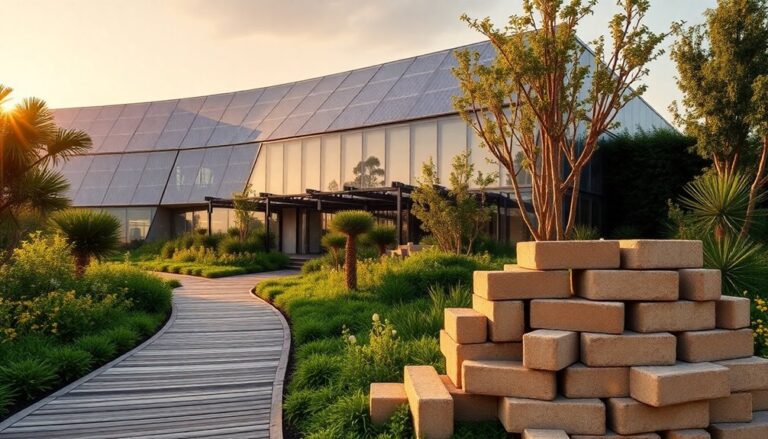
In the world of graphic design, retro-inspired typography, color palettes, and imagery are being used to create visually striking and attention-grabbing visuals. Fashion designers, too, are looking to the past for inspiration, incorporating retro patterns, fabrics, and silhouettes into their collections. Even architecture and product design are not immune to the Retro Revival, with designers incorporating vintage elements into building facades and product design.
The Retro Revival is not just about nostalgia, however. It's also about progress. By embracing the design principles of the past, creators are able to push the boundaries of what's possible in modern design. The fusion of old and new results in a unique aesthetic that's both familiar and innovative. As design continues to evolve, it's likely that retro aesthetics will play an increasingly important role in shaping the look and feel of the future.
The Psychology of Nostalgic Appeal
When designers incorporate retro elements, they tap into consumers' emotional connections to the past, triggering a sense of nostalgia that's hard to resist. This nostalgia is rooted in memories of simpler times, when life seemed less complicated and more carefree. By understanding these emotional triggers, designers can leverage retro design to create a sense of comfort and familiarity that resonates with audiences.
Emotional Connection Triggers
By tapping into the collective memory of a bygone era, nostalgic design evokes a profound emotional response, often triggering feelings of warmth, comfort, and familiarity. This emotional connection is rooted in personal memories, where individuals associate retro design with happy moments from their past. The incorporation of cultural icons, such as vintage logos or classic characters, serves as a catalyst, instantly transporting people back to a bygone era. These emotional triggers spark a sense of nostalgia, making individuals feel connected to their past and the world around them.
Retro design's ability to evoke strong emotions is a key factor in its enduring appeal. By leveraging these emotional connections, designers can create a sense of authenticity and trust with their audience. This emotional resonance is particularly potent in today's fast-paced, technology-driven world, where people crave a sense of comfort and familiarity. By tapping into this collective nostalgia, designers can craft experiences that resonate deeply with their audience, fostering a powerful emotional connection that drives engagement and loyalty.
Memories of Simpler Times
Nostalgia's psychological appeal lies in its ability to romanticize the past, idealizing memories of simpler times when life seemed less complicated and more innocent. This sentimental longing for the past is a powerful trigger that evokes strong emotions, transporting individuals back to a bygone era of childhood wonder. Retro design taps into this nostalgia, allowing people to reconnect with their past and experience a sense of comfort and familiarity.
Retro design's nostalgic appeal is rooted in its ability to evoke emotions and memories, such as:
- Holding a family heirloom, passed down through generations, and feeling a deep sense of connection to one's heritage
- Smelling a familiar scent, like grandma's cooking, and being instantly transported back to a happy memory
- Hearing a classic song, and reliving a memorable moment from one's youth
- Seeing a vintage advertisement, and recalling a simpler, more carefree time
- Tasting a childhood favorite snack, and experiencing a rush of nostalgia and happiness
Vintage Design Elements Revived
Designers are breathing new life into vintage design elements, incorporating them into modern aesthetics to create a compelling blend of old and new. By revisiting retro typography, designers are able to tap into the nostalgia of past eras while still maintaining a fresh, contemporary look. This revival of vintage design elements is not simply a matter of reproducing old styles, but rather a thoughtful curation of design archiving, where classic elements are reinterpreted and reimagined for modern audiences.
Retro typography, in particular, has seen a resurgence in popularity, with designers incorporating distressed fonts, bold graphics, and vintage-inspired color palettes into their work. By combining these retro elements with modern design principles, designers are able to create visually striking and emotionally resonant designs that evoke a sense of nostalgia and timelessness.
The beauty of vintage design elements lies in their ability to evoke a sense of history and cultural context, while still feeling modern and relevant. By incorporating these elements into modern design, designers are able to create a sense of continuity and connection to the past, while still pushing the boundaries of what is achievable in terms of aesthetics and functionality. As a result, vintage design elements are being revived and reimagined in exciting and innovative ways, allowing designers to tap into the power of nostalgia and create truly unforgettable designs. This revival not only pays homage to classic styles but also incorporates contemporary techniques and materials, leading to a fusion that celebrates both the old and the new. By blending vintage charm with modern sensibilities, designers can achieve timeless aesthetics in design that resonate with a diverse audience. Ultimately, this approach not only enriches the design landscape but also encourages a dialogue between generations, bridging the gap between the past and the future.
Retro Futurism in Contemporary Art
She explores how retro futurism in contemporary art brings a sense of nostalgia and wonder, often through cosmic dreamscapes that evoke a sense of otherworldly possibility. These futuristic yet vintage-inspired works frequently incorporate vintage tech elements, which add to their retro charm. By embracing retro futurism, artists are able to create a unique visual language that's both nostalgic and forward-thinking.
Cosmic Dreamscapes Unleashed
Retro futurism's influence on contemporary art has spawned a new wave of cosmic dreamscapes, where futuristic fantasies and vintage aesthetics collide. This intersection of eras has given rise to a new wave of creatives who are redefining the boundaries of art and design. Their work is a proof of the power of retro futurism, which continues to inspire and captivate audiences worldwide.
Some standout examples of this phenomenon include:
- Galactic Odyssey: Artists like Simon Stalenhag and Daniel Dociu, who transport viewers to distant worlds and alternate realities, blending retro-futuristic elements with modern storytelling.
- Stellar Escapism: Designers like Syd Mead and H.R. Giger, who have created iconic, otherworldly landscapes that evoke a sense of wonder and awe.
- Retro-Futuristic Landscapes: Digital artists like Android Jones and Ash Thorp, who are pushing the boundaries of visual storytelling with their vibrant, futuristic cityscapes.
- Cosmic Abstraction: Painters like Gerhard Richter and Julie Mehretu, who are redefining the limits of abstract art with their bold, cosmic-inspired works.
- Interstellar Architecture: Visionary architects like Zaha Hadid and Santiago Calatrava, who are reimagining the built environment with their futuristic, retro-inspired designs.
Vintage Tech Nostalgia
As artists continue to draw inspiration from retro futurism, a fascination with vintage tech nostalgia has emerged, transporting viewers back to a bygone era of analog computers, cassette tapes, and payphones. This nostalgia-tinged aesthetic has taken contemporary art by storm, with artists incorporating forgotten gadgets and outdated technology into their work. Old computers, once relegated to dusty storage rooms, now take center stage as symbols of a bygone era.
Artists are drawn to the retrofuturistic aesthetic because it taps into our collective longing for a simpler, more analog past. By incorporating vintage tech into their work, they're able to evoke a sense of nostalgia and wonder in their viewers. This nostalgia is not just sentimental; it's also a commentary on our current digital landscape and the pace of technological progress. By romanticizing the past, artists are encouraging us to slow down and appreciate the beauty in outdated technology. As a result, vintage tech nostalgia has become a powerful tool in the hands of contemporary artists, allowing them to explore themes of nostalgia, progress, and the human experience.
Timeless Storytelling Through Imagery
Through the lens of a bygone era, vintage-inspired visuals transport audiences to a world where nostalgia and novelty converge. This visual legacy is a demonstration of the power of retro design, which continues to captivate and inspire. By tapping into the collective memory of the past, designers can create a sense of familiarity and comfort, while also evoking a sense of wonder and curiosity.
The beauty of retro design lies in its ability to tell silent narratives, conveying complex emotions and ideas through simple, yet powerful, visual cues. This is particularly evident in the following ways:
- Ephemeral textures: Faded photographs, worn paper, and distressed surfaces evoke a sense of nostalgia and impermanence.
- Retro color palettes: Muted hues and bold brights transport us back to a bygone era, evoking feelings of nostalgia and playfulness.
- Vintage typography: Classic fonts and distressed lettering add a touch of sophistication and elegance to any design.
- Nostalgic iconography: Retro-inspired icons, such as cassette tapes and vinyl records, tap into our collective memory of the past.
- Dreamy landscapes: Soft, ethereal backgrounds and dreamy landscapes evoke a sense of wonder and enchantment.
The Resurgence of Analog Charm
In an era dominated by digital sleekness, designers are rediscovering the tactile allure of analog elements, which inject a sense of warmth and humanity into modern design. This nostalgia-driven trend is evident in the resurgence of analog technologies, such as the Cassette Revival and Vinyl Renaissance. These retro formats are not only a nod to the past but also offer a unique sensory experience that digital counterparts cannot replicate.
The tactile nature of analog elements allows users to engage with their surroundings on a deeper level. The crackle of a vinyl record, the hiss of a cassette tape, and the tactile feel of a physical product all contribute to a sensory experience that is often lost in the digital domain. Designers are capitalizing on this nostalgia, incorporating analog elements into their work to create a sense of authenticity and human connection.
The Vinyl Renaissance, in particular, has seen a significant surge in popularity, with many consumers seeking out vinyl records as a way to reconnect with their favorite artists and albums. This trend has also led to a renewed interest in album artwork, with many designers creating elaborate and intricate designs that pay homage to the classic vinyl records of the past.
As designers continue to rediscover the beauty of analog elements, it's clear that the Resurgence of Analog Charm is more than just a passing trend – it's a movement that's here to stay. By embracing the tactile and sensory qualities of analog design, designers can create a sense of warmth, humanity, and authenticity that resonates with audiences on a deeper level.
Designing for Emotional Connection
By incorporating analog elements, designers can tap into consumers' emotional connections, creating a sense of nostalgia and sentimental value that fosters a deeper emotional investment in their products and experiences. This emotional connection is rooted in shared experiences and human bonds, allowing designers to tap into a powerful sense of community and belonging.
To evoke emotion in their audience, designers can focus on the following elements:
- Tactile interactions: Incorporating physical elements, such as buttons, dials, and textures, allows consumers to engage with products on a deeper level, evoking a sense of nostalgia and familiarity.
- Warm and authentic visuals: Using warm color palettes, natural materials, and authentic imagery can create a sense of comfort and trust, drawing consumers in and making them feel at ease.
- Imperfect impermanence: Embracing the imperfections and impermanence of analog design can create a sense of uniqueness and exclusivity, making products feel more valuable and special.
- Sensory storytelling: Using sensory cues, such as scent, sound, and touch, can evoke powerful emotional responses, transporting consumers back to a specific time and place.
- Personalization and customization: Allowing consumers to personalize and customize products can create a sense of ownership and attachment, fostering a deeper emotional connection.
Reviving Heritage Brands Authentically
One effective way to breathe new life into heritage brands is to revisit their roots, honoring the original vision and intent that made them special in the first place. This approach allows brands to tap into their unique heritage, reconnecting with the values and principles that initially propelled them to success. By doing so, they can reinvigorate their brand identity, making it more authentic and relevant to modern consumers.
Brand Archaeology, a process of unearthing and analyzing a brand's historical assets, is an essential step in this revival process. It involves digging through archives, examining vintage advertisements, and interviewing long-time employees to uncover the brand's original DNA. This treasure trove of information provides valuable insights into the brand's cultural significance, helping to inform its future direction.
Cultural Revival is another key aspect of reviving heritage brands authentically. By embracing their role in shaping cultural narratives, brands can reposition themselves as leaders in their respective industries. This, in turn, enables them to connect with consumers on a deeper level, fostering brand loyalty and advocacy. By staying true to their heritage, brands can create a sense of continuity and tradition, making them more relatable and desirable to modern consumers. Ultimately, reviving heritage brands authentically requires a thoughtful and nuanced approach, one that balances nostalgia with innovation, and tradition with progress.
Frequently Asked Questions
How Do I Balance Retro Elements With Modern Functionality in Design?
She imagines a sleek, modern skyscraper, its façade adorned with ornate, vintage-inspired details. Balancing retro elements with modern functionality is a delicate dance. To achieve an authentic fusion, she advises selecting timeless, iconic design elements and integrating them seamlessly with cutting-edge technology. A thoughtful, intentional approach will yield a timeless revamp that honors the past while embracing the future.
Can Retro Design Be Used in Industries Beyond Fashion and Graphics?
She explores the potential of retro design beyond fashion and graphics, and discovers its versatility. Retro architecture, for instance, can revive iconic buildings, while vintage packaging can evoke nostalgia in consumers. In industries like hospitality, retro design can create unique experiences, and in product design, it can add a touch of whimsy. By incorporating retro elements, businesses can differentiate themselves and connect with customers on an emotional level.
Are Retro Designs Only Appealing to Older Generations?
She asserts that retro designs aren't exclusive to older generations. The nostalgia factor plays a significant role, but it's not age-specific. The appeal of retro designs transcends age groups, as they evoke a sense of timelessness and authenticity. The ageism debate surrounding retro design is misplaced, as it's not about catering to a particular age group, but about celebrating a bygone era's aesthetic.
How Can I Avoid Clichés When Incorporating Vintage Design Elements?
Like a master chef seasoning a dish, she carefully balances vintage design elements to avoid clichés. To validate authenticity, she conducts an era nuance audit, pinpointing what made a bygone era unique. This authenticity check prevents lazy nods to the past, instead, crafting a fresh take that honors the original. By doing so, she creates a retro-inspired design that's both nostalgic and innovative, resonating with audiences of all ages.
Can Retro Design Be Used to Create a Sense of Luxury or Sophistication?
She knows that retro design can exude luxury and sophistication when done thoughtfully. By incorporating heritage opulence and timeless elegance, retro elements can elevate a brand's image. It's about striking a balance between nostalgia and modernity, ensuring the design feels refined and high-end. When executed correctly, retro design can convey a sense of exclusivity and refinement, making it perfect for luxury brands seeking to make a statement.