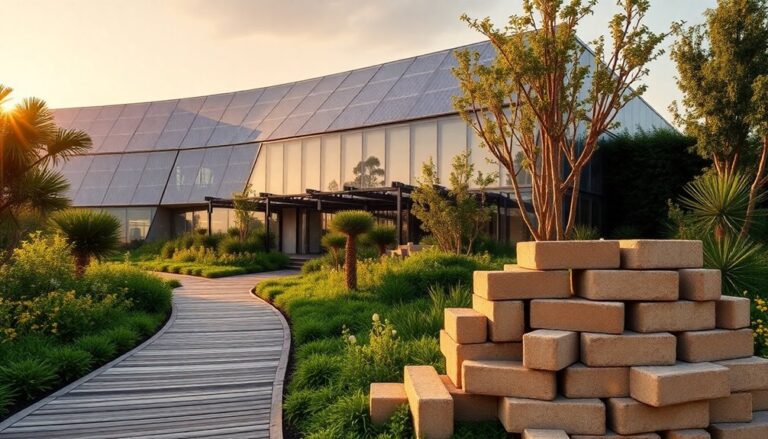
Sustainable designs are transforming global industries to prioritize environmental health. Innovations in eco-friendly architecture reduce waste and improve resilience. Zero-waste product designs eliminate excess, in addition to renewable energy solutions decreasing reliance on fossil fuels. Urban planning integrates green spaces and public transport, promoting community engagement and biodiversity. Moreover, sustainable fashion practices advocate for ethical materials and transparency in production. These approaches not only enhance consumer awareness but encourage brands to adopt greener methods. As we explore these impactful designs, it becomes clear that our choices today shape a more sustainable future for generations to come.
Eco-Friendly Architecture Innovations
Eco-friendly architecture innovations are transforming the way buildings are designed and constructed. These advancements are not merely trends; they represent a seismic shift in how society approaches its physical environments. By embracing adaptive reuse, architects are breathing new life into existing structures, reducing the need for new materials and minimizing waste. This strategy not only preserves historical significance but also demonstrates a significant commitment to sustainability.
The use of sustainable materials is another cornerstone of this architectural evolution. Designers are increasingly opting for resources that have a lower environmental impact, such as reclaimed wood, recycled metals, and eco-friendly concrete. This shift signifies a decisive move away from traditional construction methods that often prioritize short-term gains over long-term benefits. As architects utilize these materials, they're creating striking designs that challenge conventional aesthetics while adhering to rigorous sustainability standards.
Moreover, these innovations enable stakeholders—developers, investors, and communities alike—to take charge of their futures. By implementing eco-friendly designs, they’re investing in resilience and adaptability, ensuring that buildings can withstand the test of time and climate change. The dialogue around architecture is evolving, and those who leverage these innovations position themselves as leaders in a swiftly changing environment. As the conversation broadens, the integration of sustainable architecture principles becomes vital in shaping urban landscapes that not only meet current needs but also anticipate future challenges. With a focus on renewable materials and energy-efficient systems, stakeholders can create spaces that foster well-being and minimize environmental impact. This proactive approach not only enhances the quality of life for residents but also sets a benchmark for responsible development that others in the industry will strive to emulate.
In essence, eco-friendly architecture innovations aren't just reshaping skylines; they're redefining influence dynamics in the industry. By prioritizing adaptive reuse and sustainable materials, architects are crafting a future that prioritizes both human and planetary health, showcasing that true leadership lies in responsible stewardship.
Zero-Waste Product Designs
In a world increasingly aware of its environmental footprint, zero-waste product designs are emerging as a crucial solution in the quest for sustainability. These innovative designs prioritize the elimination of waste in every production stage, utilizing upcycled materials to create functional and stylish products. By reimagining discarded items, designers not only reduce landfill contributions but likewise challenge traditional notions of value and utility.
Zero-waste products often embody minimalist aesthetics, emphasizing simplicity during maximizing functionality. This approach resonates with consumers seeking elegance without excess. Designers curate their creations to reflect a conscious lifestyle, allowing individuals to express their commitment to sustainability without sacrificing style.
The influence of zero-waste product designs lies in their ability to transform the marketplace. By prioritizing resource efficiency, companies can lead the charge toward a circular economy, where materials are perpetually reused and repurposed. This shift not only benefits the environment but additionally encourages a culture of innovation, inspiring other industries to adopt similar practices.
Moreover, zero-waste designs improve brand loyalty among environmentally conscious consumers. As awareness of ecological issues grows, buyers increasingly seek products that align with their values. Companies embracing zero-waste principles position themselves as leaders in the sustainability movement, attracting a significant demographic enthusiastic for change.
Renewable Energy Solutions
As society shifts in the direction of sustainability, renewable energy solutions are becoming increasingly essential. Innovations in solar energy, advancements in wind power, and the efficiency of geothermal heating systems are transforming how energy is produced and consumed. These technologies not merely reduce reliance on fossil fuels but additionally pave the way for a more sustainable future.
Solar Power Innovations
Solar energy innovations are transforming the renewable energy sector, offering efficient solutions to meet the world's growing energy demands. These advancements not only improve solar panel efficiency but additionally change how energy is stored and utilized. New materials and technologies are emerging, pushing the boundaries of traditional photovoltaic systems. With higher efficiency rates, modern solar panels can generate more electricity from the same amount of sunlight, making them a powerful choice for both residential and commercial applications.
Moreover, the development of advanced solar energy storage systems allows users to capture energy generated during peak sunlight hours and utilize it when demand is high or during nighttime. This capability greatly increases the reliability of solar energy, providing a steady energy supply that can compete with conventional sources. Innovations like lithium-ion batteries and emerging solid-state technologies are paving the way for longer-lasting, more efficient storage solutions.
As the world shifts towards sustainable energy, these solar energy innovations empower consumers and businesses alike, driving a transition towards a more resilient and environmentally friendly energy environment. By embracing these advanced technologies, society can make meaningful strides in reducing its carbon footprint and ensuring a sustainable future.
Wind Energy Advancements
Wind energy advancements are swiftly reshaping the environment of renewable energy solutions, providing efficient and sustainable alternatives to fossil fuels. The integration of state-of-the-art technology in wind turbine design and the expansion of offshore wind farms are driving this transformation, enabling nations to utilize nature's strength more effectively.
Key developments include:
- Enhanced wind turbine efficiency: New blade designs and materials improve energy capture, maximizing output even in low-wind conditions.
- Offshore wind farms: These installations take advantage of stronger and more consistent winds, allowing for greater energy generation while minimizing land use.
- Smart grid integration: Advanced monitoring and control systems enable real-time adjustments, optimizing energy distribution and enhancing reliability.
As the world increasingly turns to renewable energy, wind energy stands at the forefront, presenting a formidable solution to combat climate change and reduce dependency on fossil fuels. With ongoing innovations, the potential for wind energy to lead the charge in sustainable energy generation is more significant than ever. This momentum promises not just to empower communities but likewise to redefine the global energy environment.
Geothermal Heating Systems
Geothermal heating systems utilize the Earth's natural heat to provide an efficient and sustainable energy solution for residential and commercial spaces. This innovative approach taps into geothermal energy, delivering superior heating efficiency while greatly reducing environmental impact. By leveraging the Earth's constant temperature, these systems offer remarkable cost savings over time, making them an appealing choice for energy-conscious consumers.
However, potential users should be aware of installation challenges. Proper site assessment and drilling are critical, as the system must effectively access geothermal sources. Furthermore, maintenance considerations come into play; during these systems usually require less upkeep than traditional heating methods, regular checks guarantee ideal performance.
Advancements in technology have made geothermal systems more accessible, with improved designs catering to diverse residential applications and commercial uses. These systems not only provide reliable heating but likewise contribute to substantial climate benefits by lowering greenhouse gas emissions. As society shifts towards sustainable solutions, geothermal heating systems stand out as a strong contender in the renewable energy environment, promising efficiency, cost-effectiveness, and a cleaner future for all. Embracing this technology positions individuals and businesses as leaders in the quest for sustainable energy solutions.
Sustainable Fashion Practices
Sustainable fashion practices have gained significant traction in recent years, with designers and brands increasingly prioritizing eco-friendly materials and ethical production methods. This shift reflects a broader movement in the direction of conscious consumerism, where individuals demand transparency and responsibility from the fashion industry.
Here are three influential components driving this change:
- Ethical Sourcing: Brands are now focusing on sourcing materials that are not just sustainable but likewise support local artisans. This cultivates community growth and promotes a fair wage for skilled workers.
- Upcycled Materials: Innovative designers are transforming waste into fashion by utilizing upcycled materials. This practice not only reduces landfill waste but additionally encourages creativity in design.
- Slow Fashion: The concept of slow fashion is gaining momentum, emphasizing quality over quantity. This approach advocates for timeless pieces that stand the test of trends, nurturing a culture of longevity in wardrobes.
Moreover, the inclusion of sustainable textiles and eco-friendly dyes is revolutionizing the way clothing is produced. The vintage revival movement further strengthens this ethos, as consumers seek unique, pre-loved pieces that tell a story. Modular clothing designs allow wearers to adapt and customize their garments, promoting versatility and reducing the need for constant purchasing.
Fashion activism is an emerging force, empowering consumers to demand accountability from brands. As the industry evolves, sustainable fashion practices will continue to shape a more responsible and influential future. By embracing these principles, individuals not only improve their wardrobe but furthermore contribute to a healthier planet.
Green Urban Planning
As cities expand and populations grow, green urban planning emerges as a crucial solution to create livable environments that prioritize both human needs and ecological health. By integrating green spaces and urban biodiversity into city designs, urban planners can cultivate healthier and more resilient communities. Smart growth principles drive this transformation, promoting compact development that reduces sprawl and improves accessibility.
Transit-oriented development stands at the forefront, linking residential areas to transit hubs, thereby encouraging public transport usage and decreasing reliance on cars. This approach not only mitigates traffic congestion but also supports mixed-use zoning, allowing residential, commercial, and recreational spaces to coexist harmoniously. The result is lively neighborhoods that thrive on diversity and accessibility.
Community gardens and urban agriculture initiatives empower citizens to engage with their environment, cultivating fresh produce while building community ties. Green roofs and sustainable drainage systems further contribute to urban resilience by managing stormwater effectively and reducing heat islands.
Eco corridors connect fragmented habitats, improving urban biodiversity and allowing wildlife to flourish within city limits. As urban planners embrace these innovative strategies, they not only create sustainable infrastructures but also build a legacy of environmental stewardship that future generations can admire.
Biophilic Design Principles
Biophilic design principles focus on integrating nature into built environments, enhancing both aesthetics and functionality. By incorporating natural elements, designers can greatly improve wellbeing, creating spaces that encourage connection to the outdoors. These techniques not merely beautify spaces but likewise support mental health and overall quality of life.
Nature Integration Techniques
Integrating nature into design can transform spaces, nurturing a deeper connection between individuals and their environment. This approach emphasizes the importance of nature-inspired architecture, where structures harmoniously blend with their surroundings. The techniques employed in this integration not just improve aesthetic value but likewise promote sustainability.
Key nature integration techniques include:
- Natural Light Utilization: Employing large windows and skylights to maximize sunlight, reducing reliance on artificial lighting and encouraging a lively atmosphere.
- Green Roofs and Walls: Incorporating vegetation into building exteriors to improve air quality and promote environmental harmony during providing insulation.
- Water Features: Integrating ponds, fountains, or streams to create soothing environments that attract wildlife and improve aesthetic appeal.
These strategies demonstrate that influential designs can evoke a sense of tranquility and balance. By leveraging nature's elements, designers create environments that resonate with occupants on a deeper level. In the end, embracing these nature integration techniques can lead to spaces that not just fulfill functional requirements but inspire awe and respect for the natural world.
Enhancing Wellbeing Through Nature
Designers increasingly recognize the profound impact that nature has on human wellbeing, leading to the adoption of biophilic design principles. These principles cultivate environments that improve health and productivity, integrating elements like natural light and green spaces to create restorative environments. By emphasizing nature therapy, designers tap into the healing strength of the outdoors, crafting wellness settings that nurture both body and mind.
| Element | Purpose | Benefits |
|---|---|---|
| Sensory Gardens | Engage the senses | Promote relaxation and focus |
| Outdoor Classrooms | Connect education with nature | Improve learning through immersion |
| Plant Integration | Improve air quality | Boost mood and creativity |
Incorporating urban biodiversity into design not just supports ecological mindfulness but enriches community life. Spaces designed with these principles cultivate a sense of belonging and peace. They transform ordinary areas into lively hubs of activity, encouraging social interaction and well-being. As designers embrace these biophilic principles, they create influential environments that uplift and inspire, eventually driving a movement toward healthier, more sustainable living.
Circular Economy Models
Circular economy models represent a transformative approach to resource management, prioritizing sustainability and waste reduction. By rethinking the traditional linear economy, these models seek to extend product lifecycles, improve resource efficiency, and minimize environmental impact. Organizations that adopt circular economy principles not only contribute to economic sustainability but also position themselves as leaders in eco-innovation.
Key components of circular economy models include:
- Design Resilience: Products are designed for longevity and adaptability, ensuring they can be reused, repaired, or recycled.
- Collaborative Consumption: This strategy promotes sharing resources, reducing overall demand, and encouraging community engagement.
- Eco Innovation Strategies: Businesses leverage innovative practices to develop sustainable solutions, driving competitive advantage.
By integrating these elements, companies can greatly reduce waste and improve their overall environmental performance. Circular economy models encourage organizations to view resources as assets to be preserved rather than consumed. This shift in perspective nurtures a culture of sustainability, where businesses are accountable for their entire product lifecycle.
The benefits are clear: not only do these models lower costs and improve efficiency, but they empower businesses to tackle pressing global challenges. As more companies embrace circular practices, they cultivate a resilient economy capable of thriving in an ever-changing world. In the end, circular economy models represent a strategic pathway toward a sustainable future, positioning organizations at the forefront of the movement for impactful change.
Eco-Conscious Packaging
As the demand for sustainable practices grows, eco-conscious packaging has taken center stage in design discussions. Innovations in biodegradable materials, a minimalist design approach, and reusable packaging solutions are transforming how products are presented and consumed. These strategies not only reduce waste but additionally promote a more sustainable future for both consumers and businesses alike.
Biodegradable Material Innovations
Increasingly, companies are turning to biodegradable materials to transform eco-conscious packaging solutions. These innovations not only diminish environmental impact but likewise demonstrate a commitment to sustainability that resonates with consumers. The rise of biodegradable plastics, plant-based composites, and natural fiber materials showcases a significant shift in packaging strategies.
- Compostable packaging that breaks down naturally, leaving no toxic residue.
- Eco-friendly adhesives designed to bond without harming the earth.
- Sustainable textiles that offer durability during the minimization of waste.
By integrating organic biomaterials and waste-reducing innovations, businesses are positioning themselves as leaders in the eco-conscious movement. These materials provide an alternative to traditional packaging, which often contributes to pollution and landfill overflow. The use of plant-based composites not only improves the strength and flexibility of packaging but likewise reinforces a brand's identity as environmentally responsible.
As the demand for sustainable solutions continues to rise, companies that embrace these biodegradable innovations will thrive, gaining a competitive edge in a market that increasingly values eco-friendliness. The future of packaging is not only about functionality; it's about responsibility and making a lasting impact on the planet.
Minimalist Design Approach
A minimalist design approach in eco-conscious packaging emphasizes simplicity and functionality during waste reduction. This strategy prioritizes fundamental elements, eliminating superfluous features that contribute to excess materials and environmental strain. By embracing minimalist aesthetics, brands can communicate their commitment to sustainability without compromising visual appeal or consumer engagement.
Functional simplicity is at the heart of this design philosophy. It champions packaging that serves its purpose effectively while minimizing the environmental footprint. This means using fewer materials, choosing recyclable or biodegradable options, and ensuring that every aspect of the design contributes to the product's overall usability. Brands adopting this approach not only improve their environmental credibility but likewise tap into a growing consumer demand for sustainable practices.
Moreover, minimalist design cultivates an emotional connection with consumers. It conveys clarity and transparency, resonating with an audience that values integrity and responsibility. In the end, this influential approach positions brands as leaders in the sustainable movement, proving that less can truly be more. As the world shifts in the direction of a greener future, the minimalist design approach in eco-conscious packaging stands as a demonstration of innovation and purpose-driven creativity.
Reusable Packaging Solutions
Many companies are turning to reusable packaging solutions to improve their eco-conscious initiatives. By adopting these practices, they not just reduce waste but also strengthen their brand image as environmentally responsible leaders. The shift in the direction of reusable containers crafted from sustainable materials presents a strong opportunity for businesses to make a lasting impact.
Consider the advantages of reusable packaging:
- Cost Efficiency: Over time, investing in durable containers can lower operational costs.
- Brand Loyalty: Customers appreciate brands that prioritize sustainability, enhancing their loyalty.
- Regulatory Compliance: Governments are increasingly favoring eco-friendly practices, making compliance simpler with reusable options.
Companies embracing reusable packaging solutions stand at the forefront of a revolution. They're not merely responding to consumer demand; they're driving change that resonates across industries. As businesses innovate with sustainable materials, they create a circular economy where products are valued and repurposed, not discarded. This commitment to reusable packaging not only protects the environment but also positions companies as influential players in the global marketplace. The future belongs to those who act decisively, and reusable packaging is a significant step in the direction of sustainability that every forward-thinking organization should take.
Smart Home Technologies
Smart home technologies are revolutionizing how people interact with their living spaces, seamlessly integrating convenience and sustainability. By utilizing smart home automation, individuals gain unprecedented control over their environments, leading to improved energy management and reduced waste. These systems enable homeowners to monitor and optimize energy usage, ensuring that every watt is utilized efficiently.
Consider the emotional impact of transforming a home into a smart sanctuary:
| Feature | Benefit |
|---|---|
| Automated Lighting | Set the mood effortlessly as you save energy. |
| Smart Thermostats | Maintain comfort and cut energy bills. |
| Security Systems | Enjoy peace of mind with real-time alerts. |
Imagine waking up in a space that intuitively adjusts to your preferences, where the lights gently illuminate as you rise and the temperature is perfectly balanced. Smart home technologies aren't just about luxury; they represent a significant shift toward sustainable living. Homeowners can now challenge traditional energy consumption patterns and embrace a lifestyle that minimizes environmental impact.
As these innovations continue to evolve, they promise to reshape the way communities interact with their surroundings. With each advancement, the potential for energy savings and environmental responsibility increases. Embracing smart home technologies positions individuals at the forefront of the sustainable movement, demonstrating that energy and responsibility can coexist harmoniously. The future of living is not just smarter—it's sustainable.
Sustainable Transportation Options
Exploring sustainable transportation options has become essential as cities grapple with rising pollution and traffic congestion. The shift toward cleaner, more efficient transportation methods isn't merely a trend; it's a necessity for urban resilience and economic growth. With innovative technologies and strategic planning, urban planners and policymakers aim to redefine how people move through cities.
Here are three key sustainable transportation options that are reshaping urban mobility:
- Electric Vehicles (EVs): These vehicles notably reduce greenhouse gas emissions and are increasingly supported by broadening charging infrastructure. As battery technology improves, EVs are becoming more accessible and appealing to consumers.
- Public Transit: Investing in robust public transit systems boosts accessibility and reduces the number of cars on the road. Buses, subways, and trams can efficiently transport large numbers of people, cutting down on emissions and traffic congestion.
- Active Transportation: Encouraging walking and cycling through well-designed infrastructure not just promotes health but additionally decreases reliance on fossil fuels. Safe bike lanes and pedestrian-friendly streets cultivate a lively, active community.
Community-Driven Initiatives
Community-driven initiatives play a pivotal role in shaping sustainable urban environments. These grassroots movements enable individuals and groups to take charge of their surroundings, cultivating a sense of ownership and responsibility. One significant aspect of these initiatives is the establishment of community gardens. These gardens not only provide fresh produce but additionally serve as a hub for social interaction, education, and ecological awareness. By transforming vacant lots into lively green spaces, community gardens improve local biodiversity and enhance air quality, proving that collective action can yield substantial benefits.
Moreover, collaborative workshops stand as another cornerstone of community-driven efforts. These workshops create platforms for knowledge-sharing, allowing participants to learn sustainable practices and innovative design techniques. From composting to urban farming, these sessions equip community members with the skills needed to implement eco-friendly solutions in their daily lives. As individuals unite in these workshops, they build networks that extend beyond mere learning; they forge influential alliances that can impact local policies and drive systemic change.
The impact of community-driven initiatives is profound. They galvanize residents, instilling a sense of purpose as they address critical issues such as food insecurity and environmental degradation. By participating in these initiatives, individuals assert their strength to transform their neighborhoods, creating sustainable urban environments that reflect their values and needs. In a world increasingly aware of environmental challenges, community-driven initiatives are not just beneficial—they're crucial for a resilient future.
Impact of Sustainable Design
The influence of sustainable design can be seen in the tangible improvements it brings to urban environments. By prioritizing design ethics and community engagement, sustainable practices promote economic viability during addressing critical issues like environmental justice and design equity. These designs not merely improve user experience but additionally advocate for cultural sustainability, guaranteeing that local heritage remains intact.
Key benefits of sustainable design include:
- Improved Quality of Life: Elevating public spaces leads to healthier and happier communities.
- Economic Growth: Sustainable initiatives create jobs and stimulate local economies.
- Long-term Resilience: Buildings and infrastructure designed with lifecycle analysis in mind can withstand environmental challenges.
Impact assessment plays a significant role in measuring the effectiveness of these designs. By evaluating how sustainable practices influence community behavior, designers can adapt their strategies to better serve the public. This behavioral influence extends beyond aesthetics; it reshapes the way individuals interact with their surroundings.
Moreover, sustainable design encourages a collective approach, integrating diverse voices and perspectives. This process not only fortifies community ties but also guarantees that solutions are inclusive and equitable. As society shifts in the direction of more conscious consumption, the emphasis on cultural sustainability becomes paramount, safeguarding the identity of communities while promoting innovation.
Frequently Asked Questions
How Can Individuals Start Implementing Sustainable Designs at Home?
When Sarah stumbled upon a local workshop on eco-friendly materials, she realized how easily individuals could start implementing sustainable designs at home. By swapping out traditional products for eco-friendly options, she transformed her living space. She invested in energy-efficient appliances that not just slashed her bills but also reduced her carbon footprint. Thriving on this newfound strength, Sarah inspired her friends to embrace similar changes, creating a ripple effect of sustainability in her community.
What Are the Financial Benefits of Investing in Sustainable Designs?
Investing in sustainable designs offers significant financial benefits. Individuals can experience cost savings through reduced energy bills and lower maintenance expenses. Additionally, properties featuring sustainable elements often see higher investment returns, as buyers increasingly value eco-friendly features. By prioritizing sustainable choices, they not solely improve their living environment but likewise secure a more profitable future. Such investments empower individuals to take control of their finances during contributing positively to the planet.
Are There Certifications for Sustainable Design Practices?
Yes, there are several sustainable certifications that validate design practices. Organizations like LEED and BREEAM set rigorous design standards, ensuring projects meet environmental and efficiency criteria. These certifications not only improve a project's credibility but additionally attract discerning clients who value sustainability. By obtaining such certifications, companies can showcase their commitment to responsible design, gaining a competitive edge in a market increasingly driven by eco-conscious decision-makers. It's a strategic move toward long-term success.
How Do Sustainable Designs Impact Mental Health and Well-Being?
Sustainable designs considerably impact mental health and well-being by nurturing a strong nature connection. Incorporating biophilic design principles, these environments create spaces that elevate mood and reduce stress. People feel more energized and focused when surrounded by natural elements, leading to improved productivity and overall happiness. By prioritizing these design strategies, individuals experience a profound shift in their mental state, empowering them to thrive in a harmonious, nature-infused atmosphere.
What Role Do Governments Play in Promoting Sustainable Design?
Governments wield considerable influence in promoting sustainable design, with studies showing that countries with robust policies see a 25% increase in green building projects. By implementing policy incentives and establishing regulatory frameworks, they encourage innovation and investment in sustainable practices. This proactive stance not just drives economic growth but likewise positions nations as leaders in global sustainability efforts, empowering citizens and businesses to embrace a greener future.