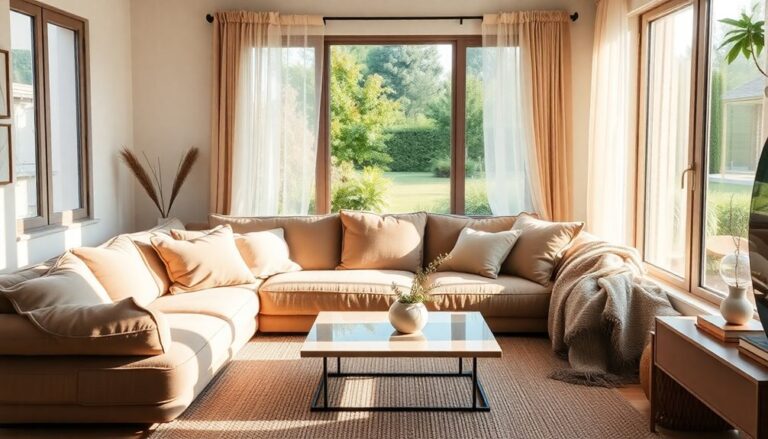
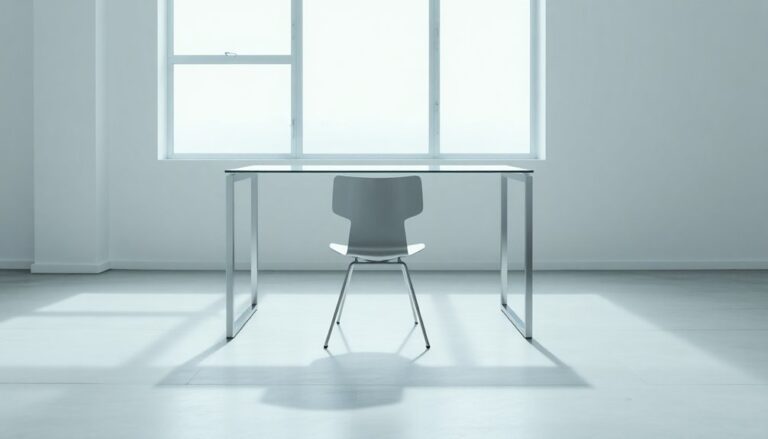
When exploring the evolution of interior design trends, you'll notice how styles reflect society's changing values and needs. Beginning with ancient civilizations, design principles evolved, gaining momentum through the Victorian Era's opulence and the Art Nouveau movement's organic forms. Mid-century modernism popularized simplicity and functionality, as modern minimalism promotes tranquility by eliminating clutter. Conversely, eclectic and bohemian styles embrace individuality by blending diverse elements. Today, sustainable and wellness-centric designs emphasize eco-friendliness and mental health. These trends constantly adapt, previewing an exciting future in interior design. Keep going to uncover even more fascinating insights on this transformation.
Early Influences on Design
Throughout history, various cultures have consistently shaped the scenery of interior design. You can trace the roots of design elements back to ancient civilizations, where every choice in material and layout spoke volumes about societal values and aspirations. From the grand palaces of ancient Egypt, adorned with intricate hieroglyphs, to the minimalist yet functional spaces of Japanese design, you'll find that historical influences have paved the way for modern aesthetics.
As you explore early influences, consider how cultural shifts transformed spaces. The Renaissance, for instance, marked a dramatic departure from medieval styles, embracing symmetry and proportion that still resonate today. By integrating art and architecture, this era sparked a wave of creativity that influenced everything from furniture design to color palettes. You might notice how these shifts laid the groundwork for contemporary trends that celebrate both form and function.
When you delve deeper into regional designs, you'll see that each culture contributed unique elements. The ornate patterns of Moorish design, for example, reflect an intricate comprehension of geometry and nature, whereas the rustic charm of Scandinavian interiors emphasizes simplicity and sustainability. These early influences remind you that innovation isn't merely about newness; it's about reinterpreting the past and weaving historical narratives into modern living spaces.
Ultimately, as you embrace these early influences, you can cultivate an environment that honors tradition and inspires future creativity. So, let these cultural shifts guide your design expedition, blending the old with the new in a harmonious dialogue.
The Victorian Era
The Victorian Era brought a unique flair to interior design that you can't overlook. With its rich color palettes and intricate materials, this style transformed spaces into reflections of elegance and opulence. Let's explore the key characteristics, influential color choices, and popular textiles that defined this iconic period.
Key Characteristics of Victorian Design
Victorian design, which thrived during the reign of Queen Victoria from 1837 to 1901, showcases several distinctive characteristics that reflect the era's values and innovations. You'll notice that Victorian ornamentation styles are rich and intricate, emphasizing a love for detail and craftsmanship. Rooms were often filled with lavish furnishings, showcasing Victorian furniture craftsmanship that combined both utility and beauty.
Here's a quick overview of key characteristics:
| Feature | Description | Example |
|---|---|---|
| Ornamentation | Elaborate and intricate designs | Decorative moldings |
| Furniture | Heavy, dark woods with intricate carvings | Upholstered settees |
| Textiles | Luxurious fabrics like velvet and brocade | Ornate draperies |
Incorporating these elements creates a sense of warmth and richness, making your space feel inviting. By embracing these characteristics, you can infuse your interiors with a sense of history and elegance, as well as engaging with the innovative spirit of the time. Victorian design isn't just about nostalgia; it's about reinterpreting these timeless elements for modern living.
Influential Victorian Color Palettes
Many people are drawn to the rich and bold color palettes that defined the Victorian era, which reflect the opulence and creativity of the time. These Victorian color schemes not merely evoke a sense of grandeur but invite you to explore their intricate decorative motifs. By incorporating these hues into your space, you can create an atmosphere that channels the elegance of the 19th century.
Here are four influential Victorian color palettes to reflect on:
- Deep Jewel Tones: Emerald greens, royal blues, and rich purples create a lush, luxurious environment that captivates the senses.
- Warm Earth Tones: Terracotta, deep browns, and muted yellows offer a cozy and inviting ambiance, perfect for creating a homey feel.
- Contrasting Dark and Light: Pairing dark colors with soft pastels, like dusty pinks or pale yellows, highlights architectural details and improves visual interest.
- Gold Accents: Incorporating gold or brass tones into your color scheme adds a touch of opulence and sophistication synonymous with Victorian design.
Embrace these palettes, and let the elegance of the Victorian era inspire your interior spaces.
Popular Materials and Textiles
Exploring the materials and textiles of the Victorian era reveals a diverse range of options that immersed interior spaces into showcases of artistry and craftsmanship. The era was marked by significant textile innovations, allowing for the production of luxurious fabrics like velvet and brocade, which transformed homes into opulent retreats. You'd find intricate patterns on vintage fabrics, reflecting the cultural influences of the time, from Asian motifs to European designs.
As you explore further, you'll notice how historical fabrics like damask and fabric art were favored for their elegance. The Victorian penchant for layering textiles created rich, tactile environments that invited touch and admiration. Today, you can take inspiration from these period pieces as you integrate modern materials and eco-friendly options.
Sustainable textiles are making waves, reminiscent of the Victorian commitment to craftsmanship and quality. By blending these historical insights with contemporary design, you can curate spaces that honor the past as you embrace innovation. Look for ways to incorporate luxury textiles alongside sustainable choices, crafting interiors that are not just beautiful but environmentally conscious. The result? A harmonious balance between vintage charm and modern necessity.
The Art Nouveau Movement
The graceful curves and intricate details of Art Nouveau capture a unique moment in design history, where nature and craftsmanship intertwine seamlessly. This movement, flourishing from the late 19th to early 20th centuries, redefined the scenery of decorative arts, drawing heavily from organic forms and the inspiration of nature. You'll find curvilinear designs and whiplash motifs elegantly integrated into various elements of design.
To understand the essence of Art Nouveau, consider these key aspects:
- Architectural Flourishes: Buildings adorned with sinuous lines and natural shapes that create a harmonious relationship with their surroundings.
- Furniture Design: Pieces that embody fluidity and grace, often featuring intricate carvings and organic forms.
- Glasswork Techniques: Innovations in glassmaking led to stunning stained glass windows and decorative panels, showcasing the movement's affinity for light and color.
- Influential Artists: Visionaries like Alphonse Mucha and Antoni Gaudí who championed this style, blending artistry with craftsmanship.
Art Nouveau's legacy lies in its ability to transform everyday objects into works of art, encouraging you to reimagine the spaces you inhabit. By embracing the elegance of this movement, you can bring a touch of innovation and sophistication to your own interior design. The emphasis on nature and artistry continues to inspire contemporary designers, reminding us that beauty can emerge from the simplest of forms.
Mid-Century Modernism
Mid-Century Modernism emerged as a distinct design movement that seamlessly blends functionality with aesthetic appeal. This era, spanning roughly from the 1940s to the 1960s, transformed how you perceive space and design in your home. It's all about clean lines, organic forms, and a harmonious relationship between indoor and outdoor environments. You'll find that mid-century furniture often features a minimalist approach, emphasizing simplicity while yet making a bold statement.
When you think of iconic architects like Charles and Ray Eames, Eero Saarinen, and Richard Neutra, you can see how their innovative designs shaped this movement. These visionaries focused on creating functional pieces that were not just beautiful but also practical for everyday use. Their work encouraged a sense of freedom and creativity, allowing you to express your individuality in your living spaces.
As you explore mid-century design, consider incorporating lively colors, geometric patterns, and natural materials like wood and leather into your home. It's about celebrating the uniqueness of each piece while maintaining a cohesive aesthetic. By embracing this style, you can transform your space into an inviting oasis that reflects both history and modernity.
Incorporating mid-century furniture into your decor not just honors this influential era but promotes a sense of nostalgia and warmth. So, if you're looking to reinvent your space, let the essence of Mid-Century Modernism inspire your next design adventure.
The Rise of Minimalism
Minimalism has become a strong design philosophy over the past few decades, focusing on simplicity and functionality. This approach emphasizes the fundamentals, stripping away excess to create spaces that breathe and inspire clarity. As you embrace this minimalist philosophy, you'll find that your surroundings not just look cleaner but likewise nurture a more peaceful mindset.
To effectively implement minimalist design in your home, consider these four key principles:
- Declutter: Remove items that don't serve a purpose or spark joy. A decluttered space promotes tranquility and improves functional aesthetics.
- Neutral Palette: Opt for a neutral color scheme. Soft whites, grays, and earthy tones create a soothing atmosphere as well as allowing furniture and decor to shine without overwhelming the senses.
- Quality Over Quantity: Invest in a few high-quality pieces rather than filling your space with many items. This not only boosts the aesthetic but similarly embodies the minimalist philosophy of valuing craftsmanship.
- Natural Light: Maximize natural light. Large windows and open spaces bring in the outdoors, making your environment feel airy and alive.
Eclectic and Bohemian Styles
When you're looking to create a space that feels uniquely yours, eclectic and bohemian styles offer endless possibilities. You can mix bold colors and textures, drawing inspiration from around the world, to achieve a lively aesthetic. By incorporating global textiles and defining your own style, you'll transform your home into a true reflection of your personality.
Defining Eclectic Aesthetics
Eclectic aesthetics invite you to break the rules and embrace a mix of styles that reflect your personality and experiences. This design approach celebrates individuality, allowing you to curate spaces that are uniquely yours. You can experiment with various elements, layering textures and colors to create a lively atmosphere. Here's how to define and refine your eclectic aesthetic:
- Mix and Match: Combine eclectic furnishings from different eras—think vintage chairs with modern art pieces.
- Layer Textures: Use a variety of materials, like wood, metal, and fabric, to add depth and interest to your space.
- Lively Patterns: Incorporate bold prints and patterns, such as tribal motifs or floral designs, to infuse energy and life into your decor.
- Personal Touches: Showcase your travels and experiences through art, souvenirs, or photographs, creating a narrative within your space.
Bohemian Color Palette
Incorporating a Bohemian color palette into your eclectic space can improve the lively, free-spirited vibe characteristic of this style. Embrace a mix of dynamic hues and earthy tones that reflect your unique personality. Think deep reds, rich greens, and sunny yellows—all harmonizing to create an inviting atmosphere.
To achieve this, layer colors through textiles, wall art, and decorative items. Bohemian patterns, like intricate paisleys or bold florals, can be introduced via throw pillows or rugs, adding depth and character to your space. Use these elements to break up solid colors and maintain a visually engaging environment.
Don't shy away from mixing materials, either. Pair soft fabrics with natural wood finishes and metallic accents for an eclectic feel. The key is to create a balance that feels both energetic and harmonious.
Incorporating Global Textiles
Textiles from around the world can add an enchanting layer to your eclectic or Bohemian space. By incorporating diverse cultural influences, you not only improve your design but additionally promote textile sustainability. Here are four innovative ways to embrace global textiles:
- Layered Patterns: Mix and match fabrics from various cultures—think Indian block prints with African mud cloth. This creates a rich fabric collage of design that feels both lively and unique.
- Textile Wall Art: Use large, handcrafted textiles as wall hangings. This not only serves as stunning artwork but also showcases the craftsmanship and stories behind each piece.
- Eco-Friendly Throws: Seek out sustainable options like organic cotton or upcycled materials for your throw blankets. This choice supports eco-conscious practices during the addition of warmth to your space.
- Cushion Clusters: Create a cozy nook with a variety of cushions featuring global prints. This not only adds comfort but invites conversation about the cultures represented in your textiles.
Sustainable Design Trends
As homeowners increasingly prioritize environmental responsibility, sustainable design trends have emerged as an important focus in the interior design environment. You're likely seeking ways to create spaces that not only look appealing but as well contribute positively to the planet. By incorporating eco-friendly materials and embracing green architecture, you can transform your home into a sanctuary of sustainability.
Start by choosing materials that minimize environmental impact. Think bamboo flooring, recycled metals, and low-VOC paints. These materials not only improve the aesthetic appeal of your space but as well reduce your carbon footprint. When you opt for furnishings made from reclaimed wood or organic textiles, you're making a statement about your commitment to sustainable living.
Green architecture plays a vital role in shaping modern interiors. By utilizing energy-efficient designs, you can maximize natural light and reduce reliance on artificial lighting. Features like green roofs, passive solar heating, and rainwater harvesting systems aren't just trendy—they're fundamental for promoting an eco-conscious lifestyle.
Don't forget about indoor plants! They purify the air and add a lively touch to your décor. Incorporate biophilic design elements to create a seamless connection between your indoor spaces and the natural world outside.
The Future of Interior Design
The future of interior design is poised to embrace technology and innovation like never before. As you step into this new era, expect your spaces to transform dramatically, blending aesthetics with functionality. Here's what you can look forward to:
- Smart Technology: Envision controlling your lighting, climate, and security systems seamlessly through your smartphone or voice commands. Smart technology will not only improve convenience but additionally contribute to energy efficiency.
- Biophilic Design: With a growing awareness of nature's impact on well-being, biophilic design will become central. You'll see more natural materials, indoor gardens, and ample natural light, creating a serene connection to the outdoors.
- Personalized Spaces: Your home should reflect your individuality. The future will offer customizable designs that cater to your preferences, enabling you to create a unique atmosphere that resonates with your style and needs.
- Wellness Focus: As the importance of mental and physical health rises, expect interiors designed with wellness in mind. This includes features like circadian lighting and air purification systems, promoting a healthier living environment.
Furthermore, adaptive reuse will gain traction, turning old spaces into modern designs without the ecological footprint of new construction. The future of interior design isn't just about aesthetics; it's about crafting environments that uplift your lifestyle while respecting the planet. Prepare to embrace these innovations and redefine how you experience your surroundings.
Frequently Asked Questions
How Do Cultural Shifts Impact Interior Design Trends?
Cultural shifts greatly impact interior design trends by introducing new design symbolism and creative ideas. When you embrace these cultural influences, you can transform spaces that reflect contemporary values and lifestyles. For instance, a focus on sustainability can inspire eco-friendly materials and practices in your home. By staying attuned to societal changes, you can innovate your interiors, creating environments that resonate with the pulse of the current cultural scenery and improve your living experience.
What Role Does Technology Play in Modern Interior Design?
Did you know that 30% of homeowners are now investing in smart home technology? In modern interior design, technology's revolutionizing how you create spaces. Smart homes provide convenience and efficiency, allowing you to control lighting and temperature with your voice. Plus, virtual reality lets you visualize your designs before making any changes, offering an immersive experience. Embracing these innovations can transform your home into a futuristic haven, customized to your lifestyle.
How Can I Incorporate Vintage Styles Into My Home?
You can easily incorporate vintage styles into your home by mixing vintage accents with modern elements. Start with retro furnishings like a mid-century coffee table or an antique sideboard. Layer in bold colors and patterns found in vintage textiles, like throw pillows or curtains. Don't forget to add unique decor pieces, such as vintage lamps or art, to create a curated look. This blend will breathe new life into your space as it celebrates the charm of the past.
What Are the Key Factors Influencing Future Design Trends?
Key factors influencing future design trends include sustainability initiatives and evolving consumer behavior. As you prioritize eco-friendly materials and practices, you'll find that designers are increasingly focused on creating spaces that not just look good but also minimize environmental impact. Furthermore, your preferences shape trends—if you demand innovative, multifunctional designs, the industry will respond. Embrace this shift, and you'll stay ahead of the curve as you contribute to a greener future.
How Do Interior Design Trends Affect Property Values?
Interior design trends directly impact property values by improving property aesthetics, which attracts potential buyers. When you embrace innovative design elements that align with current market demand, you increase your property's appeal. Trends like open spaces or sustainable materials can raise your home's worth. By staying ahead of the curve, you not only create a stylish living environment but likewise guarantee your investment appreciates over time in a competitive market.