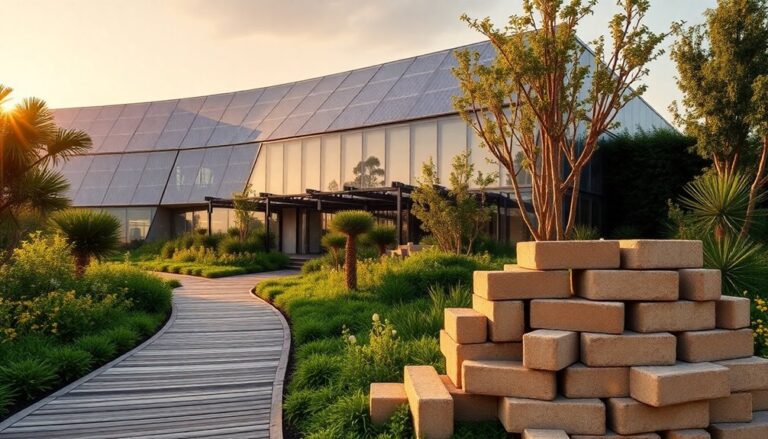
The art of transformation in historical buildings is a delicate balance of preserving cultural heritage as well as infusing modern functionality. Successful projects often employ adaptive reuse strategies, maintaining original charm and identity. Challenges include structural integrity concerns and regulatory compliance, which require thoughtful planning and community engagement. Stakeholder collaboration nurtures a sense of ownership and guarantees local voices shape the transformations. With innovative technologies guiding restoration and an emphasis on sustainability, these projects not solely revitalize spaces but additionally spark economic growth. Those curious about specific successful examples and future trends will find much more to explore.
Importance of Historical Preservation
Historical preservation plays a vital role in maintaining a community's identity and cultural heritage. It serves as an influential tool, allowing communities to connect with their past as they forge a path toward the future. By safeguarding structures of historical significance, communities not just honor their heritage but also reinforce their cultural identity. These buildings act as tangible reminders of shared experiences, values, and aspirations, nurturing a sense of belonging among residents.
Preserving historical sites isn't merely about aesthetics; it's about enabling communities to leverage their unique narratives. These structures attract tourism, stimulate local economies, and create job opportunities, all during the enhancement of civic pride. When a community invests in its historical assets, it sends a clear message about its commitment to sustainability and resilience, showcasing its capacity for growth without sacrificing its roots.
Moreover, preserving history cultivates a dynamic dialogue between generations. Younger residents gain insights into their forebears' struggles, triumphs, and cultural practices, thereby enriching their awareness of identity. This intergenerational connection is significant as it promotes respect for the past while encouraging innovation for the future.
In an era where rapid modernization often threatens historical legacy, prioritizing preservation becomes an act of defiance against cultural erasure. By championing the importance of historical preservation, communities can guarantee that their cultural identity not just survives but thrives, enabling future generations to carry forward the rich mosaic of their heritage.
Challenges in Transformation
Transforming historical buildings presents several challenges that must be addressed. Structural integrity concerns often arise when integrating modern amenities, whereas regulatory compliance issues can complicate renovations. Furthermore, balancing modern needs with the preservation of historical features requires careful consideration and creative solutions.
Structural Integrity Concerns
Many older buildings face significant structural integrity concerns during transformation projects. These issues often arise from age-related deterioration, inadequate original construction methods, and the impact of environmental factors. To tackle these challenges, developers and architects must conduct thorough structural assessments early in the planning process. These assessments identify weaknesses and guarantee that the building can support new loads and uses without compromising safety.
Incorporating effective preservation techniques is vital. By employing methods such as reinforcing existing frameworks or using modern materials that blend seamlessly with the historical fabric, teams can improve a building's durability during the respect of its heritage. This balance of strength and preservation safeguards the structure and maintains its cultural significance for future generations.
Moreover, stakeholders must prioritize a proactive approach to maintenance and renovation. Addressing structural concerns upfront enables the transformation to proceed efficiently and reduces the risk of costly repairs later. In the pursuit of bold and innovative designs, the integrity of the original structure shouldn't be overlooked; it's the foundation upon which successful transformations are built. In the end, a robust strategy for structural integrity is important for the triumph of any historical building transformation.
Regulatory Compliance Issues
While maneuvering through the intricacies of transforming historical buildings, stakeholders often encounter regulatory compliance issues that can hinder progress. Zoning laws pose significant challenges; they dictate how properties can be used and may restrict the intended transformation. Steering through these laws requires a deep comprehension of local ordinances, which can vary dramatically from one jurisdiction to another. Failure to comply can lead to costly delays and potential legal repercussions.
Moreover, safety regulations add another layer of complexity. Historical structures often lack modern safety features, necessitating extensive renovations to meet current codes. These regulations aren't merely bureaucratic hurdles; they're vital for ensuring the welfare of occupants and visitors. Stakeholders must balance their ambitious visions with the stringent requirements set forth by local authorities, which can be a formidable task.
In this environment, collaboration with regulatory bodies becomes vital. Engaging with city planners and historical preservation societies can facilitate smoother pathways through compliance challenges. By proactively addressing these issues, stakeholders can mitigate risks and promote a more efficient transformation process, ultimately preserving the integrity of historical buildings as they achieve their modern aspirations.
Balancing Modern Needs
Balancing modern needs with the preservation of historical character presents a significant challenge during the transformation of historical buildings. Stakeholders often grapple with the delicate interplay between innovative functionalities and the integrity of the original structure. To achieve success, they must navigate complex terrains, focusing on three critical aspects:
- Integration of Modern Technologies: Incorporating state-of-the-art systems—such as energy-efficient HVAC and smart lighting—can improve both functionality and sustainability without compromising the building's essence.
- User Accessibility: Ensuring that spaces remain accessible to all is paramount. This often requires retrofitting entrances and pathways to comply with contemporary standards as well as retaining aesthetic value.
- Aesthetic Preservation: Striking a balance between modern improvements and historical aesthetics demands a sharp eye. It's crucial that renovations respect the original design elements, ensuring the building's character remains intact.
Navigating these challenges requires vision and decisiveness. By prioritizing modern technologies and user accessibility, architects and developers can craft spaces that resonate with both history and contemporary needs, empowering communities as they honor their past.
Innovative Design Approaches
In exploring innovative design approaches, architects often embrace adaptive reuse strategies that breathe new life into historical buildings. By integrating sustainable materials, they not only preserve the past but additionally promote environmental responsibility. These methods highlight a balance between honoring heritage and addressing contemporary needs.
Adaptive Reuse Strategies
Adaptive reuse strategies breathe new life into historical buildings, transforming them into functional spaces that meet contemporary needs. These innovative approaches not only maintain the cultural significance of architectural heritage but also yield substantial economic benefits, making them a smart choice for urban development.
Key adaptive reuse strategies include:
- Mixed-Use Developments: Combining residential, commercial, and recreational spaces within a single historical structure maximizes functionality and strengthens community ties.
- Cultural Centers: Repurposing buildings as cultural hubs nurtures local artistry and engagement, enriching the social fabric as well as honoring the past.
- Office Spaces: Transforming historic sites into modern offices preserves their character as well as providing attractive work environments, contributing to economic revitalization.
Sustainable Materials Integration
Integrating sustainable materials into the design of transformed historical buildings improves their functionality in addition to minimizing environmental impact. By utilizing recycled materials, architects can breathe new life into these structures during the process of preserving their heritage. Eco-friendly finishes not only improve aesthetic appeal but additionally contribute to overall sustainability, creating spaces that resonate with both modern sensibilities and historic charm.
Sustainable sourcing plays an essential role in this transformation, ensuring that materials come from responsible suppliers committed to environmental stewardship. This approach often leads to the attainment of green certifications, signifying a commitment to sustainability that resonates with discerning stakeholders. Biodegradable insulation further raises the project's eco-credentials, providing energy efficiency while reducing the carbon footprint.
The integration of these elements doesn't merely serve a functional purpose; it creates a significant narrative around the building's transformation. By prioritizing sustainable materials, architects and developers can position themselves as leaders in the movement toward responsible design, ensuring that historical buildings thrive in a modern context. In doing so, they not only honor the past but furthermore pave the way for a sustainable future, demonstrating that heritage and innovation can coexist harmoniously.
Case Studies of Successful Projects
Several successful projects across the globe showcase the effective transformation of historical buildings, blending their rich heritage with modern functionality. These projects exemplify adaptive aesthetics and strengthen communities through historical storytelling. By reimagining the use of these structures, they breathe new life into the past as they embrace the demands of contemporary society.
- The Tate Modern, London: Once a generating station, this iconic museum now serves as a beacon of modern art. Its adaptive reuse preserves the building's industrial character while offering expansive gallery spaces that attract millions annually.
- The High Line, New York City: This raised railway turned public park transforms an underutilized infrastructure into a lively urban space. It marries historical context with innovation, inviting diverse communities to engage with nature and art in the heart of the city.
- The Biblioteca Vasconcelos, Mexico City: An architectural marvel, this library revitalizes an old warehouse, creating a hub for knowledge and culture. Its design emphasizes transparency and accessibility, nurturing a sense of community and igniting a passion for learning.
These case studies illustrate the strength of thoughtful design in historical transformation. By intertwining past narratives with present needs, these projects not only honor their heritage but likewise chart a visionary path forward, exemplifying how history can inspire modern excellence. Moreover, they serve as a reminder that the impact of technology on design is crucial in adapting traditional frameworks to contemporary contexts. As innovative techniques are integrated, these case studies highlight the potential for sustainability and functionality to coexist with historical reverence. Ultimately, they demonstrate that when we leverage technology thoughtfully, we can create spaces that not only preserve the past but also inspire future generations.
Community Involvement and Impact
Involving the community in the transformation of historical buildings nurtures a deeper connection between the past and present. When communities actively participate in revitalization efforts, they cultivate a sense of ownership that transcends mere aesthetics. This connection not only honors the historical significance of the structures but additionally empowers residents, creating a collective identity rooted in shared heritage.
Effective community engagement is essential in this process; it guarantees that the voices of local residents are heard and valued. By facilitating open dialogues, stakeholders can identify the needs and aspirations of the community, guiding the transformation in a direction that resonates with its members. This collaboration can lead to innovative solutions that breathe new life into historical sites while respecting their original charm.
Local partnerships play a significant role in achieving these goals. When local businesses, non-profits, and government entities unite, they can pool resources, knowledge, and influence to drive impactful change. These alliances not only improve the capacity for successful projects but additionally instill a sense of collective responsibility regarding the preservation of cultural assets.
The positive impact of community involvement extends beyond the buildings themselves. Revitalized historical structures often serve as catalysts for economic growth, attracting tourism and stimulating local businesses. As communities rally around these projects, they not only safeguard their heritage but additionally pave the way for a lively, empowered future. In this way, the transformation of historical buildings becomes a potent reflection of the strength of community action.
Balancing Modern Needs With Heritage
As historical buildings embody rich narratives and cultural significance, balancing modern needs with heritage involves a thoughtful approach that respects the past in addition to accommodating contemporary demands. Professionals in architecture and preservation face the challenge of integrating modern functionality while maintaining the aesthetic harmony that defines these structures.
To achieve this balance, they often focus on three key strategies:
- Adaptive Reuse: Instead of demolishing or altering historical buildings, architects creatively repurpose them for modern use, preserving their original charm while making them relevant today.
- Contextual Design: New additions to historical properties are designed to complement, not overshadow, the existing architecture. This guarantees that the cultural significance of the original structure remains visible and respected.
- Sustainable Practices: Incorporating green technologies and materials respects both the environment and the integrity of the building. This approach not only serves modern needs but additionally future-proofs the heritage site against the changing environment of urban development.
In traversing these challenges, stakeholders must recognize that every decision impacts the narrative woven into the building's fabric. By prioritizing cultural significance and aesthetic harmony, they guarantee that historical buildings continue to serve as crucial links to the past while embracing the demands of contemporary life. Ultimately, the art of transformation lies in the delicate interplay between heritage and modernity, crafting spaces that resonate with influence, purpose, and history.
Future Trends in Historical Renovation
Embracing innovative technologies is set to redefine the terrain of historical renovation in the coming years. As the demand for authenticity and modern functionality grows, decision-makers are increasingly turning to digital technology to boost their renovation projects. By utilizing advanced tools such as augmented reality (AR) and virtual reality (VR), stakeholders can create immersive experiences that not only showcase a building's storied past but likewise engage contemporary audiences.
These technologies allow architects and developers to visualize changes in real-time, ensuring that renovations respect historical integrity whilst meeting modern demands. The use of 3D modeling software further improves this process, enabling a careful approach to restoration that preserves original materials and craftsmanship. This precision is crucial for maintaining the character of historical structures whilst integrating state-of-the-art amenities that appeal to today's discerning clientele.
Moreover, sustainability will play a pivotal role in future renovations. Incorporating eco-friendly materials and energy-efficient systems will not only honor the building's legacy but similarly position it as a forward-thinking space. The fusion of heritage and innovation will become a hallmark of successful projects, attracting attention and investment.
Ultimately, the convergence of digital technology and immersive experiences in historical renovation will empower architects and developers to create spaces that resonate with the past whilst paving the way for the future. As they utilize these trends, they'll redefine what it means to honor history in a constantly changing environment.
Lessons Learned From Transformations
Throughout the history of renovations, numerous lessons have emerged that highlight the importance of balancing preservation with innovation. Successful transformations of historical buildings reveal critical insights that can guide future projects. Professionals in the field understand that embracing both cultural significance and architectural evolution leads to ideal outcomes.
- Respect the Past: Acknowledging the historical context of a building guarantees that its unique character remains intact. This respect nurtures community pride and strengthens the connection between past and present.
- Embrace Modernity: Integrating contemporary design elements can improve functionality without overshadowing the building's historical essence. Thoughtful modernization invites new generations to engage with the space, making it relevant in today's environment.
- Engage Stakeholders: Collaboration with local communities, historians, and architects is crucial. Their insights can bridge the gap between preservation and innovation, guaranteeing that transformations reflect shared values and aspirations.
Frequently Asked Questions
What Are the Legal Requirements for Transforming Historical Buildings?
When transforming historical buildings, one must navigate several legal requirements. These include adhering to preservation laws that protect the structural integrity and historical significance of the site. Moreover, heritage guidelines often dictate the acceptable methods for renovations, ensuring that any changes respect the building's original character. Ignoring these regulations can lead to severe penalties, so it's essential for developers to consult with local authorities and preservation experts before proceeding with any alterations.
How Can Owners Finance Historical Building Renovations?
In terms of financing historical building renovations, owners can release a treasure trove of grants options and tax incentives that could dazzle even the wealthiest magnate. By tapping into government programs designed to preserve cultural heritage, they can considerably reduce costs. Moreover, partnering with local preservation societies often yields access to further funding. With strategic planning and relentless determination, owners can transform their visions into reality as they safeguard history's grandeur.
Are There Specific Materials Recommended for Such Transformations?
When considering adaptive reuse, owners often opt for sustainable materials to improve historical buildings. These materials, including reclaimed wood and energy-efficient insulation, not only preserve the structure's integrity but additionally align with modern environmental standards. By choosing resources that minimize environmental impact, owners demonstrate a commitment to sustainability during the respect for the building's heritage. This approach not only raises the aesthetic but furthermore adds significant value, reflecting a strong vision for the future.
What Role Do Local Governments Play in Renovations?
Local governments play an essential role in renovations by enforcing zoning regulations and encouraging community engagement. They guarantee that projects align with urban planning goals, promoting sustainable development during the preservation of local character. Through public meetings and consultations, they empower citizens to voice their concerns and ideas, making the renovation process more inclusive. By balancing development needs with community interests, local governments help create lively, functional spaces that resonate with residents and stakeholders alike.
How Do Transformations Affect Property Value?
Transformations greatly impact property value, often leading to substantial property appreciation. When owners invest in modern updates or stylish renovations, they align their properties with current market trends, attracting buyers willing to pay a premium. Improved aesthetics and functionality boost the perceived value, ensuring these properties stand out in a competitive real estate environment. As a result, savvy investors recognize the potential of transformations, leveraging them to maximize their returns in a constantly changing market.