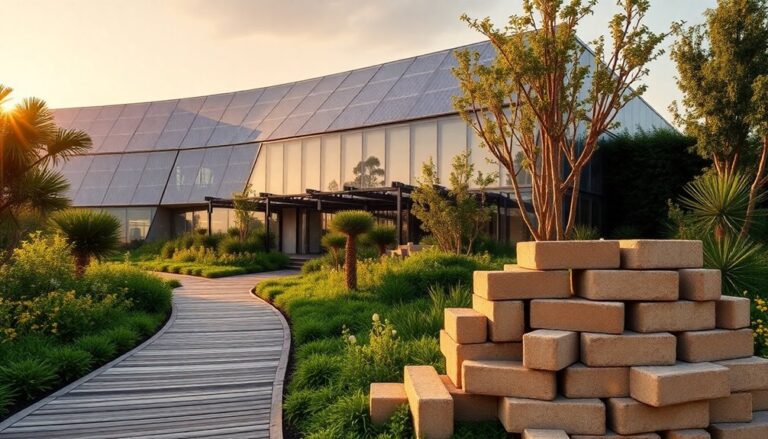
The intersection of technology and design in architecture creates a dynamic environment where innovative tools transform traditional practices. Technologies like Building Information Modeling (BIM) improve collaboration, allowing architects to visualize and manage projects efficiently. Virtual Reality (VR) and Augmented Reality (AR) offer immersive experiences, enabling users to interact with designs before construction. Furthermore, 3D printing streamlines processes, reducing waste and enabling personalized solutions. This fusion nurtures sustainable practices and community engagement, shaping spaces that reflect cultural identity as they address environmental needs. Those interested will discover even more insights into this evolving domain of architecture.
Historical Context of Architecture
Architecture has evolved considerably over the centuries, reflecting the cultural, technological, and social changes of each era. In ancient civilizations, monumental structures emerged as symbols of strength and religious devotion, showcasing diverse architectural styles influenced by local customs and available materials. The Egyptians, Greeks, and Romans mastered construction methods that have left a lasting legacy, resulting in landmark buildings that continue to inspire awe.
As time progressed, so did architectural expression. The Middle Ages saw the rise of Gothic cathedrals, whereas the Renaissance marked a revival of classical principles, driven by famous architects like Brunelleschi and Michelangelo. Their innovative designs fused aesthetic beauty with structural integrity, illustrating the design evolution that took place across centuries. Each movement was shaped by cultural influences, reflecting the values and ambitions of the society it served.
In modern times, urban planning has become a strategic endeavor, integrating functionality with aesthetics. As cities expand, architects are tasked with balancing the preservation of historical sites with the need for contemporary infrastructure. Material advancements have additionally transformed the environment, allowing for bold structures that challenge traditional forms.
Today, the legacy of historical preservation remains crucial, ensuring that future generations appreciate the architectural achievements of the past. The interplay of different architectural styles, combined with ongoing innovations, continues to redefine the built environment. This rich fabric of design chronicles human achievement and serves as a foundation for the influence dynamics of contemporary civilization.
Role of Technology in Design
As technology continues to advance, it plays a pivotal role in reshaping design practices within the field of architecture. The integration of parametric design and generative algorithms transforms how architects conceptualize and execute their visions. These technologies enable designers to create complex forms and structures that were previously unimaginable, pushing the boundaries of creativity and functionality.
Parametric design allows architects to manipulate parameters and constraints, producing dynamic models that adapt to a variety of conditions. This flexibility not only improves the aesthetic appeal of buildings but additionally optimizes performance and sustainability. By tweaking parameters, architects can explore countless design alternatives in a fraction of the time it would take using traditional methods, ensuring they remain at the forefront of innovative architectural solutions.
Generative algorithms further amplify this design progression. By employing algorithms that simulate natural processes, architects can generate unique designs based on specific criteria and constraints. This approach not only saves time but also inspires fresh ideas that can lead to groundbreaking architectural forms. Furthermore, it facilitates an iterative design process, enabling architects to test and refine their concepts swiftly.
In an age where competition is fierce, leveraging technology in design isn't just an option; it's a necessity for those who aspire to lead. The capability of parametric design and generative algorithms offers architects an unprecedented toolkit to create buildings that are not only visually striking but also efficient and sustainable, ensuring their relevance in a constantly changing environment.
Building Information Modeling (BIM)
Building Information Modeling (BIM) transforms how architects and construction professionals collaborate throughout the design and construction process. By leveraging BIM integration, teams can utilize advanced visualization techniques to create thorough digital representations of their projects. This technology improves collaborative workflows, allowing for real-time communication and streamlined project coordination.
BIM boosts data management practices, guaranteeing that essential information is accessible and accurate throughout the project lifecycle. It supports lifecycle analysis, helping stakeholders understand the long-term implications of design choices. Furthermore, BIM's clash detection capabilities minimize costly errors by identifying conflicts before construction begins, ultimately improving compliance checking processes.
Here's a quick overview of BIM's key benefits:
| Benefit | Description | Impact |
|---|---|---|
| Cost Estimation | Accurate projections of project costs | Reduces budget overruns |
| Spatial Planning | Optimized use of space and resources | Improves functionality |
| Collaboration | Enhanced teamwork among stakeholders | Accelerates project timelines |
| Compliance Checking | Guarantees designs meet regulatory standards | Reduces legal risks |
Incorporating BIM into architectural processes not just streamlines workflows but empowers teams to make informed decisions. By utilizing BIM, architects and construction professionals can improve project outcomes, guaranteeing that every aspect of design and construction aligns with their vision for innovation and excellence. Ultimately, BIM serves as an influential tool that reshapes the future of architecture, driving efficiency and precision in every project.
Virtual Reality and Augmented Reality
Innovative technologies like Virtual Reality (VR) and Augmented Reality (AR) are reshaping how design concepts are visualized and experienced in the architectural field. These influential tools provide architects and clients with immersive experiences that transform the way they interact with design simulations. Gone are the days when static blueprints and 2D renderings dominated the design process. With VR and AR, stakeholders can step into a digital domain where they can explore spaces before they're built, allowing for more informed decision-making.
VR immerses users in a fully realized 3D environment, enabling them to navigate through a virtual building as if they were actually there. This level of engagement allows architects to demonstrate their vision with unparalleled clarity, ensuring that every detail is accurately represented. Conversely, AR superimposes digital information onto the physical world, providing context and enhancing comprehension during design presentations. Clients can visualize how a proposed structure will harmonize with its surroundings, bridging the gap between concept and reality.
3D Printing in Construction
3D printing in construction presents significant benefits, such as reduced material waste and faster building times. Nevertheless, the technology likewise faces challenges in implementation, including regulatory hurdles and the need for skilled operators. As architects and builders explore this innovative method, comprehension both its advantages and obstacles becomes vital.
Benefits of 3D Printing
The emergence of 3D printing technology in construction has transformed the way architects and builders approach project design and execution. This innovative method improves design efficiency, allowing for intricate structures to be created with precision and speed. By utilizing 3D printing, professionals experience significant cost reduction, as it minimizes labor expenses and utilizes materials more effectively.
Material versatility stands out as a key advantage, enabling the use of diverse substances, from concrete to plastics, customized to specific project needs. Rapid prototyping accelerates the design process, allowing architects to create and test models swiftly, thereby facilitating architectural innovation. Furthermore, the customization options available through 3D printing empower designers to cater to unique client requirements without sacrificing quality or increasing costs.
Waste reduction is another pivotal benefit, as this technology promotes a more sustainable approach to construction by using only the necessary amount of material. In the end, 3D printing accelerates project timelines, giving builders a competitive edge in a fast-paced market. By integrating these advantages, the construction industry can leverage the full potential of 3D printing, leading to groundbreaking advancements in architectural design and execution.
Challenges in Implementation
As 3D printing offers numerous advantages in construction, several challenges hinder its widespread adoption. Key among these are regulatory hurdles and the intricacies of technology adoption. These obstacles can create frustration for architects and builders enthusiastic to leverage this transformative technology.
| Challenge | Impact on Implementation | Solutions |
|---|---|---|
| Regulatory Hurdles | Slows approval processes | Advocate for updated policies |
| Material Limitations | Restricts design options | Invest in R&D for new materials |
| Skilled Labor Shortage | Inhibits effective use | Provide specialized training |
| Cost of Equipment | Limits accessibility | Explore leasing options |
| Public Perception | Resistance to change | Educate stakeholders |
Navigating these challenges demands strategic thinking and collaboration among industry leaders. By addressing regulatory issues and cultivating a culture of innovation, stakeholders can pave the way for broader acceptance of 3D printing in construction. The future of architecture hinges on overcoming these barriers, ensuring that the full potential of technology is realized.
Sustainable Materials and Practices
In the domain of architecture, the shift in the direction of sustainable materials and practices is gaining momentum. Architects and builders are increasingly prioritizing eco-friendly material selection and innovative building techniques to minimize environmental impact. This approach not just improves the longevity of structures but also promotes a healthier planet.
Eco-Friendly Material Selection
Choosing eco-friendly materials has become an vital aspect of modern architecture, reflecting a growing commitment to sustainability. Architects and builders recognize that selecting materials with sustainable sourcing is critical for minimizing environmental impact. By prioritizing renewable resources, they not only improve the aesthetic appeal of their projects but as well affirm their role as stewards of the planet.
The use of eco-friendly materials extends beyond timber and stone. Innovative composites and recycled materials have emerged as strong contenders, showcasing durability during reducing waste. This shift empowers architects to create structures that stand the test of time without depleting the earth's finite resources.
Moreover, embracing eco-friendly materials often translates to significant long-term cost savings. Energy-efficient insulation and sustainable cladding can drastically reduce a building's operational costs, proving that sustainability and financial prudence can coexist harmoniously. As architects utilize the strength of eco-friendly materials, they set a precedent for future projects, inspiring others to follow suit.
Innovative Building Techniques
Building on the foundation of eco-friendly material selection, innovative building techniques are transforming architectural practices in sustainable design. Architects and builders are utilizing the strength of modular construction, which allows for efficient assembly and reduced waste. This method not only accelerates project timelines but also minimizes the environmental impact by utilizing prefabricated components.
Moreover, adaptive reuse is gaining traction as a formidable strategy in the quest for sustainability. By repurposing existing structures, architects breathe new life into old buildings, conserving resources and preserving historical value. This approach not only reduces the need for new materials but also revives communities, creating lively spaces that honor the past as they embrace the future.
The synergy between modular construction and adaptive reuse exemplifies a significant shift in how architecture can respond to contemporary challenges. By prioritizing these innovative techniques, the industry is poised to lead the charge toward a more sustainable future. Architects wield the tools of technology and design to forge a path that not only meets the demands of modern living but also respects the planet, ensuring that future generations inherit a built environment that's both functional and responsible.
Smart Buildings and Automation
Smart buildings represent a revolutionary shift in architecture, integrating advanced technology and automation to improve functionality and efficiency. These structures utilize smart technology and automated systems to create responsive environments that adapt to the needs of their occupants. Through IoT integration, these buildings can communicate with devices, improving the user experience and streamlining processes.
Energy management is an essential aspect of smart buildings. By leveraging data analytics and real-time monitoring, these structures optimize energy consumption, reducing costs and environmental impact. For instance, automated systems can adjust lighting, heating, and cooling based on occupancy, ensuring comfort as well as minimizing waste. This kind of adaptive design not merely saves resources but positions owners as leaders in sustainability.
Security solutions in smart buildings raise safety to new heights. Advanced surveillance systems and automated access controls provide improved protection against intrusions, making these environments not only efficient but secure. The integration of real-time data allows for immediate responses to potential threats, ensuring peace of mind for occupants.
In essence, smart buildings redefine architectural possibilities. They embody a fusion of innovative design and state-of-the-art technology, setting a new standard for what modern architecture can achieve. As the demand for efficiency and adaptability grows, the influence of smart buildings will only continue to expand, transforming urban environments and improving the quality of life for all who inhabit them. The future is not just built; it's intelligently designed.
Collaborative Design Processes
The integration of advanced technology in smart buildings paves the way for more collaborative design processes in architecture. By utilizing state-of-the-art tools, architects are now able to facilitate participatory design that actively involves users and stakeholders in shaping their environments. This shift toward user-centered design transforms the traditional top-down approach, empowering diverse voices to contribute to the vision of a project.
Co-creation workshops emerge as an influential method for encouraging interdisciplinary collaboration, uniting architects, engineers, and clients in a shared creative space. These workshops spark innovative ideas through design thinking, allowing participants to explore possibilities and challenge conventions. The combination of creative brainstorming and technological resources guarantees that each design reflects the aspirations and needs of all stakeholders.
Moreover, effective stakeholder engagement is vital for consensus building. By establishing open lines of communication, teams can navigate conflicting interests and arrive at solutions that resonate with everyone involved. This collaborative ethos not only improves the design process but also nurtures a sense of ownership among participants, leading to projects that stand the test of time.
In this dynamic environment, the fusion of technology and collaboration propels architecture into a new era. As architects embrace these collaborative design processes, they create spaces that are not only functional but also deeply connected to the communities they serve. The future of architecture lies in this synergy, where influential ideas are born from uniting diverse perspectives and innovative technologies.
Case Studies of Innovative Projects
As architecture evolves, numerous innovative projects showcase the successful integration of technology and design principles. One standout example is the adaptive reuse of old warehouses into modern urban spaces, which not only preserves historical elements but also breathes new life into communities. Developers have turned to modular construction techniques, allowing for rapid assembly while minimizing waste, thereby optimizing space in densely populated areas.
In another striking case, a project incorporating biophilic design elements has transformed a city block into a lively urban farming hub. Here, greenery intertwines with residential and commercial spaces, nurturing community engagement and promoting sustainability. By integrating nature within the urban fabric, these designs emphasize the importance of mental well-being and environmental responsibility, appealing to a dynamic demographic committed to holistic living.
Moreover, a prominent structure exemplifying cultural integration is the new community center that respects local heritage while serving contemporary needs. Its architecture reflects the unique identity of the area, drawing from historical preservation practices while implementing state-of-the-art technology. This not only strengthens the social fabric but also reinforces a sense of belonging among residents.
These case studies illustrate that the intersection of technology and design in architecture isn't just about aesthetics; it's a significant tool for societal transformation. By embracing innovative approaches like adaptive reuse, modular construction, and biophilic design, architects are redefining urban environments, shaping more resilient, engaged communities ready for the future.
Future Trends in Architecture
Innovations in architecture continue to reshape how spaces are designed and utilized, paving the way for future trends that prioritize sustainability and functionality. As the architectural setting evolves, several key trends emerge, reflecting society’s growing demands for resilience and engagement. Moreover, the integration of natural elements into architectural designs fosters a harmonious relationship between built environments and their surroundings. This approach not only enhances aesthetic appeal but also embodies the essence of balance in architecture, where sustainability and functionality coexist. As architects increasingly focus on user experience and environmental impact, the lines between indoor and outdoor spaces blur, promoting a holistic way of living.
- Biophilic Design: Integrating nature into urban environments improves well-being and productivity. Architects are increasingly using natural elements to create experiential environments that cultivate a connection with the outdoors.
- Adaptive Reuse: Transforming existing structures into new spaces reduces waste and preserves cultural heritage. This approach not merely promotes sustainability but additionally strengthens community ties by revitalizing underutilized areas.
- Modular Construction: This technique allows for rapid assembly and disassembly, eventually leading to more efficient project timelines. The use of smart materials and digital fabrication methods enables customization during maintaining structural integrity.
The future of architecture will certainly hinge on urban resilience, where responsive architecture adapts to environmental changes. Generative design algorithms will optimize spatial layouts, creating functional and aesthetically pleasing outcomes. Community engagement will be paramount, ensuring that designs reflect the needs and desires of those who inhabit them.
As architects utilize these trends, they'll redefine how spaces serve their purpose, creating environments that are not just functional but also improve the quality of life. The convergence of technology and design will lead to a built environment that is sustainable, adaptable, and deeply connected to the community.
Frequently Asked Questions
How Can Technology Improve Accessibility in Architectural Design?
Technology's ability to improve accessibility in architectural design is undeniable. Smart materials enable structures to adapt to users' needs, enhancing comfort and functionality. Meanwhile, intuitive user interfaces streamline navigation, allowing everyone to experience spaces seamlessly. By integrating these innovations, architects can create environments that empower all individuals, regardless of their physical abilities. This approach not merely promotes inclusivity but additionally raises design to a new standard, ensuring that architecture serves everyone effectively.
What Are the Ethical Implications of Using AI in Architecture?
The ethical implications of using AI in architecture are significant. One must consider AI biases that can lead to unfair design decisions, potentially marginalizing certain communities. Data privacy as well becomes a concern, as sensitive information might be mismanaged or exploited. Furthermore, ethical accountability falls on architects to guarantee AI tools are used responsibly. Finally, automation risks could diminish the human touch in architecture, raising questions about creativity and authenticity in design practices.
How Does Cultural Context Influence Technology Integration in Architecture?
Cultural context profoundly influences technology integration in architecture. It shapes the cultural significance of design choices, ensuring they resonate with local values. Architects recognize that regional adaptations are crucial; they must tailor technologies to fit the unique needs and traditions of a community. By respecting cultural narratives, they improve both functionality and aesthetic appeal, empowering users to connect deeply with their surroundings as they embrace modern advancements. This balance nurtures a sense of identity and pride.
What Skills Are Essential for Architects in a Tech-Driven Industry?
In a tech-driven industry, architects must utilize diverse skills to thrive. For instance, when designing a solar-powered community center, they'll need expertise in sustainable design to minimize environmental impact. Proficiency in virtual modeling allows them to visualize their concepts and make real-time adjustments. Strong collaboration skills are vital, too, as architects often work with engineers and designers to bring innovative ideas to life. These abilities empower them to create impactful, forward-thinking structures.
How Can Technology Enhance User Experience in Architectural Spaces?
Technology dramatically improves user experience in architectural spaces. By integrating virtual reality, architects create immersive environments that allow users to explore designs before construction. Interactive installations further engage individuals, transforming passive observation into active participation. This approach nurtures a deeper connection between users and their surroundings, empowering them to influence the space's functionality. In the end, the fusion of technology and design raises the architectural experience, ensuring spaces resonate with the needs and desires of their occupants.