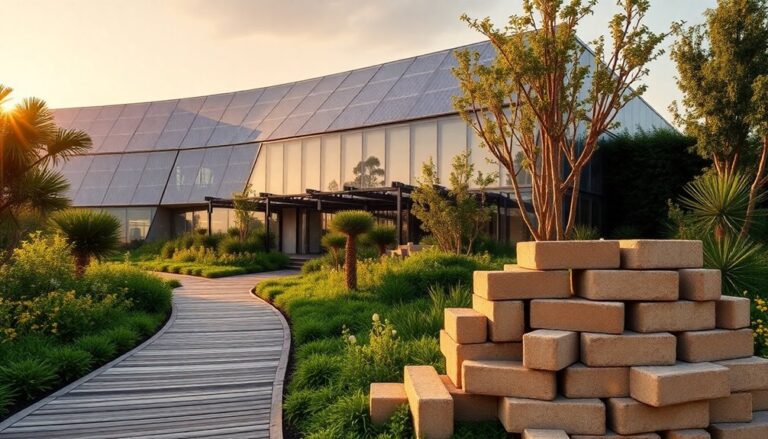
Modular construction showcases impressive flexibility and efficiency, transforming how buildings are designed and built. By utilizing pre-fabricated components produced off-site, it streamlines construction timelines to just 4 to 12 months, much faster than traditional methods. This approach allows for easy reconfiguration of spaces, adapting to changing needs and enhancing overall functionality. Sustainability likewise plays a key role, as modular design reduces waste and incorporates energy-efficient practices. The innovation in architectural aesthetics promotes unique structures. Exploring the potential of modular construction reveals even more exciting possibilities and benefits for the future.
Understanding Modular Construction
Modular construction represents a significant shift in how buildings are designed and assembled. By employing modular systems, architects and builders can create structures that are not just efficient but additionally adaptable to various environments and needs. These systems consist of pre-fabricated components that are manufactured off-site and then transported for quick assembly on-site. This approach streamlines the construction process, allowing for a more controlled environment where quality can be guaranteed.
Understanding modular construction requires a grasp of the underlying design principles. These principles focus on flexibility, scalability, and sustainability. Flexibility allows architects to easily modify designs according to client preferences or changing market demands. Scalability guarantees that projects can expand without significant disruptions, accommodating future growth. Sustainability emphasizes reducing waste and energy consumption, which appeals to increasingly eco-conscious stakeholders.
Furthermore, modular construction facilitates innovation in architectural aesthetics. By breaking traditional barriers, designers can experiment with various configurations and materials, resulting in unique structures that stand out. This capability not just boosts visual appeal but additionally reinforces the strength of modular systems in shaping modern urban environments.
Benefits of Modular Design
Leveraging the advantages of modular design, stakeholders can experience significant improvements in both cost and time efficiency. This innovative approach to construction not only boosts productivity but also introduces a level of flexibility that traditional methods struggle to match. With modular design, projects can adapt to the evolving needs of clients while maintaining an attractive finish that embodies modern modular aesthetics.
Key benefits include:
- Cost Savings: Reduced labor costs and efficient use of materials often lead to significant financial savings.
- Design Versatility: Modular components can be easily reconfigured, allowing designers to create unique spaces that reflect individual styles and preferences.
- Quality Control: Factory-built modules are subjected to rigorous inspections, ensuring a consistently high standard of quality.
- Sustainability: Modular design promotes waste reduction and energy efficiency, aligning with contemporary sustainability goals.
The inherent adaptability of modular design enables stakeholders to navigate fluctuating market demands with ease. By utilizing modular components, they can craft spaces that are not only functional but also visually striking. This design flexibility opens doors to innovative possibilities, enabling the creation of multi-purpose environments customized to specific requirements. In the end, modular design stands as a significant tool for modern construction, offering stakeholders a competitive edge in an increasingly dynamic marketplace. With its blend of efficiency, aesthetics, and versatility, modular design is poised to redefine the future of building.
Speed and Efficiency in Building
In today's fast-paced construction environment, achieving speed and efficiency is vital for project success. Modular construction transforms the traditional building process, greatly shortening construction timelines and optimizing project coordination. By utilizing pre-fabricated components, teams can work on-site and off-site concurrently, minimizing delays and enhancing productivity.
| Aspect | Traditional Construction | Modular Construction |
|---|---|---|
| Construction Timeline | 12-24 months | 4-12 months |
| On-Site Work | 80% | 30% |
| Project Coordination | Complex | Streamlined |
| Cost Efficiency | Moderate | High |
This table illustrates the stark contrast between traditional and modular construction methods. With modular construction, 70% of the project occurs off-site, allowing for precise quality control and reduced exposure to weather-related setbacks. This approach not just accelerates timelines but leads to considerable cost savings.
Moreover, effective project coordination is vital in the modular framework. With clear communication channels and defined roles, teams can swiftly adapt to changes as they maintain momentum. This agility enables project managers to respond to challenges quickly, ensuring that deadlines are met without compromising quality.
In essence, the marriage of speed and efficiency in modular construction positions it as a formidable choice for modern builders. The result? A potent strategy that meets the demands of today's construction environment while paving the way for future innovations.
Flexibility in Space Utilization
With the increasing demand for adaptable living and working spaces, flexibility in space utilization has become a key advantage of modern construction methods. Modular construction offers unparalleled space adaptability, allowing structures to evolve with the needs of their occupants. This design versatility enables businesses and homeowners alike to create environments that reflect their aspirations rather than conforming to rigid architectural norms.
The beauty of modular construction lies in its capacity to deliver customized spaces that can be reconfigured as required. Key benefits include:
- Rapid reconfiguration: Spaces can be transformed quickly to accommodate changing needs, minimizing downtime.
- Cost efficiency: Reducing the need for extensive renovations, modular approaches save both time and money.
- Enhanced functionality: Spaces designed with flexibility in mind promote better use of resources, maximizing utility.
- Future-proofing: Structures can adapt to future technologies or market demands, ensuring longevity and relevance.
In a world where the pace of change accelerates daily, having the ability to modify one's environment stands as a significant edge. Modular construction not only meets current demands but anticipates future needs, making it an influential choice for those looking to lead in their respective fields. With a focus on space adaptability and design versatility, this approach challenges traditional notions of permanence, inviting individuals and organizations to utilize the full potential of their spaces.
Sustainability and Environmental Impact
Modular construction greatly reduces material waste by utilizing prefabricated components that fit together efficiently. This approach not solely improves energy efficiency during the building process but additionally promotes sustainable resource utilization. As a result, the environmental impact of construction projects can be minimized, aligning with modern sustainability goals.
Reduced Material Waste
By embracing modular construction, the industry considerably reduces material waste, contributing to a more sustainable future. This innovative approach focuses on material optimization, ensuring that every component serves a purpose as well as minimizing excess. As a result, construction professionals can channel resources more effectively, leading to significant waste reduction.
Key advantages of reduced material waste in modular construction include:
- Precision manufacturing: Components are fabricated in controlled environments, which improves accuracy and decreases off-cuts.
- Recyclable materials: Modular designs often incorporate sustainable materials that can be reused or recycled, further cutting down on landfill contributions.
- Streamlined logistics: With components pre-manufactured, transportation becomes more efficient, lowering emissions and conserving fuel.
- Shorter project timelines: Modular construction accelerates project delivery, reducing the time materials sit unused on-site, which can lead to deterioration.
As the demand for environmentally responsible construction practices grows, modular construction stands out as an influential solution. By prioritizing material optimization and waste reduction, the industry not only addresses current environmental challenges but likewise paves the way for a greener, more efficient future.
Energy Efficiency Benefits
As the construction industry seeks sustainable solutions, energy efficiency benefits emerge as a crucial advantage of modular construction. This approach not merely accelerates project timelines but furthermore maximizes energy savings. By employing advanced efficiency measures during the design and manufacturing phases, modular buildings can outperform traditional structures in energy consumption.
Prefabrication allows for precise construction, ensuring that insulation and energy systems are integrated seamlessly. This precision minimizes air leaks and thermal bridging, which are often problematic in conventional builds. Furthermore, modular construction can readily incorporate renewable energy technologies, such as solar panels and energy-efficient HVAC systems, right from the outset.
The result? A building that operates at peak efficiency, considerably reducing its carbon footprint. These energy savings translate into lower utility costs for occupants, reinforcing the financial appeal of modular construction.
In a world increasingly focused on sustainability, the energy efficiency benefits of modular construction not merely bolster environmental responsibility but also empower stakeholders to make impactful choices. Utilizing these advantages positions them at the forefront of a movement toward greener building practices, paving the way for a more sustainable future.
Sustainable Resource Utilization
With energy efficiency firmly established, attention shifts to the sustainable resource utilization that modular construction offers. This innovative approach not just improves efficiency but also champions eco-friendly materials and strong resource management. By optimizing construction processes, modular methods minimize waste and maximize resource effectiveness, guaranteeing that every component serves a purpose.
Key aspects of sustainable resource utilization include:
- Reduced Waste: Precision manufacturing leads to less material wastage on site.
- Recyclable Materials: Using eco-friendly materials guarantees buildings can be repurposed at the end of their life cycle.
- Energy-Efficient Production: Factories can operate under controlled conditions, further decreasing energy consumption.
- Longer Lifespans: Durable materials contribute to structures that stand the test of time, reducing the need for replacements.
In this way, modular construction not just meets current building demands but also paves the way for an environmentally responsible future. By prioritizing sustainable resource utilization, industry leaders can wield significant influence over their ecological footprint and set a strong example for others to follow.
Case Studies of Success
Several case studies highlight the success of modular construction in providing innovative housing solutions. These projects not just showcase rapid project delivery but additionally emphasize sustainable design practices that meet modern environmental standards. By examining these examples, one can see how modular construction effectively addresses pressing housing needs.
Innovative Housing Solutions
Innovative housing solutions have emerged as effective responses to the growing demand for affordable and adaptable living spaces. These approaches not only address pressing issues of housing scarcity but also encourage community engagement, empowering residents to shape their environments. Various case studies illustrate the transformative impact of these solutions:
- Modular housing: Streamlined construction methods reduce costs and time, delivering units that meet diverse needs.
- Co-housing models: Communities collaboratively design shared spaces, improving social interaction while lowering living expenses.
- Adaptive reuse: Repurposing existing structures minimizes waste and revitalizes neighborhoods, preserving local culture.
- Sustainable practices: Incorporating green technologies boosts energy efficiency, making homes more affordable in the long run.
These innovative solutions demonstrate that the intersection of affordability and flexibility can lead to stronger, more engaged communities. By prioritizing community involvement, developers can create housing that meets the unique needs of residents. As cities continue to evolve, these case studies serve as influential examples of how to address the housing crisis effectively, ensuring that everyone has access to safe, affordable housing that adapts to their changing lives.
Rapid Project Delivery
Rapid project delivery has transformed the construction environment, enabling housing solutions to materialize in record time. This shift is particularly evident in successful case studies that showcase the strength of modular construction. Companies leveraging this approach have consistently shortened project timelines, allowing them to meet urgent housing demands without compromising quality.
One notable example is a multifamily housing project in a metropolitan area, where modular units were assembled in a factory and transported to the site. This method not only reduced construction time by nearly 50% but likewise facilitated effective cost management. The project came in under budget, proving that rapid delivery can coexist with fiscal discipline.
Another impressive case involved a disaster relief initiative where modular homes were needed swiftly. By utilizing prefabricated components, the team delivered fully functional homes within weeks, demonstrating that speed and efficiency are achievable in high-pressure situations.
These examples underscore the effectiveness of rapid project delivery in the modular construction sector. As demands for housing grow, embracing this approach will enable developers to respond swiftly and strategically, ensuring they remain competitive in a fast-paced market.
Sustainable Design Practices
As the construction industry embraces modular methods for faster project delivery, it similarly increasingly prioritizes sustainable design practices. The shift toward eco-friendly designs isn't merely a trend; it's a significant movement reshaping the environment. Forward-thinking companies are recognizing the substantial advantages of integrating green materials into their projects, enhancing both environmental and economic outcomes.
Consider these successful case studies:
- Prefabricated Housing: Builders are utilizing sustainable materials like bamboo and recycled steel, reducing waste and energy consumption during construction.
- Commercial Spaces: Innovative firms are designing modular offices with energy-efficient systems, resulting in a significant reduction in operational costs.
- Educational Facilities: Schools constructed with eco-friendly designs not only provide a healthier learning environment but also instill sustainability values in students.
- Healthcare Structures: Hospitals utilizing modular methods with green materials see improved patient outcomes and lower environmental impacts.
These examples illustrate how modular construction, combined with sustainable design practices, creates a future where efficiency and environmental responsibility coexist. The path forward is clear: embrace modularity and sustainability for significant, lasting change in the construction industry.
Future Trends in Modular Construction
The terrain of modular construction is evolving, driven by advancements in technology and shifting consumer preferences. As the industry adapts, future technologies are set to redefine modular building processes, making them more efficient and scalable. Innovations such as 3D printing, artificial intelligence, and robotics are poised to improve precision and reduce labor costs, empowering developers to meet the surging market demand for swift and flexible construction solutions.
One prominent trend is the integration of smart technologies into modular units. Homes and commercial buildings equipped with IoT devices will not only optimize energy usage but also raise the user experience. With consumers increasingly prioritizing sustainability and efficiency, modular construction is positioned to cater to these needs, finally amplifying its appeal.
Furthermore, the shift toward off-site construction methods continues to gain momentum. Companies are increasingly recognizing the benefits of factory-built modules, which streamline the construction timeline and mitigate risks associated with weather delays. This approach allows for quicker deployment of structures, aligning perfectly with the urgent demands of urbanization and housing shortages.
Moreover, as modular construction gains acceptance in various sectors, from healthcare to education, its versatility is becoming a game-changer. The ability to easily expand or reconfigure modular spaces allows organizations to adapt swiftly to changing needs, solidifying modular construction's role as a cornerstone in future development strategies. As these trends unfold, those in the industry who embrace innovation will inevitably lead the charge, shaping the future environment of construction.
Overcoming Common Misconceptions
Even though many people associate modular construction with lower quality or temporary structures, this perception is often misguided. The reality is that modular construction has evolved considerably, debunking several misconception myths that hinder its broader acceptance. It delivers robust, high-quality buildings designed to last, often exceeding traditional construction standards.
First, it's vital to understand that modular buildings undergo rigorous quality control during the manufacturing process. This leads to:
- Improved structural integrity.
- Faster construction timelines without compromising quality.
- Eco-friendly practices that utilize sustainable materials.
- Flexibility in design that rivals traditional methods.
Many dismiss modular construction as merely a quick fix or a temporary solution. Nevertheless, the modular realities reveal a different story. These structures are not just durable but also adaptable, allowing for modifications and expansions as needs change. Additionally, the precision of factory construction minimizes waste and reduces environmental impact, making it a smart choice for modern builders.
Furthermore, modular construction can be customized to fit various architectural styles and purposes, from residential homes to commercial spaces. This adaptability challenges the stereotype of bland, cookie-cutter designs often associated with modularity.
Frequently Asked Questions
How Does Modular Construction Compare in Cost to Traditional Building Methods?
Modular construction often proves more cost-efficient than traditional building methods. By utilizing pre-fabricated components, it markedly shortens the construction timeline, allowing projects to finish sooner and reduce labor costs. Builders can save on materials and overhead expenses as well. Although initial investments may seem comparable, the long-term savings and quicker return on investment make modular construction an attractive option for those seeking influence in the competitive real estate market.
Can Modular Buildings Be Relocated Easily if Needed?
In terms of relocating modular buildings, the answer is a resounding yes. With proper site preparation and planning, the relocation logistics can be surprisingly straightforward. These structures are designed for mobility, allowing them to be disassembled and transported with ease. As they're loaded onto trucks and driven away, the potential for a fresh start unfolds, revealing new opportunities and possibilities. Modular buildings empower owners to adapt and thrive, regardless of changing circumstances.
What Materials Are Typically Used in Modular Construction?
In modular construction, builders often use a variety of sustainable materials to improve durability and reduce environmental impact. They typically incorporate steel, concrete, and advanced insulation, which boost energy efficiency. Innovative construction techniques, like prefabrication, allow for quicker assembly and less waste. By prioritizing sustainability, these projects not just meet the demands of modern architecture but likewise empower clients with flexible, resilient structures that adapt to their evolving needs.
Are There Zoning Regulations Specific to Modular Buildings?
Zoning regulations often dictate the destiny of modular buildings. Local laws and zoning restrictions require property developers to secure building permits before construction begins. These permits guarantee compliance with safety standards and community aesthetics. Developers must navigate a maze of legalities, aligning their projects with municipal mandates. Ultimately, comprehension and adhering to these regulations can greatly impact the success of modular projects, empowering builders to create compliant, intriguing constructions that improve their environments.
How Do Modular Units Handle Extreme Weather Conditions?
Modular units excel in handling extreme weather conditions owing to their advanced design. Builders engineer these structures with superior wind resistance, ensuring they withstand high winds without compromising safety. Furthermore, modular units boast improved thermal performance, keeping interiors comfortable in both hot and cold climates. This strategic approach not merely protects inhabitants but likewise reduces energy costs, making modular construction a significant choice for those seeking resilience against the elements.