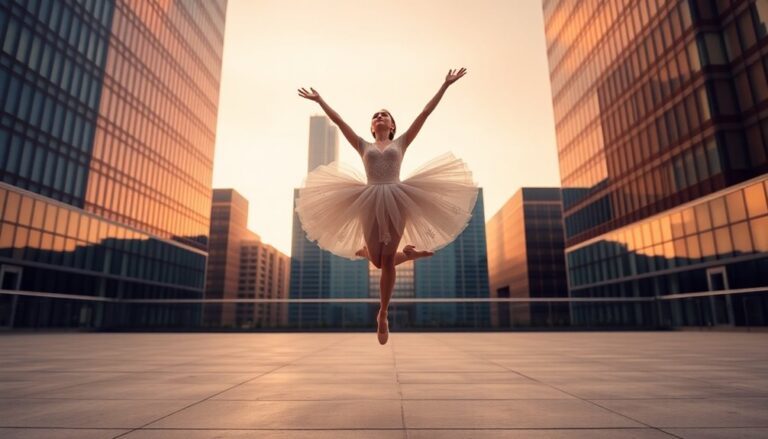
The strategic interplay between light and shadow is a fundamental aspect of design, as it has the ability to evoke emotions, create ambiance, and guide the viewer's attention. By manipulating light and shadow, designers can influence human perception, crafting mood and atmosphere through contrast, texture, and visual hierarchy. From ambient to task lighting, the thoughtful placement of light sources can improve aesthetics and functionality, whereas shadow play techniques add depth and visual interest. As light and shadow interact, they create a dynamic interplay that invites exploration, revealing the intricate intricacies of design.
The Psychology of Light and Shadow
Exploring the intricacies of human perception, the psychology of light and shadow reveals a complex interplay between our emotional responses and the visual cues that surround us. The way we perceive light and shadow greatly influences our emotional response to a given environment or design. This perception influence is rooted in our brain's tendency to associate certain lighting conditions with specific emotions or experiences. For instance, warm lighting often evokes feelings of comfort and relaxation, whereas harsh lighting can induce anxiety or unease.
The emotional response triggered by light and shadow can be further intensified by the context in which they are experienced. A dimly lit room, for example, can create a sense of intimacy and mystery, whereas a well-lit space can convey a sense of openness and energy. The interplay between light and shadow can likewise affect our mood and behavior, with research suggesting that exposure to natural light can boost mood and productivity.
Designers can leverage this psychological insight to create environments that elicit specific emotional responses from users. By carefully manipulating light and shadow, designers can craft spaces that promote relaxation, stimulate creativity, or even instill a sense of awe. This nuanced comprehension of the psychology of light and shadow is crucial for creating designs that resonate with users on a deeper level, ultimately enhancing their overall experience.
Crafting Mood With Contrast
As designers, we have the influence to dramatically alter the ambiance of a space by manipulating the interplay between light and shadow. By skillfully balancing contrast, we can craft a mood that evokes a specific emotional response from occupants. The strategic use of light and shadow can either energize or calm, creating an atmosphere that is conducive to productivity, relaxation, or socialization.
Mood improvement is a critical aspect of design, as it directly impacts the emotional connection people form with a space. By incorporating contrast, designers can create visual interest, guide the eye, and direct attention. The interplay between light and shadow can likewise influence the perceived size and shape of a room, making it feel more spacious or intimate.
Moreover, the emotional response elicited by a well-designed space can have a lasting impact on occupants. A space that is overly bright and lacking in shadow can feel harsh and uninviting, while one that is too dark and dim can feel oppressive. By striking a balance between light and shadow, designers can create an atmosphere that is both functional and emotionally resonant. By comprehending the nuances of contrast, designers can craft a mood that is customized to the specific needs and goals of a space, eventually improving the overall user experience.
Light as a Design Element
| Lighting Type | Effect | Design Application |
|---|---|---|
| Ambient | Soft, general illumination | Creating a sense of calm and relaxation |
| Task | Focused, directional light | Highlighting specific design elements or features |
| Accent | Bright, dramatic light | Drawing attention to particular areas or objects |
In addition to its aesthetic functions, light can likewise be used to improve the functionality of a design. For example, ambient illumination can be used to create a sense of continuity and flow, making it easier for users to navigate a space. By carefully selecting and placing light sources, designers can create a visual hierarchy, guiding the viewer's attention and creating a sense of balance and harmony. By considering light as a design element, designers can create spaces that are not only visually appealing but also functional and engaging.
Shadow in Modern Design Trends
Many modern design trends have come to recognize the significant role that shadow plays in creating visually striking and thought-provoking compositions. By intentionally incorporating shadow into their designs, artists and designers can add depth, texture, and emotion to their work. One of the most effective ways to utilize shadow is through shadow play, where the interplay between light and dark creates dynamic, high-contrast visuals. This technique can be used to draw attention to specific elements, create mood and atmosphere, or even tell a story.
Shadow patterns are another way designers are leveraging the influence of shadow in modern design trends. By carefully controlling the placement and intensity of light sources, designers can create intricate, geometric patterns that add visual interest to a composition. These patterns can additionally be used to create a sense of movement or energy, adding dynamism to an otherwise static design. Moreover, shadow patterns can be used to create a sense of continuity or cohesion, tying together disparate elements within a design.
In both shadow play and shadow patterns, the key to success lies in the thoughtful balance of light and dark. By carefully considering the interplay between these two elements, designers can create visually stunning and emotionally resonant compositions that engage and inspire their audiences. As designers continue to explore the possibilities of shadow in modern design trends, we can expect to see even more innovative and enchanting uses of this formidable design element.
Beyond Visual Balance
The thoughtful balance of light and dark is merely the foundation upon which designers can build more complex and nuanced compositions that transcend visual balance. By moving beyond the mere balance of light and dark, designers can create more sophisticated designs that engage the viewer on multiple levels.
| Design Element | Role in Composition |
|---|---|
| Texture Interplay | Adds depth and tactility to the design, creating a more immersive experience |
| Visual Hierarchy | Guides the viewer's attention through the composition, creating a sense of order and flow |
| Contrast | Improves the visual interest of the design, creating a sense of drama and tension |
Frequently Asked Questions
How Do I Achieve Balance Between Light and Shadow in a Small Space?
To achieve balance between light and shadow in a small space, consider the strategic use of natural lighting, which can create a spatial illusion of expansiveness. Thoughtful furniture arrangement can likewise help distribute light and shadow effectively. Incorporate reflective surfaces to amplify light, whereas texture improvement and color contrast can add depth and visual interest. By striking a balance between light and shadow, a small space can feel more spacious and inviting.
Can Shadows Be Used to Create a Sense of Depth on a 2D Surface?
The age-old quest to deceive the eye! Can shadows really create a sense of depth on a 2D surface? Absolutely! By employing clever shadow layering, designers can conjure a depth illusion, making flat surfaces appear dimensional. Texture improvement and visual hierarchy manipulations further improve the effect. Perspective tricks and contrast dynamics can likewise be used to create an optical illusion, fooling the brain into perceiving depth where none exists. It's a masterclass in visual deception – and we can't get enough of it!
What Is the Impact of Color Temperature on Light and Shadow Interaction?
Color temperature greatly influences light and shadow interaction, eliciting distinct emotional responses and shaping design aesthetics. Warm tones (2700K-3000K) create cozy, inviting atmospheres, whereas cool tones (5000K-6500K) evoke a sense of calmness. In visual hierarchy, warm lighting draws attention, while cool lighting recedes. Color temperature likewise affects spatial perception, with warm lighting appearing more intimate and cool lighting more expansive. By carefully selecting color temperature, designers can craft nuanced lighting effects that improve the overall user experience.
How Can I Use Light and Shadow to Guide User Attention in Design?
To effectively guide user attention in design, it is crucial to create a deliberate visual hierarchy. By strategically employing light and shadow, designers can craft attention pathways that lead users through the composition. Bright areas can draw attention, whereas shadows can create subtle cues, influencing the viewer's gaze. By balancing contrast and subtlety, designers can create an intuitive flow, directing users to key elements and enhancing overall engagement.
Can Light and Shadow Be Used to Create an Immersive Experience?
Can light and shadow be used to create an immersive experience? Certainly, they can. By masterfully manipulating light and shadow, designers can craft immersive environments that evoke emotional responses, alter spatial perception, and even facilitate narrative storytelling. By doing so, they can transport users to new worlds, evoke emotions, and create memorable experiences. This synergy of light and shadow has the strength to engage users on a deeper level, making them an integral component of any immersive design strategy.