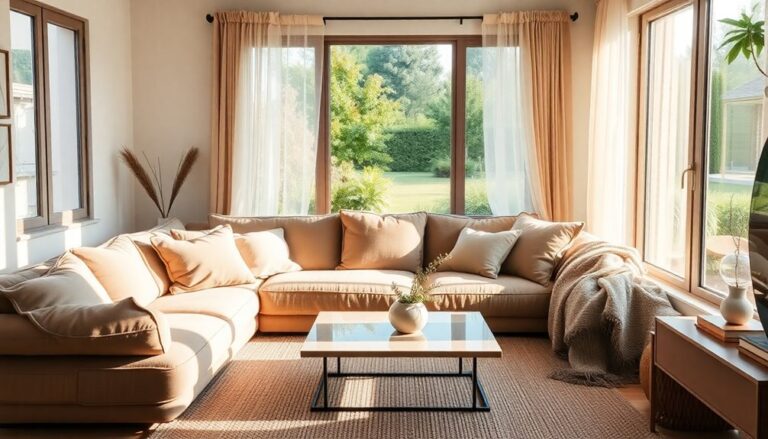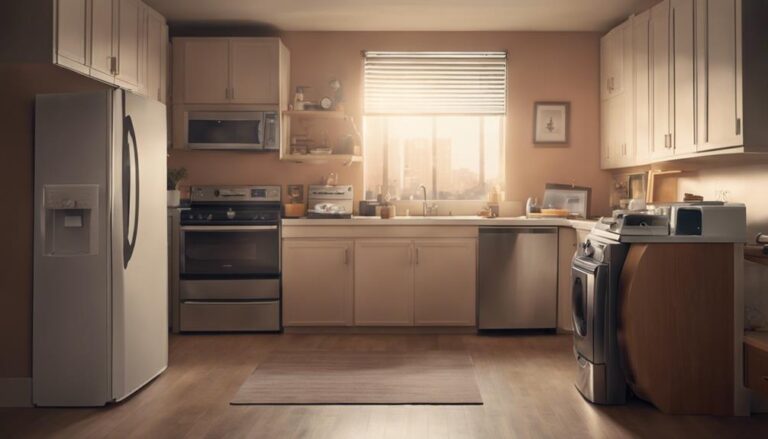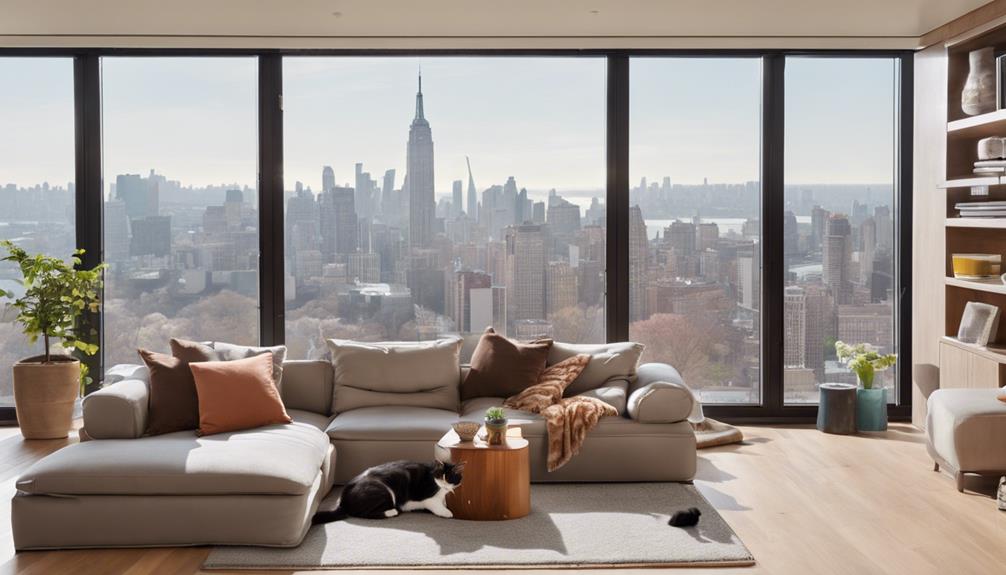

You're about to create a haven for both you and your furry friends! Start by pet-proofing your flooring with durable options like hardwood, tile, or laminate. Choose stain-resistant fabrics, and design a pet station with essentials like food, water, and calming elements. In the kitchen, opt for smooth, easy-to-clean surfaces and pet-safe appliances. Strategically place pet beds in cozy corners, and maximize vertical storage for supplies. As you continue, you'll discover more clever ways to create a harmonious space that welcomes your pets with open arms…
Pet-Proofing Your Flooring Options
When selecting flooring for your pet-friendly home, contemplate options that can withstand scratches, dents, and accidents, as well as those that are easy to clean and maintain. You want a flooring type that can keep up with your pet's energy and antics. Flooring types like hardwood, tile, and laminate are popular choices for pet owners because they're durable and easy to clean.
Pet traffic can be tough on flooring, but some options are more resilient than others. For instance, hardwood flooring is a great option because it's scratch-resistant and can withstand heavy foot (and paw) traffic. Plus, it's easy to clean and maintain. Tile flooring is another great option because it's water-resistant and easy to wipe clean. Laminate flooring is also a great choice because it's affordable and can mimic the look of hardwood or tile.
When evaluating flooring types, think about your pet's lifestyle and habits. If your pet has accidents in the house, you may want to ponder a flooring type that's easy to clean and resistant to water damage. If your pet loves to scratch and dig, you may want to contemplate a flooring type that's scratch-resistant. By selecting the right flooring type, you can create a comfortable and welcoming space for both you and your pet.
Choosing Pet-Friendly Fabrics
When selecting fabrics for your pet-friendly home, you'll want to prioritize stain-resistance and durability. You'll need materials that can withstand accidents, scratches, and constant use. By choosing the right fabrics, you'll save yourself the hassle of frequent cleaning and replacement, and create a cozy space that's perfect for both you and your pets.
Stain-Resistant Materials Matter
You'll want to prioritize stain-resistant materials in your pet-friendly home, especially when it comes to upholstery and fabrics that'll withstand your furry friends' occasional accidents. When it comes to material selection, look for fabrics with built-in stain resistance or treat them with a stain-repellent coating. This will make cleaning up after your pets a whole lot easier. Surface importance is also vital, as it'll help prevent scratches and tears from your pets' claws and playful antics. Consider using synthetic fabrics like polyester or nylon, which are often more resistant to stains and wear and tear than natural fibers. You can also opt for performance fabrics, which are specifically designed to withstand heavy use and are easy to clean. By choosing the right materials, you'll be able to enjoy quality time with your pets without worrying about the state of your furniture.
Fabric Durability Considerations
To guarantee your pet-friendly home stays looking its best, consider fabrics that can withstand the rigors of pet ownership, from snuggles to scratches. When choosing pet-friendly fabrics, it's important to prioritize durability. You want fabrics that can resist scratches, snags, and stains. To make sure you're getting the right fabric, look for ones that have undergone rigorous fabric testing. This testing involves simulating real-life scenarios, such as pet hair shedding, paw scratches, and accidental spills. Material science plays a significant role in developing fabrics that can withstand pet-related wear and tear. By understanding the properties of different materials, manufacturers can create fabrics that are both stylish and durable. For example, synthetic fibers like polyester and nylon are often more resistant to scratches and stains than natural fibers like cotton and wool. When selecting fabrics, consider the specific needs of your pet-friendly home. By choosing fabrics that can keep up with your furry friends, you'll enjoy a beautiful and functional space that welcomes both you and your pets.
Creating a Pet Station
As you create a pet station in your home, you'll want to prioritize the essentials that'll make your pet's zone comfortable and convenient. You'll need to decide what pet zone essentials to include, such as a food and water station, a pet bed, or a litter box. By incorporating clever storage solutions for pet supplies, you'll keep the area organized and make your life easier.
Pet Zone Essentials
By designating a specific area for pet care, you're creating a pet station that streamlines daily routines and keeps essentials within easy reach. This zone should be tailored to your pet's unique needs, providing a sense of comfort and security. Consider incorporating pet calming elements, such as pheromone diffusers or calming music, to create a soothing atmosphere. Establishing important zone boundaries is essential, ensuring that your pet understands where their space begins and ends. This can be achieved through the use of pet gates, screens, or even area rugs that define the pet zone. By doing so, you're creating a sense of belonging for your pet, while also maintaining a sense of order in your home. Within this designated area, you can then focus on providing the necessary essentials, such as food and water bowls, a comfortable bed, and easy access to toys and treats. By thoughtfully designing your pet zone, you're showing your furry friend that they're a valued member of the family.
Pet Supply Storage
You'll need a thoughtful storage system to keep pet supplies organized and within easy reach, ensuring your pet station remains clutter-free and functional. A well-designed supply organization system will save you time and reduce stress. Consider incorporating hidden compartments and cabinets into your pet station design. These can be as simple as a sliding drawer or a lift-top cabinet. This will keep essential supplies, like food, toys, and medication, tucked away yet easily accessible. Labeling each compartment will help you quickly find what you need. You can also utilize vertical space by installing shelves or hooks for leashes, collars, and other accessories. A pegboard with hooks and bins can also be a great addition, providing a designated spot for each item. By keeping your pet supplies organized, you'll create a sense of calm and control, making your pet station a haven for both you and your furry friend.
Designing a Pet-Friendly Kitchen
Since your furry friends often congregate in the kitchen, it's vital to pet-proof this space by incorporating pet-friendly design elements. A well-designed kitchen layout is important in creating a safe and comfortable environment for both you and your pets. Think about a kitchen layout that allows for easy navigation and minimizes tripping hazards. For example, you can opt for a galley-style layout, which provides a clear pathway for you and your pets to move around.
When it comes to appliance selection, choose pet-friendly options that prioritize safety and cleanliness. Look for appliances with smooth, easy-to-clean surfaces that won't harbor pet hair or dander. Additionally, consider appliances with pet-safe features, such as a refrigerator with a magnetic door seal to prevent your curious pets from opening it. You may also want to think about installing a pet-friendly sink, such as a wall-mounted or pedestal sink, which allows for easy cleaning and reduces the risk of water spills.
Pet Bed Placement Strategies
As you're designing your pet-friendly home, you're probably contemplating where to put your furry friend's bed. You'll want to place it in a cozy corner where your pet can relax, but you'll also need to contemplate the flow of traffic in the room. By strategically placing their bed, you can create a comfortable and functional space that works for both you and your pet.
Cozy Corner Placement
Incorporating a cozy corner with a strategically placed pet bed can become the ultimate retreat for your furry friend. It's essential to create a sense of security and comfort for your pet, and a well-designed cozy corner can do just that. When choosing the perfect spot, consider creating a corner nook that provides a sense of seclusion and tranquility. This can be achieved by placing the pet bed in a quiet area, away from high-traffic zones and noisy spaces.
To make the cozy corner even more inviting, consider making it a focal point in the room. Add some plush pillows, a soft blanket, and a few favorite toys to create a sense of warmth and comfort. By doing so, you'll create a space that your pet will adore, and it'll become their go-to spot to relax and unwind. By incorporating a cozy corner with a strategically placed pet bed, you'll provide your furry friend with a sense of belonging and comfort, making them feel like a valued member of the family.
Optimal Traffic Flow
You'll want to position your pet bed in a way that directs traffic flow around it, creating a smooth path for family members to move through the room while allowing your pet to come and go as they please. This thoughtful placement guarantees that everyone, including your furry friend, can move freely and comfortably.
When planning your room layout, consider the circulation paths that your family members will take. You can use the following strategies to optimize traffic flow:
- Create a clear pathway: Leave enough space between the pet bed and surrounding furniture to create a clear path for family members to walk through.
- Use corners wisely: Place the pet bed in a corner, allowing it to blend seamlessly into the room while keeping the main circulation paths clear.
- Define zones: Designate specific areas for your pet's bed, toys, and other essentials, keeping them organized and out of the way of main traffic paths.
Maximizing Vertical Storage Space
By building upward with floor-to-ceiling shelves and storage units, you can create a sense of openness while keeping pet supplies, toys, and accessories neatly tucked away. This approach allows you to maximize your home's vertical space, keeping clutter at bay and creating a sense of calm. With floating shelves, you can display your pet's favorite toys or decorative items, adding a touch of personality to the room.
Ceiling hooks are another great way to utilize vertical space. Hang pet beds, toys, or even a pet swing from the ceiling, keeping them off the floor and out of the way. This not only frees up floor space but also adds a fun, playful touch to the room. When choosing storage units, consider ones with built-in cabinets or drawers to store pet food, treats, and supplies.
Selecting Pet-Safe Building Materials
When designing your pet-friendly home, it's essential to take into account the materials you're using, ensuring they won't harm your furry friends. As a pet owner, you want to create a safe and healthy environment for your pets to thrive. One way to achieve this is by selecting pet-safe building materials.
Material transparency is vital when choosing materials for your pet-friendly home. You want to know what chemicals are used in the production process and how they might affect your pets. Some materials, like certain types of flooring or paints, can emit harmful chemicals that can trigger chemical sensitivity in pets. By opting for materials with high transparency, you can make informed decisions about what's best for your pets.
Here are three pet-safe building materials to consider:
- Natural fiber carpets: Made from natural materials like wool or sisal, these carpets are a great alternative to synthetic carpets that can harbor chemicals.
- Low-VOC paints: Look for paints with low volatile organic compounds (VOCs) to reduce the risk of chemical sensitivity in your pets.
- Bamboo flooring: Bamboo is a sustainable, eco-friendly option that's free from harsh chemicals and toxins.
Incorporating Hidden Litter Boxes
Hidden litter boxes can be a lifesaver for pet owners who value a clean and odor-free living space. As a pet owner, you understand the importance of keeping your home clean and hygienic, while also providing a comfortable and convenient space for your furry friend. Incorporating hidden litter boxes into your home design can be a game-changer.
When it comes to Litter Box Aesthetics, you’ll want to contemplate the overall style and theme of your home. You can choose from a variety of designs, from modern and sleek to rustic and traditional. Look for litter boxes that blend seamlessly into your home decor, providing a discreet solution for pet owners. Incorporating a litter box that complements your aesthetic not only enhances your space but also contributes to a more inviting environment. Consider using furniture-style litter boxes that double as an end table or an accent piece, which can help maintain a clean and organized look. For more guidance, explore cohesive home design tips that will allow you to seamlessly integrate pet essentials into your living area without compromising style.
Discreet Decorations can also play a significant role in hiding litter boxes. Reflect on using decorative screens or room dividers to conceal the litter box area. You can also use plants or decorative storage units to create a visually appealing and functional space. By incorporating hidden litter boxes into your home design, you can create a pet-friendly space that's both functional and stylish.
Designing a Pet Wash Station
As you design your pet-friendly home, incorporating a pet wash station can be a thoughtful and practical addition, allowing you to bathe your furry friend in a dedicated space that's easy to clean and maintain. This convenient feature will make pet care a breeze, and you'll appreciate the ease of cleaning up after messy bath times.
When designing your pet wash station, consider the following essential elements:
- Water Conservation: Install low-flow faucets and showerheads to reduce water waste and save on your utility bills.
- Drainage Systems: Guarantee the station has a proper drainage system to prevent water accumulation and mess.
- Slip-Resistant Flooring: Choose flooring materials that provide traction, such as textured tiles or rubber mats, to prevent slipping hazards for both you and your pet.
Outdoor Spaces for Pets
You'll want to extend your pet-friendly design to the outdoors, creating a safe and enjoyable space for your furry friend to explore and exercise. A well-designed outdoor space can be a haven for your pet, providing a comfortable area for them to relax, play, and get some fresh air. When designing your outdoor space, consider patio landscaping that incorporates pet-friendly features, such as a grassy area for playtime or a designated potty zone.
Providing important shade solutions is also essential, as pets can quickly overheat in direct sunlight. Consider installing a pergola or gazebo to provide a cool, shady spot for your pet to retreat to. You can also incorporate umbrellas or canopies to create a shaded area for outdoor furniture, allowing you to supervise your pet while they play.
In addition to shade, be sure to include a water source, such as a pet-friendly water feature or a dog wash station. This will not only keep your pet hydrated but also provide a fun and engaging way for them to cool off. By incorporating these pet-friendly features into your outdoor design, you'll create a space that's both enjoyable and safe for your furry friend to enjoy. With a little creativity and planning, you can create an outdoor oasis that you and your pet will love spending time in together.
Frequently Asked Questions
How Do I Minimize Pet Dander and Allergens in My Home?
You want to breathe easy in your own home, but pet dander and allergens can make it tough. To minimize them, start by choosing Pet Friendly Flooring like hardwood or tile that's easy to clean. When it comes to fabrics, opt for Dander Reducing Fabrics like microfiber or Crypton that resist pet hair and dander. By making these simple swaps, you'll be well on your way to a more comfortable, allergy-friendly space that's perfect for you and your furry friends.
Can I Use Essential Oils Safely Around My Pets?
"As you ponder the sweet serenity of essential oils, beware of the silent saboteur lurking in the shadows: oil toxicity. When it comes to your furry friends, pet sensitivity is a real concern. While some oils can be calming, others can be toxic. You'll want to steer clear of tea tree oil, for instance, which can cause neurological issues in pets. Always dilute oils, use them in moderation, and consult with a vet before introducing them to your pet's space."
Are There Any Pet-Friendly Air Purification Systems Available?
You're probably wondering if there are air purification systems that are safe for your furry friends. Yes, pet air purifiers are a thing! They're designed to remove pet dander, odors, and allergens from the air. Look for systems with Smart filters that can capture 99.97% of particles as small as 0.3 microns. These pet-friendly air purifiers will help you breathe easy, knowing your pets are safe and healthy.
How Often Should I Clean My Pet's Food and Water Bowls?
You'd be shocked if you knew how quickly germs and bacteria can multiply on your pet's food and water bowls! It's like a petri dish for pathogens! To keep your furry friend healthy, you should clean those bowls daily, yes, daily! Make bowl sanitation a habit, and your pet will thank you. Good pet hygiene starts with sparkling clean bowls, so get scrubbing and keep those germs at bay!
What Are Some Non-Toxic Plants Safe for Pets to Be Around?
You're probably wondering which plants are safe for your furry friends to be around. When it comes to pet-friendly greenery, you'll be relieved to know there are many toxic plant alternatives. Opt for pet-safe options like spider plants, parlor palms, or peace lilies. These non-toxic plants will bring a touch of serenity to your space without putting your pets at risk. By choosing these alternatives, you'll create a haven where your pets can thrive.