
You can start harnessing the ancient art of Feng Shui to balance and harmonize your living space, enhancing your overall well-being and prosperity. To get started, understand the Five Elements – Wood, Fire, Earth, Metal, and Water – and learn how to balance Yin and Yang energies in your home. Map your home's energy flow using the Bagua Energy Map and optimize the Chi flow. Then, apply practical tips like decluttering, choosing auspicious shapes, and wise mirror placement to create a harmonious environment. As you apply these basics, you'll be on your way to tapping into the full potential of Feng Shui in your home – and there's even more to discover.
Understanding the Five Elements
You'll begin by understanding the five elements of Feng Shui, which are Wood, Fire, Earth, Metal, and Water, each representing a different aspect of the natural world. These elements are the foundation of Feng Shui, and understanding their unique energies and properties is essential for creating harmony in your home.
The Wood element represents growth, renewal, and expansion, and is associated with the color green. Fire symbolizes energy, passion, and transformation, and is linked to the color red. Earth embodies stability, nourishment, and grounding, and is connected to the color yellow. Metal represents clarity, precision, and determination, and is tied to the color white. Finally, Water signifies flow, change, and wisdom, and is associated with the color blue.
When these elements are in harmony, they create a balanced and supportive environment. Elemental Harmony is key to achieving this balance, as it allows the natural cycles of nature to flow smoothly. By understanding and respecting these cycles, you can create a space that nurtures and supports your well-being. Nature Cycles, such as the changing seasons, also play a significant role in maintaining harmony. By incorporating these elements and respecting their natural rhythms, you'll be able to create a space that feels welcoming, peaceful, and connected to the natural world.
Balancing Yin and Yang Energies
As you've learned to harness the power of the five elements, it's time to explore the harmonious interplay of yin and yang energies, which are the fundamental forces that shape the world around you. These opposing yet complementary energies are essential for creating balance and harmony in your home.
Yin energy, associated with receptivity and nourishment, is calming, quiet, and passive. It's the energy of rest, relaxation, and rejuvenation. Yang energy, on the other hand, is energetic, active, and expressive. It's the energy of movement, creativity, and growth. To achieve harmony, you need to strike a balance between these two energies.
Here are some tips to help you balance yin and yang energies in your home:
- Create a peaceful atmosphere: Use calming colors, soft lighting, and comfortable textures to create a yin-nourishing environment that promotes relaxation and rejuvenation.
- Express your creativity: Incorporate yang-expressive elements like vibrant colors, bold patterns, and statement pieces to stimulate creativity and energy.
- Find a balance: Combine yin and yang elements in each room to create a harmonious flow of energy. For example, pair a yin-inspired calming wall color with a yang-inspired bold piece of art.
Mapping Your Home's Energy Flow
As you start mapping your home's energy flow, you'll create a visual representation of the energy patterns in your space. You'll use tools like the Bagua Energy Map to identify areas of your life that correspond to different parts of your home. By analyzing the energy in each room, you'll uncover patterns and areas for improvement, and start to see your home in a whole new way.
Bagua Energy Map
By superimposing the Bagua energy map onto your floor plan, you can identify areas of your home that correspond to different aspects of your life, including wealth, relationships, and personal growth. This ancient Chinese philosophy is all about balancing and harmonizing the energy, or "chi," in your living space to improve your overall well-being.
The Bagua energy map is divided into nine energy sectors, each corresponding to a specific area of your life. By allocating space effectively, you can enhance the energy flow in your home and attract positive experiences. Here are three key areas to focus on:
- Wealth and Prosperity: The southeast sector of your home is associated with wealth and prosperity. Placing a water feature, such as a small fountain, in this area can attract abundance and financial success.
- Relationships and Love: The southwest sector is linked to relationships and love. Adding warm, cozy lighting and comfortable seating in this area can foster deeper connections with loved ones.
- Personal Growth and Knowledge: The northeast sector is associated with personal growth and knowledge. Placing a bookshelf or a meditation area in this sector can promote spiritual growth and self-awareness.
Room Energy Analysis
You can map your home's energy flow by analyzing the energy of each room, identifying areas that support or hinder the flow of chi. To do this, you'll need to conduct an energy scan of your space. This involves walking through each room, paying attention to how you feel in each area. Notice where you feel comfortable, energized, or relaxed, and where you feel stagnant, anxious, or uneasy. Take note of any areas where you feel stuck or resistant to change.
Next, conduct a space reading by observing the physical environment of each room. Look for clutter, blocked pathways, or areas with poor lighting. Consider the colors, textures, and shapes of the furniture and decor. Are there any areas where the energy feels heavy or stagnant? Are there any areas that feel uplifting or inspiring? By combining your energy scan with your space reading, you'll gain a deeper understanding of your home's energy flow and identify areas that need attention. This insight will help you create a more harmonious and supportive living space that nurtures your well-being and sense of belonging.
Chi Flow Patterns
To map your home's energy flow, identify the patterns of chi flow by tracing the path it takes as it enters, circulates, and exits each room. This will help you understand how energy waves flow through your space, creating a sense of harmony and balance. By doing so, you'll be able to spot areas where the energy is stagnant or blocked, allowing you to take corrective measures.
Here are some key aspects to take note of when mapping your home's chi flow:
- Air Movement: Pay attention to how air moves through your home. Does it flow freely or get stuck in certain areas? Make sure that air can circulate easily by removing obstacles and placing furniture in a way that promotes airflow.
- Energy Waves: Observe how energy waves flow through your home. Do they move freely or get disrupted by clutter or structural obstacles? Identify areas where energy waves are blocked and take steps to clear the path.
- Room Connections: Think about how each room connects to the others. Are there any areas where energy flow is restricted or blocked? Make adjustments to create a smooth flow of energy between rooms.
Commanding Position for Success
Placing your furniture in a commanding position, where you have a clear view of the door but are not directly in line with it, sets you up for success and stability in your life. This powerful positioning allows you to feel safe, secure, and in control, which can have a profound impact on your overall well-being and sense of belonging.
When arranging your furniture, consider the following guidelines to optimize your commanding position:
| Corner Placement | Seat Arrangement | Benefits |
|---|---|---|
| Away from sharp corners | With your back to a solid wall | Increases feelings of safety and stability |
| Near a solid wall | Facing the door, but not directly in line | Enhances sense of control and confidence |
| Avoiding direct lines of sight | With a clear view of the door | Promotes a sense of calm and clarity |
Decluttering for Better Chi
Cluttered spaces disrupt the flow of chi, making it difficult to achieve the sense of calm and control that comes with a commanding position, so it's time to clear out the clutter and let the positive energy flow. Clutter stress can weigh heavily on your mind and emotions, making it hard to relax and feel at peace in your own home. By decluttering, you're not only creating a more organized and peaceful space, but you're also allowing the energy to flow freely, promoting a sense of calm and control.
Here are three simple steps to get you started:
- Start small: Begin with one area or room at a time to avoid feeling overwhelmed. This will help you focus your efforts and see progress more quickly.
- Sort and categorize: Divide items into three piles: keep, donate/sell, and discard. Be honest with yourself about each item – when was the last time you used it, and do you truly need it?
- Create a maintenance routine: Set aside time each week to maintain your newly organized space. This can be as simple as tidying up for 10 minutes a day or dedicating an hour on the weekend to keeping your space organized.
Selecting Harmonious Colors
By choosing colors that harmonize with your energy and surroundings, you can create a visually appealing and balanced atmosphere in your home. Color Psychology plays a significant role in Feng Shui, as different hues can evoke distinct emotional responses. When selecting colors, consider your Personal Taste and the Cultural Significance of each shade. For instance, while white is often associated with purity in Western cultures, it's a symbol of mourning in many Asian cultures.
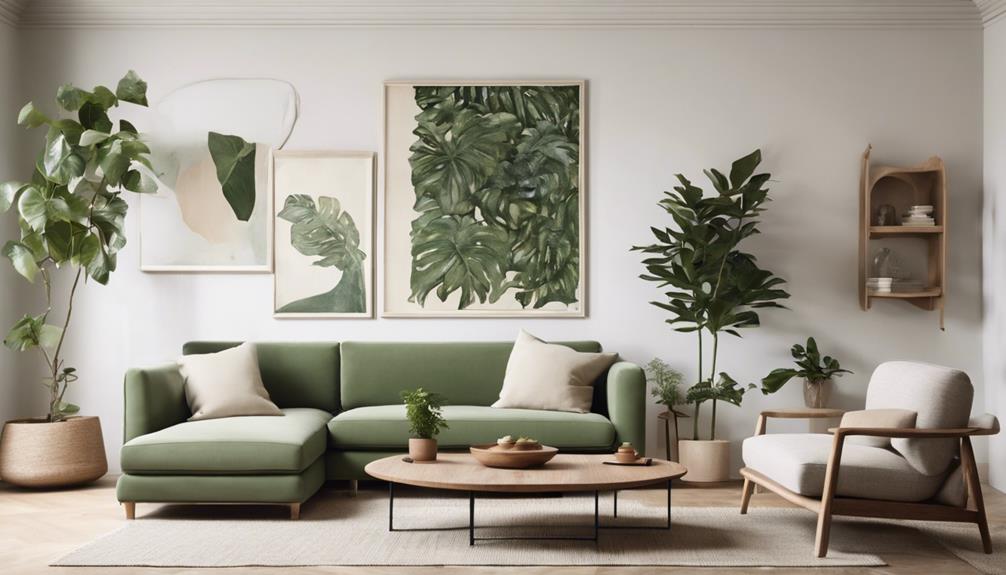
To achieve Aesthetic Harmony, draw inspiration from Nature. Earthy tones like sage green and sandy beige can bring a sense of calmness, while vibrant shades like coral and turquoise can inject energy into a space. Consider the Natural Inspiration of your surroundings, such as the colors of the landscape or the hues of a beautiful sunset.
Choosing Auspicious Shapes
As you arrange your furniture and decor, you're creating a symphony of shapes that can either harmonize or clash with your energy. You'll want to balance pointed, angular forms with curved lines that soften the space and promote flow. Now, let's explore how to strike this balance and create a harmonious environment that supports your well-being.
Balancing Energy Forms
When selecting shapes for your home, choose auspicious forms that balance and harmonize the energy, like circular or oval shapes that promote unity and stability. These shapes create a sense of energy harmony, which is essential for a peaceful and calming living space.
To achieve form balance, consider the following:
- Avoid sharp angles: Sharp angles can create a sense of tension and disrupt the energy flow. Instead, opt for rounded edges or curved lines that promote a smooth flow of energy.
- Incorporate soft curves: Soft curves can help to soften the energy and create a sense of calm. Use them in furniture, decor, or architectural features.
- Balance geometric shapes: Mix geometric shapes like squares, triangles, and circles to create a balanced and harmonious energy. This balance will help you feel more grounded and connected to your space.
Curved Lines Matter
You'll create a more harmonious environment by incorporating curved lines and auspicious shapes into your home's design, as they can greatly impact the flow of energy. Curved lines promote a natural flow of energy, creating a sense of calm and serenity in your space. By incorporating soft furniture with rounded edges, you'll create smooth shifts between areas, allowing energy to flow smoothly. Round accents, such as circular vases or decorative mirrors, can also enhance the natural flow of energy.
Incorporating curved lines and auspicious shapes can also create a sense of belonging and harmony in your home. For example, a curved staircase can create a sense of flow and connection between floors. Additionally, rounded shapes can soften the harshness of rectangular rooms, creating a more welcoming atmosphere. By incorporating these design elements, you can create a space that feels nurturing and supportive, promoting a sense of well-being and relaxation.
Square Shapes Calm
Square shapes, particularly in furniture and decor, can calm the energy in a room by creating a sense of stability and structure. This is especially important in areas where you want to feel grounded and relaxed, like your bedroom or living room. By incorporating square shapes into your decor, you can create a sense of calm architecture that promotes serenity and peacefulness.
Here are three ways to incorporate square shapes into your space:
- Square Coffee Tables: Replace round coffee tables with square ones to create a sense of stability and structure in your living room.
- Square Pillows: Add square pillows to your sofa or armchair to create a sense of calm and serenity.
- Square Artwork: Hang square-shaped artwork or frames on your walls to create a sense of balance and harmony.
Placing Mirrors Wisely
Mirrors can either enhance or disrupt the energy in your home, depending on their strategic placement. When used correctly, mirrors can amplify the positive energy in a room, making it feel more spacious and inviting. However, if placed carelessly, mirrors can create negative energy, making you feel uneasy or anxious.
To get it right, consider the following mirror placement tips:
| Mirror Placement | Reflection Angles | Energy Outcome |
|---|---|---|
| Across from a door | Directly at the entrance | Expands energy, welcomes positivity |
| Opposite a window | Reflects natural light | Enhances brightness, uplifts mood |
| Above a fireplace | Reflects warmth, coziness | Amplifies comfort, relaxation |
When placing mirrors, remember to:
** Avoid placing mirrors directly across from a door, as this can push positive energy away.
**Refrain from placing mirrors in a way that creates a "mirror tunnel" effect, which can create anxiety.
- Experiment with different angles to find the perfect reflection that enhances the energy in your space.
Minimizing Negative Energy Sources
Now that you've optimized your mirror placement, it's time to tackle the flip side: identifying and minimizing negative energy sources that can disrupt the harmony you're trying to create. As you work to create a peaceful and balanced living space, it's essential to eliminate or reduce elements that can drain your energy and hinder your well-being.
Here are three key areas to focus on:
- Toxic materials and electromagnetic fields: Be mindful of the materials used in your home, avoiding those that release harmful chemicals or electromagnetic fields. Opt for natural, non-toxic alternatives, and consider using devices that block or reduce EMFs.
- Cluttered closets and stale air: Clear out cluttered closets and storage spaces, as stagnant energy can accumulate in these areas. Ensure good air circulation by opening windows, using air purifiers, or incorporating plants that purify the air.
- Negative thoughts and incomplete tasks: Recognize that your thoughts and emotions can impact the energy in your home. Practice mindfulness, and tackle tasks that have been lingering, as incomplete tasks can weigh heavily on your mind and create stagnation.
Simple Feng Shui Tips for Beginners
By applying a few simple Feng Shui principles, you can start to transform your living space into a haven of calm and energy. As a beginner, it's essential to start with the basics, and that's where Feng Shui 101 comes in. This ancient practice is all about creating harmony and balance in your environment, and it's easier than you think to get started.
First, take a closer look at the layout of your home. Identify areas that feel stagnant or cluttered, and make a plan to declutter and organize those spaces. This will help energy flow more freely throughout your home. Next, consider the colors and textures you use in each room. Cool colors like blue and green can promote relaxation, while warm colors like orange and red can stimulate energy. Additionally, pay attention to the lighting in your home; natural light can greatly enhance the atmosphere of a space. When selecting window treatments, consider options that allow ample sunlight to filter through while still providing privacy. For more tailored guidance, look into various tips for choosing window treatments that can complement your decor and improve the overall flow of energy in your home.
Incorporating daily rituals into your routine can also make a big impact. Try starting each day by lighting a candle or burning incense to purify the air and set a positive tone. You can also take a few minutes each morning to meditate or practice deep breathing exercises to center yourself. By incorporating these simple practices into your daily routine, you'll start to notice a shift in the energy of your home and a sense of calm and belonging that comes with it. Remember, the key to Feng Shui is to make it your own and have fun with it!
Frequently Asked Questions
Can I Apply Feng Shui Principles to a Rented Space or Apartment?
The freedom to decorate as you please – a luxury not often afforded to renters, right? But fear not, friend! You can still apply feng shui principles to your rented space. Just focus on temporary decor that won't leave a mark (or require permission from your landlord). Use rental-friendly tweaks like rearranging furniture, adding plants, and incorporating calming colors to create a harmonious space that feels like home – even if it's not entirely yours.
How Often Should I Re-Arrange My Furniture for Optimal Energy Flow?
You're wondering how often to re-arrange your furniture for best energy flow. Here's the thing: it's all about listening to your space. When you feel stagnant or stuck, it's time for a Space Revamp. Try rearranging your furniture every 2-3 months to create an Energy Shift. This will keep your space feeling fresh and revitalized, allowing you to connect with your surroundings on a deeper level. Trust your instincts, and don't be afraid to mix things up – your space will thank you!
Are There Any Feng Shui Considerations for People With Disabilities?
Did you know that 1 in 4 adults in the US lives with a disability? When it comes to creating a harmonious space, accessibility is key. You'll want to incorporate accessible design principles, like wide pathways and adaptable storage, to guarantee ease of movement. By designing adaptive spaces, you're not only promoting independence but also fostering a sense of belonging. As you arrange your furniture, prioritize flow and functionality, securing everyone can navigate your space with ease.
Can I Use Feng Shui to Improve My Romantic Relationships?
You're wondering if feng shui can spark romance in your life? Absolutely! Focus on nurturing your Love Energies by balancing your Heart Chakras. Place a rose quartz or pink candle in the southwest area of your space to attract loving vibes. You'll start to feel more open, receptive, and loving. As you harmonize your energy, you'll become a magnet for positive, loving relationships. Give it a try and watch your love life blossom!
Is It Necessary to Consult a Feng Shui Expert or Can I Do It Myself?
You're wondering if you need a Feng Shui expert or can DIY it? You can definitely take matters into your own hands! With online resources and personal guidance, you can learn to balance your energy and attract love. Websites, books, and videos offer valuable insights, and you can even consult with an expert for personalized advice. So, take the reins and get started – you've got this!