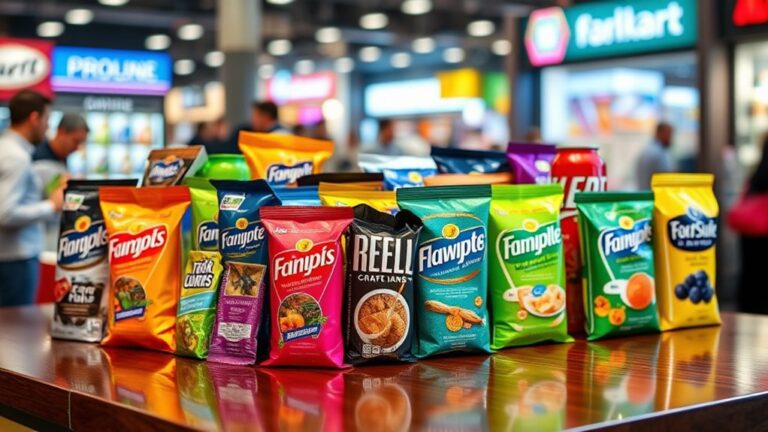
When creating packaging that tells a brand's story, it's essential to know the target audience and define the brand's identity, values, and mission. By incorporating storytelling elements, brands can evoke emotions and build loyalty. Utilizing brand heritage, sensory language, and personal touches can make the packaging more relatable and engaging. Authenticity and transparency are also important, as they build trust and credibility. By balancing form and function, choosing the right materials, and prioritizing aesthetics, brands can create packaging that truly communicates their story. As they explore these strategies, they'll discover the secrets to crafting a narrative that resonates with customers.
Know Your Target Audience
To develop effective packaging that resonates with customers, companies must first identify and understand their target audience's demographics, preferences, and behaviors. This is where market research comes into play. By conducting thorough market research, companies can gather valuable insights into their target audience's needs, wants, and pain points. This information can then be used to create detailed customer personas, which are essential for developing packaging that truly speaks to customers.
Customer personas are fictional representations of ideal customers, based on real data and research. They provide a deep understanding of the target audience's values, goals, and motivations. By creating customer personas, companies can tailor their packaging to meet the specific needs of their target audience. For instance, if a company's target audience is eco-conscious millennials, their packaging might feature sustainable materials and minimal waste. On the other hand, if the target audience is busy professionals, the packaging might prioritize convenience and ease of use.
Define Your Brand Identity
She begins to define her brand identity by pinpointing the core values that set her brand apart, as these values will serve as the foundation of her brand's personality. Next, she focuses on crafting a visual identity that accurately represents her brand's message and resonates with her target audience. By establishing a strong brand identity, she can create packaging that tells a cohesive story and builds a lasting connection with customers.
Core Values Matter
A brand's core values serve as its moral compass, guiding every interaction, decision, and communication that ultimately shapes its identity. These values are the foundation upon which a brand's legacy is built, and they play an essential role in creating a strong cultural alignment with its audience. By defining and living its core values, a brand can establish a sense of authenticity and trust with its customers.
| Core Value | Description | Impact |
|---|---|---|
| Sustainability | Commitment to environmental responsibility | Builds trust with eco-conscious consumers |
| Innovation | Emphasis on creative problem-solving | Drives product development and differentiation |
| Community | Focus on social responsibility and engagement | Fosters brand loyalty and advocacy |
| Excellence | Pursuit of exceptional quality and performance | Establishes credibility and prestige |
Visual Identity Counts
Its visual identity serves as the face of a brand, conveying its personality, values, and mission through a consistent and cohesive visual language. A well-defined visual identity is vital in building brand recognition, trust, and loyalty. It's what sets a brand apart from its competitors and makes it memorable. A strong visual identity is not just about aesthetics; it's about communicating a brand's values, mission, and personality.
Consistency is key in visual identity. It's essential to make sure that all visual elements, including logos, typography, color schemes, and imagery, align with the brand's message and values. A brand's visual identity should be adaptable, yet consistent, across all touchpoints, from packaging to digital platforms. When a brand undergoes a transformation, a Logo Evolution or Brand Revamp can be an effective way to refresh its visual identity. By refining its visual language, a brand can rejuvenate its image, appeal to new audiences, and stay relevant in a rapidly changing market. By investing in a strong visual identity, brands can harness their full potential and leave a lasting impression on their customers.
Create Emotional Connections
Effective packaging design taps into consumers' emotions by incorporating storytelling elements that resonate with their personal values and experiences. It's not just about showcasing a product's features; it's about creating an emotional connection that drives loyalty and advocacy. To achieve this, brands must understand their target audience on a deeper level, going beyond demographics to uncover their motivations, desires, and pain points.
Empathy mapping is a powerful tool in this pursuit, allowing brands to walk in their customers' shoes and identify areas where they can show empathy and understanding. By doing so, they can craft heartfelt gestures that speak directly to their audience's emotions. This might be as simple as using eco-friendly packaging that aligns with their values or incorporating a personalized message that shows they care.
To create emotional connections through packaging, brands should:
- Use sensory language to evoke feelings and emotions, such as using descriptive words to paint a vivid picture of the product's benefits.
- Incorporate personal touches, like handwritten notes or customized packaging, to make the customer feel seen and appreciated.
- Tell a story, whether through imagery, typography, or color, that resonates with the customer's values and experiences.
Unpack Your Brand Heritage
Brands regularly tap into their rich history to craft a unique narrative that sets them apart from competitors and fosters a deep sense of loyalty among customers. By doing so, they’re able to create an emotional connection with their audience, build trust, and establish a sense of authenticity. When it comes to packaging, brands can effectively communicate their heritage through design elements, imagery, and messaging that reflect their legacy roots. This approach allows companies to reinforce their identity while resonating with both longtime customers and new audiences. By incorporating traditional motifs, historical color schemes, or nostalgic typography, they can create packaging that reflects brand values and tells a compelling story. Thoughtfully designed packaging not only enhances shelf appeal but also strengthens the emotional bond between the brand and its consumers.
A family legacy, for instance, can be showcased through vintage-inspired designs, nostalgic imagery, or storytelling that highlights the brand's history and milestones. This approach not only humanizes the brand but also creates a sense of continuity and tradition. By highlighting their heritage, brands can differentiate themselves in a crowded market and appeal to customers who value tradition and authenticity.
Moreover, brands can leverage their heritage to communicate their values and mission. By sharing their story, they can demonstrate their commitment to quality, innovation, or social responsibility, which can lead to increased brand loyalty and advocacy. By unpacking their brand heritage, companies can create a compelling narrative that resonates with their target audience and sets them apart from competitors.
Use Storytelling Elements
By incorporating storytelling elements, companies can bring their brand heritage to life, making it more relatable and memorable to their target audience. This approach allows brands to tap into the emotional connection people have with stories, making their packaging more engaging and shareable.
To craft a compelling narrative, companies can draw from timeless storytelling techniques. For instance, they can leverage:
- Mythic archetypes: By associating their brand with universal symbols and characters, companies can tap into the collective unconscious, making their message more resonant and memorable.
- Character arcs: By creating a narrative around a protagonist's journey, companies can create an emotional connection with their audience, making their brand more relatable and human.
- Authenticity: By sharing their brand's true story, companies can build trust and credibility with their audience, making their packaging more believable and persuasive.
Leverage Color Psychology
Color, a powerful emotional trigger, plays a significant role in shaping consumer perceptions and behaviors. Brands can leverage color psychology to evoke emotions, convey values, and create lasting impressions. By selecting colors that align with their brand identity, companies can influence consumer attitudes and drive purchasing decisions.
| Color | Brand Emotions | Color Trends |
|---|---|---|
| Red | Energy, Passion | Bold, Attention-Grabbing |
| Blue | Trust, Loyalty | Calming, Professional |
| Green | Nature, Growth | Fresh, Eco-Friendly |
| Yellow | Happiness, Optimism | Vibrant, Youthful |
| Purple | Luxury, Creativity | Rich, Sophisticated |
When it comes to packaging, color psychology can make or break a brand's message. For instance, a brand that wants to convey a sense of eco-friendliness may opt for shades of green, while a luxury brand may choose purple to evoke feelings of sophistication. By understanding the emotional connotations of different colors, brands can create packaging that resonates with their target audience and sets them apart from competitors. By staying on top of color trends, brands can also guarantee their packaging remains fresh and relevant. By leveraging color psychology, brands can create packaging that not only tells their story but also evokes emotions, builds connections, and drives sales.
Choose Materials Wisely
Packaging materials play an essential role in reinforcing a brand's message, as the tactile experience and environmental implications of materials can either support or contradict the brand's story. The choice of materials can make or break the brand's narrative, and it's crucial to select ones that align with the brand's values and messaging.
When choosing materials, brands should consider the following key factors:
- Eco-friendliness: Opt for eco-friendly options that minimize environmental impact, such as biodegradable or recyclable materials. This not only reduces waste but also appeals to the growing demographic of environmentally conscious consumers.
- Material innovation: Stay ahead of the curve by incorporating cutting-edge materials that offer unique benefits, such as sustainable sourcing or improved durability. This illustrates a commitment to innovation and forward thinking.
- Sensory experience: Select materials that provide a tactile experience that resonates with the brand's message, such as textured paper or smooth glass. This creates an emotional connection with the consumer, making the brand more memorable and desirable.
Balance Form and Function
When designing packaging, they must strike a balance between aesthetics and utility, ensuring that the form of the package serves the function it's intended to perform. This importance is pivotal, as it directly impacts the consumer's experience and perception of the brand. By streamlining structure and flow, they can create packaging that's both visually appealing and functional.
Harmonize Aesthetics and Utility
Designers must strike a delicate balance between aesthetics and utility to create packaging that not only captures the consumer's attention but also serves its purpose. This harmonization of form and function is vital in creating packaging that tells a brand's story. Aesthetics alone may grab attention, but without utility, the packaging falls short of its purpose. Similarly, utility without aesthetics can result in a lackluster design that fails to resonate with consumers.
To achieve design balance, designers should consider the following:
- Functional Beauty: Make sure that the packaging's aesthetic appeal is rooted in its functional design, making it both visually appealing and user-friendly.
- Streamlined Shapes: Opt for shapes that not only look good but also serve a purpose, such as easy handling or storage.
- Intuitive Interaction: Design packaging that is easy to open, close, and use, making the consumer's experience seamless and enjoyable.
Streamline Structure and Flow
By integrating functional beauty, streamlined shapes, and intuitive interaction, brands can now focus on streamlining structure and flow to achieve a harmonious balance of form and function. This is where design hierarchy comes into play, as it enables brands to prioritize key messaging and visuals, creating a clear visual flow that guides the consumer's eye. A well-executed design hierarchy guarantees that the most important information stands out, while secondary details recede into the background. Information architecture plays a pivotal role in this process, as it involves organizing and structuring content in a logical and intuitive manner. By doing so, brands can create a seamless user experience that effortlessly communicates their brand story. Streamlining structure and flow also involves eliminating clutter and unnecessary elements, allowing the packaging to breathe and the brand's message to shine through. The result is a packaging design that is both beautiful and functional, effectively telling the brand's story while driving consumer engagement.
Make It Instagrammable
Clever brands recognize that Instagram-worthy packaging is a key element in stopping thumbs and sparking conversations. In today's visually-driven world, packaging that's both functional and aesthetically pleasing can make all the difference in building brand awareness and driving engagement. To create packaging that's truly Instagrammable, brands should focus on crafting an immersive brand experience that combines aesthetic appeal with visual drama.
Here are three key strategies to help brands make their packaging Instagram-worthy:
- Bold Color Schemes: Use vibrant, attention-grabbing colors that pop against a sea of sameness. Bold colors can add visual drama and create an instant emotional connection with customers.
- Unique Textures and Finishes: Incorporate unique textures and finishes that invite customers to touch, feel, and explore. This tactile experience can create a lasting impression and make packaging more memorable.
- Minimal yet Impactful Design: Strike a balance between simplicity and visual interest. Use clean lines, bold typography, and strategic negative space to create a design that's both modern and sophisticated.
Add a Personal Touch
When it comes to adding a personal touch to packaging, brands can make a significant impact by incorporating unique and humanizing elements. They're finding that including handwritten notes, for instance, can create a sense of connection with customers. By doing so, brands can differentiate themselves and make their packaging truly unforgettable.
Handwritten Notes Matter
In today's digital age, a handwritten note can be a rejuvenating break from the sea of impersonal emails and automated messages that flood customers' inboxes. It's a tangible representation of a brand's commitment to fostering human connection and personalization efforts. When a customer receives a handwritten note, they feel seen, heard, and valued. This personal touch can be a game-changer in building brand loyalty and driving customer retention.
Here are three ways handwritten notes can elevate a brand's packaging:
- Authenticity: Handwritten notes convey a sense of authenticity and sincerity, helping to establish trust between the brand and the customer.
- Emotional Connection: A handwritten note can evoke emotions, creating a deeper connection between the customer and the brand.
- Unique Experience: Handwritten notes offer a unique experience that sets a brand apart from its competitors, making it more memorable and shareable.
Unique Visuals Stand Out
In addition, vibrant visuals inject a personal touch into packaging, allowing brands to express their personality and values through carefully curated design elements that capture customers' attention. Unique visuals stand out in a crowded market, making a brand's packaging unforgettable. To achieve this, brands can incorporate bold typography, which adds a level of sophistication and confidence to the design. Vibrant patterns, on the other hand, can add a touch of playfulness and whimsy, making the packaging more engaging and shareable. By combining these elements, brands can create a visual identity that's both attention-grabbing and memorable. Furthermore, unique visuals can also help to convey a brand's values and personality, allowing customers to connect with the brand on a deeper level. By investing in unique visuals, brands can differentiate themselves from the competition and build a loyal customer base.
Be Authentic and Transparent
By embracing authenticity and transparency in their packaging, brands can build trust with their customers and create a loyal following. This is especially important in today's market, where consumers are increasingly wary of corporate motives and keen to support brands that share their values. When brands are honest and open about their practices, ingredients, and mission, they demonstrate a commitment to integrity that resonates with customers.
Here are three ways brands can incorporate authenticity and transparency into their packaging:
- Clearly label ingredients and materials: Provide detailed information about what's inside the product, including sourcing and manufacturing processes. This helps customers make informed decisions and builds trust in the brand.
- Share the brand's story and mission: Use packaging as an opportunity to communicate the brand's values, history, and goals. This helps customers connect emotionally with the brand and feel invested in its success.
- Highlight certifications and credentials: Display any relevant certifications, such as organic or fair trade, to demonstrate a commitment to sustainability and social responsibility.
Measure and Refine Impact
More than 75% of consumers consider a brand's social and environmental impact when deciding what to buy, making it vital for companies to regularly measure and refine their effects on the planet and its inhabitants. This underscores the importance of tracking and evaluating a brand's impact metrics to guarantee they're meeting their sustainability goals. By doing so, companies can identify areas for improvement, optimize their operations, and make informed decisions that drive positive change.
Data analysis plays an essential role in measuring a brand's impact. By collecting and analyzing data on energy consumption, water usage, waste reduction, and other key performance indicators, companies can gain valuable insights into their environmental footprint. This data can then be used to refine their sustainability strategies, set realistic targets, and develop actionable plans to reduce their impact. Additionally, transparency is key, and brands should be willing to share their impact metrics and progress with their stakeholders, demonstrating their commitment to sustainability and accountability.
Frequently Asked Questions
How Often Should I Update My Packaging to Stay Relevant?
Like a chameleon shedding its skin, a brand must adapt to stay vibrant. She should update her packaging regularly to avoid stagnation. A seasonal refresh every 3-6 months keeps her brand looking fresh and on-trend. Meanwhile, trend tracking helps her stay ahead of the curve, ensuring her packaging remains relevant and engaging. By doing so, she'll maintain a strong presence in the market, always one step ahead of the competition.
Can I Use Humor in Packaging to Connect With Audiences?
She knows humor can be a powerful tool in connecting with audiences. Using punny labels and witty tags can instantly make her brand more relatable and memorable. By incorporating humor, she can break the ice and create an emotional connection with customers. It's a clever way to stand out on crowded shelves and build brand loyalty. When done right, humor can be a game-changer, making her brand the life of the party.
Are There Any Eco-Friendly Packaging Options That Are Cost-Effective?
While luxury brands flaunt their extravagant packaging, eco-conscious consumers are crying out for sustainable solutions. Fortunately, it's no longer a costly affair. Eco-friendly packaging options are becoming increasingly cost-effective, thanks to innovations in biodegradable materials and sustainable sourcing. Brands can now reduce their carbon footprint without breaking the bank, appealing to the growing demographic of environmentally aware shoppers who demand more from the products they buy.
How Do I Ensure Packaging Consistency Across All Products?
She maintains packaging consistency by establishing clear Brand Guidelines that outline visual identity, tone, and messaging. These guidelines serve as a foundation for Design Templates, which are tailored to each product type. By using these templates, she maintains cohesion across all products, guaranteeing a unified brand image. This streamlined approach saves time and reduces errors, allowing her to focus on what matters most – growing her brand.
Can I Use Customer Testimonials on Packaging for Social Proof?
Can customer testimonials on packaging really drive sales? Research suggests yes, as they provide authentic feedback that resonates with potential buyers. By showcasing real users' experiences, brands can tap into the power of social proof. Visual storytelling on packaging can make this strategy even more effective, allowing customers to quickly scan and absorb the message. It's a powerful way to build trust and credibility, ultimately driving conversions and loyalty.