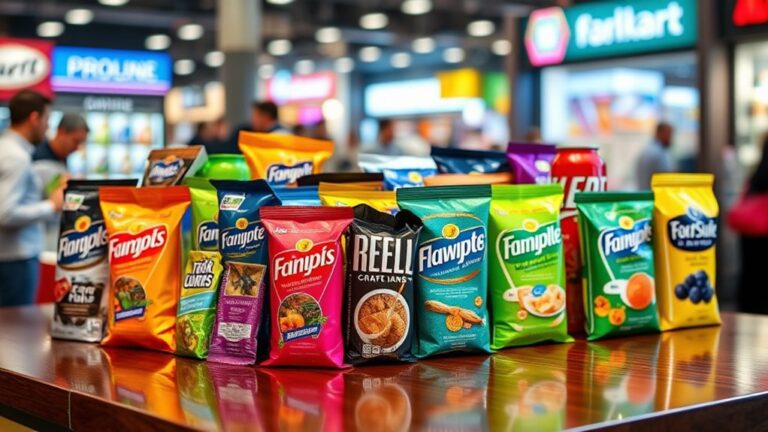
Small businesses can discover new ways to surprise and delight their customers with creative packaging ideas that go beyond functionality. Unconventional materials like recycled paper, fabric, or bamboo can set them apart and resonate with eco-friendly customers. Seasonal and limited-edition designs can create urgency and exclusivity, while customizable packaging for events can leave a lasting impression. Minimalist chic on a budget can convey sophistication without breaking the bank. With innovative shapes, structures, and storytelling through visuals and copy, small businesses can build strong brand identities and connections with customers. By exploring these ideas, small businesses can reveal fresh ways to surprise and delight their customers.
Unconventional Materials and Textures
Small business owners can think outside the box by incorporating unconventional materials and textures into their packaging, such as recycled paper, fabric, or even natural elements like leaves or twigs. This approach not only sets them apart from the competition but also resonates with customers who value sustainability and uniqueness. For instance, bamboo wraps can add an earthy touch to product packaging, while velvet pouches can exude luxury and sophistication.
By experimenting with unconventional materials, small business owners can create a memorable unboxing experience that reflects their brand's personality and values. Additionally, using eco-friendly materials can appeal to environmentally conscious consumers and contribute to a positive brand image.
Incorporating natural elements, such as leaves or twigs, can add a touch of whimsy and playfulness to packaging. This approach can be particularly effective for businesses that specialize in natural or handmade products. On the other hand, using rich textures like velvet can create a sense of opulence and exclusivity, making products feel like a precious gift. By pushing the boundaries of conventional packaging, small business owners can create a lasting impression on their customers and establish a strong brand identity.
Seasonal and Limited-Edition Designs
By incorporating seasonal and limited-edition designs into their packaging, businesses can create a sense of urgency and exclusivity, capitalizing on the excitement and nostalgia associated with specific times of the year or special events. This strategy allows them to tap into the emotional connections customers have with certain holidays or occasions, making their products feel more special and coveted.
For instance, a cosmetics brand can release a Holiday Collection featuring festive packaging, complete with snowflakes, reindeer, or other seasonal motifs. This limited-edition design creates a sense of FOMO (fear of missing out) among customers, encouraging them to make a purchase before the collection sells out. Similarly, a beverage company can debut Fresh Releases, such as a summer-themed soda or a winter-inspired hot chocolate, with packaging that reflects the flavors and atmosphere of the season.
Customizable Packaging for Events
When it comes to customizable packaging for events, small businesses have a unique opportunity to make a lasting impression. They can create themed boxes and bags that match their event's aesthetic, or opt for seasonal packaging options that tie in with the time of year. By incorporating unique shape designs, businesses can take their event packaging to the next level and leave a memorable mark on their guests.
Themed Boxes and Bags
Additionally, businesses capitalize on special occasions by creating themed boxes and bags that resonate with their target audience and leave a lasting impression. These customizable packaging solutions are perfect for events, allowing businesses to make a strong brand statement. By incorporating cultural nods, such as festive colors or symbolic imagery, businesses can connect with their audience on a deeper level. Themed boxes and bags can be designed to match the occasion, whether it's a holiday, milestone, or cultural celebration. This attention to detail shows customers that the business is invested in their experience and willing to go the extra mile. Furthermore, these unique packaging solutions can become a talking point, generating buzz and increasing brand visibility. By leveraging themed boxes and bags, small businesses can create memorable experiences that drive customer loyalty and set them apart from the competition.
Seasonal Packaging Options
Building on the idea of themed packaging, seasonal packaging options offer small businesses a chance to tailor their branding to specific times of the year, further personalizing the customer experience. This approach allows companies to capitalize on the excitement and nostalgia surrounding holidays and special events. For instance, winter-themed packaging can evoke a sense of Winter Wonderland, complete with snowflakes, pinecones, and festive colors. During the holiday season, businesses can incorporate Holiday Cheer into their packaging, using bright reds and greens to spread joy and festivity.
Unique Shape Designs
Small businesses can elevate their event packaging by incorporating unique shape designs that mirror the occasion, making their products stand out in a crowded market. By deviating from traditional rectangular or square shapes, businesses can create an instant connection with their target audience. For instance, a wedding favor packaged in a delicate heart-shaped box or a geometric silhouette-inspired container for a luxury product can evoke emotions and create memorable experiences.
Dimensional forms, such as spheres, cones, or cylinders, can add an extra layer of sophistication and whimsy to event packaging. These unique shapes can be customized to fit the brand's aesthetic and event theme, making them a powerful marketing tool. Additionally, unique shape designs can also serve as a conversation starter, encouraging attendees to share their experiences on social media and generating buzz around the event. By investing in customizable packaging, small businesses can differentiate themselves, build brand loyalty, and create a lasting impression on their customers.
Minimalist Chic on a Budget
When it comes to minimalist chic on a budget, small businesses can create a sophisticated look without breaking the bank. By focusing on simple yet elegant designs, they can achieve an affordable luxury look that resonates with customers. This approach allows businesses to exude refinement and style while keeping packaging costs in check.
Simple Yet Elegant Designs
With a focus on clean lines, limited colors, and strategic negative space, small businesses can create minimalist packaging designs that exude elegance without breaking the bank. This approach enables them to convey a sense of sophistication and refinement, perfect for attracting discerning customers. By embracing a clean and simple aesthetic, companies can create a timeless look that won't go out of style anytime soon.
Here are some inspiring examples of minimalist packaging designs:
| Product | Color Scheme | Key Feature |
|---|---|---|
| Luxury Soap | White, Gold | Debossed logo on transparent packaging |
| Artisanal Coffee | Black, White | Simple, bold typography |
| Handmade Candles | Cream, Beige | Clean lines, minimalist patterns |
| Gourmet Chocolates | Navy, Gold | Elegant, foil-stamped accents |
Affordable Luxury Looks
By creatively repurposing affordable materials and clever design tricks, businesses can achieve a luxurious look without the hefty price tag, making high-end packaging accessible to even the most budget-conscious entrepreneurs. This approach allows small businesses to create premium feelings without breaking the bank.
To achieve an upscale simplicity, consider the following strategies:
- Use textured paper or cardboard to add depth and tactility to your packaging
- Incorporate metallic accents, such as foil stamping or metallic ink, to give your packaging a touch of luxury
- Opt for a minimalist color palette with a focus on neutrals, such as black, white, and gray, to convey sophistication
- Add a touch of elegance with custom-designed packaging inserts or dividers that carefully cradle your product
Sustainable and Eco-Friendly Options
Small business owners are increasingly turning to eco-friendly packaging solutions to reduce their environmental footprint and appeal to the growing demographic of environmentally conscious consumers. This shift towards sustainability is driven by the need to minimize waste, conserve natural resources, and promote a positive brand image. Eco-friendly alternatives to traditional packaging materials are becoming increasingly popular, with options like biodegradable plastics, recycled paper, and plant-based packaging gaining traction.
Green packaging solutions not only benefit the environment but also offer a unique marketing opportunity for small businesses. By adopting eco-friendly packaging, businesses can differentiate themselves from competitors, build brand loyalty, and attract customers who share similar values. Additionally, sustainable packaging can also help reduce costs associated with waste disposal and packaging materials.
When exploring eco-friendly packaging options, small business owners should consider the entire product lifecycle, from sourcing to end-of-life disposal. This holistic approach enables businesses to identify areas for improvement and implement sustainable solutions that align with their brand values. By embracing eco-friendly packaging, small businesses can make a positive impact on the environment while strengthening their brand reputation and appeal to environmentally conscious consumers.
Repurposed and Upcycled Materials
Beyond adopting eco-friendly materials, innovative small businesses are creatively repurposing and upcycling existing materials to reduce waste and create unique packaging solutions that stand out in a crowded market. This approach not only benefits the environment but also adds a touch of personality to the brand. By thinking outside the box, entrepreneurs can transform discarded materials into functional and visually appealing packaging that resonates with customers.
Some inspiring examples of repurposed and upcycled materials include:
- Old maps turned into custom wrapping paper, adding a touch of vintage charm to gifts and products.
- Wooden crates repurposed as rustic and elegant packaging for artisanal foods or specialty items.
- Vintage fabric scraps transformed into reusable cloth bags, perfect for boutique fashion stores or eco-conscious consumers.
- Glass jars upcycled into beautiful candle holders or unique packaging for homemade beauty products, exuding rustic elegance.
Interactive and Immersive Experiences
They're taking it to the next level by crafting interactive and immersive experiences that surround their products, enticing customers to engage on a deeper level and forge lasting connections with the brand. This innovative approach is revolutionizing the packaging industry, and small businesses are reaping the benefits. By incorporating cutting-edge technologies like Virtual Reality (VR) and Augmented Reality (AR), companies are creating unforgettable experiences that leave a lasting impression.
For instance, a beauty brand can create a VR experience that allows customers to explore a virtual makeup studio, where they can try on virtual makeup looks and interact with products in a highly engaging and immersive environment. Similarly, an AR-powered packaging can bring products to life, providing customers with detailed product information, tutorials, and demos. These interactive experiences not only enhance customer engagement but also increase brand loyalty and retention.
Branded Packaging for Gifting
One thoughtful way companies are elevating their brand presence is by designing branded packaging that doubles as a gift-worthy experience, making customers feel special and encouraging them to share the love. This approach not only creates a memorable unboxing experience but also turns customers into brand ambassadors. When customers receive a beautifully wrapped package, they're more likely to share it on social media, generating buzz and driving brand awareness.
To create a truly exceptional gifting experience, companies can incorporate the following elements into their packaging design:
- Custom Gift Wrap: Design a unique gift wrap that reflects the brand's personality and aesthetic, making the unboxing experience feel like a special occasion.
- Personal Touch: Add a handwritten note or a personalized message to make the gift feel more thoughtful and considerate.
- Luxury Materials: Use high-quality materials, such as premium paper or velvet, to create a sense of luxury and sophistication.
- Beautiful Inserts: Design custom inserts that not only protect the product during shipping but also add an extra layer of visual appeal.
Space-Saving and Compact Designs
Companies are revolutionizing their packaging by incorporating space-saving and compact designs that not only reduce waste but also make their products more convenient to ship and store. This shift is particularly beneficial for small businesses, as it allows them to optimize their storage and shipping capacities. By adopting micro storage solutions, businesses can condense their packaging into smaller, more efficient units that take up less space. This, in turn, reduces shipping costs and minimizes environmental impact.
Foldable options are another clever approach to space-saving design. Products like foldable boxes, bags, and containers can be easily collapsed and stored when not in use, freeing up valuable storage space. This design strategy is especially useful for e-commerce businesses, which often struggle with storage and shipping logistics. By incorporating foldable packaging, they can streamline their operations and reduce waste.
Compact designs also offer an added benefit: increased customer convenience. With smaller, more portable packaging, customers can easily transport and store their purchases, making for a more seamless and enjoyable experience. By prioritizing space-saving and compact designs, small businesses can reap a range of benefits, from cost savings to enhanced customer satisfaction. As the packaging landscape continues to evolve, it's clear that these innovative solutions will play a key role in shaping the future of e-commerce and beyond.
Storytelling Through Visuals and Copy
When it comes to storytelling through packaging, small businesses need to take into account the power of visual identity and the impact of carefully chosen words. A company's visual identity, including its color palette, typography, and imagery, can instantly convey its values and personality to customers. By combining these visual elements with compelling copy that paints a picture, businesses can create a narrative that resonates with their target audience.
Visual Identity Matters
Effective visual identity is essential for small businesses, as it enables them to convey their unique story and values through a consistent and recognizable brand image. A strong visual identity helps small businesses establish a connection with their target audience, build trust, and ultimately drive sales. It's vital to create a cohesive visual language that resonates across all touchpoints, from packaging to social media.
To achieve brand consistency, small businesses should focus on:
- Developing a distinct color palette that reflects their brand personality
- Creating a typography system that's consistent across all platforms
- Designing a logo that's simple, yet impactful
- Establishing a visual tone that's consistent in imagery and graphics
Words Paint Pictures
By harmoniously blending visuals and copy, small businesses can craft a narrative that speaks directly to their audience, evoking emotions and fostering a deeper connection with their brand. This synergy allows them to convey their unique story, values, and mission, setting them apart from competitors. Effective storytelling through visuals and copy helps small businesses establish a distinct brand voice, resonating with their target audience on an emotional level.
Through clever use of typography, color schemes, and imagery, small businesses can evoke feelings of nostalgia, excitement, or serenity, depending on their brand's personality. Meanwhile, well-crafted copy can communicate the brand's values, highlighting what sets them apart and why customers should care. By combining these elements, small businesses can create an immersive brand experience that lingers long after the initial encounter. This emotional resonance is key to building brand loyalty and driving customer engagement. By mastering the art of storytelling through visuals and copy, small businesses can establish a strong brand identity that speaks volumes to their audience.
Collaborations and Artist Partnerships
Through strategic collaborations and artist partnerships, small businesses can tap into fresh creative perspectives, breathing new life into their packaging designs and setting themselves apart from the competition. By partnering with artists, designers, or influencers, small businesses can inject a dose of creativity and innovation into their packaging, making it stand out on store shelves.
Here are some ways small businesses can leverage collaborations and artist partnerships to elevate their packaging:
- Artist Takeovers: Invite an artist to take over the design of a limited-edition product or packaging, giving them full creative control. This can result in unique and Instagram-worthy designs that generate buzz and drive sales.
- Brand Ambassadors: Partner with influencers or content creators who align with your brand values and aesthetic. They can help promote your products and packaging, providing social proof and credibility.
- Design Collaborations: Work with a designer or artist to co-create a custom packaging design that reflects your brand's personality and values. This can result in a one-of-a-kind design that sets your brand apart.
- Limited-Edition Releases: Partner with an artist or designer to create a limited-edition packaging design for a specific product or promotion. This can create a sense of urgency and exclusivity, driving sales and engagement.
Innovative Shapes and Structures
Small businesses can further differentiate their products by experimenting with innovative shapes and structures that not only stand out on store shelves but also provide functional benefits to consumers. This approach can be particularly effective in a crowded market, where unique packaging can be a major selling point. By pushing the boundaries of traditional packaging designs, small businesses can create a lasting impression on customers and set themselves apart from larger competitors. Additionally, crafting appealing product packaging can enhance the overall customer experience, turning a simple purchase into a memorable event. Small businesses can leverage environmentally friendly materials and cutting-edge designs to not only attract attention but also resonate with eco-conscious consumers. Ultimately, this innovative approach to packaging not only boosts brand visibility but fosters customer loyalty, ensuring that shoppers return for more.
One way to achieve this is through foldable designs, which can be easily collapsed and stored when not in use. This type of packaging is ideal for products that require minimal storage space, such as camping gear or travel accessories. Additionally, foldable designs can be made from sustainable materials, appealing to eco-conscious consumers.
Another approach is to create 3D forms that add an extra layer of visual interest to the product. This can be achieved through clever use of materials, such as molded plastics or paper pulp, to create complex shapes that stand out on store shelves. 3D forms can also be used to create interactive packaging experiences, such as puzzle-like designs that encourage customers to engage with the product. By embracing innovative shapes and structures, small businesses can create packaging that is both functional and attention-grabbing, ultimately driving sales and building brand loyalty.
Frequently Asked Questions
How Do I Measure the ROI of Creative Packaging on My Business?
She measures the ROI of creative packaging by tracking key Packaging Metrics, such as cost savings, increased sales, and customer retention. By analyzing these metrics, she can gauge the Brand Impact of her packaging on customer perception and loyalty. By linking these metrics to specific packaging changes, she can make data-driven decisions to optimize her packaging strategy and maximize its ROI.
Can I Patent My Unique Packaging Design to Prevent Copying?
She can protect her innovative packaging design from design infringement by patenting it. Consulting with patent lawyers is essential to navigate the complex process. They will help her determine the patentability of her design and guide her through the application process. By securing a patent, she'll gain exclusive rights to her design, preventing others from copying it and giving her a competitive edge in the market.
Are There Any Packaging Design Rules I Should Follow for E-Commerce?
Can a customer's first impression of a product be a deal-breaker in the e-commerce world? She prioritizes essential packaging design rules to avoid that. To begin with, she guarantees consistency with her brand identity, reflecting her brand's tone and personality. Then, she crafts a clear visual hierarchy, guiding the customer's eye through the packaging. By doing so, she creates an unboxing experience that resonates with her target audience, setting her product apart from the competition.
How Do I Balance Creativity With Functional Packaging Needs?
She balances creativity with functional packaging needs by understanding her brand identity and design constraints. She knows that packaging must safeguard products during shipping while conveying her brand's message. By prioritizing functionality, she guarantees a positive customer experience. Then, she injects creativity into the design, using colors, fonts, and materials that resonate with her target audience, ultimately creating a cohesive brand image that drives customer loyalty.
Can I Outsource Packaging Design and Production to a Third Party?
As she envision a symphony of supply chain efficiency, she ponders the freedom to outsource packaging design and production to a third-party vendor. With vendor selection, she can tap into expertise, streamlining her operation. By offloading production, she'll reap cost savings, redirecting resources to core competencies. It's a strategic move, allowing her to focus on growth, while the vendor handles the logistics, harmoniously orchestrating the packaging process.