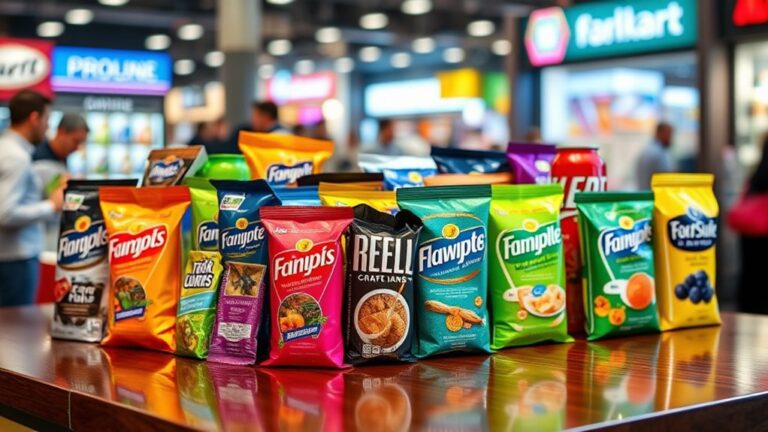
Designing packaging with a purpose is about creating a tangible connection with consumers that reflects a brand's values and commitment to sustainability. Manufacturers are adopting sustainable materials, conducting carbon footprint analysis, and switching to biodegradable or compostable packaging to reduce environmental impact. Meanwhile, design strategies focus on minimalism, storytelling through visual identity, and creating unboxing experiences that delight. By reducing waste with smart design, brands can build emotional connections with consumers, foster loyalty, and boost their reputation. As brands continue to prioritize purposeful design, they'll uncover even more innovative ways to make a lasting impact.
Sustainable Materials in Packaging
Manufacturers are increasingly turning to sustainable materials in their packaging designs to reduce environmental impact and appeal to the growing demographic of eco-conscious consumers. This shift is driven by the need to minimize waste, conserve natural resources, and decrease greenhouse gas emissions. One effective approach is the adoption of bio-based alternatives, which are derived from renewable biomass sources such as plants, algae, or agricultural waste. These innovative materials offer a lower carbon footprint compared to traditional fossil fuel-based packaging.
To guarantee the effectiveness of sustainable packaging, manufacturers are conducting carbon footprint analysis to evaluate and reduce their environmental impact. This involves evaluating the entire lifecycle of packaging, from raw material sourcing to end-of-life disposal or recycling. By identifying areas of improvement, companies can optimize their packaging designs, reduce waste, and lessen their carbon footprint. For instance, switching to biodegradable or compostable packaging can significantly reduce the amount of plastic waste in landfills and oceans.
As consumers become more environmentally aware, they're demanding more sustainable packaging options. Manufacturers that prioritize eco-friendly packaging designs can gain a competitive edge, enhance their brand reputation, and contribute to a more sustainable future. By embracing sustainable materials and conducting carbon footprint analysis, companies can create packaging that not only protects products but also supports the well-being of the planet.
The Rise of Minimalist Design
Sleek, stripped-back designs are gaining traction in the packaging world, as consumers increasingly crave simplicity and authenticity in the products they buy. This shift towards minimalist design is not just a fleeting trend, but a deliberate response to the overwhelming visual noise that permeates modern life. Brands are now recognizing the value of paring back the extraneous, and letting the essence of their product shine through.
Minimalist design is not about stripping away all visual elements, but about distilling the design down to its most essential components. This approach allows brands to communicate their message with laser-like precision, and create a sense of Simple Luxury that resonates with discerning consumers. A Clean Aesthetic is key to this approach, as it creates a sense of space and sophistication that is hard to ignore.
Some key benefits of minimalist design in packaging include:
- Increased brand recognition: By stripping away the clutter, brands can focus on showcasing their unique identity and values.
- Improved product visibility: Minimalist designs allow the product itself to take center stage, rather than getting lost in a sea of visual noise.
- Enhanced emotional connection: Simple, elegant designs can evoke a sense of sophistication and refinement, creating a deeper emotional connection with the consumer.
- Reduced environmental impact: By using fewer materials and minimizing waste, minimalist designs can help reduce the environmental footprint of packaging.
Storytelling Through Visual Identity
Through thoughtful visual identity, brands can weave compelling narratives that resonate with consumers on a deeper level. A well-crafted visual identity can evoke emotions, convey values, and create a sense of connection with the target audience. By incorporating cultural icons, symbols, and imagery, brands can tap into the collective consciousness of their consumers, creating a sense of shared identity and belonging.
| Visual Element | Emotional Resonance | Brand Story |
|---|---|---|
| Color Palette | Joy, Trust, Energy | Vibrant colors evoke feelings of happiness and excitement, conveying a brand's playful and adventurous personality. |
| Typography | Sophistication, Luxury, Elegance | Serif fonts convey a sense of refinement and sophistication, perfect for high-end brands seeking to exude luxury. |
| Imagery | Nostalgia, Adventure, Freedom | Vintage-inspired imagery can evoke feelings of nostalgia, while bold and daring visuals can convey a sense of adventure and freedom. |
| Icons | Trust, Reliability, Innovation | Simple, yet distinctive icons can convey a brand's values and personality, creating a sense of trust and reliability. |
| Patterns | Playfulness, Creativity, Heritage | Unique patterns can add a touch of playfulness and creativity, while traditional patterns can evoke a sense of heritage and cultural identity. |
Unboxing Experiences That Delight
As consumers increasingly crave immersive brand experiences, packaging has become a critical touchpoint for brands to create memorable unboxing moments that surprise, delight, and leave a lasting impression. By crafting a thoughtful unboxing experience, brands can forge emotional connections with their customers, driving loyalty and advocacy.
To create an unforgettable unboxing experience, brands should focus on incorporating sensory elements that tantalize the senses and evoke emotions. This can be achieved through:
- Tactile touches: Incorporating varied textures, weights, and materials to create a multisensory experience.
- Sensory surprises: Incorporating unexpected elements, such as a hidden message or a surprise gift, to create delight and curiosity.
- Emotional storytelling: Using packaging to tell a brand's story, values, and mission, creating a deeper emotional connection with the customer.
- Visual drama: Using bold colors, patterns, and graphics to create a visually stunning unboxing experience that Instagram-worthy moments.
Reducing Waste With Smart Design
Brands are turning to innovative packaging designs that not only captivate consumers but also greatly reduce waste, aligning with the growing demand for sustainable practices. One key strategy is to optimize packaging size to minimize excess materials. By streamlining packaging to fit products snugly, brands can considerably reduce waste and lower transportation costs.
| Design Strategy | Waste Reduction Benefits |
|---|---|
| Ideal Size | Reduces excess materials, lowers transportation costs |
| Supply Chain Optimization | Minimizes packaging waste in transit, reduces carbon footprint |
| Biodegradable Materials | Breaks down naturally, reducing landfill waste |
The Impact of Eco-Friendly Packaging
Eco-friendly packaging solutions not only reduce waste but also have a profound impact on consumer behavior and brand reputation. By adopting sustainable packaging options, companies can tap into the growing demand for environmentally responsible products, fostering a positive brand image and building customer loyalty.
Moreover, eco-friendly packaging plays a significant role in promoting climate consciousness. By reducing carbon footprint and minimizing waste, companies can contribute to a cleaner environment, which resonates with consumers who prioritize sustainability. This, consequently, can lead to increased brand advocacy and customer retention.
Some key benefits of eco-friendly packaging include:
- Increased brand credibility: Companies that prioritize sustainability are seen as responsible and forward-thinking, enhancing their reputation and credibility.
- Improved consumer education: Eco-friendly packaging can serve as a platform to educate consumers about the importance of sustainability, promoting a culture of environmental responsibility.
- Enhanced customer experience: Sustainable packaging can create an emotional connection with consumers, fostering a sense of pride and satisfaction in their purchasing decisions.
- Compliance with regulations: Eco-friendly packaging can help companies stay ahead of the curve regarding regulatory compliance, avoiding potential fines and reputational damage.
Building Brand Loyalty Through Packaging
By thoughtfully designing packaging that resonates with their values, companies can turn one-time customers into loyal advocates who drive long-term business growth. This is because packaging has the power to create emotional connections with consumers, fostering a deep sense of loyalty and commitment to a brand. When a company's packaging aligns with a customer's personal values, it creates a sense of shared identity and purpose, turning them into brand evangelists who will champion the brand to others.
Effective packaging design can also convey a brand's personality, values, and mission, helping to build trust and credibility with customers. This, in turn, can lead to increased customer loyalty, retention, and advocacy. Furthermore, when customers feel emotionally connected to a brand, they are more likely to forgive mistakes, provide feedback, and advocate for the brand to others.
To build brand loyalty through packaging, companies should focus on creating an immersive brand experience that resonates with their target audience. This can be achieved by using sustainable materials, bold design, and clear messaging that communicates the brand's values and mission. By doing so, companies can create a loyal following of customers who will drive long-term business growth and become brand ambassadors, advocating for the brand to others.
The Business Case for Purposeful Design
When designing packaging with a purpose, companies can reap significant benefits that directly impact their bottom line. By incorporating purposeful design, they can boost brand loyalty, reduce waste costs, and improve shelf appeal, ultimately driving business growth. These tangible advantages make a strong business case for investing in purposeful design.
Boosting Brand Loyalty
Consumers are more likely to stick with brands that share their values, making purposeful design a strategic tool for boosting brand loyalty. By incorporating purposeful design elements, brands can create an emotional connection with their customers, fostering a deeper sense of loyalty. This connection is built through customer engagement, which is critical in today's competitive market.
Some key ways purposeful design can boost brand loyalty include:
- Authentic storytelling: Share the brand's mission, values, and history to create a relatable narrative that resonates with customers.
- Consistent visual identity: Establish a recognizable visual brand language that reinforces the brand's message and values.
- Sustainable practices: Incorporate eco-friendly materials and practices that align with customers' values and concerns.
- Personalized experiences: Use packaging design to create personalized interactions that make customers feel seen and valued.
Reducing Waste Costs
Purposeful design also yields a tangible financial benefit, as it helps companies reduce waste costs by optimizing packaging structures and materials. By streamlining packaging, businesses can greatly cut down on unnecessary expenses. A thorough cost analysis reveals that reducing packaging waste can lead to substantial savings. For instance, minimizing packaging materials can lower production costs, while optimizing supply chain logistics can reduce transportation expenses. In addition, efficient packaging design can also decrease product damage during transit, resulting in fewer returns and replacements. By implementing purposeful design, companies can reap the benefits of a more sustainable and cost-effective packaging strategy. This, in turn, can lead to increased profitability and competitiveness in the market. By prioritizing waste reduction, businesses can make a positive impact on their bottom line while also contributing to a more environmentally conscious future.
Improving Shelf Appeal
By thoughtfully designing packaging with a focus on shelf appeal, companies can capture customers’ attention, drive sales, and ultimately, boost their brand’s market presence. Effective packaging can make a product stand out in a crowded marketplace, creating an emotional connection with customers and influencing purchasing decisions. Mastering form and function in packaging ensures that products are not only visually appealing but also practical and user-friendly. Well-designed packaging enhances the customer experience by offering convenience, protection, and sustainability, which can further strengthen brand loyalty. By prioritizing both aesthetics and functionality, companies can differentiate themselves in the market and foster long-term customer relationships.
Some strategies for improving shelf appeal include:
- Creating eye-catching displays that showcase products in a visually appealing way
- Using product framing to draw attention to key features or benefits
- Incorporating high-quality visuals and graphics to communicate brand identity and messaging
- Utilizing innovative materials or finishes to create a unique tactile experience
Frequently Asked Questions
How Do I Ensure My Packaging Design Resonates With My Target Audience?
She guarantees that her packaging design resonates with her target audience by delving into cultural nuances that speak to their values and beliefs. By crafting emotional connections through visuals and messaging, she creates a deep sense of familiarity and trust. This thoughtful approach allows her to tap into their desires, needs, and aspirations, ultimately driving brand loyalty and advocacy.
Can I Use the Same Packaging Design Across All Products and Regions?
Like a master chef, she knows that one recipe won't satisfy every palate. Similarly, using the same packaging design across all products and regions can be a recipe for disaster. She must consider the complex flavors of her supply chain and local regulations, which can vary greatly from region to region. A one-size-fits-all approach won't cut it; instead, she needs to tailor her packaging design to each market's unique taste.
What Is the Ideal Balance Between Form and Function in Packaging?
She strikes an important balance between aesthetic priorities and structural integrity when crafting packaging. It's not just about making it look good; the design must also protect the product during transport and storage. She guarantees the packaging is both visually appealing and functional, without compromising on either aspect. By finding this sweet spot, she creates an unforgettable brand experience that resonates with customers and sets her product apart from the competition.
How Do I Measure the Effectiveness of My Packaging Design Strategy?
She measures the effectiveness of her packaging design strategy by conducting a thorough cost analysis, tracking key performance indicators, and monitoring customer feedback. She doesn't rely on assumptions, instead, she digs deep into data tracking to identify areas of improvement. By crunching the numbers, she optimizes her design, reducing costs and boosting sales. With a data-driven approach, she makes informed decisions that drive business growth and stay ahead of the competition.
Are There Any Packaging Design Trends That Are Specific to Certain Industries?
She navigates the labyrinth of industry-specific packaging design trends with ease. In high-end sectors, luxury appeal is key, with sleek, premium materials creating an aura of sophistication. Meanwhile, eco-conscious consumers drive demand for sustainable materials in industries like beauty and wellness. By tapping into these trends, brands can craft packaging that resonates with their target audience and sets them apart from the competition.