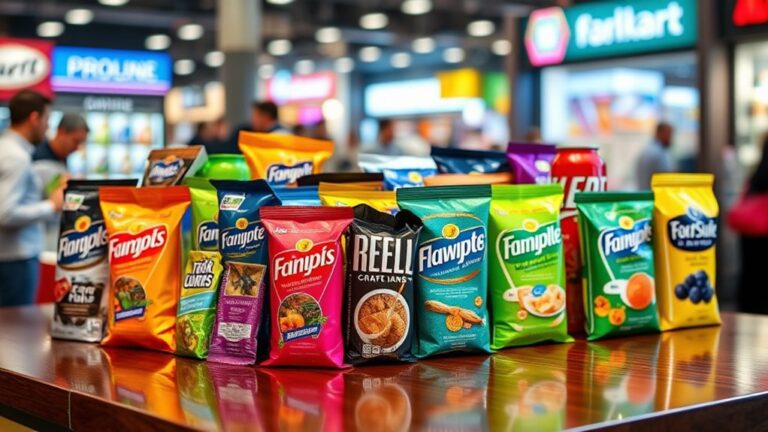

Companies are enchanting consumers with unique packaging concepts that create an emotional connection, driving brand loyalty and sales. Unboxing experiences that delight, like Glossier's Instagram-worthy designs, set the tone for a lasting impression. Emotional connections are made through thoughtful design elements, such as typography and colors. With customization options, consumers co-create their ideal product, further deepening the connection. Sustainable packaging and interactive designs, like AR labels, take the experience to the next level. By pushing boundaries with unconventional materials and structural innovation, brands can craft truly unforgettable experiences. And there's more to explore in the world of enchanting packaging.
Unboxing Experiences That Delight
One in five consumers admits to sharing unboxing experiences on social media, highlighting the significant impact that clever packaging can have on a brand's online presence. In today's digital age, the unboxing experience has become an essential aspect of a brand's marketing strategy. Savvy brands are now leveraging this trend to create memorable and Instagram-worthy moments that leave a lasting impression on their customers.
To create unboxing experiences that delight, brands need to focus on crafting sensory surprises that engage customers on multiple levels. This can be achieved by incorporating unique textures, colors, and scents that evoke emotions and create a sense of excitement. For instance, a luxury skincare brand can package their products in elegant, velvety boxes that exude sophistication and refinement.
Personalized rituals are another key element in creating unforgettable unboxing experiences. Brands can customize their packaging to reflect the individuality of their customers, making them feel seen and appreciated. This can be achieved through personalized messaging, monogramming, or even customized packaging that reflects the customer's preferences. By doing so, brands can create a sense of ownership and belonging, fostering a deeper connection with their customers. By incorporating sensory surprises and personalized rituals, brands can create unboxing experiences that not only delight but also drive brand loyalty and advocacy.
Emotional Connections Through Design
Design elements that evoke emotions, such as bold typography, vibrant colors, and whimsical patterns, can forge a deep connection between the consumer and the brand, making the unboxing experience a memorable and shareable moment. By carefully crafting a design that resonates with their target audience, brands can create an emotional bond that goes beyond a simple transaction. This heartfelt authenticity is vital to building brand loyalty and advocacy.
Sensory resonance is also essential in evoking emotions through design. The tactile experience of opening a beautifully crafted package can be incredibly powerful. The sound of a box opening, the feel of the paper, and the sight of the product inside all combine to create a multisensory experience that leaves a lasting impression. By incorporating sensory elements, brands can create a deeper connection with their customers, making them more likely to share their experience with others.
To achieve this level of emotional connection, designers must be willing to take risks and push the boundaries of conventional packaging design. By embracing bold colors, unique materials, and innovative structures, brands can create a truly unforgettable experience that sets them apart from the competition. By doing so, they can build a loyal following of customers who will advocate for their brand and share their experiences with others, ultimately driving business growth and success.
Sustainable Packaging For A Cause
As consumers become increasingly eco-conscious, companies are recognizing the importance of aligning their values with those of their customers by incorporating sustainable packaging into their brand identity. This shift towards eco-friendliness not only benefits the environment but also boosts brand reputation and loyalty. Companies that prioritize sustainability are seen as responsible and caring, fostering a deep emotional connection with their customers.
One way companies are achieving sustainable packaging is by adopting eco-friendly alternatives to traditional materials. Biodegradable packaging, recyclable materials, and minimal packaging designs are just a few examples of innovative solutions. These alternatives not only reduce waste but also provide a unique selling point for brands looking to differentiate themselves in a crowded market.
Another approach is through charitable partnerships. Brands are partnering with environmental organizations and charities, donating a portion of their sales to support eco-friendly initiatives. This not only contributes to a greater good but also enhances brand credibility and authenticity. Consumers are more likely to support brands that share their values, and charitable partnerships demonstrate a commitment to sustainability.
Storytelling Through Visual Elements
When it comes to storytelling through visual elements, designers know that the right imagery can convey a brand's message more effectively than words. A well-curated visual vocabulary can instantly evoke emotions and create a lasting connection with consumers. By strategically selecting images that speak to their target audience, brands can craft a narrative that resonates long after the packaging is gone.
Visual Vocabulary Matters
Twenty-first-century consumers are more likely to engage with a brand that tells a story through its packaging, rather than simply listing features and benefits. This is where visual vocabulary comes in – the deliberate use of visual elements to convey a brand's message and values. A well-crafted visual vocabulary can make a brand stand out in a crowded market and create an emotional connection with consumers.
To create a compelling visual vocabulary, designers should focus on the following key elements:
- Color Harmony: A palette that resonates with the brand's personality and resonates with its target audience.
- Typographic Hierarchy: A clear visual structure that guides the consumer's eye through the packaging, emphasizing key information and creating a sense of flow.
- Iconography: Simple, yet distinctive symbols that represent the brand's values and personality, and can be used consistently across packaging and marketing materials.
Images Speak Volumes
Images on packaging often convey complex brand stories more effectively than words, allowing consumers to quickly grasp a brand's values and personality. Through clever use of visual elements, brands can create an emotional connection with their audience, making their products stand out on crowded shelves. A well-designed visual hierarchy guides the consumer's eye through the packaging, highlighting key information and messaging. Brand iconography, such as logos and mascots, plays an important role in establishing a brand's identity and reinforcing its values. By incorporating these visual storytelling elements, brands can communicate their unique personality and differentiate themselves from competitors. In today's competitive market, effective visual communication is essential for capturing consumers' attention and driving sales. By leveraging the power of images, brands can create a lasting impression, build brand loyalty, and ultimately drive business success.
The Power Of Customization Options
Offering customization options empowers consumers to co-create their ideal product, fostering a deeper emotional connection with the brand and increasing brand loyalty. This level of personalization allows consumers to feel a sense of ownership and control over their purchases, leading to a more satisfying experience.
Customization options can take many forms, but here are three ways brands can incorporate them into their packaging:
- Personalized Surprises: Add a personal touch to products with customized messages, names, or initials. This can be as simple as a monogrammed tote bag or a personalized message on a product label.
- Tailored Solutions: Offer bespoke products that cater to individual needs and preferences. For example, a skincare brand could offer customized facial creams based on a customer's skin type and concerns.
- Co-Creation Platforms: Create online platforms that allow customers to design their own products from scratch. This can be a fun and engaging way to encourage customer participation and loyalty.
Interactive Packaging Designs Win
They're cracking open a product, and suddenly, they're transported to a new world – one where the packaging is an experience in itself, thanks to innovative interactive designs that captivate consumers' hearts. Interactive packaging designs are revolutionizing the way brands connect with their customers. By incorporating digital surprises and tech integration, companies are creating immersive experiences that leave a lasting impression.
| Interactive Feature | Consumer Benefit |
|---|---|
| Augmented Reality (AR) Labels | Reveals exclusive content, such as recipe suggestions or product tutorials |
| QR Code Scavenger Hunts | Offers immediate rewards, like discounts or freebies, for participating customers |
| Voice-Activated Packaging | Provides hands-free access to product information, tutorials, or customer support |
| Smart Packaging with Sensors | Tracks product usage, offering personalized recommendations and loyalty rewards |
These interactive designs not only enhance the unboxing experience but also foster a deeper connection between the brand and the consumer. By leveraging digital surprises and tech integration, companies can increase engagement, drive loyalty, and ultimately, boost sales. As consumers become increasingly tech-savvy, interactive packaging designs are poised to become a key differentiator in the market. Brands that fail to adapt risk being left behind, while those that innovate will reap the rewards of a loyal customer base.
Luxury Unwrapped With Premium Touch
At least 75% of luxury consumers prioritize premium packaging, and brands are responding by crafting opulent unboxing experiences that exude sophistication and refinement. Luxury brands understand that the unboxing experience is a crucial aspect of building brand loyalty and creating an emotional connection with their high-end customers. To create a sense of luxury, brands are incorporating premium materials, textures, and finishes into their packaging designs.
- Gold Accents: Adding gold accents to packaging can instantly elevate the perceived value of a product. Brands are using gold foil stamping, gold ink, and even gold-plated components to create a sense of opulence.
- Velvet Textures: Velvet textures are being used to add a tactile layer of luxury to packaging. Velvet-covered boxes, pouches, and even bags are being used to create a soft, sumptuous feel that evokes feelings of indulgence and pampering.
- Custom Molded Components: Custom molded components, such as intricately designed casings and precision-cut inserts, are being used to create a sense of precision and attention to detail. These components are often combined with premium materials like wood, metal, and glass to create a truly bespoke unboxing experience.
Breaking The Mold With Unconventional
When it comes to breaking the mold with unconventional packaging, designers are pushing the boundaries of creativity. They're thinking outside the box, literally, and creating bold design statements that grab attention. By embracing out-of-the-box thinking, brands can make a lasting impression on consumers and stand out in a crowded market.
Out-of-the-Box Thinking
Designers who dare to be different are pushing the boundaries of packaging innovation by embracing unconventional materials and shapes that defy traditional norms. By breaking free from Creative Constraints, they're turning Design Dilemmas into opportunities to create truly unique experiences. This out-of-the-box thinking is what sets them apart and captures consumers' attention.
Here are 3 ways designers are pushing the envelope:
- Experimenting with unexpected textures: Combining rough and smooth surfaces, or using materials with unusual tactile sensations, to create an unforgettable unboxing experience.
- Defying traditional shapes: Abandoning conventional rectangular or cylindrical forms for more complex, organic, or even interactive designs that challenge consumer expectations.
- Illuminating packaging with light: Incorporating LED lights, glow-in-the-dark accents, or other luminescent elements to create an otherworldly aura around the product.
Bold Design Statements
By pushing the boundaries of conventional packaging even further, bold design statements are being made with unconventional materials and structures that completely break the mold. These innovative approaches are not only visually striking but also create an emotional connection with consumers. One way to make a bold statement is through Color Blocking, where contrasting hues are used to create a striking visual effect. Another approach is Pattern Play, which involves mixing and matching different textures and patterns to add depth and interest.
| Design Element | Description | Example |
|---|---|---|
| Color Blocking | Contrasting hues used to create visual effect | Bright pink and electric blue packaging |
| Pattern Play | Mixing and matching textures and patterns | Polka dot and stripes combination on a product label |
| Unconventional Materials | Using unexpected materials for packaging | Edible or plantable packaging |
| Structural Innovation | Unique shapes and forms that defy convention | Hexagonal or spherical packaging |
Frequently Asked Questions
How Do I Measure the ROI of Unique Packaging on Brand Loyalty?
The age-old question: how do I put a price tag on making customers love me? It's not like they're going to send you a thank-you note with a ROI calculation attached. But seriously, to measure the ROI of unique packaging on brand loyalty, she conducts customer surveys to gauge the emotional connection and uses data analytics to track the correlation between packaging and repeat business. It's not rocket science, but it's a solid start to making those warm, fuzzy feelings translate to cold, hard cash.
Can Bespoke Packaging Be Cost-Effective for Small Businesses?
Small businesses often wonder if bespoke packaging is a cost-prohibitive luxury. However, by streamlining their supply chain and optimizing material sourcing, they can make it a cost-effective reality. By cutting out intermediaries and negotiating directly with suppliers, small businesses can reduce costs without sacrificing quality. Additionally, they can pass these savings on to customers, fostering brand loyalty and driving growth.
What Role Does Packaging Play in E-Commerce Customer Retention?
Like a key opening a treasure chest, packaging holds the power to facilitate customer loyalty. In e-commerce, it plays an essential role in customer retention by creating an emotional connection with consumers. A carefully crafted unboxing experience can evoke feelings of excitement and delight, fostering a sense of belonging and driving repeat business. By investing in packaging that resonates with their brand, businesses can turn one-time buyers into lifelong fans. Thoughtful design elements, such as branded inserts or eco-friendly materials, can further enhance the unboxing moment, leaving a lasting impression on customers. Creating packaging for better experiences not only elevates brand perception but also encourages social sharing, amplifying word-of-mouth marketing. By prioritizing innovative packaging solutions, businesses can strengthen customer relationships and differentiate themselves in a competitive market.
Are There Any Eco-Friendly Packaging Materials That Are Also Cost-Effective?
She seeks eco-friendly packaging materials that won't break the bank. Fortunately, sustainable alternatives are emerging as cost-effective options. Green innovations like biodegradable plastics, recycled paper, and mushroom-based packaging are gaining traction. These solutions not only reduce environmental impact but also offer competitive pricing. By adopting these eco-friendly materials, businesses can appeal to environmentally conscious consumers while maintaining their bottom line.
How Can I Balance Branding With Minimalism in Packaging Design?
Like a conductor orchestrating harmony, she strikes a delicate balance between branding and minimalism in packaging design. Luxury simplicity is the symphony she aims to create, where every element serves a purpose. By establishing a design hierarchy, she prioritizes essential visuals, letting the brand's essence shine through. This refined approach elevates the brand's sophistication, making a lasting impression on discerning consumers.