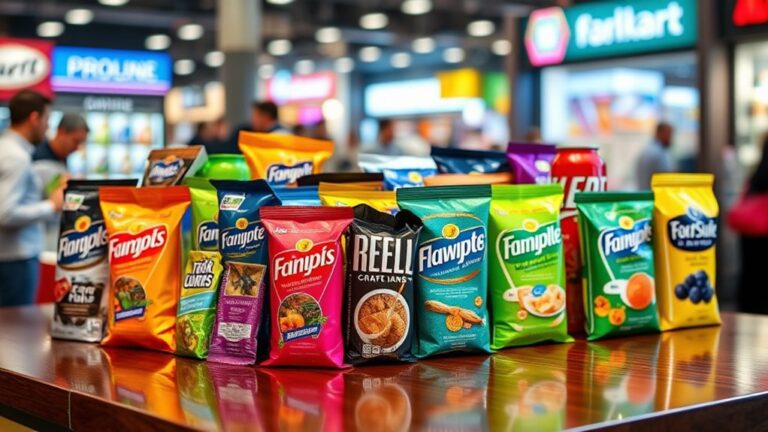
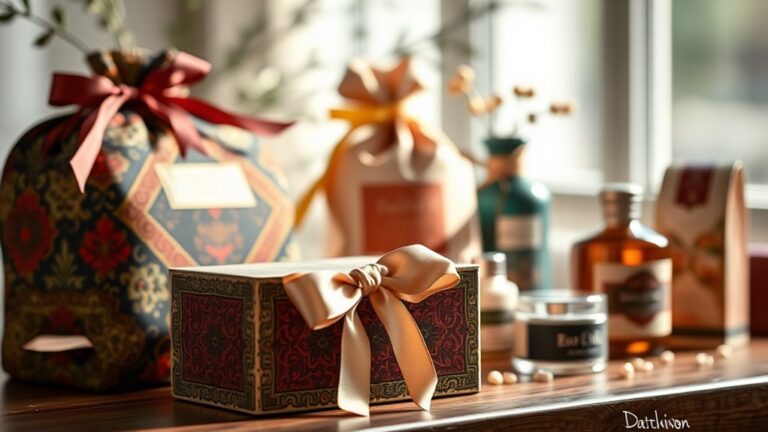
As you reach for your favorite products, you're interacting with some of the most creative and effective art forms out there – packaging design. It's where art and utility converge, evoking emotions and influencing your purchasing decisions. Functional design marries aesthetics with problem-solving, as unique materials and tactile details create memorable brand interactions. Unboxing experiences trigger joy and loyalty, and sustainable innovations signal a brand's commitment to the environment. You're about to uncover the fascinating world where creativity and sustainability transform packaging into an art form that redefines brand identity and cultivates loyalty.
The Power of Visual Storytelling
As you explore the domain of packaging design, you'll quickly discover that The Influence of Visual Storytelling is more than just a buzzphrase – it's a crucial element that can make or break your brand's connection with consumers. When done correctly, visual storytelling has the ability to evoke emotions, create brand loyalty, and even drive purchasing decisions. It's about crafting a narrative that resonates with your target audience, making them feel seen, heard, and understood.
Effective packaging design leverages narrative techniques to convey a message, values, or personality. This can be achieved through visual metaphors that add depth and meaning to your design. For instance, a nature-inspired packaging design for an eco-friendly product might feature illustrations of leaves or trees, symbolizing growth and sustainability. These metaphors create a connection between the product and the consumer's values, nurturing a sense of trust and loyalty.
Functional Design as Art Form
As you approach functional design as an art form, you'll find that form meets functionality goals in innovative ways, where aesthetics and problem-solving merge seamlessly. You'll discover that beauty lies in the efficiency of a well-designed package, where every element serves a purpose. By embracing this mindset, you'll create packaging that not just stands out on shelves but enhances the user experience.
Form Meets Functionality Goals
You often find yourself reaching for a product that not just looks appealing but furthermore serves its purpose efficiently. This is where form meets functionality goals in packaging design. As a consumer, you expect the product to not just catch your eye but likewise provide a seamless user experience. Innovative structures play a vital role in achieving this balance. For instance, a cleverly designed container can make dispensing products easy and mess-free, while concurrently showcasing the product's features.
Balanced proportions are fundamental in creating a harmonious marriage between form and function. A well-proportioned design guarantees that the product's functionality isn't compromised by its aesthetic appeal. This synergy is significant in packaging design, as it directly impacts the user's experience and perception of the product. By prioritizing both form and function, designers can create packaging that not only stands out on store shelves but also provides a satisfying user experience. Within the realm of packaging design, form and function are not mutually exclusive – they're intertwined, and when done right, can boost a product to new heights.
Aesthetics of Problem-Solving
Functional design solves real-world problems, making it an art form in its own right. When you think about it, problem-solving aesthetics is a crucial aspect of packaging design. As a designer, you're not just creating something visually appealing, but likewise addressing design challenges that impact the user experience. The intersection of art and utility is where the magic happens.
| Design Challenges | Problem-Solving Aesthetics | Innovative Solutions |
|---|---|---|
| Protecting fragile items | Customized inserts and cushioning | Shock-absorbing materials and clever packaging structures |
| Reducing waste | Minimalist design and refill options | Biodegradable materials and edible packaging |
| Enhancing accessibility | Easy-open features and intuitive design | Smart packaging with assistive technology |
| Communicating brand values | Sustainable materials and transparent labeling | Interactive packaging with storytelling elements |
Beauty in Efficiency
Often, the most beautiful designs are those that seamlessly merge form and function, where every element serves a purpose and nothing is superfluous. As you investigate the domain of packaging design, you'll find that functional design can be an art form in its own right. Beauty in efficiency lies in the subtle balance between aesthetics and practicality. You'll notice that minimalist elegance is not merely about simplicity, but about stripping away the unnecessary to reveal the essence of the design.
In this context, practical beauty emerges from the harmony between what a package looks like and what it's meant to do. Every fold, every curve, and every material choice serves a purpose, making the design both visually appealing and functional. You'll appreciate how a well-crafted package can enhance the user experience, making the product inside feel more premium and desirable. By embracing beauty in efficiency, designers can create packaging that's not only visually stunning but likewise environmentally sustainable and cost-effective. As you probe deeper into this intersection of art and utility, you'll discover that sometimes, less really is more.
Materials That Make a Statement
What sets a product apart at first glance? It's often the materials used in its packaging. You might not think twice about the paper, plastic, or cardboard that holds your purchase, but the right materials can enhance the entire experience. Bold materials and innovative textures can make a statement, distinguishing your product from the competition.
Imagine running your fingers over the ridged surface of a specialty paper or feeling the weight of a luxurious glass bottle. These sensory experiences create an emotional connection with the product, making it more memorable and desirable. It's not just about aesthetics; the materials you choose can likewise convey values and personality. For instance, eco-friendly packaging made from recycled materials can appeal to environmentally conscious consumers.
Innovative textures can likewise add an extra layer of sophistication. Think of the soft-touch finish on a high-end electronics box or the tactile ridges on a premium beauty product. These details might seem minor, but they contribute to a sense of luxury and craftsmanship. By selecting materials that make a statement, you can create a packaging experience that's both functional and beautiful. So, don't settle for bland, generic materials – choose bold, innovative options that reflect your brand's personality and values.
The Psychology of Unboxing Experiences
When you open a package, you're not just revealing a product – you're sparking an emotional connection. The sensory details of the unboxing experience, from the sound of the packaging to the feel of the materials, can make or break that connection. By carefully crafting these details, brands can create a lasting impression that sets their product apart.
Emotional Connection Sparks
Your fingers carefully unwrap the layers of packaging, revealing the treasure inside. As you unwrap, a rush of excitement and anticipation builds up. This unboxing experience is not just about removing packaging, it's about creating an emotional connection with the brand.
| Emotional Trigger | Description | Brand Loyalty Outcome |
|---|---|---|
| Joy | Unboxing a beautifully designed package evokes feelings of happiness and excitement. | Increased brand loyalty as a result of positive associations. |
| Nostalgia | A retro-style package reminds you of a fond memory, creating a sense of nostalgia. | Emotional connection leads to brand loyalty and advocacy. |
| Surprise | A unique or unexpected packaging design surprises and delights you. | Increased brand loyalty as a result of the excitement and novelty of the experience. |
The emotional connection sparked during unboxing experiences can lead to brand loyalty. By incorporating emotional triggers into packaging design, brands can create a lasting impression and build a loyal customer base. As you hold the product in your hands, the emotional connection you felt during unboxing stays with you, influencing your perception of the brand and your likelihood of returning to it.
Sensory Details Matter
The tactile sensation of embossed lettering on a premium box resonates with your fingertips, setting the tone for a memorable unboxing experience. As you lift the lid, the soft rustle of tissue paper or the crisp unfolding of a cardboard insert creates a sensory engagement that heightens anticipation. Every detail, from the satisfying click of a magnetic closure to the subtle texture of a matte finish, contributes to an immersive experience that transcends mere functionality.
The psychology of unboxing is rooted in the comprehension that our brains process sensory information before rational thought. By incorporating tactile appeal through clever material choices, cleverly designed inserts, and thoughtful finishing techniques, packaging designers can create an emotional connection with the consumer. This multisensory approach not just enhances the perceived value of the product but also nurtures brand loyalty and advocacy. As you savor the unboxing experience, you're more likely to appreciate the product itself, share your enthusiasm with others, and remember the brand that crafted such a delightful sensory encounter.
Sustainable Packaging as Artistic Expression
Sustainable packaging's creative dimension is emerging, and you're at the forefront of this revolution. As consumers increasingly prioritize eco-friendliness, you have the opportunity to merge art and sustainability in packaging design. This fusion gives rise to a new form of eco-friendly artistry, where innovative materials and creative thinking come together to reduce waste and minimize environmental impact.
You're no longer limited to traditional materials like plastic or cardboard. Instead, you can explore biodegradable alternatives like mushroom-based packaging, seaweed wraps, or even edible cutlery. These innovative materials not just reduce waste but also offer a unique canvas for your artistic expression. Envision designing a package that not just protects the product but also tells a story, conveys a message, or evokes an emotional response.
As you explore sustainable packaging as an artistic expression, you'll discover new ways to communicate brand values, create memorable unboxing experiences, and build connections with customers. Your designs will not just appeal to the eyes but also resonate with the conscience. By pushing the boundaries of sustainable packaging, you'll be contributing to a movement that's redefining the future of art, design, and the planet. So, release your creativity, experiment with new materials, and join the revolution that's transforming the realm of packaging design.
Redefining Brand Identity Through Design
As you push the boundaries of sustainable packaging as an art form, you're not merely reducing waste, you're furthermore crafting a unique opportunity to redefine your brand's identity. This intersection of art and utility offers a chance to reimagine your brand's visual language, values, and messaging. By incorporating sustainable design elements, you're signaling to consumers that your brand is committed to making a positive impact on the environment.
This brand evolution is not merely a cosmetic change, but a fundamental shift in how your brand is perceived. Design innovation plays an essential role in this process, as it allows you to create packaging that is not just functional but also tells a story about your brand's values and mission. By incorporating unique materials, shapes, and textures, you can create a distinctive visual identity that sets your brand apart from the competition.
Through sustainable packaging design, you're not merely reducing waste, you're also creating a new narrative around your brand. This narrative can be used to build brand loyalty, attract new customers, and eventually drive business growth. By embracing design innovation and brand evolution, you're positioning your brand for long-term success in a swiftly changing market.
Frequently Asked Questions
What Role Does Technology Play in Modern Packaging Design?
As you wonder what makes modern packaging design tick, you stumble upon a fascinating coincidence – technology is revolutionizing the industry right before your eyes! Digital innovations are streamlining production processes, as smart materials are transforming packaging into interactive experiences. You're witnessing a seismic shift, where functionality meets creativity, and the boundaries of what's possible are constantly pushed.
How Do I Balance Aesthetics With Functional Requirements?
When designing packaging, you’re constantly torn between making it look amazing and guaranteeing it serves its purpose. To balance aesthetics with functional requirements, you need to find that sweet spot where creative freedom meets practicality. Consider aesthetic flexibility, allowing your design to adapt to different scenarios, as you respect functional constraints that assure the packaging does its job. By embracing this tension, you’ll create innovative solutions that wow customers and get the job done. Furthermore, it’s essential to incorporate design principles in packaging that prioritize sustainability and user experience. Think about materials that not only enhance visual appeal but also contribute to environmental responsibility, as consumers increasingly value eco-friendly choices. By integrating these principles into your design process, you can create packaging that not only captivates but also respects both the planet and the end user.
Can Packaging Design Be Considered a Form of Sculpture?
You stumble upon a packaging design that stops you in your tracks – it's a masterpiece. You can't help but wonder, can packaging design be considered a form of sculpture? Absolutely! Think about it, you're holding a mini art piece in your hands. The packaging aesthetics blend seamlessly with its functional purpose, taking on sculptural forms that evoke emotions. It's not just about containing a product, it's an experience. You're not just a consumer, you're an art appreciator.
What's the Impact of E-Commerce on Packaging Design Trends?
You're about to unwrap a game-changer in packaging design. As online shopping takes center stage, consumer preferences are shifting. You're seeing a rise in demand for sustainable, functional, and Instagram-worthy packaging that tells a brand story. E-commerce has forced designers to rethink their approach, focusing on protection, ease of opening, and unboxing experiences that delight. With every click and delivery, you're influencing the future of packaging design, where art meets utility and consumer expectations.
Do Consumers Really Care About Sustainable Packaging?
You might wonder if consumers really care about sustainable packaging. The answer is, they do! In fact, 85% of consumers say they're more likely to buy from companies that prioritize the environment. You see, consumer priorities have shifted, and eco-friendliness now tops the list. They're looking for brands that use sustainable materials, reduce waste, and minimize carbon footprint. By catering to this demand, you'll not just appeal to their values but likewise gain a competitive edge.