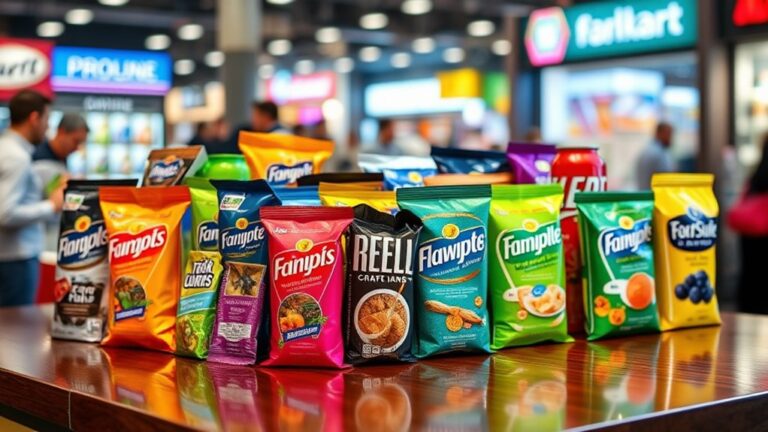
Exploring simplicity in food packaging reveals its essential role in enhancing brand identity and consumer trust. Minimalist designs attract you by offering a clean aesthetic and clear messaging, making it easier to identify products. Eco-friendly materials resonate with your values, showing a commitment to sustainability. Clear labeling provides transparency, helping you make informed choices without confusion. Simplicity doesn't just improve the look; it redefines your connection with food products. As trends evolve, brands that embrace this approach stand out and nurture loyalty. You'll discover even more fascinating insights as you uncover how simplicity shapes the future of food packaging.
Importance of Minimalist Design
When you consider the role of packaging in consumer choices, the significance of minimalist design becomes clear. In a world overflowing with options, consumers crave simplicity and clarity. Minimalist packaging strips away the clutter, allowing the product to shine as it improves visual aesthetics. By focusing on clean lines and bold typography, you create a strong first impression that resonates with innovative-minded shoppers.
Emphasizing minimalist design doesn't just improve appearance; it greatly enriches user experience. When you open a package that's thoughtfully designed, you feel a sense of ease and satisfaction. This seamless interaction cultivates a connection between the consumer and the brand, building loyalty in an ever-competitive market. When the packaging is intuitive, it invites you to explore the product without frustration.
Moreover, minimalist design communicates a brand's values. In a time when consumers are increasingly aware of sustainability and authenticity, simple packaging can signify a commitment to quality and integrity. This transparency builds trust, which is vital in today's discerning market. You're not just buying a product; you're investing in a brand that speaks your language.
Ultimately, the importance of minimalist design lies in its ability to create a memorable experience. It's not merely about aesthetics; it's about crafting an engaging experience from the moment you see the package to when you finally enjoy the product. By embracing simplicity, you're not just following a trend; you're leading the way toward a more thoughtful approach to packaging.
Benefits of Eco-Friendly Materials
By selecting eco-friendly materials for food packaging, you not merely contribute to a healthier planet but similarly appeal to environmentally conscious consumers. In today's market, sustainability isn't merely a trend; it's a necessity. Utilizing biodegradable alternatives like plant-based plastics or recycled paper not just reduces waste but additionally improves your brand's image, positioning you as a leader in sustainable innovation.
When you opt for sustainable sourcing, you guarantee that your materials come from responsible suppliers who prioritize environmental stewardship. This practice not only minimizes your carbon footprint but further supports local economies and promotes ethical labor practices. Consumers are increasingly attracted to brands that reflect their values, and by adopting eco-friendly packaging, you're sending a significant message that you care about more than just profits.
Furthermore, eco-friendly materials can elevate the quality of your products. Many biodegradable options are designed to maintain freshness during being environmentally friendly, assuring that your food remains safe and appealing. This can lead to increased customer satisfaction and loyalty, along with positive word-of-mouth marketing.
Additionally, using innovative biodegradable alternatives can set you apart from competitors still relying on conventional, plastic-based packaging. You'll not just capture the attention of eco-conscious shoppers but also inspire others in the industry to rethink their packaging strategies. By prioritizing eco-friendly materials, you're making a tangible impact on the environment while paving the way for a more sustainable future in the food packaging sector.
Impact of Clear Labeling
Clear labeling plays a crucial role in food packaging, influencing consumers' purchasing decisions and improving their trust in a brand. When you see a product with clear, concise labels, it instantly communicates transparency and honesty. This isn't just a matter of aesthetics; effective labeling strategies can make or break your connection with consumers. They want to know exactly what they're buying, and clear labels fulfill that need.
Innovative brands are increasingly adopting straightforward labeling practices to cut through the clutter of information. You might notice that many successful products emphasize readability, using bold fonts and contrasting colors. This approach not only makes the information accessible but engages consumers on a deeper level. When they can quickly identify ingredients, nutrition facts, and sourcing information, their confidence in your brand grows.
Furthermore, clear labeling cultivates consumer trust. In a market saturated with choices, consumers gravitate toward brands that prioritize transparency. If they can easily understand what's inside the packaging, they're more likely to make a purchase. You're not just selling a product; you're selling an experience, and part of that experience is ensuring that customers feel informed and respected.
Consumer Preferences for Simplicity
When you shop for food, you probably notice how minimalist designs catch your eye. You want clarity in ingredients and prefer packaging that's easy to understand, right? Plus, with eco-friendly trends on the rise, it's clear that simplicity in food packaging resonates with your values.
Minimalist Design Appeal
Embracing minimalist design in food packaging has become a favorite among consumers seeking simplicity and clarity. You'll notice that brands are increasingly opting for sleek, uncomplicated designs that prioritize both aesthetic appeal and functional efficiency. This trend isn't just about looking good; it's about providing a seamless experience that resonates with today's fast-paced lifestyle.
When you encounter minimalist packaging, you often appreciate how it strips away unnecessary distractions, making it easier to identify the product. The clean lines and subtle color palettes draw your attention, emphasizing quality over clutter. This approach doesn't just appeal to your visual senses; it likewise aligns with your desire for efficiency, as minimalist designs often utilize materials more sustainably.
Furthermore, minimalist packaging tends to communicate a sense of honesty and transparency. You're likely to trust brands that showcase their products in a straightforward manner, free from gimmicks or over-the-top graphics. As a consumer, you gravitate towards these designs, reflecting your preference for innovation that honors simplicity in addition to enhancing your overall experience. It's clear that minimalist design isn't just a trend; it's a transformative approach that redefines how you connect with food products.
Clarity in Ingredients
Consumers today demand transparency regarding food ingredients, seeking labels that are straightforward and easy to comprehend. You want to know what you're putting into your body, and that means brands must prioritize ingredient transparency and nutritional clarity. This growing desire for simplicity in food packaging is reshaping the industry.
Here are four key aspects you should look for in ingredient labels:
- Short Ingredients List: Fewer ingredients often indicate a more natural product. You want to see recognizable items, rather than a long list of chemical names.
- Clear Descriptions: Brands should use plain language that you can easily grasp. Avoid jargon that complicates comprehension.
- Nutritional Transparency: Information about calories, fats, and sugars should be presented clearly, allowing you to make informed choices quickly.
- Allergen Information: Clear labeling of allergens is essential. You shouldn't have to hunt for this information; it should be prominent and direct.
When brands embrace these principles, they not only cater to your preferences but additionally nurture trust and loyalty. In an innovative marketplace, clarity in ingredients makes all the difference.
Eco-Friendly Packaging Trends
Eco-friendly packaging is gaining momentum as a must-have for brands aiming to meet your expectations for sustainability. You're increasingly drawn to products that reflect your values, and that means seeking out packaging solutions that prioritize the planet. Brands are responding by innovating with sustainable sourcing practices and embracing biodegradable materials that break down naturally, reducing environmental impact.
You're no longer satisfied with mere claims of eco-friendliness; you want transparency and authenticity in the packaging. This trend pushes companies to rethink their materials and processes, opting for minimalistic designs that not just look appealing but also resonate with your desire for simplicity. You appreciate when brands utilize recycled content or plant-based alternatives, as it aligns with your commitment to reducing waste.
Furthermore, you're likely to choose products that offer easy disposal methods, knowing that biodegradable packaging contributes to a circular economy. As more brands invest in these eco-friendly trends, you can feel good about your choices, supporting companies that prioritize innovation while caring for the environment. In this way, every purchase becomes a step toward a more sustainable future, reflecting your values in a tangible, impactful way.
Case Studies in Successful Packaging
When you look at successful food packaging, you'll notice how minimalist designs grab attention as they communicate brand values. Eco-friendly solutions not merely appeal to conscious consumers but additionally improve brand identity through simplicity. Let's explore a few standout examples that showcase these effective strategies.
Minimalist Design Examples
In the domain of food packaging, minimalist design has proven to be a potent approach that resonates with both brands and shoppers. By stripping away the unnecessary, you create an impactful visual identity that captures attention and communicates value. Here are four standout examples that illustrate the effectiveness of minimalist design:
- Oatly: Their packaging employs bold typography choices and a limited color palette, making it instantly recognizable and relatable. The simplicity invites curiosity about the product.
- Innocent Drinks: This brand uses clean lines and straightforward graphics. Their clever use of humor in typography choices engages consumers as well as still maintaining a minimalist aesthetic.
- Blue Bottle Coffee: They embrace a pure, modern design with an emphasis on earthy color palettes. This not only reflects the brand's commitment to quality but likewise creates a calming presence on the shelf.
- Muji: Known for its understated style, Muji's food packaging showcases simple graphics and neutral colors, emphasizing the product itself and evoking a sense of trust and quality.
These examples highlight how minimalist design can enhance food packaging, making it not just visually appealing but also memorable.
Eco-Friendly Packaging Solutions
Sustainable packaging solutions are increasingly becoming a priority for brands looking to reduce their environmental impact. You'll find that many companies are embracing innovative approaches by utilizing sustainable materials, which not solely align with eco-conscious values but also appeal to a growing demographic of environmentally aware consumers.
Take, for instance, the case of a popular snack brand that recently changed to biodegradable options. They replaced traditional plastic with plant-based packaging that decomposes naturally, considerably lowering their carbon footprint. This shift not only helped the brand stand out in a crowded market but also nurtured a deeper connection with consumers who prioritize sustainability.
Another fascinating example is a beverage company that introduced packaging made from recycled materials. By rethinking their supply chain and opting for sustainable resources, they showcased a commitment to reducing waste while enhancing their brand's image.
These case studies demonstrate that eco-friendly packaging solutions aren't just a trend; they're a necessary evolution in the food industry. As you explore these innovations, you'll see how prioritizing sustainable materials and biodegradable options can lead to impactful changes that benefit both the planet and your brand.
Brand Identity Through Simplicity
A growing number of brands are discovering that simplicity in packaging can greatly improve their identity and appeal. By focusing on minimalistic designs, they augment brand recognition and create a lasting impression. When you embrace simplicity, you cultivate visual consistency that resonates with your audience. Here are four key aspects of effective packaging strategies:
- Clear Messaging: Use straightforward language and concise product information to communicate your brand's purpose and values.
- Minimalist Design: Opt for clean lines and limited color palettes to create a visually appealing product that stands out on shelves.
- Iconic Logos: Design a memorable logo that encapsulates your brand's essence, making it easily identifiable without overwhelming the consumer.
- Sustainable Materials: Choose eco-friendly materials that align with your brand's commitment to sustainability, reinforcing your identity as you appeal to conscious consumers.
Future Trends in Food Packaging
As consumers become more aware of environmental issues, food packaging is evolving swiftly to meet their demands. You can expect to see a surge in sustainable innovation, where brands focus on eco-friendly materials and processes. Packaging automation is increasing, enabling companies to produce goods more efficiently, reducing waste during product integrity.
Here's a glimpse of the future trends in food packaging:
| Trend | Description | Impact |
|---|---|---|
| Biodegradable Materials | Use of plant-based or compostable options | Reduces landfill waste |
| Smart Packaging | Integration of technology for tracking | Improves consumer experience |
| Minimalist Design | Simple, clean designs for clarity | Strengthens brand identity |
| Reusable Packaging | Containers designed for multiple uses | Promotes sustainability |
| Innovative Sealing | New methods to preserve freshness | Extends shelf life |
With these advancements, you'll find that brands are not just looking to package their products but are committed to creating a positive impact on the planet. They're recognizing that consumers want more than just functionality; they want a relationship with their products that aligns with their values. By embracing these trends, brands can improve their appeal while contributing to a greener future. Keep an eye on these developments as they shape the food packaging environment, making it more sustainable and innovative than ever before.
Frequently Asked Questions
How Does Simplicity Influence Food Freshness and Shelf Life?
Simplicity plays an essential role in maintaining food freshness and extending its shelf life. When packaging is straightforward, it often uses fewer materials that can trap moisture or air, helping to improve freshness retention. You'll find that innovative designs focus on minimalism, which not just reduces waste but furthermore uses smart technologies to protect food from spoilage. By prioritizing simplicity, you're embracing a more effective way to keep your food fresh longer.
What Are the Cost Implications of Minimalist Packaging Designs?
When you consider minimalist packaging designs, you'll notice significant cost implications. By focusing on design efficiency, you can achieve cost savings through reduced materials and simpler production processes. This streamlined approach not only reduces expenses but additionally improves sustainability, appealing to a market that values innovation. Embracing simplicity allows you to allocate resources more effectively, in the end enhancing your bottom line as you meet consumer demands for eco-friendly and sleek packaging solutions.
Can Simplicity in Packaging Affect Brand Perception?
Think of simplicity in packaging like a clear window revealing a beautiful garden. When you embrace minimalist designs, you cultivate brand loyalty and nurture consumer trust. Consumers often perceive brands with uncomplicated packaging as more authentic and transparent. This perception can enhance your brand, making it memorable and appealing. In a world cluttered with excess, simplicity stands out, inviting innovative ideas that resonate deeply with customers, in the end strengthening their connection to your brand.
Are There Regulations Governing Food Packaging Simplicity?
Yes, there are regulations governing food packaging simplicity. You'll find that labeling standards often require clear, concise information to guarantee consumer comprehension. Although minimalist guidelines can improve aesthetics, they still need to comply with these regulations. Balancing innovation and compliance is key; you can create an appealing package that meets legal requirements while standing out in a crowded market. Embracing simplicity doesn't mean sacrificing fundamental information—it's about clarity and creativity.
How Do Cultural Differences Impact Perceptions of Simple Packaging?
Cultural differences greatly shape how you perceive simple packaging. In some cultures, minimalism reflects elegance and sophistication, aligning with their cultural aesthetics, whereas others might see it as lack of creativity. Packaging symbolism varies, too; what seems straightforward to you could convey deeper meanings elsewhere. Embracing these nuances can spark innovative ideas, enabling you to create packaging that resonates across diverse markets and effectively communicates your brand's values and vision.