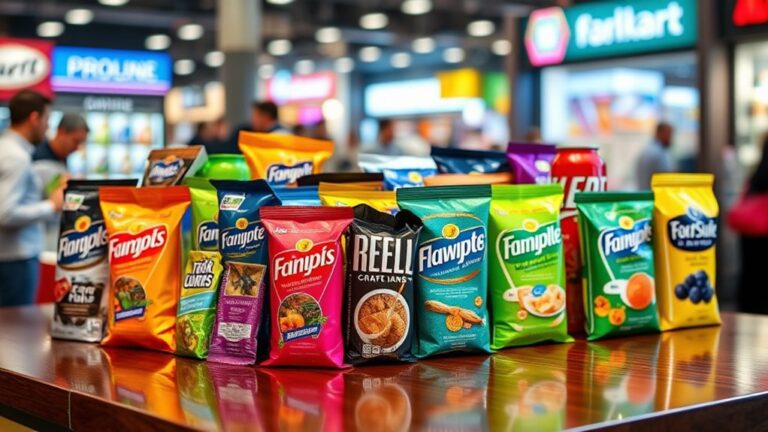

When crafting packaging that reflects your brand's identity, you need to define your brand's personality, choosing traits and values that set you apart. Then, select colors that resonate with your mission and values, considering emotional connections and contrast. Typography matters too, as it impacts aesthetics and readability, so aim for 2-3 font combinations. Material choice is equally important, as it reinforces your brand message, and consider sustainable options to align with eco-friendly values. Finally, your messaging should stand out with bold typography, concise captions, and memorable slogans that capture your brand's essence – and that's just the start of creating packaging that truly represents your brand.
Define Your Brand's Personality
Your brand's personality is the foundation of its identity, and it's time to get specific about what makes yours unique. It's the sum of traits, values, and characteristics that set you apart from the competition and resonate with your target audience. To craft packaging that truly reflects your brand identity, you need to define your brand's personality.
Start by identifying your brand archetypes. Are you the Hero, the Outlaw, or the Caregiver? Each archetype comes with its own set of values, traits, and characteristics that shape your brand's personality. Grasping your archetype will help you create a consistent tone, voice, and visual language across all touchpoints, including packaging.
Once you've identified your archetype, think about the emotional connection you want to create with your audience. What values do you share with them? What problems do you solve for them? What feelings do you evoke? Your packaging should be designed to create an emotional connection with your audience, making them feel seen, heard, or acknowledged.
As you define your brand's personality, keep in mind that it's not just about being unique; it's about being authentic. Your packaging should reflect the real you, not some manufactured version of what you think your audience wants. By being true to yourself, you'll attract the right audience and build a loyal following. So, take the time to get specific about your brand's personality, and watch your packaging come to life.
Choose Colors That Resonate
As you've defined your brand's personality, it's time to translate that into a visual language, starting with the colors that will resonate with your audience. Colors have the ability to evoke emotions, convey values, and create instant recognition. It's crucial to choose colors that align with your brand's personality and messaging to create a cohesive brand identity.
When selecting colors, consider the following:
- Color Psychology: Different colors can elicit different emotional responses. For example, blue is often associated with trust and reliability, whereas red is associated with energy and excitement. Choose colors that align with the emotions you want to evoke in your target audience.
- Brand Alignment: Verify the colors you choose align with your brand's values, mission, and personality. If your brand is eco-friendly, for instance, you might want to choose colors like green or earth tones that convey a sense of nature and sustainability.
- Contrast and Harmony: Select colors that provide sufficient contrast with your packaging's background and text, making it easy to read and visually appealing. Additionally, consider how the colors will work together to create a harmonious visual experience.
Typography Matters Too
Selecting colors that resonate with your audience is just the starting point for crafting a cohesive brand identity. Typography is another vital element that can make or break the overall aesthetic of your packaging. You'll want to choose fonts that not just reflect your brand's personality but also guarantee readability impact.
Regarding font pairing, you'll need to strike a balance between contrast and harmony. Aim for a combination that's visually appealing and easy on the eyes. Avoid using too many fonts, as this can create visual clutter and dilute your brand's message. Instead, opt for a maximum of two to three fonts that work together seamlessly.
Readability impact is likewise vital, especially in relation to product labels and instructions. You'll want to choose fonts that are clear, legible, and scalable. Avoid using fonts that are too ornate or decorative, as these can be difficult to read, especially in smaller sizes. Sans-serif fonts like Helvetica or Arial are often popular choices for their clean, modern look and excellent readability.
Select Materials With Care
In the pursuit of cohesive brand identity, materials play a crucial role in reinforcing your message and leaving a lasting impression on customers. The materials you choose can either enhance or dilute your brand's personality, so it's vital to select them with care.
When it comes to materials, you have a wealth of options to choose from. But, to create packaging that truly reflects your brand identity, you need to take into account the following:
- Sustainable materials: Are you an eco-friendly brand? Opt for materials that align with your values, such as recycled paper, biodegradable plastics, or FSC-certified wood.
- Texture selection: The texture of your packaging can evoke emotions and create a sensory experience. Think about materials with unique textures, like matte finishes, embossed patterns, or soft-touch coatings.
- Tactile experience: Reflect on how your customers will interact with your packaging. Do you want them to feel a sense of luxury, playfulness, or sophistication?
Messaging That Stands Out
Nearly 90% of consumers report that packaging design influences their purchasing decisions, and a significant part of that design is the messaging. You know your brand's story, but how do you convey it effectively on your packaging?
You want your messaging to stand out, rather than blend in with the competition. That's where visual storytelling comes in. Use bold typography, lively colors, and eye-catching graphics to create a narrative that resonates with your target audience. This will help your brand build an emotional connection with consumers, making them more likely to choose your product over others.
A memorable slogan can as well make a significant impact. Think of Nike's "Just Do It" or Apple's "Think Different." These taglines are instantly recognizable and evoke a specific feeling or attitude. Your slogan should do the same, capturing the essence of your brand's personality and values.
When crafting your messaging, keep it concise and clear. Avoid clutter and verify your text is easy to read, even from a distance. Remember, you have mere seconds to grab a consumer's attention, so make every word count. By combining visual storytelling with a memorable slogan, you'll create packaging that not just stands out but also tells a story that resonates with your target audience.
Frequently Asked Questions
How Do I Ensure Packaging Is Accessible for People With Disabilities?
You're designing packaging that's inclusive for all users! To guarantee it's accessible for people with disabilities, focus on accessible design principles. Consider users with visual, auditory, motor, or cognitive impairments. Conduct user testing with diverse participants to identify potential barriers. Make adjustments accordingly, such as using high-contrast colors, simple language, and easy-to-open containers. By doing so, you'll create packaging that's usable and enjoyable for everyone, regardless of ability.
Can I Use Eco-Friendly Packaging Without Breaking the Bank?
You're on a mission to go green without draining your wallet! Using eco-friendly packaging doesn't have to break the bank. You can explore budget-friendly options like biodegradable materials, recycled paper, or plant-based packaging. Look for suppliers offering sustainable materials at competitive prices. By doing your research, you'll find affordable solutions that align with your brand's values and won't dent your budget.
What's the Ideal Packaging Size for E-Commerce Products?
When deciding on the ideal packaging size for your e-commerce products, you'll want to strike a balance between efficiency and product protection. Consider the dimensions that allow for snug fits without excess material. Aim for compact, yet cushioned, packaging that safeguards your items during transit. You'll reduce waste, save on shipping, and delight customers with a premium unboxing experience. By optimizing your packaging size, you'll create a win-win for your business and the environment.
How Often Should I Update My Packaging Design?
You're wondering how often to refresh your packaging design. The answer depends on your brand's pace and audience. If you're in a trendy industry, you should update your packaging every 6-12 months to keep up with changing packaging trends. But, if you're in a more traditional space, you might get away with updates every 2-3 years. Pay attention to consumer feedback and make adjustments accordingly. Remember, stale packaging can lead to stagnation, so don't be afraid to mix things up and try new things!
Can I Use Custom Packaging for Small Orders or Batches?
You're wondering if custom packaging is feasible for small orders or batches. The answer is yes, you can! With digital printing and on-demand production, it's now possible to create custom packaging in small quantities. This flexibility allows you to test new designs, accommodate seasonal changes, or cater to niche audiences without breaking the bank. By leveraging these innovative solutions, you can enhance your brand's uniqueness even with limited production runs.