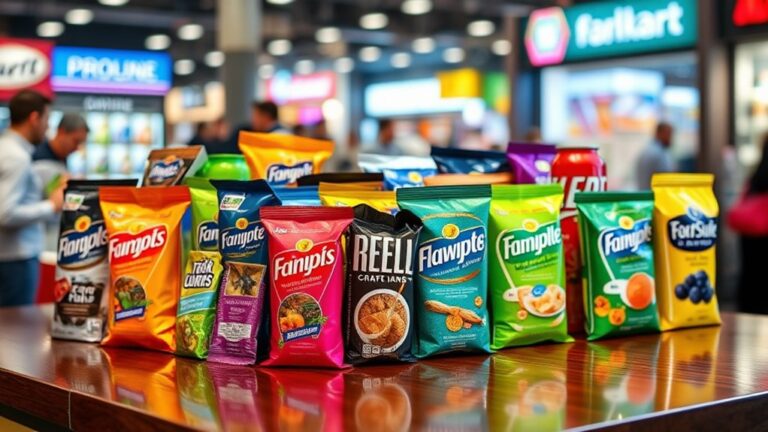
When creating packaging that safeguards while showcasing products, you'll need to balance functionality and aesthetics. Start by selecting materials that are durable, sustainable, and compatible with your product's size, shape, and weight. Then, design your packaging with cushioning materials, reinforced corners, and tamper-evident seals to guarantee product safety. Align your color scheme and branding with your visual identity, and use typography and graphics to attract your target audience. By incorporating these elements, you'll be well on your way to crafting packaging that not just protects your product but also makes a lasting impression – and there's still more to explore.
Choosing the Right Packaging Materials
Select the perfect packaging materials to safeguard your product during transportation and storage, whilst furthermore making a great first impression on customers. This critical step can make or break the user experience, so it's important to get it right. When choosing packaging materials, consider sustainable options that both reduce your environmental footprint and appeal to eco-conscious consumers. Nevertheless, don't compromise on material durability, as it's crucial to guarantee your product arrives at its destination intact.
Budget considerations are equally key, as you'll need to balance cost with performance. Research supplier options to find the best value for your money. Confirm the materials you select are compatible with your product, taking into account factors like size, shape, and weight. Aesthetic appeal is likewise significant, as the packaging is often the first thing customers see. Consider the color, texture, and overall design to create an engaging user experience.
Ultimately, the right packaging materials will depend on your product's unique needs and your brand's values. By weighing up sustainability, durability, budget, and aesthetics, you can create packaging that both protects your product and showcases it in the best possible light. By making informed choices, you can create a positive first impression, build brand loyalty, and drive business success.
Designing for Protection and Aesthetics
With your packaging materials chosen, you're ready to focus on designing a packaging system that balances protection and aesthetics. This is where the art of packaging design comes into play, as you need to create a visually appealing package that also safeguards your product during transportation and storage.
To achieve this aesthetic balance, consider the following key elements:
| Protective Features | Aesthetic Considerations |
|---|---|
| Cushioning materials | Color scheme and branding |
| Reinforced corners | Typography and font styles |
| Tamper-evident seals | Imagery and graphics |
When designing your packaging, ask yourself: What are the most critical protective features required to guarantee my product arrives safely at its destination? How can I incorporate these features in a way that complements my brand's visual identity and resonates with my target audience?
Balancing Form and Function
As you explore the domain of packaging design, you'll find that balancing form and function is a delicate dance. It's a constant tug-of-war between creating an aesthetically pleasing package that showcases your product and designing a functional container that protects it during transportation and storage.
You need to contemplate the materials, shape, and size of your packaging to guarantee it provides functional durability. At the same time, you want the design to have an aesthetic appeal that grabs the customer's attention and communicates your brand's message. Achieving this balance is vital, as a package that's too focused on form may compromise on protection, whereas one that's too focused on function may lack visual appeal.
To strike the right balance, start by identifying your product's unique requirements. What are its dimensions, weight, and fragility? What kind of protection does it need during shipping and storage? Once you have a clear comprehension of these factors, you can begin designing a package that meets these functional needs while additionally incorporating elements of aesthetic appeal, such as color, texture, and graphics. By contemplating both form and function simultaneously, you can create packaging that safeguards your product while further improving the overall customer experience.
Selecting the Ideal Box Size
When selecting the ideal box size, you'll want to start by measuring your product's dimensions to guarantee a snug fit. Next, calculate the inner space needed to accommodate any additional packaging materials, such as inserts or fillers. Finally, consider shipping constraints, like maximum package sizes or weight limits, to confirm your box meets carrier requirements.
Measure Product Dimensions
Get ready to wrap your head around the most vital step in creating effective packaging: measuring your product dimensions. This step is important in determining the ideal box size that will protect your product during transportation and storage. To accurately measure your product, you'll need the right tools. Invest in a digital caliper or a precision ruler to guarantee precise measurements.
Consider the product shape when taking measurements. For irregularly shaped products, take note of the length, width, and height at multiple points to capture its unique dimensions. Don't forget to measure any protrusions, such as handles or buttons, that may affect the box's internal space. Take multiple measurements to guarantee accuracy, and record them carefully.
Calculate Inner Space
Now that you have precise product dimensions, you're ready to calculate the ideal box size. This is where space optimization comes into play. You want to guarantee your packaging provides ample protection without wasting space or materials.
To calculate the ideal box size, consider the following factors:
| Product Dimension | Box Dimension |
|---|---|
| Length (L) | L + 2x cushioning material |
| Width (W) | W + 2x cushioning material |
| Height (H) | H + 2x cushioning material |
Here, "cushioning material" refers to the thickness of the padding or inserts that will protect your product during shipping.
Consider Shipping Constraints
Shipping constraints can be a major obstacle in the packaging design process, as they directly impact the overall efficiency of your supply chain. When selecting the ideal box size, you need to take into account the limitations imposed by shipping regulations, delivery methods, and carrier requirements. For instance, you must verify your packaging meets dimensional limits and weight restrictions to avoid additional costs or penalties.
You should likewise think about the fragility of your products and choose a box size that provides adequate protection during transit. International shipping adds another layer of complexity, as you need to comply with varying regulations and carrier requirements across different regions. Cost considerations are equally important, as oversized or overweight packaging can considerably increase your shipping expenses.
Cushioning and Support Strategies
You're about to learn how to safeguard your products during shipping by implementing effective cushioning and support strategies. Corner protection systems, insert design options, and custom cutouts will be essential in preventing damage and ensuring your products arrive at their destination in pristine condition. By exploring these key elements, you'll be able to create a packaging system that provides ideal protection and support for your products.
Corner Protection Systems
Around 40% of product damage occurs at the corners, making corner protection a vital aspect of packaging design. You can't afford to overlook this essential detail, as it can make all the difference between a product arriving safely and one that's damaged beyond repair. Corner protection systems provide a safeguard against impact, compression, and vibration, ensuring your product reaches its destination intact.
The corner protection benefits are undeniable. By using the right materials, you can reduce product damage, minimize returns, and lower costs associated with replacement and reshipping. Corner protection materials like paperboard, corrugated cardboard, and molded pulp offer excellent shock absorption and cushioning. These materials can be custom-designed to fit your product's unique shape and size, providing a snug, secure fit that protects vulnerable corners.
When designing your corner protection system, consider the specific needs of your product and the challenges it will face during shipping. By choosing the right materials and design, you can create a packaging solution that not only protects your product but likewise showcases its value and quality.
Insert Design Options
Your product is now safely protected from corner damage, but what about the empty spaces within the box? This is where insert design options come into play, providing cushioning and support strategies to keep your product secure and visually appealing. You can choose from a variety of design trends, such as die-cut inserts, molded pulp, or paper-based solutions, each offering unique benefits.
For eco-friendly options, consider using recycled materials, biodegradable inserts, or minimalistic designs that reduce waste. These choices not only align with consumer values but also reduce your carbon footprint. When selecting an insert design, consider the product's shape, size, and fragility, as well as the box's dimensions and material. By doing so, you can create a customized solution that effectively cushions and supports your product while showcasing it in the best possible light. With the right insert design, you can minimize product movement, reduce damage, and create a memorable unboxing experience that sets your brand apart.
Custom Cutouts Matter
Custom cutouts play a crucial role in cushioning and supporting your product within the box, allowing for a snug and secure fit that prevents movement and damage during transit. By incorporating custom cutouts into your packaging design, you can reap several benefits. First, custom cutouts guarantee that your product is held firmly in place, reducing the risk of damage caused by shifting during transportation. This, in turn, leads to cost savings and increased customer satisfaction. Moreover, custom cutouts can help to minimize packaging materials, making your packaging more sustainable and eco-friendly.
When designing custom cutouts, there are several factors to keep in mind. You'll need to think about the size and shape of your product, along with its weight and fragility. You'll also need to take into account the type of packaging materials you're using and how they'll interact with your product. By carefully evaluating these elements, you can create custom cutouts that provide maximum protection and support for your product. By doing so, you'll be able to create packaging that not just protects your product but also showcases it in a unique and attention-grabbing way.
Effective Use of Color and Texture
By the time consumers pick up your product, they've already been bombarded with a multitude of visual stimuli, making it vital to create packaging that stands out from the crowd. One way to achieve this is by effectively using color and texture.
Color psychology plays a significant role in packaging design. Different colors evoke distinct emotions and can influence consumer purchasing decisions. For instance, blue often conveys trust and reliability, whereas red can stimulate excitement and energy. You can use color to draw attention to specific product features or to create a sense of luxury.
Texture contrast is another important factor to take into account. Combining different textures can add depth and visual interest to your packaging. You can use smooth, matte, or glossy finishes to create a tactile experience that engages consumers.
Here's a breakdown of how to effectively use color and texture in your packaging design:
| Color | Emotion | Texture |
|---|---|---|
| Blue | Trust, reliability | Matte |
| Red | Energy, excitement | Glossy |
| Green | Nature, calmness | Smooth |
Incorporating Branding Elements
You'll want to incorporate branding elements that reinforce your visual brand identity, ensuring consistency across all packaging designs. This includes selecting a color scheme that aligns with your brand's overall aesthetic, and strategically placing your logo to maximize visibility and recognition. By doing so, you'll create a cohesive and recognizable brand image that resonates with your target audience.
Visual Brand Identity
As packaging becomes the first tangible touchpoint between your brand and customers, incorporating visual brand identity elements is vital to making a lasting impression. You want to create an instant connection with your audience, and visual storytelling is key. This is where your brand's personality, values, and mission come to life through imagery, typography, and composition. By consistently using specific visual elements, you'll build brand recognition and create a sense of familiarity with your customers.
When designing your packaging, consider how each visual element contributes to your brand's narrative. Use imagery that resonates with your target audience and typography that reflects your brand's tone. Confirm that your visual identity is consistent across all touchpoints, from packaging to website to social media. This cohesion will reinforce your brand's message and values, making it more memorable and relatable. By incorporating visual brand identity elements, you'll create packaging that not only protects your product but additionally tells your brand's story and leaves a lasting impression on your customers.
Color Scheme Consistency
Harmony in visual branding begins with a consistent color scheme, which serves as the foundation of your brand's visual identity. This is where you establish the emotional connection with your target audience. By choosing a specific palette, you're tapping into color psychology, influencing how customers perceive and respond to your brand. Consistency is key, as it reinforces brand recognition and sets you apart from competitors.
When selecting a color scheme, consider the emotions and associations you want to evoke. For instance, blue often conveys trust and reliability, whereas green is synonymous with nature and freshness. Ascertain the chosen colors align with your brand's personality and values. Apply this palette across all packaging elements, from the box to the inserts, to create a cohesive visual language.
Logo Placement Strategy
Optimize your packaging's visual real estate by strategically placing your logo, a crucial element in reinforcing brand recognition. A well-placed logo can enhance your brand's presence and create a lasting impression on customers.
When determining the perfect spot for your logo, consider the shape and size of your packaging. You want to create a clear line of sight, making it easy for customers to notice your brand. Consistency is key, so ascertain your logo is placed in the same location across all product lines. This logo consistency will help build brand awareness and create a sense of familiarity.
Strategic placement likewise involves balancing your logo with other design elements, such as product images and branding messages. Avoid clutter and verify your logo isn't overpowered by other visuals. By thoughtfully placing your logo, you can create a cohesive and recognizable brand identity that resonates with customers. Remember, your packaging is often the first point of contact with your brand, so make it count!
Minimizing Waste and Environmental Impact
You're likely no stranger to the staggering statistics on packaging waste and its devastating environmental consequences. As a conscious business owner, you want to make a positive impact on the planet while still protecting your products. The good news is that you can minimize waste and environmental impact without sacrificing functionality.
One key strategy is to opt for sustainable materials that reduce waste throughout the entire life cycle of your packaging. Here are some eco-friendly practices to contemplate:
| Eco-Friendly Practice | Benefits |
|---|---|
| Biodegradable options | Reduces landfill waste and carbon footprint |
| Recyclable designs | Conserves natural resources and reduces waste |
| Minimal packaging | Lowers material usage and transportation emissions |
Creating an Unboxing Experience
Most products have just seven seconds to make a lasting impression on customers after they open the box. That's a tiny window to create an unboxing experience that leaves a lasting impact. You can make the most of this opportunity by designing packaging that not only protects your product but likewise delights the senses.
To create an unboxing experience that generates excitement, focus on the following elements:
- Sensory engagement: Incorporate different textures, colors, and patterns to create a multisensory experience. This could include velvet pouches, colorful tissue paper, or even a scented insert.
- Personalization: Add a personal touch to the packaging by including a handwritten note, a customized insert, or a unique packaging design that reflects the customer's preferences.
- Surprise and delight: Incorporate an unexpected surprise, such as a free gift or a discount code, to create a sense of excitement and anticipation.
- Storytelling: Use the packaging to tell a story about your brand, product, or values. This could include a narrative on the packaging itself, an insert with a brand history, or even a QR code that links to a video.
Testing and Refining Your Design
Your packaging design is taking shape, but it's crucial to test and refine it before launching it to the masses. You've invested time and effort into creating an unboxing experience that wows, but now it's time to guarantee your design is functional, efficient, and meets your customers' needs.
Conduct user testing to gather feedback on your design. Recruit a group of people who match your target audience and ask them to interact with your packaging. Observe their reactions, ask questions, and take note of any pain points or areas of confusion. This feedback will help you identify areas for improvement and provide valuable insights for design iterations.
Refine your design based on user feedback, making adjustments to materials, structure, and aesthetics as needed. Don't be afraid to try new approaches or experiment with different designs. This process of testing and refining will help you create a packaging solution that not only protects your product but also highlights it in the best possible light.
Frequently Asked Questions
How Do I Ensure Packaging Is Compliant With Shipping Regulations?
Did you know that 1 in 10 packages don't meet shipping regulations, resulting in costly delays? To avoid this, you'll need to guarantee your packaging complies with shipping guidelines. Start by researching packaging standards for your industry and region. Check with carriers like USPS, UPS, and FedEx for specific requirements. Make certain your packaging meets size, weight, and material standards. Finally, test and iterate on your design to confirm it passes the shipping regulation test.
Can I Reuse Packaging Materials From Previous Product Lines?
You're wondering if you can breathe new life into old packaging materials from previous product lines. The answer is yes, and it's a great move for your brand! Reusing materials can greatly reduce waste, highlighting your commitment to sustainability. This eco-friendly approach will not just appeal to environmentally conscious consumers but will also improve your brand perception as a responsible innovator.
What Is the Ideal Ratio of Packaging to Product Size?
Envision ancient Egyptians carefully crafting sarcophagi to fit their precious pharaohs – you're on a similar quest for the perfect ratio of packaging to product size. Aim for ideal dimensions that balance protection with product visibility. You want the packaging to be snug, not suffocating. A good rule of thumb is to leave about 1-2% of empty space around the product. This allows for a comfortable fit as you showcase your product's best features. Remember, it's all about striking a balance between protection and visibility.
How Do I Balance Cost With Packaging Performance and Quality?
You're torn between keeping costs low and delivering high-quality packaging performance and quality. It's a delicate balance. Start by conducting a thorough cost analysis to identify areas where you can optimize without sacrificing quality. Then, focus on strategic material selection that meets your performance requirements as you stay within budget. By making data-driven decisions, you'll strike the perfect balance between cost and quality, ensuring your packaging stands out without breaking the bank.
Can I Use Biodegradable Packaging Materials for All Products?
You're considering switching to biodegradable packaging materials for all products, which is a great step in the direction of reducing environmental impact. During it's a fantastic idea, you'll need to assess if these options are suitable for your entire product line. Evaluate the performance, cost, and feasibility of biodegradable materials for each product, and don't be afraid to mix and match materials to find the perfect blend of eco-friendliness and functionality.