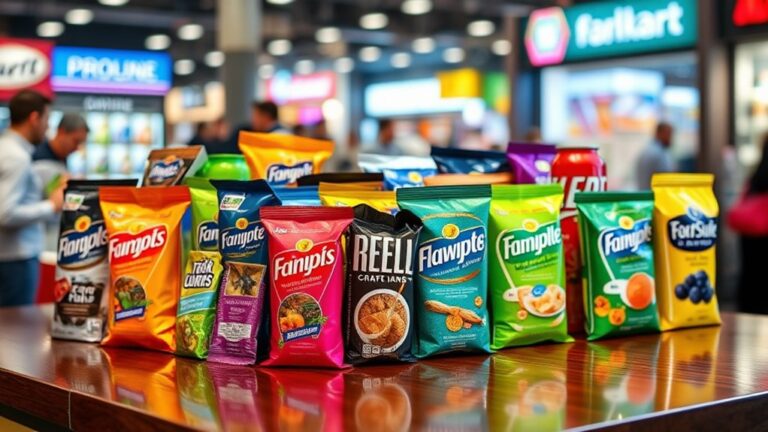
To create packaging that resonates with millennials, companies must prioritize eco-friendliness, transparency, and social responsibility. They switch to biodegradable options, use recycled materials, and prioritize sustainable packaging over cost-effectiveness. Visually, bold typography, pastel hues, and minimalist patterns grab attention, while custom illustrations tell a brand’s story. Minimalist design aesthetics with clean lines, white space, and a limited color palette create simplicity and facilitate emotional connections. By highlighting social responsibility efforts, companies can build brand loyalty. By incorporating these elements, brands can effectively connect with millennials – and that’s just the beginning of what makes packaging truly unforgettable. Furthermore, storytelling through packaging not only engages millennials but also encourages them to become advocates for the brand. Companies that focus on designing durable packaging solutions demonstrate a commitment to quality that aligns with the values of this discerning demographic. By fostering a deeper connection through innovative and meaningful packaging, brands can not only capture attention but also encourage repeat purchases and foster a loyal community around their products.
Embrace Sustainable Packaging Materials
Millennials are switching to brands that ditch traditional packaging materials for eco-friendly alternatives, driving companies to swap out plastic for biodegradable options that align with their values. This shift in consumer behavior is forcing companies to rethink their packaging strategies, prioritizing sustainability over cost-effectiveness. As a result, eco-friendly alternatives are becoming the new norm, with brands incorporating recycled materials, compostable packaging, and refillable containers into their designs.
To stay ahead of the curve, companies must prioritize supply chain transparency, ensuring that their sustainable packaging claims are backed by tangible actions. This means partnering with suppliers who share their commitment to environmental responsibility, sourcing materials from certified sustainable forests, and reducing waste throughout the production process. By doing so, brands can build trust with millennials, who are increasingly skeptical of greenwashing and demand authenticity from the companies they support.
Make It Visually Instagrammable
Brands are stepping up their visual game, crafting packaging that doubles as a social media prop to capture the attention of millennials and encourage user-generated content. Millennials are drawn to bold, eye-catching designs that make a statement, and brands are responding by incorporating visually striking elements into their packaging.
| Design Element | Description | Example |
|---|---|---|
| Bold Typography | Large, bold font sizes that grab attention | A fashion brand using a bold, neon font to highlight their logo |
| Pastel Hues | Soft, calming colors that evoke a sense of nostalgia | A beauty brand using a soft pink hue for their packaging |
| Minimalist Patterns | Simple, repetitive patterns that add visual interest | A food brand using a minimalist geometric pattern on their packaging |
| Custom Illustrations | Unique, hand-drawn illustrations that tell a story | A beverage brand using a custom illustration of a tropical island on their packaging |
| Metallic Accents | Shiny, metallic elements that add a touch of luxury | A luxury skincare brand using metallic accents on their packaging |
Incorporate Storytelling Elements
Packaging that tells a story is more than just a container – it's an opportunity to connect with customers on a deeper level. By incorporating storytelling elements, brands can create a sense of emotional attachment, building loyalty and trust with their target audience. Millennials, in particular, crave authenticity and transparency, making storytelling an essential aspect of packaging design.
One effective way to tell a story is by highlighting a brand's heritage. By sharing the brand's history, values, and mission, companies can create a sense of nostalgia and tradition. This can be achieved through subtle design elements, such as vintage-inspired typography or imagery that nods to the brand's past. Additionally, showcasing customer journeys can help to create a sense of community and shared experience. By featuring real customers and their stories, brands can demonstrate empathy and understanding, fostering a deeper connection with their audience.
To effectively incorporate storytelling elements, brands must be intentional and strategic in their design approach. This means considering the customer's perspective and crafting a narrative that resonates with their values and interests. By doing so, brands can create packaging that not only stands out on store shelves but also leaves a lasting impression on customers. By tapping into the power of storytelling, companies can build a loyal following and drive long-term success.
Use Minimalist Design Aesthetics
By stripping away clutter and focusing on simplicity, designers can create a visual language that resonates with millennials' preferences for clean, modern, and Instagram-worthy aesthetics. Minimalist design aesthetics are a key component of effective packaging for this demographic, as they crave simplicity and authenticity in a world overwhelmed by visual noise.
Clean lines, plenty of white space, and a limited color palette are hallmarks of minimalist design. These elements work together to create a sense of calm and sophistication, allowing the product to take center stage. By paring down the visual elements, designers can create a sense of clarity and focus, making it easier for millennials to quickly understand the product's value proposition.
Moreover, minimalist design aesthetics can facilitate emotional connections between millennials and the product. When the packaging is stripped of unnecessary elements, the essential message and values of the brand can shine through, creating a deeper connection with the consumer. This approach also allows the product to speak for itself, rather than relying on flashy graphics or gimmicks to grab attention. By embracing simplicity and restraint, designers can create packaging that resonates with millennials on a deeper level, fostering brand loyalty and advocacy.
Highlight Social Responsibility Efforts
Millennials, driven by a strong sense of social consciousness, are increasingly expecting the products they buy to not only meet their functional needs but also align with their values. As a result, companies must prioritize highlighting their social responsibility efforts to resonate with this demographic. This can be achieved by showcasing initiatives that promote sustainability, community involvement, and ethical practices.
| Social Responsibility Efforts | Millennial Appeal |
|---|---|
| Community Outreach: Partner with local organizations to support causes that align with millennial values, such as environmental conservation or social justice. | 85% of millennials are more likely to buy from companies that support causes they care about. |
| Supply Chain Transparency: Guarantee fair labor practices and sustainable sourcing throughout the entire supply chain. | 77% of millennials consider a company's ethics and values when making purchasing decisions. |
| Eco-Friendly Packaging: Implement biodegradable or recyclable packaging materials that reduce waste and minimize environmental impact. | 75% of millennials are more likely to buy from companies that prioritize the environment. |
Frequently Asked Questions
How Do I Balance Eco-Friendliness With Cost-Effective Packaging Options?
She balances eco-friendliness with cost-effective packaging options by streamlining her supply chain and investing in material innovation. By reducing waste and optimizing logistics, she minimizes environmental impact without breaking the bank. Sustainable materials, like bioplastics and recycled paper, offer a competitive edge while keeping costs in check. It's a delicate balance, but with strategic planning, she can have it both ways.
What Is the Ideal Font Size for Packaging to Appeal to Millennials?
She knows that font size matters. To determine the optimal font size, she conducts readability tests to guarantee her message isn't lost. Font psychology also plays a pivotal role, as certain sizes evoke emotions and convey values. For millennials, a clear and concise font size between 8-12 points is key, making her brand's message easy to digest and resonating with this demographic.
Can I Use Humor in Packaging to Connect With Millennials?
It's no coincidence that humor is a universal language, and millennials are no exception. They crave authenticity, and a well-timed joke or witty remark can make them feel seen. When it comes to packaging, a dash of humor can be a game-changer. Take a cue from meme inspiration, incorporating clever social commentary that resonates with this demographic. By doing so, brands can establish a connection with millennials, making them more likely to engage and share their experience with others.
How Do I Ensure Packaging Stands Out in a Crowded Retail Space?
She knows that getting noticed in a crowded retail space is essential. To stand out, she creates eye-catching designs that pop against the competition. Shelf-stopping visuals are key, grabbing consumers' attention and drawing them in. By combining bold colors, striking imagery, and clever messaging, she crafts packaging that demands to be seen, making it impossible for shoppers to ignore her product on the shelf.
Are There Specific Colors That Resonate More With Millennials Than Others?
As the phoenix rises from the ashes, so too do bold colors rise to the top of millennials' minds. Research in Color Psychology reveals that certain hues evoke specific emotions, driving purchasing decisions. When crafting a brand's visual identity, it's essential to curate a palette that resonates. Mood Boards can help identify these colors, such as calming blues and vibrant corals, which evoke feelings of trust and energy, respectively. By harnessing the power of color, brands can ignite a connection with millennials, fuelling loyalty and advocacy.