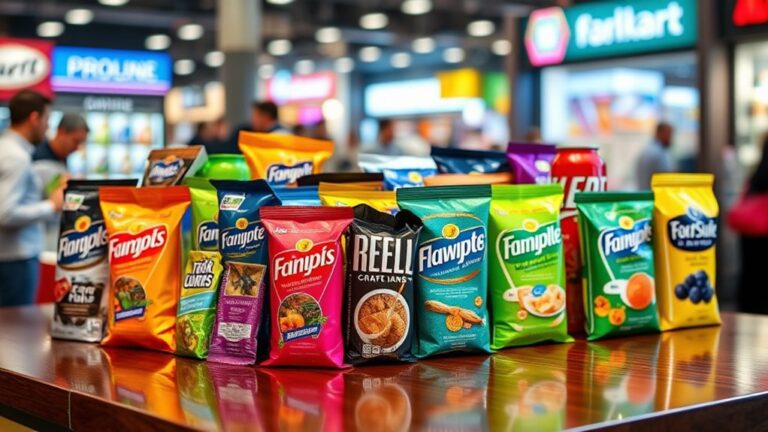
You're creating packaging that reflects your brand's values, so you want it to be sustainable without sacrificing style. You're incorporating eco-friendly materials, like recycled paper and bioplastics, to reduce waste. A minimalist design approach can likewise improve style as well as reducing environmental impact. You're using recyclable materials, like paper and cardboard, to make your packaging more sustainable. By combining these elements, you're creating packaging that's both stylish and eco-friendly, and that's just the starting point for making a positive impact on the environment and your customers. You're about to discover even more innovative solutions.
Sustainable Materials Matter
How much do you know about the materials used in your packaging? You're probably aware that it's not merely about the design, but in addition about the environmental impact. As you endeavor for innovation, you're likely looking for ways to reduce your carbon footprint. That's where sustainable materials come in. You can start by exploring sustainable sourcing options, which involve choosing materials that are responsibly sourced and have a lower environmental impact. This can include materials like recycled paper, bioplastics, or plant-based packaging.
When it comes to production, you should additionally consider ethical production methods. You don’t want your packaging to contribute to exploitation or harm to the environment. Ethical production involves ensuring that the materials are sourced and produced in a way that respects workers’ rights and minimizes harm to the environment. By choosing sustainable materials and ethical production methods, you can create packaging that’s not only stylish but also responsible. You’ll appeal to customers who share your values and are willing to pay more for sustainable products. You can furthermore reduce your waste and minimize your environmental impact. By making these changes, you’ll be ahead of the curve and setting a new standard for sustainable packaging. You’ll be creating a better future for your business and the planet. Additionally, by investing in sustainable packaging solutions, you can differentiate your brand in a competitive marketplace. Consumers are increasingly drawn to companies that prioritize environmental responsibility, and embracing these solutions can enhance your brand’s reputation. Ultimately, making thoughtful choices about your packaging not only benefits the planet but can also lead to long-term success for your business.
Eco Friendly Packaging Options
You're likely looking for ways to put sustainable materials into practice, and that's where eco-friendly packaging options come in. As you explore these options, you'll find that compostable packaging is a great way to reduce waste and minimize environmental impact. This type of packaging is made from materials that can easily decompose, such as plant-based plastics or recycled paper. By choosing compostable packaging, you're not just reducing waste but likewise creating a more sustainable supply chain.
When selecting eco-friendly packaging options, you should look for products with eco certifications, such as the Compostable Logo or the Biodegradable Products Institute (BPI) certification. These certifications guarantee that the packaging meets certain standards for sustainability and compostability. You can additionally consider using minimal packaging or refill options to reduce waste and encourage customers to reuse containers. By incorporating eco-friendly packaging options into your business, you're showing customers that you care about the environment and are committed to sustainability.
As you implement eco-friendly packaging options, you'll find that it's not merely good for the environment, but likewise for your brand. Consumers are increasingly looking for companies that prioritize sustainability, and by using compostable packaging and eco certifications, you're demonstrating your commitment to this value. By making these changes, you're creating a more sustainable future for your business and the environment.
Biodegradable Packaging Solutions
Most companies are turning to biodegradable packaging solutions as an essential component of their sustainability strategy. You're likely considering this approach too, and for good reason – it's an effective way to reduce waste and minimize environmental impact. Biodegradable packaging solutions are designed to break down naturally, eliminating the need for landfills and reducing greenhouse gas emissions. As you explore this option, you'll find that compostable alternatives are gaining popularity, offering a viable substitute for traditional packaging materials.
You can choose from a range of plant-based options, such as mushroom-based packaging, seaweed-based packaging, and bamboo packaging. These innovative materials are not just biodegradable but equally compostable, allowing you to reduce waste and create a more circular economy. By adopting biodegradable packaging solutions, you're also reducing your reliance on fossil fuels and decreasing your carbon footprint. Moreover, biodegradable packaging can be customized to meet your specific needs, ensuring that your products are protected and presented in a way that's both stylish and sustainable. As you move forward with biodegradable packaging solutions, you'll be joining a growing community of companies committed to reducing waste and promoting sustainability. By making this shift, you're taking an important step in the direction of creating a more environmentally friendly packaging strategy that benefits both your business and the planet.
Minimalist Design Approach
You're adopting a minimalist design approach to sustainable packaging, which means you'll focus on simple forms that reduce waste and excess materials. By using clean lines and basic shapes, you'll create packages that are functional and easy to produce, reducing your environmental impact. You'll find that simple forms, clean lines, and basic shapes are key to designing minimalist packaging that's both sustainable and effective.
Simple Forms
Simple forms, furthermore known as minimalist design, can greatly improve the sustainability of packaging by reducing excess materials and focusing on fundamental elements. You can create simple structures that exude elegant simplicity, making your packaging stand out as you are being eco-friendly. By embracing minimalism, you're not just reducing waste but also conveying a sense of sophistication and innovation.
As you explore simple forms, consider the following:
- Using recyclable materials in your packaging design
- Emphasizing functionality over elaborate designs
- Incorporating natural textures and colors to add depth
- Limiting the number of components to reduce waste and simplify production
You'll find that simple forms can lead to elegant simplicity, making your packaging more desirable and sustainable. By adopting this approach, you're contributing to a more environmentally conscious industry as you create a unique brand identity. Simple structures and minimalist design can coexist with style, allowing you to create innovative and effective packaging solutions.
Clean Lines
Clean lines play a crucial role in minimalist design, and they can improve your packaging by creating a sense of clarity and focus. You're able to convey a message more effectively when your design isn't cluttered with unnecessary elements. By embracing clean lines, you're adopting a modern simplicity that's both stylish and sustainable. This approach allows you to create packaging that's not just visually appealing but likewise eco-friendly.
You can achieve clean aesthetics by limiting the number of design elements and using plenty of white space. This will help your packaging stand out and communicate its message more efficiently. Modern simplicity is all about stripping away unnecessary details and focusing on what's vital. By doing so, you're creating a design that's not merely easy on the eyes but also better for the environment. You'll be able to reduce waste and minimize your packaging's carbon footprint, making it a great option for companies looking to go green.
Basic Shapes
Basic shapes, like circles and squares, form the backbone of a minimalist design approach, and they can improve your packaging by adding a touch of sophistication. You can use these basic shapes to create a functional design that's both eco-friendly and visually appealing. By incorporating basic shapes into your packaging design, you're creating a clean and simple look that's easy to produce and recycle.
You can use basic shapes in various ways, including:
- Creating custom packaging that fits your product perfectly
- Designing logos and branding elements that are simple yet effective
- Developing patterns and textures that add depth to your packaging
- Building a brand identity that's consistent across all your products
Recyclable Materials Used
When you're looking into sustainable packaging options, you're likely focusing on materials that can be recycled, and you'll find that manufacturers are turning to recyclable materials like paper, cardboard, and bioplastics. You can use recyclable paper to create unique and stylish packaging designs that as well reduce environmental impact. This eco-friendly option is not merely better for the planet, but it's likewise a great way to showcase your brand's commitment to sustainability. By incorporating recyclable paper into your packaging, you're reducing the amount of waste that ends up in landfills and conserving natural resources.
As you explore recyclable materials, you'll likewise come across recycled plastics, which can be just as innovative and effective. You can use recycled plastics to create durable and long-lasting packaging that's similarly kind to the environment. Many companies are now using recycled plastics to create packaging materials that are not only sustainable but likewise stylish and functional. By choosing recycled plastics, you're helping to reduce the amount of plastic waste in oceans and landfills, and you're likewise reducing the need for virgin plastics. By combining recyclable paper and recycled plastics, you can create packaging solutions that are both sustainable and visually appealing, making them a great option for companies that want to make a positive impact on the environment. You can get creative with your packaging design, using these materials to create unique and eye-catching designs that showcase your brand's values.
Reducing Packaging Waste
You're taking the next step in sustainable packaging by reducing waste, and it's crucial to reflect on how you can use less packaging overall. By doing so, you'll minimize the amount of waste that ends up in landfills and oceans. You can reduce waste and use less packaging by choosing products with minimal packaging or buying items in bulk, which will help decrease your environmental impact.
Reduce Waste
Reducing packaging waste is often a vital step in making your operations more sustainable, and it's likely that you're generating more waste than necessary. You're probably aware that waste management is fundamental for your business, and implementing effective strategies can make a significant difference. By adopting innovative approaches, you can minimize your environmental footprint and improve your brand's reputation.
You can start by evaluating your current packaging processes and identifying areas for improvement. Consider the following:
- Implementing composting practices for organic materials
- Reusing packaging materials whenever possible
- Recycling non-vital packaging waste
- Designing packaging with minimal waste generation in mind.
Use Less
Implementing a "less is more" approach to packaging design can greatly minimize waste. You'll be adopting a minimalism philosophy that's not just eco-friendly but stylish as well. By using less packaging material, you're reducing the amount of waste that ends up in landfills and oceans. This approach encourages you to think creatively about packaging design, leading to innovative solutions that are both functional and visually appealing.
As you set out on this expedition, you'll need to rethink your waste management strategy. You'll be looking for ways to optimize packaging size, eliminate excess materials, and choose sustainable alternatives. This might involve using biodegradable materials, reducing packaging layers, or designing products that can be easily recycled. By embracing a "less is more" mindset, you'll be contributing to a more sustainable future and enhancing your brand's reputation. You'll be joining a growing movement of companies that prioritize eco-friendliness without sacrificing style.
Green Packaging Trends
As companies shift in the direction of eco-friendly practices, they're embracing green packaging trends that minimize waste and environmental harm. You're likely looking for ways to make your packaging more sustainable without sacrificing style. One way to achieve this is by incorporating biodegradable inks into your design. This not only reduces the environmental impact of your packaging but likewise contributes to sustainable branding.
You can make a significant difference by adopting green packaging trends that prioritize the environment. Consider the following options:
- Using recycled materials for packaging
- Reducing packaging size to minimize waste
- Incorporating plant-based packaging materials
- Designing packaging that's reusable or refillable
Customizable Eco Packaging
Embracing customizable eco packaging lets you create unique, environmentally friendly designs that cater to your brand's needs. You can develop custom designs that not just reduce waste but also improve your brand's image. By opting for eco-friendly materials and customized designs, you're able to convey your commitment to sustainability as you showcase your products in a stylish and innovative way.
As you explore customizable eco packaging, you'll find that it offers a wide range of benefits. You can create personalized branding that sets your products apart from the competition. Custom designs allow you to incorporate your brand's colors, logos, and messaging, ensuring a cohesive look across all your packaging. This helps build brand recognition and reinforces your values with customers who share your concern for the environment.
When designing your customizable eco packaging, consider the type of materials you'll use. Look for biodegradable, recyclable, or reusable options that minimize waste. You can likewise experiment with different shapes, sizes, and textures to create a unique unboxing experience. By combining innovative design with eco-friendly materials, you'll create packaging that's both stylish and sustainable. This approach will help you appeal to the growing number of consumers who prioritize environmental responsibility and are willing to support brands that share their values.
Frequently Asked Questions
Is Eco Packaging More Expensive?
You're the puzzle piece that's wondering if eco packaging is more expensive. It's a cut to the chase question. When you compare costs, you'll find eco options aren't always pricier. You're reducing the cost comparison by optimizing material sourcing, and that's a game-changer.
How to Measure Packaging Sustainability?
You're measuring packaging sustainability by tracking key metrics. You'll assess environmental impact by evaluating sustainability metrics, such as carbon footprint, waste reduction, and recyclability. You're analyzing these factors to minimize harm and create innovative solutions, ensuring a better future. You're making a difference by prioritizing eco-friendly practices that don't compromise style.
What Is Compostable Packaging?
You're exploring compostable packaging, which utilizes compostable materials. By choosing these, you'll reap significant environmental benefits. You're reducing waste, lowering carbon footprints, and promoting eco-friendly practices. It's a game-changer, and you're at the forefront of innovation, making a positive impact on the planet. You're creating a better future with compostable packaging.
Can Packaging Be Reused?
You're wondering if packaging can be reused. It definitely can. You're looking for reusable designs that reduce waste. You'll find creative solutions, like refillable containers, that are both eco-friendly and stylish. You can design packaging that's reusable, recyclable, or biodegradable, it's up to you to get innovative and make a change.
Is Bioplastic Truly Eco Friendly?
You're wondering if bioplastic is truly eco-friendly. Bioplastic production can reduce environmental impact, but it's not entirely flawless. You're evaluating its effects, considering that bioplastic production still consumes resources and energy, affecting the environment. It's a step forward, but you're looking for more innovative solutions to minimize environmental harm.