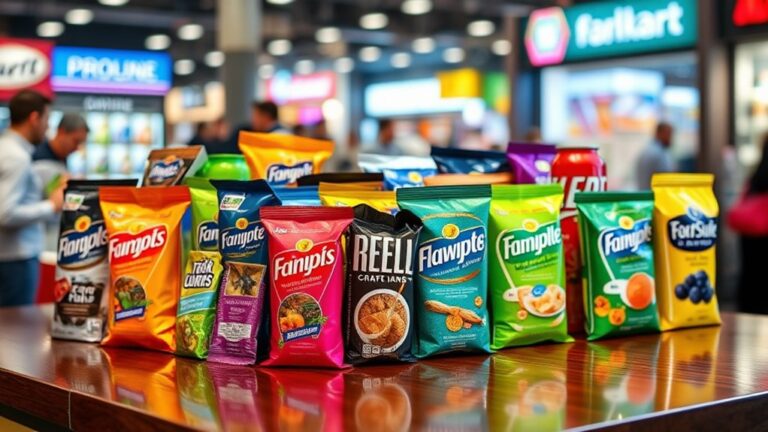
To design packaging for e-commerce success, they prioritize goals for business growth, considering brand identity, competitive analysis, and customer preferences. They select durable, sustainable, and cost-effective materials, ensuring product protection and optimized shipping. A balance between functionality and aesthetics is essential, with a focus on simplicity, quality, and Instagram-worthy designs. Sustainability and recycling considerations are also vital. By testing and refining their design, they identify pain points and iterate for improvement. With data-driven performance measurement, they track KPIs and set benchmarks for cost, shipping rates, and customer satisfaction. Now, they're one step closer to unboxing a game-changing e-commerce strategy.
Define Your Brand's Packaging Goals
To ensure e-commerce success, a brand must clearly define its packaging goals, which involves identifying the role packaging plays in achieving its overall business objectives. This pivotal step sets the foundation for creating packaging that resonates with customers and drives business growth. A well-defined packaging strategy aligns with the brand's identity, values, and mission, ensuring consistency across all touchpoints.
A brand's packaging goals should be informed by a thorough competitive analysis, examining how rival brands are leveraging packaging to gain a competitive edge. This analysis helps identify opportunities to differentiate and innovate, ultimately creating a unique brand identity that stands out in a crowded market. By understanding what sets their brand apart, e-commerce businesses can develop packaging that effectively communicates their value proposition and resonates with their target audience.
A clear definition of packaging goals also enables brands to establish key performance indicators (KPIs) to measure success. This could include metrics such as packaging efficiency, customer satisfaction, and brand recognition. By setting specific, measurable objectives, brands can refine their packaging strategy over time, ensuring it remains aligned with their evolving business goals. By prioritizing packaging goals, e-commerce brands can maximize the full potential of their packaging, driving business growth, and cementing their position in the competitive e-commerce landscape.
Understand Your Target Audience
By gaining a deep understanding of their target audience's preferences, behaviors, and pain points, e-commerce brands can create packaging that resonates with customers on a personal level. This understanding is important in building a loyal customer base and driving business growth. To achieve this, brands must conduct thorough demographic analysis, examining factors such as age, gender, income, and location. This analysis provides valuable insights into customers' lifestyles, preferences, and shopping habits.
However, demographic analysis only tells half the story. To truly understand their target audience, brands must also explore psychographic insights, examining customers' values, attitudes, and interests. This information helps brands create packaging that speaks to customers on an emotional level, forging a deeper connection and fostering brand loyalty. For instance, a brand targeting environmentally conscious consumers may opt for eco-friendly packaging, while a brand targeting busy professionals may prioritize convenience and ease of use.
Choose the Right Packaging Materials
Selecting the appropriate packaging materials is vital in e-commerce, as it directly influences the customer's unboxing experience, shipping costs, and ultimately, the brand's bottom line. With numerous options available, choosing the right materials can be overwhelming. However, a well-thought-out approach can make all the difference.
When it comes to material sourcing, it's essential to take into account factors such as durability, sustainability, and cost. A cost comparison analysis can help identify the most economical options without compromising on quality. Here's a breakdown of popular packaging materials and their characteristics:
| Material | Characteristics |
|---|---|
| Corrugated cardboard | Durable, eco-friendly, cost-effective |
| Bubble mailers | Protective, lightweight, easy to use |
| Polypropylene bags | Water-resistant, reusable, affordable |
| Kraft paper | Sustainable, customizable, rustic aesthetic |
| Foam inserts | Protective, customizable, premium feel |
Design for Product Protection
When designing packaging for e-commerce success, protecting the product during shipping is essential. To achieve this, designers develop damage prevention strategies that take into account the product's fragility, weight, and other factors. By incorporating effective cushioning and support systems, they can greatly reduce the risk of damage and guarantee a positive customer experience.
Damage Prevention Strategies
To guarantee e-commerce success, product designers must prioritize damage prevention strategies that safeguard items during shipping and handling. This important step ensures that products arrive at customers' doorsteps in pristine condition, boosting brand reputation and driving repeat business.
Effective damage prevention strategies involve a combination of risk assessment and fragility testing. By identifying potential vulnerabilities, designers can develop targeted solutions to mitigate damage. Here are key considerations:
- Conduct thorough risk assessments: Identify potential damage points and prioritize protection accordingly.
- Perform fragility testing: Subject products to simulated shipping conditions to gauge durability.
- Select durable materials: Choose packaging materials that can withstand the rigors of shipping.
- Optimize packaging design: Ensure snug fits, adequate cushioning, and secure closures.
Cushioning and Support Systems
Product designers can further safeguard items in transit by incorporating effective cushioning and support systems, which provide an additional layer of protection against shocks, drops, and vibrations. These systems absorb impact, reduce movement, and prevent damage during shipping. One key component is infill materials, such as packing peanuts, bubble wrap, or paper fill, which fill empty spaces and cushion the product. Custom inserts, designed specifically for the product, offer superior protection and can be molded to fit unique shapes. By combining infill materials with custom inserts, designers can create a robust cushioning system that guarantees products arrive undamaged. Additionally, designers should consider the type of product, its fragility, and the shipping environment when selecting cushioning materials. By doing so, they can create a tailored solution that provides the best protection. With the right cushioning and support system in place, e-commerce businesses can reduce product damage, lower returns, and improve customer satisfaction – ultimately leading to increased revenue and brand loyalty.
Optimize for Shipping and Handling
E-commerce businesses that design packaging with shipping and handling in mind can greatly reduce costs, damages, and customer complaints. By optimizing packaging for shipping, businesses can minimize the risk of product damage during transit, reduce shipping costs, and guarantee compliance with carrier regulations.
To achieve this, businesses should consider the following key factors:
- Lightweight yet durable materials: Using lightweight materials can reduce shipping costs, while durable materials can withstand the rigors of shipping and handling.
- Right-sized packaging: Using packaging that is tailored to the product's size and shape can reduce waste, save on materials, and lower shipping costs.
- Clear labeling and documentation: Making sure that packaging is clearly labeled and includes all necessary documentation can help prevent delays and errors during shipping.
- Carrier compliance: Businesses should confirm that their packaging meets the requirements of their chosen carrier, including size and weight restrictions, and labeling requirements.
Create an Unboxing Experience
Businesses can elevate their brand image and build customer loyalty by designing packaging that creates a memorable unboxing experience. This is where the excitement and delight of receiving a package can turn into a lasting emotional connection with the customer. A well-designed unboxing experience can be a game-changer, setting a brand apart from its competitors and encouraging customers to share their experience with others.
To create an unforgettable unboxing experience, businesses should focus on the little details that make a big impact. This can include custom packaging inserts, personalized notes, or even a complimentary gift. The goal is to create a sense of anticipation and thrill, making the customer feel like they're unwrapping a present. By doing so, businesses can build a strong emotional connection with their customers, increasing brand loyalty and encouraging repeat business.
A well-designed unboxing experience can also generate buzz on social media, with customers excited to share their experiences with friends and family. This can lead to increased brand visibility, driving sales and growth. By investing in a memorable unboxing experience, businesses can reap long-term rewards, establishing a loyal customer base and setting themselves up for e-commerce success.
Balance Functionality and Aesthetics
Effective packaging design strikes a delicate balance between functionality and aesthetics, guaranteeing that the package not only protects the product during shipping but also makes a visually appealing statement. A well-designed package is more than just a container; it's an extension of the brand's identity and a vital touchpoint in the customer's experience.
To achieve this balance, designers should focus on creating a visual hierarchy that guides the customer's attention to the most important elements. This can be achieved through the strategic use of color, typography, and imagery. By creating an emotional connection with the customer, brands can increase brand loyalty and encourage repeat business.
Here are some key considerations for balancing functionality and aesthetics:
- Keep it simple: Avoid clutter and ensure that the design is easy to navigate.
- Use high-quality materials: Invest in materials that not only protect the product but also convey a sense of luxury and quality.
- Make it Instagram-worthy: Design the package to be visually appealing and worthy of social media sharing.
- Tell a story: Use the packaging to communicate the brand's values and mission, creating an emotional connection with the customer.
Consider Sustainability and Recycling
They're now holding customers accountable for the environmental impact of their purchasing decisions, and brands that overlook sustainability and recycling in their packaging design risk being left behind. As consumers become more eco-conscious, companies must prioritize eco-friendly innovations in their packaging to stay competitive. This means considering the entire lifecycle of their packaging, from sourcing materials to end-of-life recycling or reuse.
| Sustainable Packaging Strategies | Benefits |
|---|---|
| Using recycled materials | Reduces waste, conserves natural resources |
| Biodegradable packaging | Minimizes environmental impact, reduces landfill waste |
| Minimal packaging design | Reduces material usage, lowers carbon footprint |
| Supply chain transparency | Increases accountability, improves sustainability |
| Designing for recyclability | Encourages closed-loop production, reduces waste |
Test and Refine Your Design
When refining their packaging design, e-commerce brands shouldn't be afraid to test and iterate. They'll need to analyze performance metrics to identify areas for improvement and pinpoint what's working well. By refining visual elements and iterating on their design, brands can create a packaging experience that truly resonates with their customers.
Design Iteration Process
By testing and refining their design, e-commerce businesses can identify and eliminate packaging flaws that might otherwise lead to customer dissatisfaction and negative reviews. This design iteration process is essential in ensuring that packaging meets customer expectations and aligns with the brand's overall strategy. Through design sprints, businesses can rapidly prototype and test different packaging designs, gathering valuable feedback from customers and stakeholders.
- Identify pain points and areas for improvement through customer surveys and feedback loops
- Conduct design sprints to rapidly prototype and test new packaging designs
- Refine designs based on customer feedback and testing results
- Continuously iterate and improve packaging design to stay ahead of the competition
Analyze Performance Metrics
Moreover, tracking key performance metrics allows e-commerce businesses to quantify the effectiveness of their packaging design, identifying areas that require refinement and optimization to drive customer satisfaction and loyalty. By analyzing packaging insights, businesses can gain a deeper understanding of their packaging's impact on customer experience and revenue. Data visualization tools enable businesses to transform complex data into actionable, easy-to-understand insights. This enables them to pinpoint areas for improvement, such as packaging durability, shipping times, and return rates. By monitoring these metrics, businesses can refine their packaging design to reduce waste, minimize environmental impact, and boost customer satisfaction. Moreover, data-driven insights can inform strategic decisions, such as optimizing packaging materials, streamlining logistics, and enhancing the unboxing experience. By leveraging data visualization and packaging insights, e-commerce businesses can optimize their packaging design for maximum ROI and customer loyalty. By doing so, they can stay ahead of the competition and drive long-term success.
Refine Visual Elements
E-commerce businesses can elevate their packaging design by testing and refining visual elements, such as color schemes, typography, and imagery, to create a cohesive brand identity that resonates with customers. This process involves understanding the psychological impact of visual elements on customer perceptions and behaviors.
By refining visual elements, businesses can:
- Leverage Color Psychology to evoke emotions and convey brand values
- Establish a Typography Hierarchy to guide customers' attention and improve readability
- Create imagery that showcases products in a lifestyle setting, increasing desirability and context
- Conduct A/B testing to validate design decisions and optimize packaging performance
Measure and Analyze Performance
About 90% of online retailers struggle to optimize their packaging for e-commerce success due to a lack of insight into their packaging's actual performance. This lack of visibility makes it challenging to identify areas for improvement, resulting in wasted resources and missed opportunities. To overcome this, it's essential to measure and analyze packaging performance.
By tracking key performance indicators (KPIs) such as packaging cost, shipping rates, and customer satisfaction, retailers can gain valuable insights into their packaging's effectiveness. Data visualization tools can help to simplify complex data, making it easier to identify trends and patterns. This information can then be used to set performance benchmarks, allowing retailers to measure their progress over time.
| Metric | Target |
|---|---|
| Packaging Cost | ≤ $5 per unit |
| Shipping Rate | ≤ 2% damage rate |
| Customer Satisfaction | ≥ 90% positive reviews |
| Return Rate | ≤ 5% |
| Environmental Impact | ≤ 50% reduction in waste |
Frequently Asked Questions
Can I Use Custom Packaging for Small or Low-Volume Orders?
Did you know that 72% of consumers say packaging design influences their purchasing decisions? When it comes to small or low-volume orders, she can definitely use custom packaging to make a statement. It’s all about balancing brand identity with cost benefits. While custom packaging might seem expensive, it can pay off in the long run by increasing brand recognition and customer loyalty. By investing in custom packaging, she can differentiate her brand and reap the rewards. Moreover, implementing effective design principles for limited edition packaging can create a sense of exclusivity that resonates with consumers. This approach not only captures attention on shelves but also encourages repeat purchases from customers who feel a connection to the brand. Ultimately, by thoughtfully integrating these design elements, she can elevate her products and foster a deeper emotional bond with her audience.
How Do I Handle Packaging for Products With Unusual Shapes?
When dealing with products featuring unusual shapes, she creates bespoke packaging solutions that adapt to their unique forms. To guarantee a snug fit, she incorporates shape-friendly inserts that cradle the product, minimizing movement and damage. By experimenting with unconventional materials, like molded pulp or vacuum-formed trays, she develops innovative packaging that not only safeguards the product but also showcases its unique features, ultimately elevating the unboxing experience.
Are There Any Specific Regulations for Packaging Hazardous Materials?
Like a ticking time bomb, hazardous materials demand careful attention when it comes to packaging regulations. She must navigate a complex web of rules to guarantee safe transportation. In the US, she needs to comply with the Department of Transportation's (DOT) strict guidelines, while international shipping requires adherence to standards set by the International Air Transport Association (IATA) and the International Maritime Organization (IMO). One misstep can have catastrophic consequences.
Can I Reuse or Recycle Packaging Materials From Suppliers?
She explores the feasibility of reusing or recycling packaging materials from suppliers, an essential aspect of sustainable material sourcing. By doing so, she can reduce waste, lower costs, and enhance her brand's eco-friendliness. In her supply chain, she identifies opportunities to reuse or recycle materials, ensuring a closed-loop system that benefits both her business and the environment.
Do I Need to Include a Packing Slip or Invoice in the Box?
Will the package remain a mystery until opened, or will a peek inside reveal a glimpse of what's to come? Including a packing slip or invoice in the box can make all the difference. It's an opportunity to reinforce brand identity and meet customer expectations. A well-designed slip can elevate the unboxing experience, while a generic invoice can fall flat.