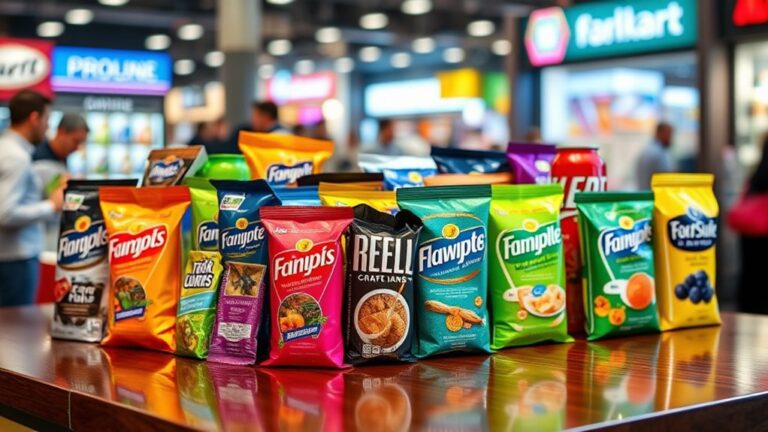
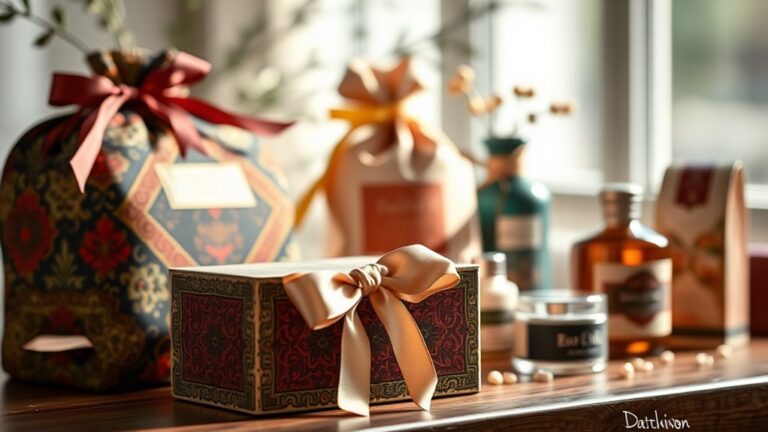
You'll capture attention instantly with your packaging design when you create a visually stunning experience that resonates with your target audience. You're tailoring your design to their preferences and values by using a color scheme that aligns with your brand message. You're likewise selecting font styles that reflect your brand personality and improve readability. By prioritizing aesthetics and emotional resonance, you're overcoming common design mistakes. Now, you're ready to take your packaging design to the next level with strategic material selections and label designs that tell a story.
Understanding Target Audience
When designing attention-capturing packaging, you're working in the direction of a specific goal: to appeal to your target audience. To achieve this, you must comprehend who they are, what they want, and what drives their purchasing decisions. Conducting a demographic analysis is vital in identifying your target audience's characteristics, such as age, gender, income, and occupation. This information helps you create packaging that resonates with them.
You're likewise analyzing consumer behavior to determine how your target audience interacts with your product and packaging. This involves studying their shopping habits, preferences, and pain points. By comprehending consumer behavior, you can design packaging that addresses their needs and stands out from the competition. For instance, if your target audience is environmentally conscious, you may opt for eco-friendly packaging materials or designs that convey sustainability.
Packaging Design Principles
You're now considering the packaging design principles that'll make your product stand out, and it's time to think about the color scheme that'll appeal to your target audience. You're looking to choose a color scheme that resonates with your brand's message and values, and you'll need to select design elements that support it. By choosing the right color scheme and design elements, you can create packaging that captures attention and communicates your brand's unique identity.
Color Scheme
Designing a color scheme for packaging involves looking at it from multiple angles, reflecting on how it'll appear on store shelves, online, and in consumers' hands. You're creating a visual identity that'll capture attention instantly, so it's vital to get it right. Color psychology plays a significant role in this process, as different colors evoke distinct emotions and reactions. You'll want to choose colors that align with your brand's personality and message.
When selecting a color scheme, you'll additionally need to reflect on color contrast. You want your packaging to stand out, not blend in with the competition. By using contrasting colors, you can create visual interest and make your product more noticeable. You're aiming to stop consumers in their tracks, so don't be afraid to experiment with bold, bright colors. Remember, your color scheme is often the first thing consumers notice, so it's fundamental to make a lasting impression. By applying color psychology and contrast effectively, you can create a color scheme that drives sales and boosts your brand's recognition.
Design Elements
Beyond the color scheme, it's the design elements that bring your packaging to life, and they're fundamental in capturing consumers' attention. You're creating a visual identity that sets your product apart, and it's vital to get it right. When designing your packaging, you'll want to establish a typography hierarchy that guides the consumer's eye through the information. This means using varying font sizes, styles, and weights to create a clear visual flow.
To achieve visual balance, you'll need to contemplate the placement of design elements, such as images, logos, and text. You're aiming for a harmonious composition that doesn't overwhelm the consumer. By striking the right balance, you'll create a packaging design that's both aesthetically pleasing and effective at communicating your brand's message. You'll want to experiment with different layouts and arrangements to find the perfect balance that captures attention and drives sales. Effective design elements will make your packaging stand out on crowded shelves.
Color Scheme Selection
You're selecting a color scheme for your packaging, and you need to contemplate your color choice carefully, as it will greatly impact the overall design. When choosing a color, you'll have various hue options to pick from, each with its own unique effect on the viewer. You'll additionally need to think about tone effects, as they can dramatically alter the mood and perception of your packaging, making it more or less attention-grabbing.
Color Choice
With a vast array of colors to choose from, selecting the right color scheme for your packaging can be overwhelming, but it's vital to capturing customers' attention. You'll want to reflect on color psychology and cultural implications when making your decision. Different colors can evoke different emotions and convey different messages, so it's important to choose a scheme that aligns with your brand's values and target audience.
| Color | Emotion |
|---|---|
| Red | Energy, excitement |
| Blue | Trust, loyalty |
| Green | Nature, growth |
| Yellow | Happiness, optimism |
| Purple | Luxury, creativity |
You should contemplate how your target audience will perceive your packaging and make a color choice that resonates with them. By grasping color psychology and cultural implications, you can create a packaging design that stands out and captures attention instantly. This will help you build a strong brand identity and connect with your customers on a deeper level, driving sales and growth for your business.
Hue Options
Selecting a color scheme that resonates with your target audience involves looking into various hue options, delving into different combinations to find the one that works best for your brand. You'll want to reflect on hue psychology, as it plays a significant role in capturing attention and evoking emotions. By comprehending how different hues interact with each other, you can create a harmonious palette that resonates with your audience.
When exploring hue options, you should additionally think about hue contrast, as it can make or break your packaging design. You want to create a visual balance that's neither too dull nor too overwhelming. By striking the right balance between contrasting hues, you can create a visually appealing design that grabs attention instantly. As you experiment with different hue combinations, remember to keep your target audience in mind and tailor your design to their preferences. This will help you create packaging that stands out and leaves a lasting impression.
Tone Effects
Delving into the domain of tone effects, designers must consider how different tones can improve or undermine their packaging design, depending on how they're used in conjunction with other elements. You'll find that tone variations can greatly influence the emotional impact of your packaging, so it's vital to get it right. By experimenting with different tone combinations, you can create a unique visual identity that resonates with your target audience.
When selecting tone effects, you should think about the message you want to convey and the emotions you want to evoke. For instance, bright and bold tones can create a sense of excitement, whereas muted tones can convey a sense of sophistication. You can use tone effects to create contrast, add depth, or draw attention to specific design elements. By carefully considering tone variations and their emotional impact, you can design packaging that captures attention instantly and leaves a lasting impression on your customers.
Font Style Choices
You're looking at font styles from a variety of angles, considering how they'll appear on your packaging, and font style choices can make or break the overall design. It's vital to select font combinations that not only reflect your brand's personality but also improve readability factors. You'll want to guarantee the text is clear, concise, and easy to read, even from a distance.
When choosing font styles, you should consider the emotional impact they'll have on your target audience. Some font styles can evoke feelings of excitement, luxury, or playfulness, whereas others can convey a sense of professionalism or simplicity. You can use the following font styles to evoke emotion:
- Bold fonts to convey confidence and strength
- Script fonts to add a touch of elegance and sophistication
- Modern sans-serif fonts to create a sense of innovation and forward thinking
- Vintage fonts to evoke a sense of nostalgia and tradition
- Handwritten fonts to add a personal and human touch
Image Placement Strategies
As you move on to designing the visual aspects of your packaging, it’s crucial to contemplate where images will be placed to maximize their impact. You’ll want to create an image hierarchy that guides the viewer’s eye through your packaging. This hierarchy should be carefully planned to draw attention to the most important elements, such as your brand’s logo or a key product feature. By establishing a clear visual flow, you’ll be able to communicate your message more effectively and create a lasting impression on potential customers. Additionally, consider the use of color and typography to complement your image hierarchy, as these elements can evoke emotions and set the tone for your brand. Pay attention to how these factors interact with your imagery to create a cohesive look that resonates with your target audience. Understanding how to enhance packaging design involves testing different layouts and gathering feedback to fine-tune your visual strategy, ultimately ensuring that your packaging stands out on the shelves.
When placing images on your packaging, consider creating focal points that capture the viewer's attention. These focal points can be used to highlight specific product benefits or unique selling points. You can use high-quality images, bold graphics, or contrasting colors to create visual interest and make your packaging stand out. It's equally important to balance your images with negative space to avoid overwhelming the viewer. By striking the right balance between imagery and empty space, you'll be able to create a visually appealing design that communicates your brand's message with clarity and precision. Effective image placement strategies will help you design packaging that captures attention instantly and leaves a lasting impression on your target audience.
Material Selection Process
Your packaging's material can make or break its overall impact, so it is crucial to choose the right one. You're not just selecting a material to hold your product, you're creating an experience for your customers. Regarding material selection, you have a wide range of options, from traditional paper and plastic to innovative, sustainable materials. Consider what kind of texture and feel you want your packaging to have – do you want it to be smooth, rough, or something in between? The texture options are endless, and it is your responsibility to decide what's best for your brand.
As you explore different materials, think about what will evoke an emotional response from your customers. You can use:
- Sustainable materials that show your commitment to the environment
- Unique textures that add an extra layer of sensory experience
- Bold colors that grab attention and stand out on shelves
- Innovative materials that provide a futuristic feel
- Recyclable materials that reduce waste and promote eco-friendliness
Brand Identity Creation
Designing attention-capturing packaging involves looking beyond the material and into the heart of what makes your brand tick, which is where brand identity creation comes in – stepping into the territory of your customer, getting inside their head, and figuring out what resonates with them. You're not just creating a product, you're creating an experience that reflects your brand values and leaves a lasting impression. To do this, you need to understand what drives your customer's behavior and what motivates them to engage with your brand.
As you explore brand identity creation, you'll discover that it's all about crafting a narrative that speaks to your audience. Visual storytelling is an influential tool that helps you convey your brand's message and values in a way that's both authentic and compelling. You're telling a story that showcases your brand's personality, and the packaging is the canvas where this story unfolds. By incorporating your brand values into the design, you're creating a cohesive visual language that resonates with your target audience. This language is what sets you apart from the competition and makes your brand memorable. By focusing on brand identity creation, you're laying the foundation for a packaging design that truly captures attention and leaves a lasting impression on your customers.
Label Design Considerations
Many factors come into play when it's time to create labels that complement your packaging, and you'll need to contemplate several key elements to get it right. You're not just slapping a sticker on a box; you're creating an essential part of your brand's identity. Consider the label shape, material, and size – will it be a standard rectangle or something more unique? The label material is likewise vital, as it can affect the overall look and feel of your packaging.
When designing your label, think about the label graphics, typography, and functionality. Will it be eye-catching and easy to read? You'll additionally need to verify your label complies with label regulations and considers label sustainability. To evoke emotion and create a lasting impression, consider the following:
- Bright, bold colors that grab attention
- Innovative label shapes that stand out on store shelves
- High-quality label materials that convey a sense of luxury
- Beautiful, custom label graphics that tell a story
- Clear, easy-to-read label typography that communicates your brand's message
Packaging Shape Options
You're not limited to traditional rectangular packaging – it's time to think outside the box. Unique shapes can help your product stand out on store shelves and capture attention instantly. When designing packaging, consider functional designs that not only protect the product but additionally improve the user experience.
| Packaging Type | Description |
|---|---|
| Spherical | Ideal for products that require a 360-degree view |
| Triangular | Suitable for products with unique dimensions or shapes |
| Cylindrical | Perfect for products that require a compact, space-saving design |
| Hexagonal | Great for products that need to be stacked or displayed in a honeycomb pattern |
| Curved | Excellent for products that require a soft, ergonomic design |
Frequently Asked Questions
What Is Packaging Design Cost?
You're probably thinking packaging design is cheap, but it's not. You're investing in design software and premium packaging materials, which isn't it? You're actually creating a brand, and that costs. You're using design software to craft unique designs, and high-quality packaging materials to make it stand out, and that's worth every penny, isn't it?
Can I DIY Packaging Design?
You're considering DIY packaging design, which can be a great way to save costs. You can use DIY techniques and get creative with materials like paper, ink, and fabric. By experimenting with unique textures and colors, you're creating innovative packaging that stands out, and it's all thanks to your resourcefulness and ability to think outside the box.
Is Eco-Friendly Packaging Expensive?
You're wondering if eco-friendly packaging is expensive. When considering sustainable materials, you're making a smart move. Conduct a cost comparison to find affordable options. You'll find that eco-friendly packaging can be budget-friendly, and it's a great way to innovate and reduce waste, which is a win for you and the environment.
How Long Does Design Take?
You're wondering how long design takes. It depends on the design process and various timeline factors. You'll need to contemplate complexity, revisions, and stakeholder input. Typically, it can take anywhere from a few days to several weeks. You're in control, so prioritize your needs and set a timeline that works for you, driving innovation and efficiency in your design process.
Do I Need Packaging Insurance?
You're considering packaging insurance, and that's a smart move. You're mitigating packaging risks, which can be costly. By investing in insurance, you're gaining insurance benefits, such as financial protection and peace of mind. You're proactively managing potential losses, and that's innovative thinking, don't you think? It's a forward-thinking approach that'll benefit you in the long run, won't it?