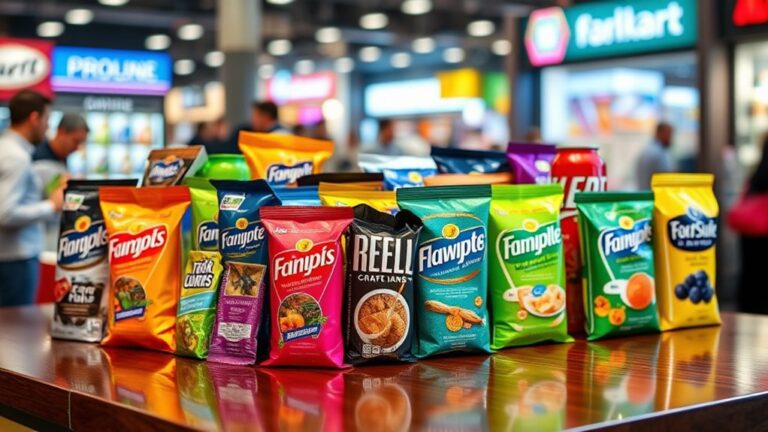
When incorporating interactive elements in packaging design, you'll want to start by comprehending your goals and target audience's motivations. This will help you choose the right interactive features that drive engagement and brand recall. Consider analyzing user feedback, monitoring market trends, and focusing on feasible and cost-effective options. To enhance the unboxing experience, incorporate playful surprises and tactile elements that engage the sense of touch. By doing so, you'll create a memorable experience that encourages social sharing and drives loyalty. Now, explore how you can balance function and aesthetics to take your packaging design to the next level.
Understanding Interactive Packaging Goals
Set clear objectives for your interactive packaging design by identifying what you want to achieve with your innovative packaging. What do you want your customers to feel, think, or do when they interact with your product? Are you looking to build brand loyalty, drive sales, or simply create a memorable user experience? Establishing specific goals will help you determine the most effective interactive elements to incorporate into your design.
When it comes to interactive packaging, the user experience is paramount. You want to create a connection with your consumer that goes beyond the initial purchase. By comprehending what motivates your target audience, you can design packaging that resonates with them on an emotional level. Consider how you can use interactive elements to tell your brand's story, convey key product benefits, or even provide entertainment value. The key is to create a meaningful consumer connection that nurtures loyalty and encourages repeat business.
As you define your objectives, keep in mind the role interactive packaging plays in the broader customer experience. How will your packaging fit into the overall brand journey? Will it complement or contrast with other touchpoints, such as social media or in-store promotions? By considering these questions, you'll be well on your way to designing interactive packaging that meets your goals and leaves a lasting impression on your customers.
Choosing the Right Interactive Elements
With numerous interactive elements to select from, picking the right ones for your packaging design can be overwhelming. You'll need to take into account various factors to guarantee you're making the most of your design.
Start by analyzing user feedback from previous packaging designs or similar products in your market. This will give you valuable insights into what users like and dislike about interactive elements. You should likewise keep an eye on market trends to see what's currently popular and what's likely to be a hit with your target audience.
Reflect on your design constraints, too. Think about the size, shape, and material of your packaging, in addition to any production limitations. This will help you narrow down the options and focus on interactive elements that are feasible and cost-effective.
Finally, think about your users' preferences. What do they want to get out of their interaction with your packaging? Do they want to access more information, play a game, or simply have a unique experience? By comprehending their needs and desires, you can choose interactive elements that resonate with them and create a memorable experience.
Designing for User Engagement
As you design packaging that sparks user engagement, you'll want to incorporate elements that evoke a sense of playful surprise, making the unboxing experience a thrill. You'll likewise need to contemplate the tactile nature of your design, as the feel and texture of your packaging can greatly impact how users interact with it. By slowing down the storytelling process, you can create an unfolding narrative that keeps users invested and curious.
Playful Surprises Await
You often find yourself eagerly unwrapping a newly purchased product, only to be met with a dull, uninspiring experience. But what if that experience could be transformed into something magical? By incorporating playful surprises into your packaging design, you can create an unforgettable unboxing experience that leaves a lasting impression on your customers.
Imagine running your fingers over playful textures, like ridged cardboard or soft-touch finishes, as you unwrap your new purchase. Or, picture the excitement of surprise reveals, where a cleverly designed flap or hidden compartment yields a delightful surprise. These interactive elements can evoke a sense of childlike wonder, making the unboxing experience feel like a special treat.
Tactile Experience Matters
Beyond the visual appeal of packaging design, a tactile experience matters in creating a memorable unboxing experience. As you design your packaging, consider how you can engage your customers' sense of touch. Incorporate materials that evoke tactile sensations, such as textured paper, soft-touch finishes, or embossed designs. These sensory details can create an emotional connection with your brand, making the unboxing experience more enjoyable and memorable.
When designing for sensory engagement, think about how your packaging can stimulate your customers' senses. For example, a luxurious perfume bottle might feature a heavy, weighted base that conveys premium quality. A gourmet food product might incorporate a matte finish that invites touch. By incorporating tactile elements, you can create a multisensory experience that sets your brand apart from the competition. Remember, the tactile experience is just as important as the visual appeal of your packaging. By combining both, you can create a truly immersive and engaging unboxing experience that leaves a lasting impression.
Storytelling Unfolds Slowly
Packaging design that tells a story unfolds slowly, layer by layer, revealing its narrative through carefully crafted interactive elements. As you design your packaging, you're not just presenting a product – you're crafting an experience. By controlling the narrative pacing, you can build anticipation, create suspense, and ultimately, evoke emotional resonance with your customer.
Think of it like a treasure chest: each layer reveals a new surprise, a new chapter in the story. The outer packaging might introduce the brand's personality, whereas the inner packaging reveals the product's features and benefits. You can use interactive elements like fold-outs, pop-ups, or hidden compartments to create an immersive experience.
As the customer engages with your packaging, they become an active participant in the story. You're not just selling a product – you're creating a connection. And that connection is what drives loyalty, advocacy, and ultimately, business success. By designing interactive elements that unfold slowly, you're investing in a narrative that will resonate with your customers long after they've opened the package.
Balancing Function and Aesthetics
The sweet spot of effective packaging design lies at the intersection of function and aesthetics, where every element serves a purpose without sacrificing visual appeal. You're not merely creating a container for your product; you're crafting an experience that resonates with your target audience.
When balancing functionality and creativity, keep in mind that each aspect informs the other. A well-designed package should guide the user's experience, making it easy to access and use the product while additionally conveying your brand's message. Visual harmony is key to achieving this balance. Verify that every element, from typography to color palette, works together to create a cohesive look that's both functional and visually appealing.
To strike the perfect balance, ask yourself: Does each design element serve a purpose, or is it merely decorative? Does the packaging effectively communicate the product's benefits and features? Are the materials and construction durable and sustainable? By considering these factors, you'll create packaging that stands out on store shelves and improves the user experience. By integrating interactive elements, you can take your packaging to the next level, encouraging users to engage with your brand on a deeper level.
Integrating Digital and Physical
When integrating digital and physical elements, it's crucial to prioritize user experience. Make certain that the physical interaction with the packaging is intuitive and easy to use, and that the digital components improve, rather than detract from, the overall experience. By striking the right balance between digital integration and physical interaction, you can create packaging that truly stands out and leaves a lasting impression on your target audience.
Measuring Interactive Packaging Success
You've invested time and resources into creating interactive packaging that wows your target audience, but how do you know it's paying off? Measuring the success of interactive packaging is essential to comprehending its impact on your brand and customers. To do this, you'll need to establish clear metrics for evaluation.
Start by tracking engagement metrics such as scan rates, click-through rates, and time spent interacting with your packaging. These metrics will give you a sense of how well your packaging is resonating with customers. Next, analyze customer feedback through surveys, social media, and reviews. This will provide valuable insights into what customers like and dislike about your interactive packaging.
Use this data to refine your packaging design and make data-driven decisions. For example, if customers are consistently complaining about the difficulty of accessing digital content, you might need to simplify the process. Conversely, if customers are raving about a particular interactive feature, you could consider amplifying it in future designs.
Frequently Asked Questions
Can I Use Interactive Packaging for Luxury or High-End Products?
Are you willing to settle for anything less than extraordinary for your luxury brand? You shouldn't. Interactive packaging can enhance your high-end products, amplifying their luxury appeal and encouraging consumer engagement. By incorporating innovative designs, you'll create an immersive experience that resonates with discerning customers. Think bespoke unboxing, tactile interactions, or clever reveals – the possibilities are endless. Your luxury brand deserves packaging that's just as exceptional, don't you think?
How Do I Ensure Interactive Elements Are Accessible to All Users?
When designing interactive elements, you'll want to make sure they're accessible to all users. You prioritize user experience by considering design accessibility from the start. Ask yourself, can users with disabilities easily interact with your packaging? Do your interactive elements accommodate different learning styles and abilities? By designing with accessibility in mind, you'll create an inclusive experience that resonates with a broader audience, in the end enhancing your brand's reputation.
Can Interactive Packaging Be Used for E-Commerce or Online Sales?
Envision receiving a mysterious box that whispers secrets as you unwrap it. You're no longer just a customer, but an adventurer. That's the magic of interactive packaging in e-commerce. By incorporating smart packaging technology, you can create an immersive experience that boosts user engagement, even in the online sphere. It's no longer just about delivery; it's about crafting a memorable encounter that sets your brand apart. So, go ahead and weave your brand's narrative into the packaging – your customers will thank you.
Are There Any Specific Regulations for Interactive Packaging Materials?
When you're designing innovative packaging, you'll need to take into account regulations for interactive materials. You'll want to verify the materials you choose are safe for consumers, meeting material safety standards. Furthermore, you'll need to comply with labeling requirements, which may vary by region and product type. Researching these regulations upfront will save you time and headaches down the line, allowing you to focus on creating an engaging, interactive experience for your customers.
Can I Use Interactive Packaging for Perishable or Fragile Items?
When dealing with perishable or fragile items, you'll need to prioritize safety considerations above all. Interactive packaging can work, but you'll need to choose materials that guarantee material durability. Think flexible, shock-absorbing materials that can withstand handling and transportation. You might consider using inserts or dividers to keep items separate and secure. By doing so, you can create an engaging unboxing experience as you keep your products safe and intact.