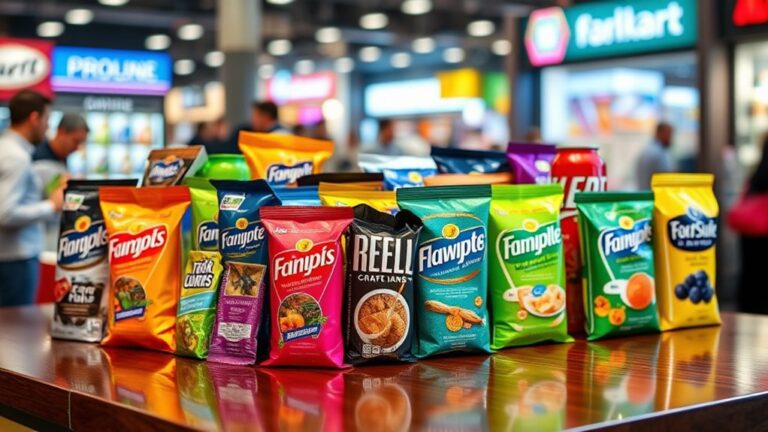
To incorporate local influences into global packaging designs, you'll need to dig deeper into the intricacies of local consumer preferences, cultural nuances, and regional design trends. Start by comprehending local consumers' values, shopping habits, and lifestyle to create effective packaging designs. Then, research regional design trends, local imagery, and cultural references to guarantee your designs resonate with diverse audiences. Balance consistency with localization by adapting your brand identity to accommodate regional differences. By doing so, you'll be able to create unique brand experiences that authentically represent local cultures and cultivate strong connections with consumers – and there's more to explore on this path to creating impactful global packaging designs.
Understand Local Consumer Preferences
When plunging into a new market, it is essential to grasp the intricacies of local consumer preferences to create packaging designs that resonate with your target audience. You must explore the psyche of your potential customers to understand what drives their purchasing decisions. This involves analyzing consumer behavior, including shopping habits, values, and lifestyle. By doing so, you'll be able to identify patterns and preferences that can inform your packaging design.
Regional tastes play a significant role in shaping consumer preferences. For instance, certain colors or imagery may evoke different emotions in various cultures. In some markets, sustainability is a top priority, whereas in others, convenience is key. You need to be aware of these regional nuances to create packaging that resonates with local consumers. This might involve using locally-inspired design elements, such as traditional patterns or motifs, to create a sense of familiarity and cultural connection.
Research Regional Design Trends
You've done your homework on local consumer preferences, now it's time to explore the visual environment of your target region. Researching regional design trends is vital in comprehending what resonates with your target audience. You'll want to identify the design influences that shape the local aesthetic, from typography to color palettes.
Conduct market research to gather insights on the visual elements that dominate the local packaging environment. Analyze the design trends that are currently popular, and identify patterns or common themes. This will help you grasp what design elements are most likely to appeal to your target audience.
Look at the work of local designers, artists, and brands to get a sense of the region's unique visual identity. Identify the cultural and historical references that influence design in the region. You might discover that certain colors or patterns hold significant meaning in the local culture.
Balance Consistency With Localization
As you balance consistency with localization, you'll need to contemplate the cultural nuances of your target region, ensuring your packaging design resonates with local consumers. Your global brand guidelines will need to flex to accommodate these regional differences, allowing for a level of customization that still maintains your brand's overall identity. By integrating local flair into your design, you can create a unique and authentic brand experience that sets you apart from competitors.
Cultural Nuance Matters
One crucial aspect of balancing consistency with localization is comprehending that cultural nuances can make or break a product's success in a foreign market. You must be aware of the subtleties that can offend or resonate with local consumers. Cultural sensitivity is key to avoiding costly mistakes. For instance, during the time that the color white symbolizes purity and innocence in Western cultures, it represents mourning in many Asian cultures.
To guarantee design authenticity, consider the following:
- Research local customs and traditions: Understand what is acceptable and what's not in your target market.
- Use local imagery and symbolism: Incorporate elements that resonate with local consumers to create an emotional connection.
- Test your design with local focus groups: Get feedback from your target audience to confirm your design is culturally sensitive and effective.
Global Guidelines Flex
By now, you've got a solid grasp of cultural nuances and their impact on packaging design. Now it's time to balance consistency with localization by introducing global guidelines flex. This means creating a framework that allows for packaging adaptability during maintaining a unified brand image. Think of it as a flexible blueprint that guides your design decisions, rather than a rigid set of rules.
To achieve global flexibility, you'll need to identify the non-negotiable elements of your brand's visual identity, such as logos, color schemes, and typography. These elements should remain consistent across all markets. Then, define areas where you can accommodate local tastes and preferences, such as imagery, messaging, and even packaging shapes and sizes. By doing so, you'll be able to adapt your packaging to local markets without sacrificing brand recognition.
Local Flair Integration
To effectively integrate local flair into your packaging design, you need to strike a balance between consistency and localization. This means ensuring that your brand's global identity remains intact as you still incorporate unique elements that resonate with local markets.
- Collaborate with local artisans: Partner with local designers or artists to infuse your packaging with regional nuances. This can include incorporating traditional patterns, colors, or imagery that are meaningful to the local culture.
- Incorporate regional materials: Use materials that are locally sourced or recycled to add an authentic touch to your packaging. This can as well help reduce your carbon footprint and appeal to environmentally conscious consumers.
- Design collaborations: Work with local design firms or studios to co-create packaging that is both globally consistent and locally relevant. This can help you tap into local knowledge and expertise as you ensure that your brand's overall aesthetic remains cohesive.
Consider Cultural and Regulatory Nuances
Cultural and regulatory nuances can be a minefield for packaging designers, especially when venturing into unfamiliar markets. You need to be aware of the subtle differences that can make or break your product's success. Regulatory compliance is vital, as laws and regulations vary greatly from country to country. You must guarantee your packaging meets the required standards, from labeling to ingredient disclosure. Failure to comply can result in costly recalls, fines, or even a complete ban on your product.
Cultural sensitivity is just as important. What works in one market may offend or confuse in another. You need to understand the local culture, values, and preferences to create packaging that resonates with your target audience. For instance, colors can have different meanings in various cultures. Although white is often associated with purity in Western cultures, it's a symbol of mourning in many Asian cultures. Similarly, certain imagery or branding elements may be perceived as offensive or inappropriate in certain regions.
To navigate these intricacies, research is key. You should conduct thorough market research, consult with local experts, and test your packaging designs with focus groups. This will help you identify potential pitfalls and guarantee your packaging is both compliant and culturally sensitive. By doing so, you can avoid costly mistakes and create packaging that truly connects with your global audience.
Incorporate Local Imagery and Iconography
When designing packaging for a specific region, you'll want to contemplate incorporating local imagery and iconography that resonate with the target audience. Regional symbolism matters, as it helps create an emotional connection with consumers and sets your product apart from competitors. By using cultural icons that are familiar to locals, you can build brand loyalty and establish a sense of authenticity.
Regional Symbolism Matters
Many packaging designs fall flat as a result of their neglect to tap into the rich symbolism surrounding regional icons and imagery. You can avoid this mistake by incorporating local symbolism that resonates with your target audience. This approach not only shows respect for the local culture but likewise helps your brand connect with consumers on a deeper level.
Regional symbolism matters since it provides an opportunity for cultural representation. By using local icons and imagery, you can create packaging that feels authentic and relevant to your target market. Here are some ways to incorporate regional symbolism into your packaging design:
- Use local flora and fauna: Incorporate images of plants, animals, or natural elements that are unique to the region. This can help create a sense of place and connection to the local environment.
- Incorporate cultural motifs: Use patterns, colors, or symbols that are specific to the local culture. This can add an extra layer of meaning and significance to your packaging.
- Reference local landmarks or architecture: Incorporate images or elements that are inspired by local landmarks, buildings, or monuments. This can help create a sense of familiarity and connection to the local community.
Cultural Icons Unite
Through the strategic use of local imagery and iconography, you can tap into the collective identity of your target audience, creating an instant sense of connection and community. Cultural icons have the influence to evoke emotions, spark nostalgia, and convey values that resonate deeply with locals. By incorporating these icons into your packaging design, you're not just decorating your product – you're telling a cultural story that speaks directly to your audience.
Effective iconographic representation can be as simple as incorporating a national symbol, like the Japanese cherry blossom or the Indian peacock, into your design. Or, it can be more nuanced, like using a local pattern or motif that holds cultural significance. The key is to understand the cultural context and significance of the icon you're using, and to use it in a way that feels authentic and respectful. By doing so, you'll create a sense of ownership and pride among your target audience, making your product feel more like a local treasure than a global brand.
Test and Refine Packaging Designs
About three-quarters of the way into your packaging design process, it's vital to test and refine your designs to guarantee they resonate with your target audience. You've invested time and effort into incorporating local influences, but it's important to validate your design decisions. User testing is a significant step in ensuring your packaging design effectively communicates your brand's message and resonates with local consumers.
During this phase, you'll uncover valuable insights that'll help you refine your design. You may find that certain design elements, such as color schemes or typography, don't resonate with your target audience as expected. This is an opportunity to make adjustments and iterate on your design.
Here are three key aspects to focus on during user testing and design iterations:
- Cultural relevance: Does your packaging design accurately reflect the local culture and values? Are there any cultural nuances you may have overlooked?
- Visual appeal: How do consumers respond to your packaging design's visual elements, such as color, typography, and imagery? Are there any areas for improvement?
- Functional clarity: Is your packaging design functional and easy to use? Do consumers understand the product's benefits and features?
Frequently Asked Questions
How Do I Measure the Success of Localized Packaging Designs?
You'll know your localized packaging design is a hit when you see it resonating with your target market. To measure success, you'll want to collect consumer feedback through surveys, social media, and in-store interactions. Track sales and market share growth, too. If you're seeing an uptick in engagement and sales, it's likely your design is striking the right chord. Analyze the data to refine your approach and make adjustments as needed to continue impressing your target audience.
Can I Use a Single Design for Multiple Regions?
Did you know that 70% of consumers prefer products with local flair? Regarding the use of a single design for multiple regions, you'll want to reflect on regional variations that cater to unique tastes and preferences. Although a single design might seem efficient, it's essential to prioritize design adaptability to resonate with diverse audiences. By doing so, you'll create a more authentic connection with consumers and increase brand loyalty.
What Is the Ideal Balance Between Consistency and Localization?
You're wondering how to strike the ideal balance between consistency and localization. It's a delicate dance between maintaining a strong global identity and injecting regional appeal. You want your brand to be recognizable worldwide, but likewise resonate with local tastes and preferences. Aim for a 60/40 split: 60% consistent branding elements and 40% customized to regional nuances. This balance will give you a cohesive global image during allowing for flexibility to adapt to local markets.
How Do I Prioritize Cultural Nuances Over Design Aesthetics?
As you navigate the intricate fabric of global markets, you're faced with a delicate dilemma: how to prioritize cultural nuances over design aesthetics. Envision a lively bazaar, where every stall whispers a unique cultural narrative. To truly resonate with local audiences, you must be design adaptive, embracing cultural sensitivity in your packaging. By doing so, you'll create a visual language that speaks directly to their hearts, transcending mere aesthetics and forging lasting connections.
Can I Outsource Localization to a Third-Party Agency?
You're wondering if outsourcing localization to a third-party agency is the way to go. The benefits of outsourcing can be significant, freeing up your time to focus on high-level strategy. By collaborating with an agency, you'll tap into their expertise and gain access to a team of localization specialists. This partnership can help you navigate cultural nuances and guarantee your packaging designs resonate globally.