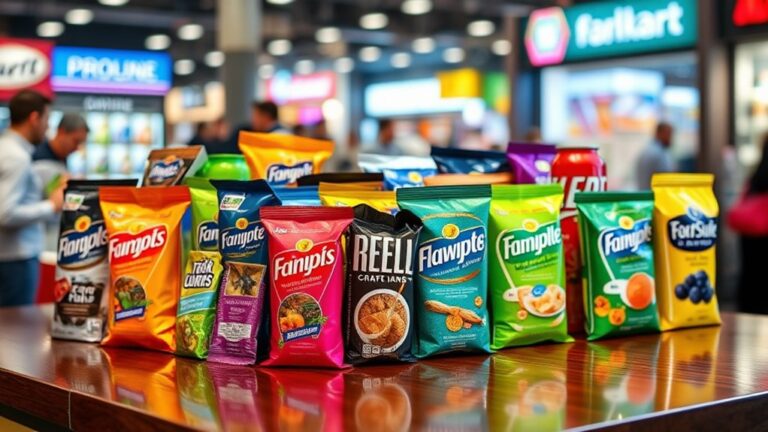
To incorporate QR codes and augmented reality (AR) into your packaging design, start by placing QR codes prominently for easy scanning. Make sure they're near relevant product info, and keep their size appropriate. For AR, create engaging experiences that highlight your product's story or features through interactive content. Utilize color and typography that resonate with your brand. Remember to gather user feedback and analyze engagement metrics to refine your designs continually. By following these steps, your packaging will not just stand out but additionally enhance the customer experience in exciting ways. There's more to discover about maximizing these technologies!
Understanding QR Codes
QR codes, those pixelated squares you often see on products and advertisements, are potent tools for connecting the physical and digital worlds. You might be surprised to learn that their history dates back to the mid-1990s when Denso Wave, a subsidiary of Toyota, developed them to track automotive parts. This innovation has evolved into something much bigger, making QR codes a staple in modern marketing and packaging design.
When you think about QR code types, you'll find several variations, each serving unique purposes. The most common is the standard QR code, which can store URLs, text, or contact information. You may additionally encounter dynamic QR codes, allowing you to change the embedded information without altering the code itself—perfect for time-sensitive promotions. Then there are QR codes that support multimedia elements, such as videos or augmented reality experiences, enhancing consumer engagement.
As you explore how to use QR codes in packaging design, consider their versatility. They can bridge the gap between traditional marketing and state-of-the-art technology, enabling customers to access additional content or offers with a simple scan. The ability to track user interactions with these codes gives you valuable insights into consumer behavior, allowing for more customized marketing strategies. Embracing QR codes can uplift your packaging, making it not just a vessel for your product but a dynamic point of interaction that captures consumer interest.
Benefits of QR Codes
In today's fast-paced market, leveraging QR codes can greatly improve your packaging strategy. By integrating these digital tools, you can boost customer engagement and boost your overall marketing strategy. QR codes bridge the gap between physical products and digital experiences, allowing you to provide customers with instant access to valuable content.
Here's a quick look at some key benefits:
| Benefit | Description |
|---|---|
| Improves Customer Experience | Allows customers to access additional information easily. |
| Increases Engagement | Encourages interaction through promotions or videos. |
| Collects Valuable Data | Gathers insights on customer behavior and preferences. |
| Cost-Effective Marketing | Reduces printing costs by linking to online content. |
By placing a QR code on your packaging, you invite customers to scan and explore. This improved experience can lead to higher satisfaction and loyalty. Plus, the data you collect can inform your marketing strategy, helping you tailor future campaigns to better meet your audience's needs.
Furthermore, QR codes can direct customers to special offers, social media pages, or even customer reviews. This seamless shift from product to digital space not only boosts your brand image but also sets you apart in a crowded marketplace.
Incorporating QR codes into your packaging design isn't just a trend; it's an innovative approach to connect with consumers. Embrace this technology to improve your customer engagement and drive your marketing strategy forward.
Introduction to Augmented Reality
As technology evolves, augmented reality (AR) is becoming an exciting frontier in packaging design. You're likely aware that AR improves real-world environments with digital overlays, and it opens up incredible possibilities for brand interaction. Envision your customers engaging with your products through their smartphones, accessing interactive content that brings your packaging to life.
Augmented reality applications in packaging allow you to create immersive experiences that captivate and inform. Instead of merely a static label, think of your product as a gateway to a dynamic world. When customers scan a QR code or a specific graphic on the packaging, they can access animations, videos, or even 3D models that showcase your product in action. This level of engagement not only educates but also entertains, making your brand memorable.
By integrating AR into your packaging design, you're not merely selling a product; you're offering a multi-sensory experience that resonates with tech-savvy consumers. The beauty of AR lies in its versatility—you can use it for storytelling, tutorials, or even gamification, turning a simple unboxing into an unforgettable expedition.
As you explore how to incorporate AR into your packaging, keep in mind the importance of user experience. A seamless interaction will not only improve brand loyalty but also encourage word-of-mouth marketing. By embracing this innovative technology, you'll position your brand at the forefront of a new trend that's poised to reshape how consumers connect with products.
Advantages of AR in Packaging
Augmented Reality (AR) in packaging offers you a unique way to improve user engagement, making your products more appealing. By integrating AR, you create an interactive brand experience that captivates consumers and encourages them to connect with your brand on a deeper level. Plus, it makes accessing product information effortless, ensuring your customers have everything they need at their fingertips.
Enhanced User Engagement
Often, brands that integrate augmented reality (AR) into their packaging design see a significant boost in user engagement. By offering an interactive experience, you can captivate consumers in ways traditional packaging simply can't. Envision your customers scanning a QR code and instantly accessing a 3D model of the product, or even an engaging story about its origin. This immediacy not only piques interest but additionally encourages deeper connections.
Utilizing AR allows you to gather valuable user feedback, helping you analyze consumer behavior in real-time. As customers interact with your AR elements, you can track their preferences and reactions, providing insights that shape future strategies. This data-driven approach helps you fine-tune your offerings to align with what your audience desires, nurturing loyalty and repeat business.
Furthermore, AR can transform mundane unboxing moments into memorable experiences. When consumers feel engaged and entertained, they're more likely to share their experiences on social media, amplifying your brand's reach. Embracing AR in packaging isn't just about innovation; it's about creating a lively ecosystem where customer interaction drives brand success.
Interactive Brand Experience
Transforming your packaging with augmented reality creates an interactive brand experience that captivates consumers like never before. By integrating AR, you can take your product's storytelling to a whole new level, allowing customers to engage with your brand in ways they never envisioned. Picture scanning a QR code and instantly entering a world of interactive storytelling, where your product's history, benefits, and unique features come to life right before their eyes.
These immersive experiences not only spark curiosity but also nurture a deeper emotional connection between your brand and your audience. When consumers can interact with your packaging, they're more likely to remember your product and share that experience with others. This word-of-mouth marketing can be invaluable in today's competitive environment.
Moreover, AR improves the overall unboxing experience, turning it into a memorable event. You're not just selling a product; you're offering an adventure that resonates with your customers. By leveraging this innovative technology, you position your brand as forward-thinking and customer-centric, paving the way for loyalty and repeat purchases. Embrace the future of packaging design and watch your brand engagement soar.
Product Information Accessibility
The integration of AR into packaging design greatly improves product information accessibility for consumers. By leveraging augmented reality, you can transform how users interact with your products, making crucial information instantly available and engaging. This level of information transparency not only improves the user experience but also cultivates trust in your brand.
Here are some advantages of using AR to boost product accessibility:
- Instant Information: Customers can access detailed product descriptions, nutritional facts, or usage instructions simply by scanning the packaging.
- Interactive Content: AR can provide interactive tutorials or demonstrations, improving comprehension of the product.
- Multilingual Support: You can offer information in multiple languages, catering to a diverse audience.
- Real-Time Updates: Easily update product information without reprinting packaging, ensuring customers always get the latest details.
- Engagement Metrics: Track how customers interact with your AR content, providing insights for future innovations.
Designing QR Code Integration
When you design QR code integration, think about where to place the code for maximum visibility and usability. Consider how the visual elements of your packaging can complement the QR code, ensuring it stands out without overwhelming the overall design. Balancing strategic placement with aesthetic appeal is key to creating an engaging experience for your customers.
Strategic Placement Techniques
In today's fast-paced market, strategically placing QR codes within packaging design can greatly improve user engagement. You want to guarantee that your QR codes not only stand out but likewise make sense within the context of your product. Here are some strategic placement techniques to contemplate:
- Front and Center: Position the QR code on the front of the package for maximum visibility.
- Natural Touchpoints: Place the code near product information or usage instructions to improve contextual relevance.
- Interactive Elements: Integrate the QR code into a design element, like a graphic or pattern, to draw attention whilst maintaining strategic visibility.
- Size Matters: Confirm your QR code is large enough to be scanned easily but not so large that it overwhelms the packaging.
- Call to Action: Include a brief, enticing message near the QR code to encourage consumers to engage.
Visual Design Considerations
Incorporating QR codes into packaging design requires careful attention to visual elements that improve both aesthetics and functionality. You want your QR codes to stand out during seamless integration with your overall design. Start by considering color psychology; colors evoke emotions and can influence consumer behavior. For instance, a lively color can attract attention, whereas softer hues can create a sense of trust. Choose colors that complement your brand and guarantee the QR code remains easily scannable against the background.
Next, focus on typography choices. The font you select should align with your brand identity and be legible even at smaller sizes. Avoid overly intricate fonts that might distract from the QR code itself. Instead, opt for clean, bold typography to convey additional information or calls to action that guide users toward scanning the code.
Finally, balance is key. Confirm your QR code doesn't overwhelm the packaging design while still being prominent enough to catch the eye. By thoughtfully considering these visual design elements, you'll improve your packaging's appeal and functionality, making it an influential tool for engaging your audience.
Creating AR Experiences
As technology continues to evolve, creating AR experiences has become essential for engaging consumers in innovative ways. By integrating AR storytelling into your packaging design, you can offer immersive experiences that captivate your audience and boost your brand. These experiences not only deepen consumer connections but also distinguish your products in a competitive market.
To effectively create AR experiences, consider the following strategies:
- Define Your Narrative: Establish a compelling story that resonates with your target audience, making them feel connected to your brand.
- Utilize Interactive Elements: Incorporate features like 3D models, animations, or gamified content to improve the user's experience and encourage engagement.
- Ensure Accessibility: Make sure your AR content is easily accessible through various devices and platforms, ensuring a seamless experience for everyone.
- Incorporate Feedback Mechanisms: Encourage users to share their thoughts and experiences, allowing you to refine and improve future AR offerings.
- Measure Impact: Track user interactions and engagement metrics to understand the effectiveness of your AR experiences and make data-driven decisions for improvement.
Best Practices for Implementation
Successful implementation of AR and QR codes into packaging design hinges on a well-structured approach. To make the most of these technologies, you need to adopt best practices that not just improve user experience but additionally align with your brand's vision. First, consider the user experience. Think about how your customers will interact with the codes. Make certain the experience is seamless, engaging, and adds value to their purchase.
Next, prioritize visibility. Confirm your QR codes and AR markers are easily scannable and prominently placed on the packaging. You want to draw attention without overwhelming the design. Use clear call-to-action prompts that guide customers on how to engage with the technology.
Moreover, test your implementation strategies rigorously. Conduct user testing to gather feedback and identify areas for improvement. This will help you fine-tune the experience and confirm it resonates with your target audience. Don't forget to track engagement metrics after launch. Analyzing data will provide insights into user behavior and highlight opportunities for further innovation.
Finally, keep your content fresh and updated. Regularly refresh the AR experiences and QR code links to maintain interest and encourage repeat interactions. By following these best practices, you'll create a packaging experience that not just captivates but also cultivates brand loyalty and drives sales. Embrace innovation, and watch your packaging design transform into a formidable marketing tool.
Case Studies and Examples
Innovative packaging design has seen remarkable transformations through the use of QR codes and augmented reality (AR), and several brands have effectively utilized these technologies to improve customer engagement. You might be curious about how these innovative brands have launched successful campaigns that captivate and inform consumers. Here are a few standout examples:
- Coca-Cola: Their "Share a Coke" campaign used QR codes to lead customers to personalized digital experiences, allowing users to find special messages or share content on social media.
- Heineken: The beer brand incorporated AR into their packaging, enabling customers to scan their cans and interact with engaging content, such as games and videos about their brewing process.
- Pepsico: They launched a campaign where customers could scan QR codes to reveal exclusive content, including behind-the-scenes footage of their advertising efforts, enhancing brand loyalty.
- L'Oreal: This beauty brand uses AR to let customers virtually try on makeup through their product packaging, transforming shopping into an interactive experience.
- Nestlé: With their "Good Food, Good Life" campaign, they incorporated QR codes on their packaging, connecting customers to recipes and dietary tips, nurturing a community around healthy eating.
These examples showcase how innovative brands are redefining packaging. By adopting QR codes and AR, they create successful campaigns that not only draw attention but also deepen customer connections, enhancing the overall brand experience.
Frequently Asked Questions
What ARe the Costs Associated With Implementing QR Codes and AR?
When you're considering implementing QR codes and AR, you'll find that technology investments can vary widely. The implementation costs often include software development, design adjustments, and ongoing maintenance. You might additionally need to invest in training staff to manage these innovations effectively. Although initial expenses can seem intimidating, keep in mind that the right technology can improve customer engagement and drive sales, making it a worthy investment in the long run.
How Do I Track the Effectiveness of QR Codes and AR?
To track the effectiveness of QR codes and AR, you'll want to implement various tracking methods. Use data analytics to gather insights on user engagement, scan rates, and time spent interacting with your content. Set up unique codes for different campaigns to distinguish their performance. By analyzing this data, you can refine your approach, optimize user experience, and guarantee your innovative efforts resonate with your audience, driving better results overall.
Can QR Codes Be Scanned Without an Internet Connection?
Can you really scan QR codes without an internet connection? Absolutely! With offline scanning, your device can still read the QR code's data if it doesn't require an online link. This relies on the QR functionality storing information directly in the code itself. So, whether you're in a remote location or just saving data for later, you can access valuable information without being online. It's a simple, innovative way to improve user experience!
What Types of Products Benefit Most From AR Packaging?
AR packaging can enhance various products, especially in consumer electronics, food packaging, and luxury goods. You'll find that cosmetics products benefit from interactive features, allowing consumers to visualize makeup application. Educational toys engage kids with immersive experiences, enriching learning. Fashion accessories can showcase how items complement outfits through virtual try-ons. By incorporating AR, you not only create an innovative experience but additionally deepen customer connections, making your products stand out in a competitive market.
ARe There Legal Considerations for Using QR Codes and AR?
When using QR codes and AR in your projects, you've got to take into account legal aspects. Privacy regulations are essential; make certain you're transparent about data collection and usage. Furthermore, protect your intellectual property by securing any content you create through these technologies. Innovating doesn't mean ignoring the law, so stay informed about compliance to avoid potential legal pitfalls, making sure your creative efforts thrive without unnecessary setbacks.