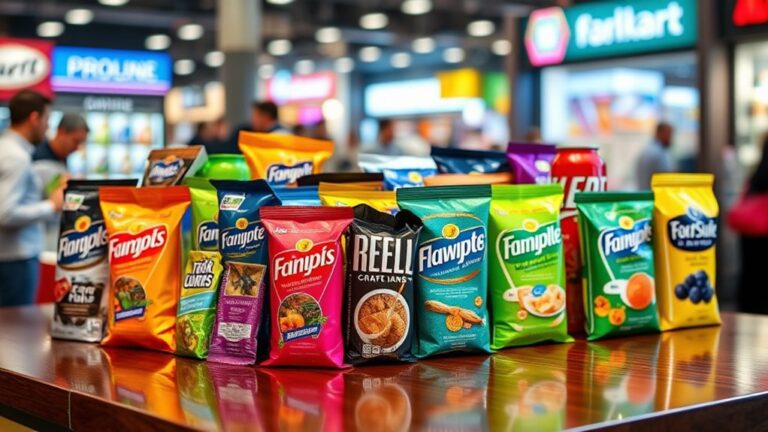
You'll boost sales and build customer loyalty by using visual storytelling in your product packaging, which establishes an emotional connection with your audience. You're setting your brand apart from competitors through narrative techniques, imagery, and design elements. To get started, you'll focus on key design elements like color psychology, typography, and image quality. By combining these elements, you'll create a cohesive visual story that drives engagement and sales. As you explore visual storytelling further, you'll discover how to craft a unique brand identity that resonates with your customers.
Understanding Visual Storytelling
You're likely familiar with the term "visual storytelling," but what does it really mean in the context of product packaging? It's about using narrative techniques to communicate a message that resonates with your target audience. When you craft a compelling story through your packaging, you're creating an emotional impact that can drive customer engagement and loyalty. By leveraging visual elements like imagery, color, and typography, you can convey your brand's values, personality, and unique selling proposition.
As you develop your visual storytelling strategy, consider the role of emotional impact in shaping customer perceptions. You want your packaging to evoke feelings, spark imagination, and create a lasting impression. This can be achieved by using high-quality visuals, bold graphics, and thoughtful design elements that work together to tell a cohesive story. By doing so, you'll be able to differentiate your product from competitors and establish a strong connection with your audience.
You can apply narrative techniques to your packaging design by creating a visual narrative that unfolds as the customer interacts with your product. This might involve using illustrations, patterns, or textures to convey a sense of craftsmanship, quality, or innovation. By tapping into the emotional impact of visual storytelling, you’ll be able to create a deeper connection with your customers and leave a lasting impression that drives loyalty and advocacy. Additionally, incorporating elements of surprise or a cohesive theme throughout your packaging can enhance the storytelling experience. By engaging customers with thoughtful packaging design storytelling techniques, you invite them into your brand’s story, making them feel like part of an exclusive journey. Ultimately, this not only elevates the unboxing experience but also reinforces your brand identity, encouraging customers to share their experiences with others.
Brand Identity Design
As you develop a visual storytelling strategy for your product packaging, it's vital to reflect on how your brand identity design fits into the narrative. You're creating a cohesive story that resonates with your target audience, and your brand identity is the foundation of this story. It's important to guarantee that your brand values are clearly communicated through your visual storytelling strategy, as this will help shape consumer perception of your brand.
You must consider how your brand's mission, vision, and values will be perceived by your audience. Your brand identity design should be an authentic representation of what your brand stands for, and it should be consistent across all touchpoints, including product packaging. By doing so, you'll create a strong emotional connection with your audience, which can lead to brand loyalty and advocacy.
As you craft your brand identity design, you should think about how it will influence consumer perception. You're not just creating a product; you're creating an experience that will leave a lasting impression on your audience. By incorporating your brand values into your visual storytelling strategy, you'll be able to create a narrative that resonates with your audience and sets your brand apart from the competition. This will in the end drive engagement, sales, and growth for your business.
Packaging Design Elements
You're now considering the packaging design elements that'll bring your product's story to life, and you're looking at options like color, font, and image size to make it happen. You're choosing between various color options that'll evoke the right emotions and create the perfect atmosphere for your brand. As you're selecting font styles and deciding on an image size, you're thinking about how they'll work together to convey your message and capture your audience's attention.
Color Options
The right color options can make or break a product's packaging design. You're not just choosing colors, you're creating an emotional connection with your customers. Color psychology plays a significant role in this process, as different colors evoke different emotions and can influence purchasing decisions. When selecting color options, consider the emotional resonance you want to create. Do you want to convey energy and excitement, or calmness and serenity?
You'll want to think about your brand's personality and the message you're trying to convey. Bright and bold colors can grab attention, whereas muted and pastel colors can create a sense of sophistication. It's crucial to balance your color options with the overall design, ensuring they complement the product and branding. By doing so, you'll create a visually appealing and effective packaging design that resonates with your target audience and sets your product apart from the competition. Effective color options can drive sales and build brand loyalty.
Font Styles
Choosing the right font styles is crucial in packaging design, and it's something you'll want to get just right to convey your brand's message effectively. You're creating a visual identity that'll stand out on store shelves, and typography plays a huge role in that. When selecting font styles, consider the overall typography hierarchy and how it contributes to your brand's story.
You can experiment with different font pairings to create a unique visual language. Some key considerations include:
- Using a clear and legible font for product information
- Selecting a bold font for headings and titles
- Choosing a font that aligns with your brand's personality and tone
- Ensuring font styles are consistent across all packaging elements. By getting your font styles right, you'll be able to communicate your brand's message in a way that resonates with your target audience and sets you apart from the competition.
Image Size
Font styles set the tone for your packaging design, and now it's time to balance them with images that resonate with your target audience. You're looking to create a visual impact that drives engagement and boosts sales. In terms of image size, you need to take into account the space available on your packaging and the image resolution. A high-resolution image will guarantee your visual storytelling doesn't get lost because of pixelation or blurriness.
You'll want to optimize your image size to maximize the visual impact. This means selecting an image that's large enough to be attention-grabbing, but not so large that it overwhelms the other design elements. By striking the right balance, you can create a cohesive and effective packaging design that tells your brand's story. Remember, the goal is to create an immersive experience for your customers, and the right image size can make all the difference. Choose an image that's crisp, clear, and compelling, and you'll be well on your way to crafting a memorable brand experience.
Color Palette Selection
You're considering the color palette for your product's packaging, and you need to make a conscious color choice that reflects your brand's identity. As you explore palette options, you're looking for a combination that resonates with your target audience and sets your product apart from competitors. You're evaluating different hue selections to determine which ones will work best together to convey the message and tone you want to achieve with your packaging.
Color Choice
The right color palette can make or break a product's packaging, and it's crucial to select colors that resonate with your target audience. You're creating a visual story that'll evoke emotions and drive sales. Color psychology plays a significant role in this process, as different colors can have a profound emotional impact on consumers.
When choosing colors, consider the following:
- Use contrasting colors to create visual interest
- Select colors that align with your brand's personality and values
- Consider the cultural associations of different colors
- Guarantee color consistency across all packaging elements
Palette Options
Looking into palette options, it's essential to evaluate what works well together, and selecting a color palette that resonates with your brand is fundamental. You're creating a visual identity that'll evoke an emotional impact on your customers. Color psychology plays a significant role in this process, as different colors can convey distinct messages.
| Palette Type | Description | Emotional Impact |
|---|---|---|
| Monochromatic | Single color with variations | Soothing, calming |
| Complementary | Colors opposite each other | Lively, energetic |
| Analogous | Colors next to each other | Harmonious, natural |
| Triadic | Colors equally spaced | Bold, dynamic |
You'll want to reflect on how your palette options align with your brand's message and values. By choosing a palette that reflects your brand's personality, you'll create a cohesive visual story that resonates with your target audience. This careful selection will help you make a lasting impression and drive customer engagement.
Hue Selection
Selecting hues that work well together in your color palette is vital, as it sets the tone for your brand's visual identity and can make or break customer engagement. You're creating a visual language that communicates your brand's values and personality, so it's important to get it right. Hue psychology plays a significant role in this process, as different colors evoke distinct emotions and associations.
To achieve color harmony, consider the following:
- Use a limited color palette to create a cohesive look
- Select hues that complement each other regarding warmth and coolness
- Balance bright colors with neutral tones to avoid visual overload
- Experiment with different shades and tints to add depth and interest. By applying these principles, you'll create a visually appealing color palette that resonates with your target audience and reinforces your brand's message. Effective hue selection is key to crafting a compelling visual story that drives customer engagement and loyalty.
Image Creation Strategies
You'll create more effective product packaging by developing image creation strategies that capture your target audience's attention. In terms of image sourcing, you'll want to contemplate the tone and style of your brand. You're looking for images that resonate with your audience and reflect your brand's personality. This can be achieved by using high-quality, custom photography or illustrations that tell a story. You'll additionally want to establish a visual hierarchy, guiding the viewer's eye through the packaging and highlighting key features and benefits.
Effective Label Design
Since your product's packaging is often the first point of contact with potential customers, it's crucial that your label design effectively communicates the brand's message and value proposition. You're not just designing a label, you're creating an experience that draws customers in and sets your product apart from the competition. By grasping label psychology, you can create a design that resonates with your target audience and leaves a lasting impression.
To create an effective label design, you should stay up-to-date with the latest design trends. This will help you create a design that's modern, innovative, and attention-grabbing. Some key considerations include:
- Using bold colors and typography to create visual hierarchy
- Incorporating imagery and graphics that reflect your brand's personality
- Balancing text and white space to create a clean and uncluttered design
- Utilizing special finishes and effects to add texture and depth
Frequently Asked Questions
What Is Minimal Packaging?
You're looking at minimal packaging as a way to reduce waste. It's a sustainable design approach that improves your branding impact. You're stripping away excess, creating a sleek look that's eco-friendly. You're innovating, and it's working, as consumers respond to simplicity and sustainability, driving sales and growth for you.
Can Packaging Be Recycled?
Like a green beacon, you're shining a light on recycling. You're checking if packaging can be recycled, and the answer is yes. By adopting recycling benefits, you're embracing sustainable practices, reducing waste, and innovating for a better future. You're taking an essential step in the direction of a more eco-friendly tomorrow, and that's a beautiful thing.
How Much Does Packaging Cost?
You're determining how much packaging costs. To do that, you're analyzing your packaging budget, considering a thorough cost analysis. You're factoring in materials, design, and production, ensuring it's innovative and eco-friendly, which can help reduce costs and boost your brand's reputation, allowing you to create effective packaging that won't break the bank.
Is Custom Packaging Available?
You're looking for custom packaging options. Consider a tech startup, like Apple, that creates unique boxes. You can design a custom package with a specific shape or material, it's available, and companies offer various packaging options, including bespoke boxes with a custom design, allowing you to differentiate your product, and it's definitely worth exploring.
What Materials Are Used?
You're considering what materials are used. You're looking for eco-friendly options, and you'll find that many companies use sustainable materials in their packaging design. They're creating innovative, eco-conscious solutions that reduce waste, and you can too. You'll discover that using recycled materials, bioplastics, and plant-based packaging is a great way to make your products stand out.