
When revamping packaging for maximum impact, it's essential to understand the target audience's preferences and needs. Identify ideal customer demographics and conduct psychographic research to create emotionally resonant packaging that addresses pain points and aligns with aspirations. With consumers demanding eco-friendly options, sustainable packaging is vital, and designers should utilize eco-friendly materials and optimize packaging design to reduce the carbon footprint. Visually striking packaging that balances attention-grabbing elements with clear branding and messaging can drive sales and leave a lasting impression. By refining packaging design, businesses can guarantee harmony of all design elements, maximize visual impact, and ultimately drive business results – and that's just the beginning.
Understanding Your Target Audience
When revamping their packaging, businesses must first identify and understand their target audience, as this demographic's preferences and needs greatly influence the design and functionality of the packaging. It's important to explore further into who their ideal customer is, what they value, and what drives their purchasing decisions. This is where demographic research comes into play, providing valuable insights into the age, gender, income, and occupation of the target audience.
However, demographic research only scratches the surface. To truly understand their target audience, businesses need to investigate further and uncover psychographic insights. This involves understanding their audience's attitudes, values, interests, and lifestyles. What are their pain points, and how can the packaging solve them? What are their aspirations, and how can the packaging align with those goals? By gaining a deeper understanding of their target audience, businesses can create packaging that resonates with them on an emotional level, ultimately driving brand loyalty and advocacy.
The Rise of Sustainable Packaging
Consumers are increasingly demanding eco-friendly packaging options, driving companies to rethink their approach to product packaging and shift towards sustainable solutions. This shift is driven by growing concerns about the environmental impact of packaging waste, with consumers willing to pay more for products that use eco-friendly materials and minimize their carbon footprint. As a result, companies are under pressure to adapt and innovate their packaging strategies to meet these changing consumer expectations.
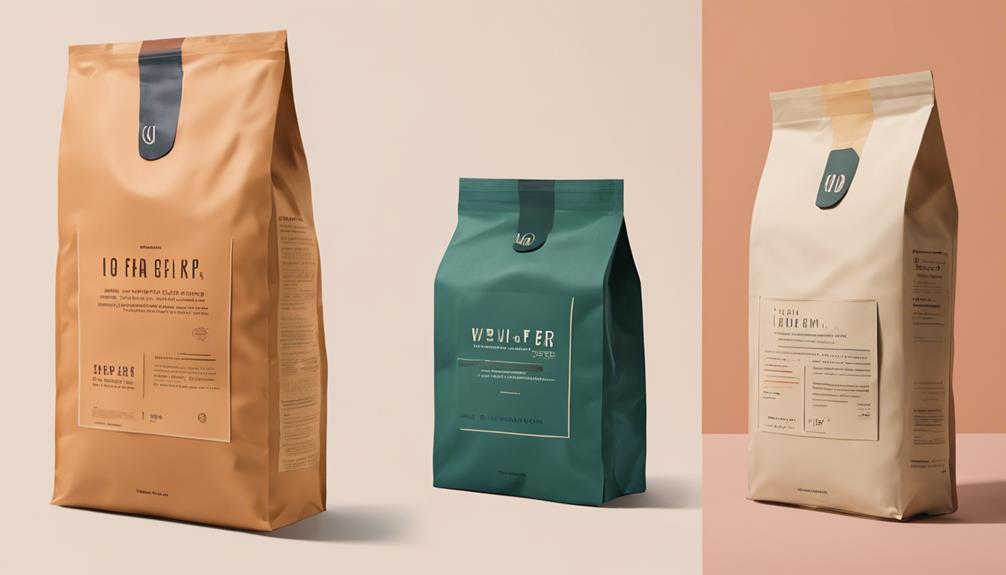
Sustainable packaging is no longer a niche trend, but a business imperative. Companies that fail to adapt risk being left behind, as consumers increasingly prioritize the environment when making purchasing decisions. The use of eco-friendly materials, such as bioplastics, recycled paper, and plant-based packaging, is becoming more widespread. These materials not only reduce waste but also offer a competitive advantage, as consumers are willing to pay a premium for sustainable products.
Moreover, companies are also looking to reduce their carbon footprint by optimizing their packaging design, reducing material usage, and implementing recycling programs. This not only benefits the environment but also helps to reduce costs and improve brand reputation. As consumers continue to demand more sustainable packaging options, companies must prioritize innovation and adaptation to stay ahead of the curve. By doing so, they can reap the benefits of increased customer loyalty, improved brand reputation, and a reduced environmental impact.
Designing for Standout Shelf Appeal
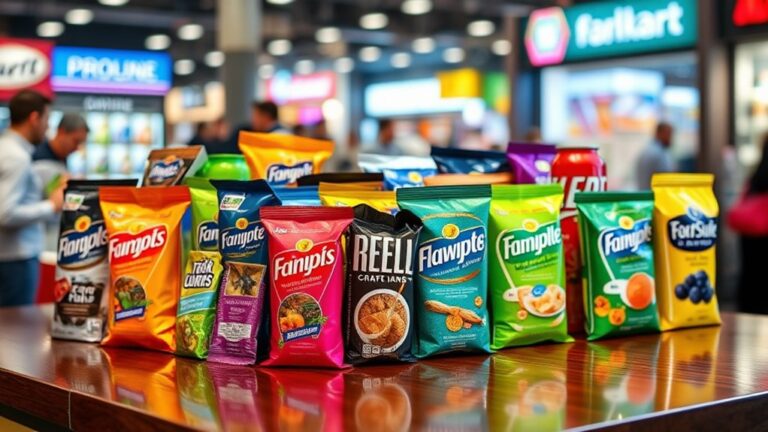
Effective packaging design is essential for capturing shoppers' attention in a crowded marketplace, where products have mere seconds to stand out on store shelves. To truly make an impact, designers must create visually striking packaging that stops shoppers in their tracks. One way to achieve this is through clever use of color blocking. By strategically combining bold, contrasting colors, brands can create a visual hierarchy that draws the eye to key messaging and product benefits. This technique is particularly effective when paired with a texture mix, which adds a tactile element to the design. Combining smooth, matte finishes with embossed or debossed elements creates a multisensory experience that invites shoppers to pick up the product and explore.
To take it to the next level, designers can experiment with unconventional materials and finishes. Metallic accents, holographic foil, or even glow-in-the-dark inks can add an extra layer of sophistication and luxury to the design. The key is to balance these attention-grabbing elements with clear, concise branding and messaging. By finding the perfect harmony between form and function, brands can create packaging that truly stands out on store shelves. By incorporating bold color blocking and texture mix into their design strategy, brands can confidently command attention, drive sales, and leave a lasting impression on shoppers. In addition to these innovative approaches, brands can also explore foil stamping techniques for packaging to elevate the visual appeal and create a striking contrast against matte finishes. This method not only enhances the tactile experience but also conveys a sense of quality that consumers are drawn to. By integrating these advanced techniques into their packaging strategy, brands can not only differentiate themselves from competitors but also engage customers on a deeper level, fostering loyalty and repeat purchases.
The Importance of Brand Consistency
Across all touchpoints, from packaging to advertising to in-store experiences, a brand's visual identity must remain cohesive to build trust and recognition with its target audience. Consistency is key to establishing a strong brand presence, and it starts with a well-defined visual identity. This includes the use of specific colors, typography, imagery, and tone of voice that resonates with the brand's message and values.
| Benefits of Consistency | Results |
|---|---|
| Builds trust and recognition | Increased brand loyalty and customer retention |
| Establishes a strong brand presence | Improved brand awareness and credibility |
| Enhances brand messaging | Clearer communication of brand values and mission |
As a brand evolves, it's essential to maintain consistency across all touchpoints. This is where the concept of brand evolution comes into play. A brand's visual identity may need to adapt to changing market trends or target audience preferences, but it's important to do so in a way that remains true to the brand's core values and messaging. By maintaining consistency, a brand can guarantee a seamless shift and avoid confusing its target audience.
Navigating E-commerce Packaging Challenges
As brands adjust to the changing e-commerce landscape, they face a new set of challenges, especially when it comes to packaging, where consistency and creativity must intersect to make a lasting impression. One of the primary hurdles is addressing shipping constraints, which can have a notable impact on the bottom line. With increasing shipping costs and increasingly strict dimensional weight regulations, brands must get inventive with their packaging designs to avoid hefty fees.
Dimensional weight, in particular, has become a major pain point for e-commerce businesses. This calculation method, which takes into consideration a package's volume rather than its actual weight, has led to a rise in shipping costs for many companies. To alleviate this issue, brands are turning to innovative packaging solutions that minimize volume while maintaining product protection. This might involve using custom-sized boxes, reducing packaging materials, or incorporating inserts to maximize space.
Measuring the Impact of Redesign
When measuring the impact of a packaging redesign, it's essential to track key design metrics that matter. A visual hierarchy analysis can help identify areas of improvement, ensuring that the new design effectively communicates the brand's message. By monitoring and adjusting these metrics, businesses can optimize their packaging for better customer engagement and sales.
Design Metrics Matter
By tracking key design metrics, businesses can quantify the effectiveness of their packaging redesign efforts and make data-driven decisions to optimize their brand's visual identity. This is vital in today's competitive market, where a well-designed package can be the difference between standing out and getting lost in the crowd. One essential metric to track is color psychology, which examines how different hues influence consumer emotions and behavior. By analyzing color performance, businesses can refine their palette to evoke the desired response from their target audience. Data visualization tools can also be leveraged to illustrate the impact of design changes on sales, customer engagement, and brand recognition. By presenting complex data in a clear, concise manner, businesses can identify areas of improvement and make informed decisions to drive growth. By monitoring design metrics, businesses can fine-tune their packaging to resonate with their target audience, ultimately driving sales and revenue.
Visual Hierarchy Analysis
Visual hierarchy analysis provides a clear roadmap for measuring the impact of redesign efforts, allowing businesses to pinpoint which specific elements of their packaging are driving consumer attention and engagement. By applying this analysis, companies can identify the visual cues that capture consumers' attention, guiding their gaze through the packaging and ultimately influencing purchasing decisions. Through color prioritization, businesses can determine which hues dominate the visual landscape, drawing attention to key branding elements or calls-to-action. Typography optimization also plays an essential role, as carefully selected fonts and font sizes can either reinforce or detract from the overall visual message. By optimizing these visual elements, businesses can create a clear visual hierarchy that resonates with their target audience, driving engagement and conversion. By leveraging visual hierarchy analysis, companies can refine their packaging design, ensuring that every element works in harmony to maximize impact and drive business results.
Frequently Asked Questions
How Do I Balance Cost and Quality When Selecting Packaging Materials?
Did you know that 62% of consumers say they're more likely to buy from a company with sustainable packaging? When balancing cost and quality in selecting packaging materials, she weighs the pros and cons of material sourcing options. By streamlining her supply chain, she reduces costs without sacrificing quality. She negotiates with suppliers, optimizes packaging design, and explores eco-friendly alternatives to strike the perfect balance between her budget and brand reputation.
Can I Use the Same Packaging Design for Different Product Lines?
She can standardize her packaging design across multiple product lines, but only if it serves her brand's overall strategy. By leveraging brand unification, she can create a cohesive visual identity that resonates with her target audience. A thoughtful visual hierarchy will help her highlight key product differences while maintaining a consistent look and feel. This approach will not only streamline production but also reinforce her brand's message and values.
What Is the Ideal Packaging Size for E-Commerce Products?
She cuts to the chase: the ideal packaging size for e-commerce products is a delicate balancing act. It's all about finding the sweet spot that optimizes shipping efficiency without sacrificing product protection. A well-executed dimensional strategy can make all the difference, reducing waste and costs while boosting customer satisfaction. By right-sizing packaging, e-commerce businesses can streamline logistics, reduce environmental impact, and ultimately, drive growth.
How Often Should I Update My Packaging Design to Stay Relevant?
She knows that staying relevant in the market means periodically updating her packaging design. To avoid design fatigue, she conducts trend forecasting to identify emerging styles and consumer preferences. By refreshing her design every 12-18 months, she stays ahead of the curve and keeps her brand looking modern and exciting. This strategic approach guarantees that her packaging remains attention-grabbing and continues to resonate with her target audience.
Can I Use Custom Packaging for Low-Volume Product Runs?
Did you know that 72% of consumers say packaging design influences their purchasing decisions? When it comes to custom packaging for low-volume product runs, she can definitely make it happen. By partnering with a flexible supplier, she can tap into the benefits of custom packaging without breaking the bank. This approach allows for production flexibility and a streamlined supply chain, giving her the power to stand out in a crowded market.