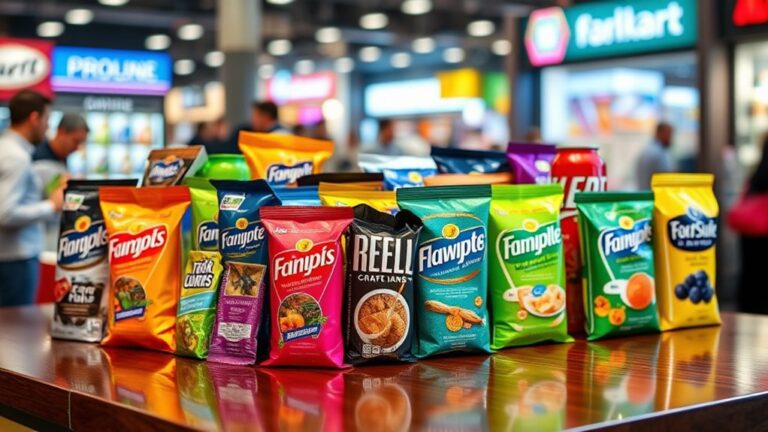
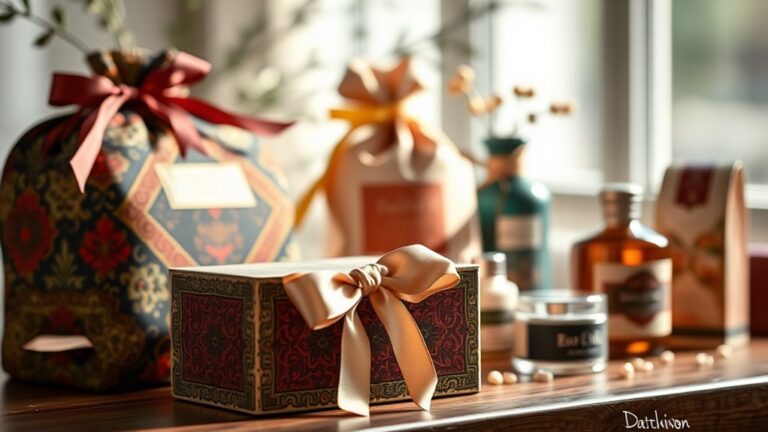
You're creating packaging that's both functional and visually appealing, which isn't easy. You need to balance aesthetics with functionality to stand out in a competitive market. 72% of consumers say packaging design influences their purchasing decisions, so it's essential to get it right. You're considering shape, label placement, and material choice to guarantee usability and accessibility. As you weigh your options, you'll find that effective design is about more than just looks – and there's more to explore regarding making your packaging a success.
Packaging Design Principles
You'll often encounter various packaging designs, but what makes them effective is the application of solid principles. As you explore the realm of packaging design, you'll realize that it's merely about creating an attractive box or label. It's about crafting an experience that resonates with your target audience, leveraging user experience and sensory appeal to drive consumer behavior. Staying ahead of market trends is vital, and design innovation can be a key differentiator. Nevertheless, you must consider packaging regulations, cost considerations, and production efficiency to guarantee your design is viable.
As you develop your packaging design principles, you'll need to balance aesthetics with functionality. Branding strategies play a significant role in this process, as you aim to create a cohesive visual identity that reflects your brand's values and personality. User feedback is fundamental in refining your design, allowing you to make data-driven decisions and iterate on your concept. By considering these factors, you can create packaging that stands out on store shelves while meeting the needs of your target audience. Effective packaging design principles will help you achieve this balance, driving business results and establishing a strong foundation for your brand.
Functional Design Elements
You're now considering the functional aspects of your packaging design, and it's clear that shape matters, as it affects how easily you can store and transport your products. When designing your packaging, you're likewise thinking about label placement, and how it will impact the overall look and usability of your packaging. You're evaluating your material choice, too, as it can greatly influence the durability and functionality of your packaging, and you're looking for the best option to meet your needs.
Shape Matters
With packaging design, shape plays a crucial role in functionality, as it can greatly impact how a product is stored, transported, and displayed. You'll find that the shape influence of a package can make or break its usability. A well-designed shape can reduce storage costs, minimize damage during transport, and improve the overall customer experience. When you evaluate the shape of a package, you're not just thinking about its functionality, but in addition its geometric appeal. A unique shape can make a product stand out on store shelves, grabbing the attention of potential customers.
As you design a package, you should reflect on how its shape will interact with the product inside. You'll want to create a shape that protects the product, whilst also making it easy to access and use. By balancing functionality and aesthetics, you can create a package that's both innovative and effective. You'll need to contemplate the shape's influence on the overall design, ensuring it aligns with your brand's values and messaging.
Label Placement
Across various packaging designs, label placement emerges as a vital functional design element, directly impacting the overall usability and effectiveness of a product. You're tasked with optimizing label visibility to improve consumer perception. To achieve this, you'll need to contemplate label visibility strategies that guarantee your product's key information is easily accessible. This involves carefully selecting the label's size, color, and font to create visual appeal and clear communication.
As you design your packaging, you'll want to reflect on how you can use label placement to influence consumer perception. By placing labels in strategic locations, you can draw attention to specific product features or benefits. You should additionally contemplate how label placement will impact the overall aesthetic of your packaging, confirming that it aligns with your brand's visual identity. Effective label placement can make or break a product's success, so it's crucial to get it right. You must balance functionality with aesthetics to create a design that resonates with your target audience.
Material Choice
Selecting the right materials for your packaging design is crucial, as it directly impacts the product's functionality, durability, and overall consumer experience. You're looking to create a unique tactile experience that sets your product apart from others on the shelf. When choosing materials, consider biodegradable options that not only reduce environmental impact but likewise add an eco-friendly appeal to your product.
You can opt for materials like bamboo, recycled paper, or plant-based plastics that are sustainable and compostable. These biodegradable materials will improve your product's eco-credentials and appeal to the growing demographic of environmentally conscious consumers. By incorporating biodegradable materials into your packaging design, you're creating a win-win situation – you're reducing waste and creating a positive brand image. Your material choice will likewise influence the overall look and feel of your product, so choose wisely to create a lasting impression on your customers.
Aesthetic Considerations
Most packaging designs you'll encounter prioritize aesthetic aspects, as they play a crucial role in grabbing your attention and influencing your purchasing decisions. You're likely to notice the visual appeal of a product's packaging before anything else, and it's what sets it apart from other similar products on the shelf. As you reflect on the aesthetics of packaging design, you'll want to think about how texture exploration can improve the overall experience. By incorporating different textures, you can create a more engaging and immersive experience for the consumer.
When it comes to aesthetic aspects, there are several key elements to keep in mind. You'll want to reflect on the following:
- The color palette and how it contributes to the overall visual appeal
- The typography and how it improves or detracts from the design
- The use of imagery and graphics to convey the product's message
- The texture and feel of the packaging material
- The overall shape and structure of the packaging and how it impacts the user experience
As you balance function and aesthetics in your packaging design, you’ll need to think creatively about how to incorporate these elements in a way that’s both innovative and effective. By doing so, you can create packaging that grabs your attention and improves your overall experience with the product. You’ll be able to create a design that’s both visually appealing and functional, making it a win-win for both you and the consumer. One powerful approach to achieve this balance is through personalization in packaging design, which allows you to tailor the experience to meet the preferences and needs of individual consumers. By integrating customization features, such as unique patterns or messages, you can foster a deeper connection between the consumer and the product. Ultimately, this thoughtful approach not only enhances brand loyalty but also elevates the unboxing experience, making it memorable and enjoyable.
Brand Identity Matters
Your brand's identity is the cornerstone of its packaging design, and you'll want to guarantee it shines through in every aspect of the product's packaging. You're creating a visual storytelling experience that nurtures an emotional connection with your target audience, driving brand recognition and loyalty. Consistency is key, as it reinforces your brand's message and values, making sure that every package looks and feels like it's part of the same family. This brand consistency is vital in building trust and credibility with your consumers.
As you design your packaging, you're not just creating a container for your product – you're crafting an experience that influences consumer perception and market positioning. Packaging differentiation is fundamental in standing out from the competition and capturing attention on crowded shelves. You'll want to reflect on how your packaging will be perceived by your target audience and verify that it aligns with your brand's values and message. By doing so, you'll build a strong brand loyalty that will drive repeat business and advocacy. Effective packaging design can make or break your brand's success, so it's important to get it right. By prioritizing brand identity and consistency, you'll be well on your way to creating packaging that resonates with your audience and drives business results.
Product Packaging Types
Across various industries, you'll find different types of product packaging, each serving a unique purpose and catering to specific needs. You can choose from a wide range of options, including bottle packaging for beverages, eco-friendly pouches for snacks, and rigid boxes for electronics. In terms of packaging, you need to take into account the product's characteristics, target audience, and distribution channels.
You can select from various packaging types, such as:
- Flexible packaging for food items
- Blister packs for small electronics
- Cardboard cartons for shipping fragile items
- Shrink wrap for protecting products during transportation
- Clamshell containers for retail displays, which can be vacuum sealed to preserve the product's freshness and quality
As you explore different packaging options, you'll notice that some are more suitable for certain products than others. For instance, rigid boxes are ideal for fragile items, whereas flexible packaging is better for food items that require flexibility and convenience. You should additionally take into account the role of packaging in retail displays, as it can greatly influence the customer's purchasing decision. By choosing the right packaging type, you can create an attractive and functional retail display that showcases your product and sets it apart from the competition. In the end, the key to successful packaging design is finding the perfect balance between function and aesthetics.
Material Selection Process
You're considering various material types for your packaging design, and it's essential to evaluate their properties, such as durability, sustainability, and cost. As you select materials, you're additionally looking to reduce weight, which can help lower shipping costs and minimize your product's environmental impact. You'll need to balance these factors to choose materials that meet your packaging needs, and that's where the material selection process begins.
Material Types
During the packaging design process, manufacturers don't have to settle for the first material they come across – they can choose from a wide range of options. You're looking for innovative solutions that balance function and aesthetics, and the right material can make all the difference. Biodegradable materials, recycled plastics, and eco-friendly options are great choices for those who want to reduce their environmental footprint.
- Glass packaging offers luxury finishes and durability
- Metal containers provide durable coatings and flexibility
- Paper alternatives are a great option for those looking for lightweight composites
- Flexible materials can be used to create unique and innovative designs
- Recycled plastics can be used to create eco-friendly options that are likewise cost-effective. You can use these materials to create packaging that's not just functional but also visually appealing, making your product stand out from the competition. By considering these options, you can create packaging that's both innovative and effective.
Weight Reduction
Manufacturers can greatly impact their product's overall efficiency by focusing on weight reduction in the material selection process. You're likely looking for ways to minimize waste and maximize performance. By prioritizing weight reduction, you can achieve significant weight savings, which can lead to reduced shipping costs and a smaller carbon footprint.
As you explore material options, consider the potential for structural optimization. You can use computer-aided design tools to simulate and analyze different material configurations, identifying areas where weight can be reduced without compromising the package's integrity. This approach enables you to create a more efficient design that maintains its functionality as well as using fewer resources. By integrating weight reduction into your material selection process, you can create innovative packaging solutions that not only reduce costs but also improve your brand's sustainability credentials. You'll be able to develop eco-friendly packaging that meets consumer demands and stays ahead of the competition.
Sustainable Design Options
Most packaging designs can be improved to reduce their environmental impact, and it's up to you to reflect on sustainable options from the outset. You'll want to take into account eco-friendly materials, biodegradable options, and minimal waste when designing your packaging. This not merely helps reduce your carbon footprint but likewise appeals to the growing number of consumers who prioritize sustainability. By choosing recyclable packaging, you're promoting a circular design that benefits both your brand and the environment.
To get started, you should think about the following:
- Using sustainable sourcing for your materials to reduce energy consumption
- Implementing energy efficiency in your manufacturing process
- Designing packaging that's fully recyclable and reusable
- Exploring biodegradable options that can replace traditional materials
- Creating minimal waste by optimizing packaging size and shape
Visual Hierarchy Importance
You're creating a visual hierarchy in your packaging design, and you're considering how color usage will guide the consumer's eye. As you design, you're choosing font sizes that will work together to create a clear message, with larger fonts drawing attention to key points. You're balancing color usage and font size to guarantee that the most important information stands out, making it easy for consumers to quickly understand your product's value.
Color Usage
Typically, effective packaging design often relies on thoughtful color usage to create a visual hierarchy that grabs your attention and guides your eye through the design. You'll want to take into account color psychology when selecting colors, as it can greatly impact how your product is perceived. Color contrast is additionally essential, as it helps to create visual interest and draw attention to specific elements.
To create an innovative design, you should take into account the following:
- Use bold colors to make a statement
- Apply color contrast to guide the viewer's eye
- Select colors that reflect your brand's personality
- Experiment with different shades and tones
- Balance warm and cool colors to create visual harmony
Font Size
Several key elements contribute to a well-designed package, and font size plays an important role in establishing a visual hierarchy that draws the viewer's eye. You're creating a visual flow that guides the viewer through the packaging, and font size is significant in achieving this. When you choose a font size, you're impacting font readability, which is fundamental for conveying your message effectively.
You need to take into account the size impact on your packaging design, as it can make or break the overall aesthetic. A font size that's too small can get lost, whereas one that's too large can overwhelm the viewer. You must strike a balance between the two to create a harmonious visual hierarchy. By doing so, you'll create a design that's both functional and visually appealing. As you design your packaging, bear in mind that font size is a key element that can enhance your brand's message and leave a lasting impression on your audience.
Color Scheme Strategies
Color schemes play an significant role in packaging design, as they can make or break a product's visual appeal and brand recognition. You're creating a visual identity that'll resonate with your target market, and it's imperative to get it right. By comprehending color psychology, you can evoke emotions and convey messages that align with your brand's values. Color harmony is likewise important, as it guarantees that the colors you choose work together seamlessly, creating a cohesive and visually appealing design.
When developing your color scheme strategy, consider the following:
- Use a limited palette to maintain consistency and recognition
- Select colors that complement your brand's personality and values
- Confirm sufficient contrast between colors for readability and accessibility
- Consider the cultural associations of different colors to avoid misinterpretation
- Test your color scheme on various materials and lighting conditions to verify it looks great everywhere
You're aiming to create a color scheme that's both aesthetically pleasing and functional. By applying the principles of color psychology and color harmony, you can develop a design that captures attention, conveys your message, and leaves a lasting impression. Remember, your color scheme is a critical component of your packaging design, and it's worth investing time and effort to get it right. With a well-designed color scheme, you'll be able to differentiate your product, build brand recognition, and eventually drive sales.
Designing for Target Audience
You've established a solid foundation with your color scheme, and now it's time to contemplate who you're designing for. As you explore the realm of packaging design, it's essential to grasp your target audience's needs and preferences. You're not just designing a product, you're creating an experience that resonates with your consumers. To achieve this, you must consider consumer preferences and tailor your design to meet their expectations.
When designing for your target audience, you'll need to identify your target demographics and create a design that speaks to them. This involves comprehending their values, behaviors, and lifestyle. You'll want to ask yourself questions like: What are their pain points? What motivates them to make a purchase? What sets them apart from other demographics? By answering these questions, you'll be able to craft a design that resonates with your target audience and sets your product apart from the competition.
Frequently Asked Questions
What Is Minimal Packaging?
You're probably thinking of cluttered packaging, but minimal packaging is the opposite – it's sleek, using sustainable materials to improve user experience. You're creating a better unboxing experience, aren't you? It's innovative, eco-friendly, and focuses on the product, not excess packaging. You're streamlining the process, making it more efficient, and that's what sets it apart.
Can Packaging Be Art?
You're wondering, can packaging be art? You're pushing boundaries, and it's possible. Packaging innovation is driving artistic expression, allowing you to create unique, visually stunning designs that don't compromise functionality. You're turning packaging into a canvas, making it a form of art that's both creative and functional, don't you think it's a game-changer?
Is Custom Packaging Expensive?
You're considering custom packaging, but 70% of businesses think it's pricey. You're weighing cost considerations and budget constraints. Don't worry, you can find innovative solutions that fit your budget, it's not always expensive, and you're in control of the costs.
How to Design Eco-Friendly?
You're designing eco-friendly packaging, focusing on sustainable materials and biodegradable options. You're opting for recyclable papers, plant-based inks, and reusable containers. You're reducing waste, and it's paying off, as you're creating innovative, eco-conscious packaging that's not just good for the planet, but in addition enhances your brand's reputation, and you're doing it efficiently.
What Is Luxury Packaging?
You're seeking the "crème de la crème" of packaging. Luxury packaging isn't just about looks, it's about creating a premium experience. You'll want to use luxury materials that evoke high-end feels, crafting a sophisticated design that's both refined and opulent, giving customers a truly exclusive experience.