As you venture into the realm of luxury packaging design, you're tasked with crafting an immersive experience that resonates with discerning consumers. It's about more than just containing a product – it's about conveying exclusivity, sophistication, and refinement through sleek designs, premium materials, and attention to detail. You'll need to understand your target audience's values and motivations, evoking emotions and nurturing brand connections through storytelling and tactile experiences. By balancing functionality and aesthetics, you'll create a sensory encounter that justifies premium pricing and leaves a lasting impression. Now, discover the intricacies that set luxury packaging apart.
Defining Luxury Through Packaging
You often encounter luxury products in sleek, high-end packaging that screams opulence and sophistication. This isn't a coincidence. Luxury brands invest heavily in packaging design to create an immersive experience that resonates with their target market. The packaging isn't just a container; it's a tangible representation of the brand's values, ethos, and personality.
When you hold a luxury product in your hands, the packaging instantly communicates a sense of exclusivity and refinement. The materials, textures, and colors all work in harmony to evoke a specific emotional response. This is packaging symbolism at its finest. The box, bottle, or case isn't just a functional vessel; it's a status symbol that whispers "you've made it" to the owner.
The luxury perception is deeply rooted in the packaging's ability to convey premium quality, craftsmanship, and attention to detail. It's the subtle nuances that set luxury brands apart from their mass-market counterparts. The weight of the packaging, the sound of the lid opening, and even the scent of the materials all contribute to an multisensory experience that justifies the hefty price tag.
Understanding the Target Audience
As luxury brands invest in packaging that resonates with their target market, it's clear that comprehension of the audience is pivotal to creating a truly immersive experience. You need to understand who your target demographics are, what drives their purchasing decisions, and what they expect from a luxury product.
When it comes to luxury goods, consumer expectations are high. Your target audience is likely made up of individuals who value exclusivity, high-quality materials, and attention to detail. They're willing to pay a premium for products that meet their enhanced standards. To design packaging that resonates with this demographic, you need to explore deeper into their psyche. What are their values, interests, and lifestyle habits? What motivates them to make a purchase, and what do they expect from a luxury brand?
Brand Identity and Visual Hierarchy
Luxury brands' packaging is often the first physical representation of their identity, making it essential to craft a visual hierarchy that echoes their distinct personality. When you're designing packaging for a luxury product, you're not just creating a container – you're crafting an experience that sets the tone for the brand's overall aesthetic. To achieve this, you need to establish a clear brand identity that resonates throughout the packaging.
You can do this by creating a visual hierarchy that prioritizes the most important design elements. This means balancing typography, color, and imagery to create a cohesive look that's instantly recognizable. Consistency is key here – every aspect of the design should reinforce the brand's personality and values. For instance, if the brand is known for its sophistication and elegance, the packaging should reflect that with clean lines, simple typography, and a restrained color palette.
Materials Matter: Sustainability Counts
Nearly 80% of consumers report that packaging design influences their purchasing decisions, making it a critical component of luxury product branding. As a luxury product designer, you're not merely creating a container for your product, but an experience that resonates with your target audience. In terms of materials, you're making a statement about your brand's values and commitment to sustainability.
You're likely familiar with the growing demand for eco-friendly options, and it is crucial to incorporate biodegradable materials, sustainable sourcing, and recycled components into your design. This not only reduces waste but also appeals to the conscious consumption of your luxury customers. Minimal waste and ethical production processes are no longer a nicety, but a necessity.
Innovative designs that prioritize sustainability can be a major differentiator for your brand. Look for green certifications that validate your efforts, and explore luxury alternatives that don't compromise on aesthetics or quality. By making sustainable choices, you're not merely reducing your environmental footprint but also appealing to the values of your target audience. Remember, your packaging is a representation of your brand's commitment to excellence, and sustainable materials are a crucial aspect of that narrative.
The Power of Sensory Experience
As you design packaging for luxury products, you understand that the unboxing experience is essential. You're not just creating a container, you're crafting a sensory encounter that will leave a lasting impression. By incorporating tactile textures, seductive scents, and visual drama, you'll create an immersive experience that will make your product truly unforgettable.
Tactile Texture Matters
When you hold a luxury product in your hands, the tactile experience can evoke a deep emotional connection, making the encounter feel more intimate and personal. The texture, weight, and material of the packaging play an essential role in creating this connection. Luxury brands understand that tactile sensations can enhance the user experience, making it more memorable and desirable.
Scents That Seduce
You're drawn to luxury products not merely because of their sleek designs or premium materials, but similarly because of the subtle yet impactful sensory cues that evoke emotions. The right scent can transport you to a specific moment, conjuring feelings of sophistication, elegance, or even nostalgia. Luxury brands recognize the influence of scent layering, where top, middle, and base notes harmonize to create a unique olfactory fingerprint. This deliberate blend of fragrances not only delights your senses but additionally encourages brand recognition and loyalty. Olfactory branding is an art form, where the scent becomes an integral part of the brand's DNA, distinguishing it from competitors and creating an unforgettable experience. As you unbox a luxury product, the scent wafts up, enveloping you in a sensory embrace that whispers "exclusivity" and "refinement." The subtle nuances of the fragrance linger, leaving a lasting impression that resonates long after the product is gone.
Visual Drama Unfolds
Beyond the domain of scent, luxury products rely on visual drama to evoke emotions and create an unforgettable experience. You're not just buying a product, you're buying an experience that starts with the packaging. As you unwrap the product, the visual impact should be nothing short of breathtaking. The aesthetic appeal of the packaging should be so enthralling that it enhances the product to an art form.
To achieve this, designers must balance form and function. The packaging should be visually stunning, with clean lines, bold typography, and a sophisticated color palette. At the same time, it must protect the product and be functional. The moment you open the box, you should be struck by the attention to detail and craftsmanship that went into creating the packaging. Luxury products demand a level of sophistication that extends beyond the product itself, and visual drama is key to creating an unforgettable experience. By combining visual impact with aesthetic appeal, designers can create packaging that's truly unforgettable.
Unboxing as a Brand Storyteller
Every time you open a luxury product, the unboxing experience should transport you to a domain of opulence and sophistication. It's an opportunity for the brand to weave a narrative that resonates with you, making the product more desirable and coveted. The unboxing experience is a vital chapter in the brand's story, setting the tone for your relationship with the product.
You expect to be impressed, and the packaging should deliver. The design elements, materials, and craftsmanship all contribute to a sensory experience that whispers luxury. The box, the wrapping, the inserts – every detail is a chance to create an emotional connection and convey the brand's values. The unboxing experience is a masterclass in building anticipation, creating surprise, and delivering delight.
As you unwrap the product, the brand narrative unfolds. The packaging is more than just a functional container; it's an immersive experience that draws you in. The attention to detail, the precision, and the craftsmanship all speak to the brand's commitment to excellence. The unboxing experience is a reflection of the brand's dedication to creating a world that's exclusive, refined, and exceptional. It's an invitation to enter a domain of luxury, where every detail is carefully curated to create a sense of privilege and indulgence.
Creating Emotional Connections
As you design packaging for luxury products, you're not just creating a container, you're crafting an experience that evokes emotions and nurtures a connection with your brand. To achieve this, you'll want to focus on creating a sense of exclusivity, telling an emotional story, and delivering a tactile luxury experience that resonates with your target audience. By doing so, you'll be able to build brand loyalty and create a lasting impression that sets your product apart from the competition.
Sense of Exclusivity
One in every hundred luxury product packaging designs truly captures the essence of exclusivity, and yours could be one of them. To create a sense of exclusivity, you need to understand the nuances of luxury branding and how it influences consumer perception. Exclusivity is not just about high-end materials or ornate designs; it's about crafting an experience that makes the customer feel like they're part of an elite group. You can achieve this by using subtle cues, such as bespoke typography, premium textures, and sophisticated color palettes, to convey a sense of refinement and sophistication.
To enhance the perception of exclusivity, focus on the details that set your product apart from the masses. Consider the weight, feel, and sound of the packaging. Does it evoke a sense of luxury and opulence? Does it make the customer feel like they're unwrapping a precious gem? By thoughtfully designing every aspect of the packaging, you can create an emotional connection with the customer, making them feel like they're part of an exclusive club.
Emotional Storytelling
Luxury products evoke emotions, and their packaging should do the same. You want your packaging to create an emotional connection with your customers, making them feel like they're part of a special club. To accomplish this, you need to craft a narrative that resonates with your target audience. This is where emotional storytelling comes in. By weaving a tale that speaks to your customers' desires, values, and aspirations, you can create emotional resonance that sets your brand apart.
Consistency is key to building a strong narrative. Guarantee that every element of your packaging, from the materials to the typography, tells the same story. This narrative consistency will help you build trust and credibility with your customers, making them more likely to become loyal advocates for your brand. By investing in emotional storytelling, you can turn a simple purchase into a memorable experience that customers will cherish. Remember, the goal is to create a deep emotional connection that will stay with your customers long after they've unwrapped their purchase.
Tactile Luxury Experience
Beyond the visual appeal of your packaging, it's the tactile experience that truly sets luxury products apart. You want your customers to feel like they're holding something exceptional, something that justifies the premium price tag. That's where tactile sensations come in. The subtle weight of a heavy box, the softness of a velvet pouch, or the satisfying click of a magnetic closure – these sensory details can enhance your packaging from mere container to luxurious experience.
When designing your packaging, think about how you can create sensory engagement. What textures, weights, and sounds will resonate with your target audience? Consider the materials you use, from the smoothness of glass to the roughness of recycled paper. Even the unboxing process itself can be a tactile luxury experience, with carefully designed inserts and reveals that build anticipation and delight.
Balancing Functionality and Aesthetics
Harmony reigns when functionality and aesthetics converge in luxury packaging design. As a designer, you know that achieving this balance is essential to creating a truly exceptional unboxing experience. When functionality and aesthetics are in harmony, the packaging not only safeguards the product but additionally enhances its perceived value.
| Design Element | Functionality Considerations | Aesthetics Considerations |
|---|---|---|
| Materials | Durability, sustainability, weight | Texture, color, finish |
| Shape | Ergonomics, usability, storage | Proportion, symmetry, uniqueness |
| Closure | Ease of opening, resealability, security | Visual appeal, tactile experience, sound |
You must carefully consider the design constraints that impact both functionality and aesthetics. For instance, the type of material you choose will affect not only the product's protection but furthermore its visual appeal. Similarly, the shape of the packaging will influence both usability and the overall aesthetic.
Attention to Detail: Finishing Touches
As you approach the final stages of designing packaging for your luxury product, it is essential to focus on the subtle yet important elements that improve the unboxing experience. These finishing touches can raise your packaging from impressive to truly exceptional, making a lasting impression on your discerning customers.
One key aspect to reflect on is the finishing techniques used on your packaging materials. Techniques like debossing, embossing, or foil stamping can add a level of sophistication and refinement, while concurrently creating a tactile experience that invites exploration. Furthermore, reflect on the texture and weight of your packaging materials, as these sensory details can greatly impact the overall perception of luxury.
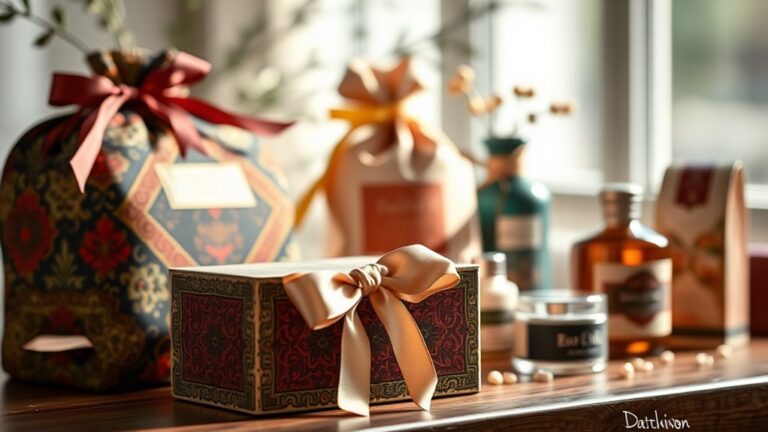
Decorative elements, such as intricate patterns, custom graphics, or subtle branding, can equally play a significant role in creating an unforgettable unboxing experience. These elements should be carefully balanced to avoid overwhelming the senses; instead, they should subtly reinforce your brand's identity and values. By thoughtfully selecting and combining these finishing touches, you can create packaging that safeguards your product while also communicating your brand's commitment to excellence and attention to detail.
Frequently Asked Questions
What Is the Ideal Font Size for Luxury Product Packaging?
When creating packaging, you're faced with the dilemma of font size. You want it to be readable, yet elegant. Aim for a font hierarchy that guides the viewer's eye through the design. For luxury products, opt for a larger font size (around 14-16 points) for headings and a smaller size (10-12 points) for body text. This typographic elegance will make your packaging stand out, exuding sophistication and refinement. By striking the right balance, you'll create a visually stunning design that enhances your product's luxury appeal.
How Do I Ensure Packaging Is Both Sustainable and Luxurious?
As you endeavor to create packaging that's both eco-friendly and opulent, recall the wisdom of Diogenes: "I am not a citizen of Athens, nor of Greece, but a citizen of the world." Your packaging should be a world citizen too, balancing sustainable sourcing with luxury aesthetics. Opt for materials that not just reduce waste but additionally exude sophistication. Think recycled paper, biodegradable inks, and minimalist designs that whisper elegance. By merging eco-awareness with high-end style, you'll create a truly regal unboxing experience that resonates with discerning consumers.
Can I Use Eco-Friendly Materials That Still Feel Premium?
You're wondering if eco-friendly materials can still feel premium. The answer is yes! Look for sustainable alternatives that mimic the look and feel of traditional luxury materials. For instance, bamboo or recycled paper can be finished with premium coatings to give them a high-end sheen. You can likewise explore innovative materials like mushroom-based packaging or plant-based composites. By combining eco-friendly materials with premium finishes, you can create packaging that's both sustainable and luxurious.
What Is the Minimum Budget for Luxury Product Packaging Design?
You're probably thinking you need a million-dollar budget to create luxury product packaging that wows. But, surprisingly, you can create high-end packaging on a more modest budget. In terms of luxury branding, it's about making intentional design decisions that exude sophistication. You'll need to prioritize budget considerations, allocating funds to the most impactful elements. With a minimum budget of around $10,000 to $20,000, you can create bespoke packaging that rivals high-end brands.
Do I Need to Prioritize Packaging Durability Over Aesthetics?
When creating a luxury product, you're faced with an essential decision: do you prioritize packaging durability over aesthetics? It's a classic debate between functionality vs. elegance. Although you want your packaging to be Instagram-worthy, you additionally need it to protect the product during transportation and storage. Here's the thing: consumer expectations are high, and they want both. So, find a balance that meets their demands for style and substance.