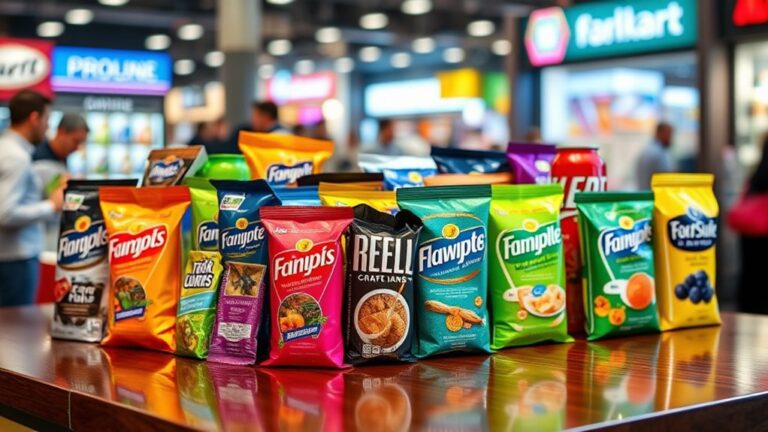
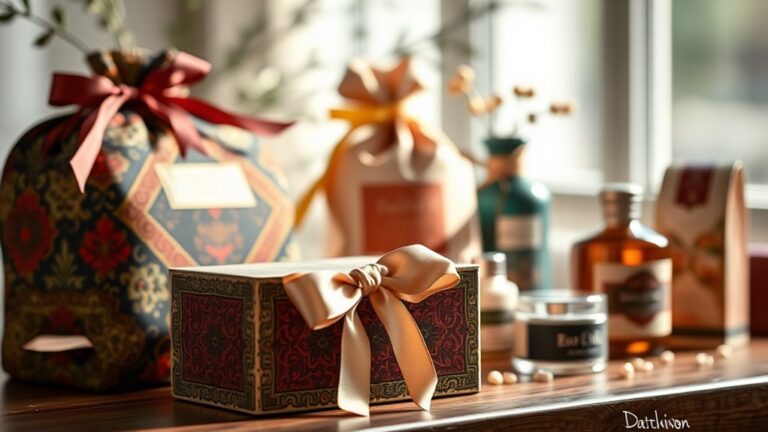
Packaging design plays an essential role in your e-commerce strategy. It's the first touchpoint that expresses your brand's identity, building recognition and loyalty. Effective packaging improves the unboxing experience, creating excitement that leads to repeat customers. By using sustainable materials, you appeal to eco-conscious consumers as well as standing out from competitors. Quality packaging not only protects products during shipping but also conveys a premium feel, boosting perceived value. Remember, every box is a chance to tell your brand story. Explore how thoughtful packaging can uplift your business and transform customer interactions.
Building Brand Recognition Through Packaging
When you receive an online order, the first thing you notice is the packaging. It's the tangible representation of the brand you've chosen to do business with. In e-commerce, packaging plays an essential role in building brand recognition and loyalty. A well-designed package can evoke feelings of excitement and anticipation, making the unboxing experience unforgettable.
As you rip open the box, you're immediately struck by the visual identity of the brand. The colors, typography, and imagery all work together to create a cohesive look that's instantly recognizable. This visual identity is what sets the brand apart from its competitors and creates a lasting impression on you, the customer.
Enhancing Unboxing Experience for Customers
When you design your packaging, you're not just protecting your product – you're creating an experience. You can make it personal by including a handwritten note or a customized insert, which will make your customers feel valued. By incorporating premium materials and surprises, such as free samples or discount codes, you'll create an unboxing experience that leaves a lasting impression.
Personal Touch Matters
About 70% of customers admit that packaging affects their perception of a brand, making it an essential aspect of e-commerce. You have a unique opportunity to create a personal connection with your customers through customized packaging. When you take the time to tailor your packaging to your brand's identity and values, you show customers that you care about their experience. It's not just about getting the product from point A to point B; it's about creating an emotional connection that sets you apart from the competition.
You can achieve this personal touch by incorporating elements that reflect your brand's personality, such as custom colors, fonts, and graphics. Add a handwritten note or a personalized message to make the unboxing experience feel more human. This attention to detail shows customers that you value their business and are committed to providing an exceptional experience. By investing in customized packaging, you're investing in building a loyal customer base that will drive repeat business and advocacy.
Premium Feel Counts
In the age of e-commerce, the unboxing experience has become a critical moment of truth for customers. You want to create a memorable experience that leaves a lasting impression. One way to do this is by incorporating premium materials and tactile sensations into your packaging design.
When you use premium materials, you're sending a signal to your customers that they've made a valuable purchase. It's about creating an emotional connection with your brand. Here's how you can improve the unboxing experience:
- Use textured paper or cloth to create a unique tactile sensation
- Incorporate subtle scents or fragrances to evoke an emotional response
- Add a personal touch with handwritten notes or customized inserts
- Incorporate premium materials like wood, glass, or metal to add an air of sophistication
- Create a sense of discovery by hiding surprises or treats within the packaging
Surprises Delight Always
What's the secret to making your customers go from satisfied to thrilled? It's all about incorporating surprise elements and delight factors into their unboxing experience. You've invested time and effort into crafting a premium product, so why stop there? Extend that luxury feel to the packaging itself.
| Surprise Elements | Delight Factors |
|---|---|
| Personalized notes or stickers | Create a sense of human connection |
| Custom-shaped inserts | Add an element of whimsy and fun |
| Free samples or goodies | Make customers feel valued and appreciated |
| Unique packaging materials | Create an Instagram-worthy moment |
When you surprise your customers with a little something extra, they're more likely to become brand ambassadors, sharing their experience with friends and family. By incorporating delight factors, you're creating an emotional connection that goes beyond the product itself. It's about building a relationship and making your customers feel special. So, don't settle for just satisfied – aim for thrilled!
Product Protection During Shipping
You've invested time and money into crafting a product that meets your customers' needs, and now it's time to confirm it arrives at their doorstep in pristine condition. This is where packaging design plays a critical role in safeguarding product protection during shipping. You want to make certain your product withstands the rigors of transportation, handling, and storage.
To achieve this, focus on using protective materials that absorb shocks, reduce vibrations, and prevent damage. Here are some crucial considerations for packaging design:
- Customized inserts: Design inserts that snugly fit your product, preventing movement and damage during transit.
- Cushioning materials: Use materials like bubble wrap, foam, or paper fill to absorb shocks and protect your product from impact.
- Sturdy outer packaging: Select materials that provide shipping durability, such as corrugated cardboard or reinforced paperboard.
- Sealing and closure: Confirm secure sealing and closure systems to prevent package opening or contents spillage during shipping.
- Testing and iteration: Conduct rigorous testing and iterate on your packaging design to verify it can withstand various shipping scenarios.
Differentiating Your Brand From Competitors
Unique branding opportunities emerge when your product arrives at customers' doorsteps, and packaging design plays a significant role in setting your brand apart from competitors. You can leverage packaging innovation to create a memorable unboxing experience that resonates with your target audience and reinforces your brand identity.
| Competitor Analysis | Market Positioning | Visual Differentiation |
|---|---|---|
| Identify competitors' packaging strengths and weaknesses | Define your brand's unique value proposition | Develop a unique visual language that sets your brand apart |
| Analyze competitors' packaging design elements | Determine your brand's market niche | Use color, typography, and imagery to create visual distinctiveness |
| Assess competitors' packaging sustainability efforts | Develop a brand personality that resonates with your target audience | Incorporate custom illustrations or graphics to create a memorable unboxing experience |
| Identify opportunities to disrupt the status quo | Craft a compelling brand story that resonates with your target audience | Use premium materials or finishes to create a luxurious feel |
| Develop a competitive pricing strategy | Develop a brand voice that's consistent across all touchpoints | Create a sense of anticipation and excitement with each delivery |
The Role of Sustainability in Packaging
As you consider the environmental impact of your packaging, you're likely thinking about how to make it more sustainable. You'll want to focus on using eco-friendly materials, reducing waste generation, and exploring biodegradable options that can help minimize your brand's carbon footprint. By making these changes, you'll not just appeal to the growing number of environmentally conscious consumers, but likewise contribute to a more sustainable future.
Eco-Friendly Materials Matter
Eco-friendly packaging has become a vital component of e-commerce, driven in part by consumers' growing concerns about the environmental impact of their purchases. As you navigate the realm of e-commerce packaging, it is crucial to prioritize sustainable practices that appeal to environmentally conscious consumers.
You can make a significant impact by incorporating eco-friendly materials into your packaging design. Here are some innovative options to take into account:
- Bioplastics: Made from renewable resources like corn starch or sugarcane, bioplastics offer a sustainable alternative to traditional plastics.
- Recyclable materials: Opt for materials that can be recycled and reused, reducing waste and minimizing environmental harm.
- Molded fiber packaging: This eco-friendly material is made from recycled paper and can be composted at the end of its life cycle.
- Compostable packaging: Look for materials that can easily decompose, reducing waste and greenhouse gas emissions.
- Sustainable sourcing: Confirm that your packaging materials are sourced from environmentally responsible suppliers that prioritize sustainable forestry and recycling practices.
Reduce Waste Generation
You've made a great start by incorporating eco-friendly materials into your packaging design. Now, it's time to tackle the next vital step: reducing waste generation. By adopting sustainable materials and eco-friendly practices, you're already on the right track. Nonetheless, there's more to be done to minimize waste and maximize efficiency.
| Strategy | Benefits |
|---|---|
| Minimalistic design | Reduces material usage, lowering waste and costs |
| Efficient logistics | Streamlines shipping, reducing fuel consumption and emissions |
| Responsible sourcing | Guarantees materials are sourced from environmentally responsible suppliers |
| Consumer awareness | Educates customers on the importance of sustainable practices, encouraging responsible disposal |
| Innovative solutions | Encourages the development of new, waste-reducing technologies and materials |
Biodegradable Options Rise
Nearly 80% of consumers claim that packaging design influences their purchasing decisions, and biodegradable options are rising to the top of their priority lists. As you navigate the sphere of e-commerce, it is crucial to stay ahead of the curve by incorporating sustainable practices into your packaging strategy.
Biodegradable materials are revolutionizing the way you package your products. Here's why:
- Reduced environmental impact: Biodegradable materials minimize waste and reduce the carbon footprint of your packaging.
- Increased customer loyalty: By choosing eco-friendly packaging, you appeal to the growing demographic of environmentally conscious consumers.
- Cost-effective: Biodegradable materials can be more affordable than traditional packing materials in the long run.
- Innovative branding opportunities: Sustainable packaging can become a unique selling point, setting your brand apart from competitors.
- Compliance with regulations: As governments implement stricter environmental regulations, biodegradable packaging helps you stay compliant and avoid potential fines.
Influencing Customer Purchasing Decisions
In regard to making a purchase online, customers are often spoilt for choice, and it's the smallest details that can tip the scales in favor of one product over another. The packaging design plays an essential role in influencing your purchasing decisions. Color psychology, for instance, can evoke emotions and create an immediate impact. Envision how a lively, warm palette can energize your mood, whereas calming hues can instill a sense of trust.
Typography impact is equally significant. The right font can establish brand identity and readability, making it easier for you to connect with the product. A well-crafted visual hierarchy draws your eyes toward vital details, guiding your decision-making process seamlessly.
Moreover, packaging trends that reflect cultural relevance resonate with you on a deeper level, making you feel acknowledged and valued as a consumer. This emotional connection can strengthen brand loyalty, encouraging you to choose one product over another consistently.
Sensory appeal shouldn't be underestimated either. The tactile experience of unboxing a product can trigger excitement and satisfaction, transforming a simple purchase into a memorable event. Comprehending your consumer behavior, brands can create purchasing triggers that align with your preferences and values.
In this innovative environment, effective packaging design isn't just about aesthetics; it's about crafting an experience that speaks to you, ensuring that every small detail contributes to a compelling reason to choose one product over another.
Creating a Sense of Luxury and Quality
Luxury and quality often shine through in carefully crafted packaging design. When you're aiming to create an unforgettable unboxing experience, the materials you choose and the aesthetics you employ can set your brand apart. You want your customers to feel the luxury the moment they lay eyes on your package. Here's how you can uplift your packaging to exude sophistication:
- Choose luxury materials: Opt for high-quality boxes, textured papers, or even metallic finishes that signal opulence.
- Focus on quality aesthetics: Utilize elegant color palettes and minimalistic designs to create a visually appealing package that reflects your brand's identity.
- Incorporate unique closures: Innovative seals or magnetic closures can add an element of surprise and delight when customers open your package.
- Add tactile elements: Textured surfaces or embossed logos can improve the sensory experience, making your product feel premium before it's even unwrapped.
- Create a cohesive brand story: Confirm your packaging design aligns with your brand's vision and ethos, reinforcing the luxury experience throughout.
Effective Use of Packaging Real Estate
When you think about packaging, consider how every inch can express your brand visually. The unboxing experience isn't just about the product; it's an opportunity to tell your story and create a memorable moment. By maximizing your packaging real estate, you can truly connect with your customers and leave a lasting impression.
Visual Brand Expression
Effective packaging isn't just about protection; it's a canvas for your brand's visual expression. When you leverage packaging design, you create a memorable touchpoint that strengthens your visual identity and improves brand consistency. Every inch of your packaging is an opportunity to engage customers and convey your brand story.
Consider these key elements to raise your packaging:
- Color Palette: Use colors that reflect your brand's personality and evoke emotions.
- Typography: Choose fonts that resonate with your target audience and align with your brand voice.
- Imagery: Incorporate compelling visuals that communicate your product's uniqueness.
- Sustainability: Use eco-friendly materials to express your commitment to the environment.
- Brand Logo: Position your logo prominently to reinforce recognition and trust.
Unboxing Experience Matters
The unboxing experience is an essential part of your customer's experience, greatly impacting their perception of your brand. When customers receive your package, they engage in unboxing psychology, a fascinating interplay of anticipation and surprise. This moment is not merely about tearing open a box; it's an opportunity for you to forge an emotional connection with them.
Maximizing the effective use of packaging real estate means designing an experience that captivates and delights. Think about the first impression your packaging makes. Is it visually stunning? Does it evoke curiosity? Use thoughtful design elements to create a memorable moment that extends beyond the product itself.
Incorporating unique features like personalized notes or eco-friendly materials can enhance this experience, making customers feel valued and understood. By focusing on the unboxing experience, you're not merely delivering a product; you're creating a narrative that resonates with your audience.
Every detail matters—texture, color, and even the sound of opening the box. By innovating in your packaging design, you're not only enhancing customer satisfaction but additionally encouraging repeat business and brand loyalty. So, invest in the unboxing experience; it's worth it.
Space for Storytelling
Every package you send out is an opportunity to tell your brand's story. You can use the space creatively to create an emotional connection with your customers. By employing narrative techniques, you transform plain packaging into a compelling experience. Here's how to make the most of that space:
- Visual Elements: Use graphics and colors that resonate with your brand's identity.
- Typography: Choose fonts that improve readability while reflecting your brand's personality.
- Sustainable Messaging: Highlight eco-friendly practices to align with conscious consumer values.
- Personal Touch: Include handwritten notes or personalized messages to forge a deeper bond.
- Call to Action: Encourage sharing on social media, turning customers into advocates.
These elements not just improve the aesthetics but likewise create a memorable unboxing experience. By weaving your brand's narrative into the packaging, you not solely inform but additionally engage your customers emotionally. Your packaging becomes a canvas for storytelling, allowing you to innovate and differentiate in a crowded e-commerce market. In the end, every detail matters. So, take advantage of that real estate, and let your story unfold with each package you dispatch.
Maximizing Brand Storytelling Opportunities
In today's competitive e-commerce environment, packaging isn't just about protecting products; it's a potent canvas for storytelling. You have the opportunity to craft a compelling brand narrative that resonates emotionally with your customers. Every element of your packaging can evoke feelings, create memories, and establish a deeper connection with your audience.
To maximize these storytelling opportunities, consider how your packaging design can reflect your brand's values. Use colors, textures, and imagery that align with your message. Think about how you can use the unboxing experience to improve emotional connection. Surprise your customers with thoughtful details, like personalized notes or eco-friendly materials.
Here's a quick overview of how to evoke emotion through packaging:
| Element | Purpose | Emotional Reaction |
|---|---|---|
| Color | Sets the mood | Excitement or calmness |
| Texture | Engages the senses | Curiosity or nostalgia |
| Personalization | Creates a sense of belonging | Connection or warmth |
Measuring the ROI of Packaging Design
Measuring the ROI of packaging design is crucial for comprehending its impact on your e-commerce business. By exploring the metrics and data, you can gain valuable insights that drive innovation and improve your brand's presence in a competitive market. Here's how you can effectively measure your packaging design's effectiveness:
- Sales Correlation: Analyze the relationship between packaging changes and sales performance to see if new designs boost your revenue.
- Cost Analysis: Evaluate the expenses associated with new packaging versus the benefits it brings, ensuring you're making a financially sound decision.
- Customer Feedback: Gather opinions from your customers on packaging aesthetics and functionality, which can guide future design evaluations.
- Brand Loyalty: Assess how your packaging influences customer retention and repeat purchases, nurturing a loyal customer base.
- Long-Term Impact: Consider the sustainability and durability of your packaging choices, as these can affect your brand's reputation over time.
Staying Ahead of the Competition Curve
Staying ahead of the competition curve in e-commerce requires a proactive approach to packaging design that resonates with your target audience. To truly stand out, you need to keep your finger on the pulse of market trends. Innovating your packaging isn't just about aesthetics; it's about creating an emotional connection that compels customers to choose you over competitors.
Conducting a thorough competitive analysis is vital. Look at what others in your niche are doing and identify gaps where you can differentiate your brand. Are competitors using sustainable materials? Is their design user-friendly? By evaluating these aspects, you can innovate and improve your packaging to not just meet but exceed consumer expectations.
Consider integrating technology into your packaging. Augmented reality experiences or QR codes can boost engagement, making your product memorable. This kind of innovation doesn't just attract attention; it can likewise increase customer loyalty and word-of-mouth referrals.
Furthermore, be agile. The e-commerce environment is constantly changing, and so are consumer preferences. Regularly revisit your packaging strategy to guarantee it aligns with current market trends. If you notice a shift in consumer behavior or emerging design styles, adapt quickly to maintain your competitive edge.
In essence, staying ahead means being bold and willing to experiment. Your packaging design is a reflection of your brand's identity, and in the fast-paced world of e-commerce, it's significant to not just keep up but to lead the charge.
Frequently Asked Questions
How Can Packaging Design Affect Shipping Costs?
You know what they say, "A penny saved is a penny earned." When you focus on packaging design, you boost shipping efficiency and can greatly reduce shipping costs. By optimizing the size and weight of your packages, you minimize unnecessary expenses. Innovative materials and designs not just protect products but likewise streamline logistics. So, rethink your packaging approach; it could lead to impressive cost optimization and a better bottom line for your business.
What Materials Are Best for Eco-Friendly Packaging?
When considering eco-friendly packaging, you'll want to focus on biodegradable materials and sustainable alternatives. Look into options like recycled paper, plant-based plastics, and compostable bags. These materials not only reduce your environmental footprint but likewise showcase your commitment to innovation. By choosing eco-conscious packaging, you'll attract environmentally aware customers who appreciate brands that prioritize sustainability. So, embrace these materials and make a positive impact as you enhance your brand's image!
How Often Should Packaging Be Redesigned?
You should redesign your packaging regularly to stay ahead of packaging trends and meet customer expectations. Consider seasonal updates to refresh your brand's image and align with current market demands. Every six to twelve months is a good rule of thumb, but if you notice shifts in consumer preferences or emerging innovations, don't hesitate to act sooner. Keep your packaging fresh, engaging, and relevant to guarantee it resonates with your audience.
Can Packaging Design Reduce Product Returns?
Absolutely, packaging design can greatly reduce product returns. When you focus on creating an innovative unboxing experience, it improves customer satisfaction. If the packaging reflects quality and matches customer expectations, they're more likely to keep the product. Thoughtful design elements, like easy-to-open packages and visually appealing materials, can create excitement and trust. This way, you not just delight your customers but additionally minimize the chances of them sending items back.
What Are Common Mistakes in Packaging Design?
In terms of common mistakes in packaging design, you might overlook design consistency, which can confuse consumers. If your packaging doesn't reflect your brand's identity, it negatively impacts consumer perception. Furthermore, using overly complicated designs can detract from the product itself. Remember, innovative packaging should improve the user experience, not complicate it. By avoiding these pitfalls, you'll create a more cohesive and appealing package that resonates with your audience.