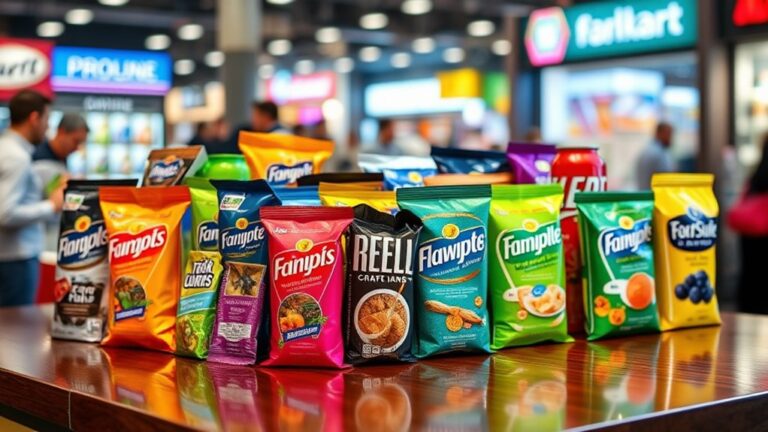

Emotional appeal in packaging design is a potent tool that helps you connect with consumers on a deeper level. By evoking feelings like nostalgia, happiness, or excitement, brands can influence purchasing decisions considerably. Color choice plays a vital role; warm colors create comfort whereas cool tones suggest trust. Using storytelling and relatable imagery cultivates familiarity and loyalty. Successful brands, like Coca-Cola and Apple, effectively utilize these emotional triggers in their designs. Comprehending these principles can improve your design approach and lead to memorable consumer experiences that resonate. Let's explore how you can utilize these techniques for effective packaging.
Understanding Emotional Appeal
Emotional appeal plays a crucial role in packaging design, and comprehending it can greatly influence consumer behavior. When you realize how to create emotional resonance through your packaging, you're not merely selling a product; you're forging a deeper consumer connection. Think about how your packaging can evoke feelings—happiness, nostalgia, or even excitement. These emotions can drive buying decisions far more than the product details ever could.
Consider the colors, textures, and imagery you choose. Each element can stir specific feelings and associations, enhancing that emotional connection. For instance, warm colors might evoke comfort, while lively hues can inspire enthusiasm. By tapping into these psychological triggers, you can make your packaging stand out in a crowded marketplace.
Furthermore, storytelling is a dynamic tool in achieving emotional appeal. When you incorporate narratives into your design, you invite consumers to engage with your brand on a personal level. This connection transforms a simple purchase into an experience, making your product more memorable.
Don't underestimate the impact of authenticity either. Consumers today crave genuine connections, so verify your packaging reflects your brand's values and mission. By doing so, you'll not just attract attention but also cultivate loyalty among your audience.
Ultimately, grasping emotional appeal isn't just a design choice; it's a strategic advantage. When you prioritize emotional resonance in your packaging, you open the door to a world of innovative possibilities that can captivate consumers and drive sales.
The Psychology Behind Packaging
When you think about packaging, consider how emotional triggers play an essential role in your choices. The colors and designs can evoke feelings, influencing your perception of the product. Comprehending these psychological effects helps you connect with your audience on a deeper level.
Emotional Triggers in Design
Many people don't realize how much packaging design influences their feelings and decisions. When you encounter a product, it's often the packaging that first captures your attention and evokes an emotional response. This emotional resonance is an influential tool in the hands of innovative designers. By comprehending the psychological triggers behind your preferences, they create experiences that resonate deeply with you.
Sensory engagement plays a significant role in this process. Think about how textures, shapes, and materials can elicit memories or feelings. A matte finish might evoke sophistication, whereas a bold, glossy package can ignite excitement. Each element is carefully selected to create a connection between you and the product.
Moreover, the use of storytelling in packaging can amplify these emotional triggers. When a package narrates a brand's narrative or mission, it invites you to become part of that story, nurturing loyalty and trust. By tapping into your emotions, designers can make you feel recognized and valued, turning a simple purchase into a meaningful experience. Embrace this innovative approach to packaging design and discover how it can transform your perception and choices in the marketplace.
Color Psychology Effects
Utilizing the strength of color in packaging design can greatly influence your perceptions and choices. The right hues can evoke significant emotional responses, steering you toward products that resonate with your mood or needs. Comprehending color associations is essential for creating packaging that captivates and converts.
Consider these impactful color associations:
- Red: Often linked to excitement and urgency, it grabs attention and can stimulate appetite.
- Blue: Evokes trust and calmness, making it a perfect choice for brands aiming for reliability.
- Green: Associated with nature and health, it appeals to eco-conscious consumers.
Types of Emotional Triggers
Emotional triggers in packaging design can greatly influence consumer behavior, tapping into feelings that drive purchasing decisions. By comprehending and utilizing these triggers, you can create a formidable connection with your audience. Here are some types of emotional triggers that can amplify your packaging design:
| Emotional Trigger | Description | Example |
|---|---|---|
| Fear Appeal | Evokes concern or anxiety to prompt action. | Health warnings on products. |
| Joy Connection | Creates happiness or nostalgia, boosting brand affinity. | Bright colors and playful fonts. |
| Surprise Factor | Engages curiosity and excitement, encouraging exploration. | Unique unboxing experiences. |
Trust building is crucial; when consumers feel secure in your brand, they're more likely to choose your product. Incorporate elements that promote empathy creation, allowing customers to see themselves reflected in your brand's story. Community engagement also plays a significant role; when packaging represents collective values, it resonates more deeply.
Aspirational messaging can drive consumers to envision their best selves with your product, whereas sensory interaction heightens the experience through tactile elements or scents. By strategically weaving these emotional triggers into your packaging design, you can create an innovative approach that captures attention and cultivates loyalty. Embrace the influence of emotions, and watch your brand flourish in a crowded marketplace!
Visual Elements That Connect
Visual elements play a pivotal role in forging connections with consumers, as they can evoke specific feelings and responses that align with the emotional triggers discussed earlier. When you design packaging, consider how these elements can tell stories and engage the senses, creating memorable experiences that resonate with your audience.
To achieve effective visual storytelling and sensory engagement, focus on these key elements:
- Imagery: Use striking visuals that relate to your brand's narrative. A well-chosen image can encapsulate your product's essence and evoke nostalgia, excitement, or trust.
- Typography: The fonts you choose convey different messages. Modern, sleek typography might suggest innovation, whereas handwritten styles can evoke warmth and authenticity. Choose wisely to align with your brand's personality.
- Textures: The tactile experience of your packaging can deeply influence consumer perception. Incorporate textures that invite touch, creating a multi-sensory experience that improves emotional connection.
The Role of Color in Emotion
Color can make or break the emotional impact of your packaging design. It's not merely about aesthetics; it's about tapping into color symbolism that triggers specific feelings and associations in your audience. When you choose colors wisely, you can evoke emotions that resonate deeply, driving consumers to connect with your brand on a more profound level.
For instance, lively reds can ignite passion and urgency, whereas calming blues tend to inspire trust and reliability. By comprehending the psychological effects of these colors, you can utilize emotional branding to craft a narrative that speaks directly to your target market. Think about the experience you want to create—do you want to inspire excitement, calmness, or nostalgia? Your color palette should align with that vision.
Innovative packaging design goes beyond mere functionality. It engages the senses and elicits emotional responses, making consumers feel something about your product before they even try it. By integrating color symbolism into your designs, you can set the stage for a compelling brand story.
Experiment with combinations that reflect your brand's personality and ethos. For example, earthy tones can convey sustainability, whereas bright pastels might evoke playfulness. The key is to remain consistent and authentic to your brand identity, as mismatched colors can lead to confusion or disengagement. In the end, mastering the role of color in emotion can enhance your packaging design, ensuring it captures attention but creates lasting connections with your audience.
Storytelling Through Packaging Design
When you look at packaging, think about how it tells a story that resonates with you. By evoking nostalgia and integrating brand narratives, packaging can create a strong emotional connection. The visual elements you see play a vital role in shaping those feelings and memories.
Evoking Nostalgia and Memories
As you pick up a product, the packaging can instantly transport you to cherished moments from your past, tapping into memories that evoke a sense of nostalgia. This nostalgic design isn't merely about visuals; it utilizes clever memory triggers that resonate deeply with you. Think about how certain colors, fonts, or images can remind you of simpler times or beloved family traditions.
By integrating these elements, brands can create a significant emotional connection. Here are some ways packaging can evoke nostalgia:
- Familiar Colors: Warm tones or vintage palettes can spark memories of childhood.
- Classic Typography: Retro fonts can remind you of earlier eras, enhancing the nostalgic feel.
- Iconic Imagery: Using symbols from the past can transport you back to significant life moments.
Innovative packaging that captures these elements not only stands out on the shelf but additionally nurtures a sense of familiarity and comfort. When you feel that connection, you're more likely to choose that product again and again. In a world full of choices, evoking nostalgia can be a game-changer for brands looking to create lasting impressions.
Brand Narrative Integration
Capturing attention through storytelling, packaging design can weave a brand's narrative into every detail. When you integrate brand voice with narrative elements, you create a potent tool for consumer connection. It's crucial to maintain narrative consistency; your packaging should reflect the essence of your brand and align emotionally with your audience.
Utilizing storytelling techniques, you can evoke emotional resonance that lingers long after the product is purchased. Think about how message clarity improves the impact of your visual storytelling; every aspect of the design should serve the overarching narrative. When consumers perceive brand authenticity, they're more likely to engage and build loyalty.
Your packaging can become a canvas for emotional alignment, where each color, texture, and graphic contributes to a compelling story. This integration nurtures an intimate bond between your product and your audience, creating memorable experiences that resonate on a deeper level. By focusing on these aspects, you can turn packaging into a crucial component of your brand's storytelling expedition, eventually transforming how consumers interact with your products.
Visual Elements and Emotion
How do visual elements shape emotional responses in packaging design? The answer lies in the art of visual storytelling. When you craft a package, you're not just presenting a product; you're creating an experience that resonates with your audience. Innovative designs can evoke feelings, trigger memories, and even influence purchasing decisions.
Consider these three key elements of visual storytelling:
- Color Palette: Colors can evoke specific emotions—think of warm tones for comfort or cool tones for calmness.
- Typography: The choice of font can convey the brand's personality; playful fonts can suggest fun, whereas elegant fonts can imply sophistication.
- Imagery: Engaging visuals can spark sensory engagement, drawing customers into a narrative that reflects your brand's ethos.
Nostalgia as a Marketing Tool
Nostalgia plays a significant role in packaging design, often evoking cherished memories that make products more appealing. By tapping into emotional connections from the past, brands can create a strong sense of familiarity and comfort. You might find yourself drawn to nostalgic branding that incorporates retro aesthetics, reminding you of simpler times. This strategy not only improves the product's desirability but also encourages customer loyalty.
Consider how different elements of nostalgic packaging can resonate with consumers. Here's a table that illustrates these connections:
| Element | Emotional Impact |
|---|---|
| Vintage Typography | Evokes classic elegance and familiarity |
| Iconic Colors | Triggers memories associated with childhood |
| Old-School Logos | Instills trust through brand heritage |
| Retro Patterns | Sparks joy by recalling past trends |
| Familiar Imagery | Creates a sense of belonging and nostalgia |
When you see packaging designed with these elements, it's like a trip down memory lane. It's not merely about selling a product; it's about creating an experience that connects on a deeper emotional level. By comprehending how nostalgia influences consumer behavior, you can utilize this strong marketing tool. So, as you explore packaging design, think about how you can incorporate nostalgic elements that resonate with your audience during the process of pushing the boundaries of innovation. The marriage of nostalgia with modern design can lead to truly enchanting results.
Eco-Friendly Packaging and Values
A growing number of consumers today prioritize eco-friendly packaging, recognizing its significance in promoting sustainability and reducing environmental impact. As the conversation around climate change intensifies, your choice of packaging can become a potent statement of your brand's values. By opting for sustainable materials, you not only cater to the growing demand for eco-conscious products but additionally cultivate deeper connections with your audience.
When you embrace eco-friendly packaging, consider these three key benefits:
- Reflecting Consumer Values: Today's consumers are more likely to support brands that align with their ecological beliefs. By using sustainable materials, you demonstrate your commitment to the planet.
- Reducing Environmental Impact: Eco-friendly packaging minimizes waste and conserves resources. This not only helps the environment but likewise positions your brand as a leader in sustainability.
- Building Brand Loyalty: Customers appreciate brands that take a stand on global issues. By prioritizing eco-friendly initiatives, you nurture trust and loyalty, encouraging repeat business.
Incorporating these principles into your packaging design can differentiate your brand in a crowded marketplace. Consumers are increasingly motivated by their values, and they favor products that reflect their commitment to sustainability. Consequently, by innovating with eco-friendly packaging, you improve your brand's reputation as you nurture loyalty among environmentally-conscious consumers. Your packaging isn't just a protective layer; it's an opportunity to connect, inspire, and lead the change.
Case Studies of Successful Brands
Let's explore how iconic brands use packaging to create strong emotional connections with their customers. You'll see how specific design elements trigger feelings and influence buying decisions. By examining these successful examples, you'll gain insight into the strength of emotional appeal in packaging.
Iconic Brand Packaging Examples
Many brands have mastered the art of packaging design, creating iconic visuals that resonate emotionally with consumers. These brands leverage a blend of luxury aesthetics and innovative materials, engaging your senses and igniting joy. Let's explore a few standout examples that exemplify emotional branding:
- Coca-Cola: Their limited edition packaging often taps into cultural influences, creating a sense of nostalgia and connection.
- Apple: With its minimalist design, Apple's packaging embodies tactile engagement, making you feel the quality and craftsmanship before you even unbox the product.
- M&M's: The playful elements in their packaging not only attract attention but likewise nurture brand loyalty through customized experiences.
These brands understand that packaging isn't just about containment; it's a sensory experience that enriches your connection to the product. From the luxury aesthetics of high-end goods to the playful designs of everyday items, emotional appeal in packaging speaks to your desires and aspirations. Embracing such strategies can lead to innovative solutions that not only attract attention but additionally build lasting relationships with consumers.
Emotional Triggers in Design
Successful brands don't merely create visually appealing packaging; they tap into emotional triggers that resonate deeply with consumers. Take Coca-Cola, for example. Their packaging often evokes nostalgia through retro designs and classic logos, creating a sense of belonging that improves emotional resonance. You feel connected to cherished memories, driving you to choose their product over others.
Another stellar case is Apple. Their minimalist packaging reflects design empathy, making consumers feel valued and comprehended. By focusing on simplicity and elegance, Apple not only showcases its products but likewise crafts an experience that aligns with your desire for innovation and sophistication.
Consider Dove, too. Their Real Beauty campaign uses packaging to challenge beauty norms, tapping into self-acceptance and inclusivity. This approach cultivates a deep emotional connection, encouraging customers to align themselves with the brand's values.
These case studies illustrate how successful brands leverage emotional triggers in their design strategies. By prioritizing emotional resonance and comprehending consumer needs, they create packaging that doesn't just sell products but builds lasting relationships. So, think about how you can utilize these insights to innovate your own packaging design.
Measuring Emotional Impact
Measuring emotional impact in packaging design requires a blend of qualitative and quantitative approaches that truly capture consumer reactions. You need to utilize emotional metrics that go beyond traditional sales data to understand how your packaging resonates with consumers. By combining hard numbers with insightful consumer feedback, you can craft a more compelling narrative around your product.
To achieve this, consider implementing these key strategies:
- Surveys and Focus Groups: Engage with consumers directly to gauge their emotional responses. Ask open-ended questions that allow them to express what they feel when they see your packaging.
- Eye-Tracking Technology: Use advanced technology to track where consumers look on the packaging. This data can reveal which design elements draw attention and elicit emotional reactions.
- A/B Testing: Experiment with different packaging designs in real-world settings. Monitor how changes impact consumer behavior and emotional responses, allowing you to refine your approach based on tangible results.
Ultimately, it's about creating a feedback loop where emotional metrics inform your design process. By actively measuring how your packaging stirs emotions, you can continuously innovate and create designs that speak to your target audience. Emotionally impactful packaging doesn't just attract attention; it encourages loyalty and connection, converting casual shoppers into brand advocates. So, embrace these measuring techniques and watch as your packaging transforms into a significant tool for emotional engagement.
Trends in Packaging Design
In recent years, packaging design has evolved to reflect a deeper comprehension of consumer psychology and environmental sustainability. You'll notice that brands are increasingly opting for sustainable materials, showing a commitment to the planet that resonates with eco-conscious consumers. This shift not only helps reduce environmental impact but additionally nurtures brand loyalty among those who value sustainability.
Minimalist design has likewise gained traction, as it effectively communicates a brand's essence without overwhelming consumers. By stripping away excess, these designs improve sensory experiences, allowing the product itself to shine. Interactive packaging is another exciting trend, engaging consumers in new ways. Think QR codes or augmented reality features that invite exploration and create memorable interactions.
Customization options have become crucial as well, allowing consumers to feel a personal connection to the product. When you see a package that reflects your unique preferences, it improves your overall experience and encourages repeat purchases. Cultural influences play a significant role in this trend, as brands aim to connect with diverse audiences through packaging that resonates with their heritage.
Digital integration isn't just a buzzword; it's a necessity. As you engage with brands online, the packaging needs to reflect that digital presence, creating a seamless experience. All these trends point toward an era of packaging innovation that prioritizes consumer engagement and emotional appeal, driving brands to create experiences that attract and retain loyal customers.
Future of Emotional Packaging
As brands look ahead, emotional packaging is set to become a cornerstone of consumer engagement. The future of packaging lies in its ability to form deeper connections with consumers, evolving beyond mere functionality. You'll want to focus on emotional innovation that resonates with your audience, creating a sensory experience that improves brand loyalty.
Here are three key areas to reflect on:
- Sustainable Design: Consumers are increasingly prioritizing eco-friendly products. By integrating sustainable materials and practices into your packaging, you appeal to environmentally conscious buyers while nurturing a positive emotional connection.
- Sensory Experience: Engage consumers' senses through touch, sight, and even sound. Unique textures, lively colors, and innovative shapes can evoke feelings and memories, making your product memorable and encouraging repeat purchases.
- Market Adaptation: Stay ahead by being flexible. Monitor market trends and adapt your packaging designs to reflect cultural shifts and consumer preferences. This responsiveness can improve emotional connection, leading to a loyal customer base.
The design evolution of future packaging will hinge on these principles. By emphasizing consumer connection through emotional appeal, you'll create meaningful interactions and drive brand loyalty. As you navigate this environment, keep in mind the influence of emotional packaging lies in its ability to tell a story that resonates with your audience. Embrace these innovations, and watch your brand flourish in an ever-changing market.
Frequently Asked Questions
How Can Small Brands Effectively Utilize Emotional Packaging?
To effectively utilize emotional packaging, you can weave storytelling elements into your designs. Think about how your brand's story connects with your audience's values and experiences. Incorporate sensory experiences by using textures, colors, and scents that evoke specific emotions. This approach not merely grabs attention but likewise creates lasting connections. By innovatively blending these elements, you can craft packaging that resonates deeply and sets your small brand apart in a crowded market.
What Are Common Mistakes in Emotional Packaging Design?
Emotional packaging can be a double-edged sword. One common mistake you might make is neglecting color psychology; choosing hues without comprehension of their psychological impact can backfire. Another pitfall is failing to engage sensory triggers; if your design doesn't evoke touch or taste, it misses the mark. Remember, innovation thrives on connection, so don't let your packaging be just another pretty face—ensure it resonates and tells a compelling story that captivates your audience.
How Does Cultural Background Influence Emotional Appeal in Packaging?
Cultural background considerably influences emotional appeal in packaging by shaping consumer perceptions and responses. When you understand cultural symbolism, you can create designs that resonate deeply with your target audience. For example, colors, shapes, and images might evoke specific emotions based on cultural contexts. By tapping into these nuances, you're not just selling a product; you're connecting on a more profound level, nurturing loyalty and encouraging innovation in your packaging strategies.
Can Emotional Packaging Increase Customer Loyalty?
Envision walking through a market, where lively colors and enticing scents pull you in. Emotional packaging can certainly boost customer loyalty. When you weave brand storytelling into your designs, you create a connection that resonates. By engaging the senses—sight, touch, and even smell—you make your products unforgettable. This sensory engagement transforms a simple purchase into an experience, ensuring customers return. It's not just about the product; it's about the story behind it.
What Research Methods Are Best for Testing Emotional Appeal?
To test emotional appeal effectively, you should consider using focus groups and survey analysis. Focus groups provide qualitative insights, letting you observe participants' reactions and gather in-depth feedback on your packaging. Meanwhile, survey analysis allows you to quantify emotional responses, helping you identify trends and preferences across a broader audience. Combining these methods can give you an extensive awareness of how your packaging resonates emotionally, driving innovation and customer loyalty.