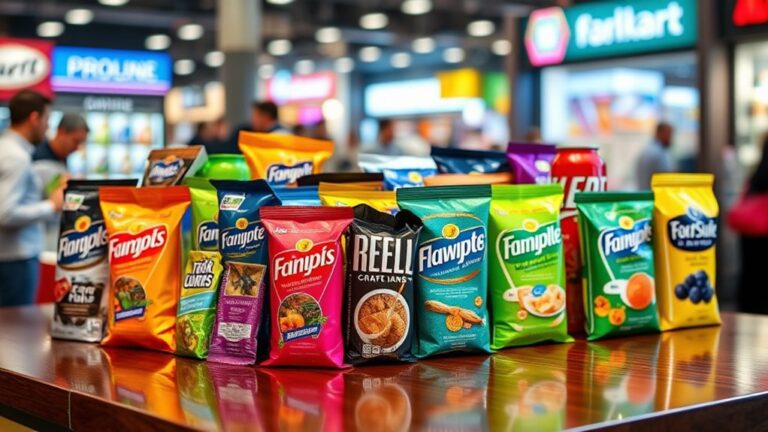
You're seeing a shift in packaging design, where minimalism emphasizes simplicity and sustainability. You're drawn to clean lines, simple typography, and functional beauty. Minimalist designs build strong brand identities and reduce clutter. You'll notice eco-friendly materials and reduced waste are becoming key. As you explore modern packaging, you'll find that simplicity and clarity create a lasting impression, and it's clear that there's more to minimalist design than meets the eye, with its impact extending far beyond the packaging itself.
Minimalist Design Principles
Embracing simplicity, you're entering a domain where less is more, and minimalist design principles come into play. As you explore this world, you'll notice that minimalist aesthetics are not merely about stripping away elements, but about creating a sense of functional beauty. You're looking to design packaging that's not just visually appealing but serves a purpose as well. By embracing minimalism, you're able to focus on the fundamental features of your product and eliminate unnecessary clutter.
You're streamlining your design process, and in doing so, you're creating a more efficient and effective packaging solution. Minimalist design principles allow you to emphasize the key benefits and features of your product, making it more relatable to your target audience. You're using whitespace, clean lines, and simple typography to create a sense of sophistication and elegance. This approach helps you build a strong brand identity and establish a consistent visual language.
As you apply minimalist design principles, you’re able to create packaging that’s both functional and beautiful. You’re considering the user experience, the environment, and the overall impact of your design. By prioritizing simplicity and functional beauty, you’re able to design packaging that stands out in a crowded market and resonates with consumers who value minimalist aesthetics. You’re pushing the boundaries of innovation and creating a new standard for packaging design. Moreover, your focus on minimalist packaging design concepts allows for the use of eco-friendly materials that reduce waste while still looking sleek and modern. This not only appeals to environmentally conscious consumers but also sets a precedent for sustainability within the industry. By harnessing the power of simplicity, you’re fostering a deeper connection between the product and the consumer, encouraging them to appreciate both the beauty and functionality of your designs.
Simple Packaging Solutions
You're looking for simple packaging solutions that reflect minimalist design principles, and you'll find that clean design is a key element in achieving this goal. By using basic shapes and simple forms, you can create packaging that's both functional and visually appealing. You'll discover that incorporating these elements into your packaging design will help you create a more streamlined and effective brand image.
Clean Design
Most packaging designs can benefit from simple, clean solutions that strip away unnecessary elements. You're aiming to create a design that's not just functional but also visually appealing. By embracing clean design, you're able to achieve visual clarity, which is crucial for making your product stand out on crowded shelves. This approach additionally improves the aesthetic appeal of your packaging, making it more attractive to potential customers.
You're looking to innovate and stay ahead of the curve, and clean design can help you achieve that. By focusing on simplicity and stripping away clutter, you're able to create a design that's both modern and timeless. Clean design furthermore allows you to emphasize the key features and benefits of your product, making it easier for customers to understand what you're offering. As you explore clean design, you'll find that it's a significant tool for creating packaging that's both effective and beautiful.
Basic Shapes
Several basic shapes can form the foundation of simple packaging solutions. You'll find that circles, squares, and triangles are often used in minimalist packaging design. These shapes are not just visually appealing, but they are also provide a clean canvas for branding and product information. By using basic shapes, you can create geometric patterns that add depth and interest to your packaging without overwhelming the consumer.
You're looking for functional aesthetics that improve the user experience, and basic shapes can help you achieve this. For example, a cylindrical shape can make a product easier to hold and use. When combined with minimalist design principles, basic shapes can create a strong and innovative packaging solution. You can use these shapes to create a sense of simplicity and elegance, making your product stand out on store shelves. By embracing basic shapes and geometric patterns, you can create packaging that is both functional and visually striking.
Simple Forms
Building on the concept of basic shapes, simple forms can take packaging design to the next level by stripping away unnecessary elements and focusing on functionality. You'll find that simple forms can enhance your packaging design by introducing a sense of sophistication and modernity. By embracing simple aesthetics, you can create packaging that's both visually appealing and easy to use.
As you explore simple forms, you'll notice that they often embody functional elegance. This means that every aspect of the packaging serves a purpose, from the shape and size to the materials and textures. You can use simple forms to create packaging that's intuitive and user-friendly, making it easier for customers to interact with your product. By combining simple aesthetics with functional elegance, you can create packaging that's both innovative and effective, setting your product apart from the competition and leaving a lasting impression on your customers.
Sustainable Design Trends
One key aspect of minimalism in packaging design is its focus on sustainable design trends, which you'll find are driven by consumer demand for eco-friendly products. You're likely to notice that companies are now making eco-conscious choices in relation to packaging, opting for sustainable materials that reduce waste and minimize environmental impact. This shift in the direction of sustainability is not merely good for the planet, but it's also a smart business move, as consumers are increasingly looking for brands that share their values.
As you explore the realm of minimalist packaging, you'll come across various sustainable design trends. Here are a few examples:
| Trend | Description |
|---|---|
| Biodegradable packaging | Made from materials that can easily decompose, reducing waste and pollution |
| Recycled materials | Using recycled materials to reduce the demand for new, raw materials |
| Minimal packaging | Reducing packaging to the bare minimum, eliminating unnecessary materials and waste |
You can make a positive impact by choosing products with sustainable packaging. By supporting companies that prioritize eco-friendly packaging, you're encouraging others to follow suit. As a consumer, you have the influence to drive change and promote sustainable design trends in the packaging industry. By making eco-conscious choices, you're contributing to a more sustainable future.
Brand Image Matters
You're considering how minimalism in packaging design affects your brand, and it's clear that brand identity plays a vital role in this process. As you develop your packaging, you're creating a visual impact that will influence how customers perceive your brand, so it's important to get it right. You'll want to think carefully about how your brand's visual elements, such as logos and color schemes, contribute to a strong brand identity and make a lasting impression on your target audience.
Brand Identity
One key aspect of minimalism in packaging design is that it lets your brand identity shine through, and that's one area where designers can't afford to cut corners. You're creating a visual representation of your brand, and it's essential to get it right. By embracing minimalism, you can focus on what matters most: conveying your brand's message and values. This approach allows you to develop effective brand recognition strategies that resonate with your target audience.
You can leverage minimalism advantages to simplify your packaging design and make it more distinctive. By stripping away clutter, you're left with a clean and intuitive design that communicates your brand's unique personality. This, in turn, helps you build a strong brand identity that sets you apart from competitors. As you explore minimalism in packaging design, keep in mind that it's not just about aesthetics – it's about creating a lasting impression that drives customer loyalty and in the end, business success.
Visual Impact
Your brand's visual impact is one of the most critical elements in packaging design, and it's what sets your product apart on store shelves. You're creating a first impression that can make or break consumer attraction. Minimalist packaging design focuses on simplicity, allowing your brand's message to shine through and influence visual perception.
To evoke an emotional response, consider the following:
- Simplicity: clean lines and minimal graphics
- Contrast: bold colors that grab attention
- Storytelling: packaging that tells a story and creates a connection
You're not just designing a package, you're designing an experience that drives consumer attraction. By leveraging visual perception, you can create a lasting impression that sets your brand apart. Effective minimalist packaging design will make your product stand out, driving sales and growth. It's time to rethink your packaging design and create a visual impact that resonates with your audience.
Consumer Behavior Shifts
A significant shift in consumer behavior is driving companies to reassess their packaging design strategies. You're seeing changes in consumer preferences, driven by market trends that emphasize simplicity and authenticity. As you navigate these shifts, it is vital to contemplate how buying habits are influencing product perception. Design psychology plays a fundamental role in creating packaging that resonates with eco-conscious consumers, who are increasingly driving brand loyalty.
You need to balance visual appeal with packaging functionality to create an emotional connection with your target audience. By grasping what drives consumer behavior, you can design packaging that meets their needs and exceeds their expectations. As you explore consumer behavior shifts, you'll find that consumers are more likely to engage with brands that share their values. You must reflect on how your packaging design aligns with your brand's values and personality. By doing so, you'll create a loyal customer base that appreciates your attention to detail and commitment to quality. You'll additionally stay ahead of the competition by anticipating and adapting to changing market trends. By embracing minimalist packaging design, you'll be better equipped to meet the evolving needs of your customers and stay relevant in a swiftly changing market. This will ultimately drive business growth and success.
Eco Friendly Packaging
Sustainable materials are becoming the backbone of eco-friendly packaging, and it's vital you consider their impact on your design strategy. As you develop your packaging design, you're not just creating a product that's visually appealing, but similarly one that's environmentally responsible. You're looking for ways to reduce waste, minimize carbon footprint, and promote eco-friendliness. Sustainable materials, such as recycled paper, bamboo, and bioplastics, are becoming increasingly popular, and it's important you incorporate them into your design.
You're driven by a desire to create innovative packaging that's both functional and sustainable. You're exploring biodegradable options that can replace traditional packaging materials, reducing the amount of plastic waste in landfills and oceans. This shift in direction for eco-friendly packaging is not just good for the environment, but likewise resonates with consumers who are becoming more environmentally conscious. Consider the following benefits of eco-friendly packaging:
- Reduced carbon footprint: by using sustainable materials, you're minimizing the impact of your packaging on the environment.
- Increased brand loyalty: consumers are more likely to choose products with eco-friendly packaging, leading to increased brand loyalty.
- Compliance with regulations: many countries are implementing regulations to reduce plastic waste, and using eco-friendly packaging helps you comply with these regulations.
Designing For Simplicity
You're looking to create packaging that's straightforward and easy to understand, which is where simple forms come in. By using clean lines and basic shapes, you can design packaging that's free from clutter and distractions. You'll focus on stripping away unnecessary elements, and that's how you'll achieve a design that's both functional and visually appealing with simple forms, clean lines, and basic shapes.
Simple Forms
Designing for simplicity is key to creating effective minimalist packaging, and it is vital to focus on simple forms that convey the product's message without clutter. You're aiming to create a design that's both geometric and beautiful, with a functional beauty that resonates with your audience. Simple forms can evoke a sense of elegance and sophistication, making your product stand out on store shelves.
To achieve this, consider the following:
- Emphasize geometric aesthetics to create a sense of harmony and balance
- Use negative space to draw attention to key product features
- Highlight functional beauty to showcase the product's purpose and value
Clean Lines
Clean lines play a crucial role in minimalist packaging, and they can make or break the overall aesthetic of your product. You're creating a design that exudes simplicity and sophistication, and clean lines are fundamental to achieving this look. By incorporating clean lines into your packaging design, you're able to create a sense of clarity and focus, drawing the consumer's eye to the most important elements of your product.
You're designing for a modern audience that craves innovation and clean aesthetics. To appeal to this demographic, you must prioritize minimalist appeal in your packaging design. Clean lines help you achieve this by eliminating clutter and visual noise, resulting in a design that's both sleek and modern. As you design your packaging, consider how clean lines can improve the overall visual impact of your product, making it stand out on store shelves and online. This will help you create a lasting impression on your target audience.
Basic Shapes
Building on the concept of simplicity, basic shapes play a significant role in minimalist packaging design. You're likely to see geometric patterns, like circles, squares, and triangles, used to create functional aesthetics that appeal to consumers. These shapes aren't just visually appealing; they too contribute to a sense of order and balance.
When you incorporate basic shapes into your packaging design, you can evoke emotions like:
- Serenity: through the use of simple, repetitive patterns
- Excitement: with bold, contrasting shapes
- Curiosity: by combining unexpected shapes and textures
Reduced Waste Strategies
Several key strategies can help you minimize waste in packaging design. You're looking to reduce your environmental footprint, and it starts with waste reduction through sustainable sourcing. By choosing eco-conscious materials, you're already on the right track. Responsible production methods likewise play a significant role in minimizing waste. Consider efficient logistics to reduce packaging needs and lower emissions. Implementing recycling initiatives can likewise make a significant impact.
You can take it a step further by exploring compostable options and biodegradable alternatives. These materials can replace traditional packaging, reducing the amount of waste that ends up in landfills. As you design your packaging, think about the entire lifecycle of the product, from production to disposal. By prioritizing sustainability, you're not just reducing waste but also appealing to the growing number of eco-conscious consumers.
When designing your packaging, consider the minimal amount of material needed to protect and transport your product. This approach will help you reduce waste and create a more efficient packaging system. By incorporating these strategies, you'll be well on your way to creating innovative, sustainable packaging that sets your brand apart. You'll reduce your environmental impact, and your customers will appreciate your commitment to sustainability. This approach is a win-win for both your brand and the planet.
Effective Brand Messaging
Now that you've implemented sustainable packaging strategies, it's time to focus on what your packaging says about your brand. You're not just selling a product, you're telling a story, and that's where brand storytelling comes in. Effective brand messaging is essential in creating an audience connection that goes beyond just a transaction. You want your packaging to evoke emotions, to make your customers feel like they're part of something bigger than just a purchase.
To achieve this, you need to be intentional with your design. You're creating an experience, not just a package. Consider what makes your brand unique and how you can convey that through your packaging. Here are three ways to do this:
- Simplify your design: don't clutter your packaging with unnecessary information or images.
- Use storytelling elements: add a tagline, a quote, or a message that resonates with your brand's values.
- Make it personal: use custom illustrations or graphics that reflect your brand's personality.
Modern Packaging Materials
You're looking for packaging materials that not merely align with your brand's values but in addition meet the demands of modern consumers. As you explore options, you'll find that biodegradable materials, recycled plastics, and innovative substrates are gaining popularity. These eco-conscious choices not only reduce waste but likewise appeal to consumers who prioritize sustainability. You can make a significant impact by choosing materials that are lightweight, reusable, and made from sustainable sourcing.
| Material Type | Benefits |
|---|---|
| Biodegradable Materials | Reduces waste, minimizes environmental impact |
| Recycled Plastics | Conserves natural resources, decreases landfill waste |
| Innovative Substrates | Offers unique textures, improves brand differentiation |
Clever Label Designs
Most packaging designs rely heavily on labels to convey essential information, and it's here that clever design can make all the difference. You're looking for ways to make your product stand out, and a well-designed label can be a key factor in grabbing the customer's attention. By using creative typography and innovative materials, you can create a label that's not just functional but also visually appealing.
When it comes to designing a label, you have a lot of options to evaluate. You can choose from a variety of shapes, sizes, and materials to create a unique look that reflects your brand's personality. You can likewise experiment with different printing techniques, such as foil stamping or embossing, to add texture and depth to your label.
- Emotional Connection: Create an emotional connection with your audience by using labels that tell a story or convey a message.
- Sustainability: Use eco-friendly materials and minimal packaging to appeal to the environmentally conscious consumer.
- Innovation: Incorporate innovative materials and technologies, such as NFC tags or QR codes, to create an interactive experience.
Frequently Asked Questions
What Is Minimalism?
You envision a space with clean lines, and you're drawn to minimalist aesthetics. It's about embracing simplicity, you're applying design principles that cut clutter, and you're focusing on the fundamental, creating a sense of calm, and you're innovating with less.
Is Simple Packaging Expensive?
You're wondering if simple packaging is expensive. It's not, as you'll find that a cost analysis often reveals design efficiency can reduce costs. By streamlining materials and designs, you're saving money, not spending it. This approach allows you to allocate resources more effectively, making simple packaging a smart, innovative choice for you.
How Is Sustainability Measured?
You'll find that 80% of consumers consider sustainability. When measuring it, you're evaluating sustainability metrics that gauge environmental impact. You're looking at how products affect the planet, from production to disposal, and assessing their overall eco-friendliness to drive innovation.
Can Minimalism Increase Sales?
You're wondering if minimalism can boost sales. By adopting minimalist branding, you're likely to see sales growth. It's simple: clean designs and straightforward messaging drive consumer engagement, increasing the chances you'll make a sale. You'll appeal to customers seeking sleek, modern products, in the end driving revenue and growth for your business.
Is Eco Friendly Costly?
You're wondering if eco-friendly is costly. Conducting a cost analysis, you'll find that using eco-friendly materials can be more expensive upfront. Nevertheless, it can additionally reduce waste and boost your brand's reputation, leading to long-term savings and increased customer loyalty, which you'll likely find is worth the extra cost.