Companies are transforming ordinary packaging into extraordinary experiences by adopting innovative designs that reflect their brand personality and values. Storytelling packaging connects emotionally with customers, fostering loyalty and attachment. Unboxing experiences can evoke excitement and joy, while customization and personalization create emotional connections. Eco-friendly materials and waste reduction strategies are also key. By incorporating sensory elements, tactile experiences, and aromatic features, brands can create immersive experiences that drive business growth. As companies continue to push the boundaries of packaging design, they're discovering new ways to build lasting connections with customers – and the possibilities are endless.
Breaking Free From Bland Boxes
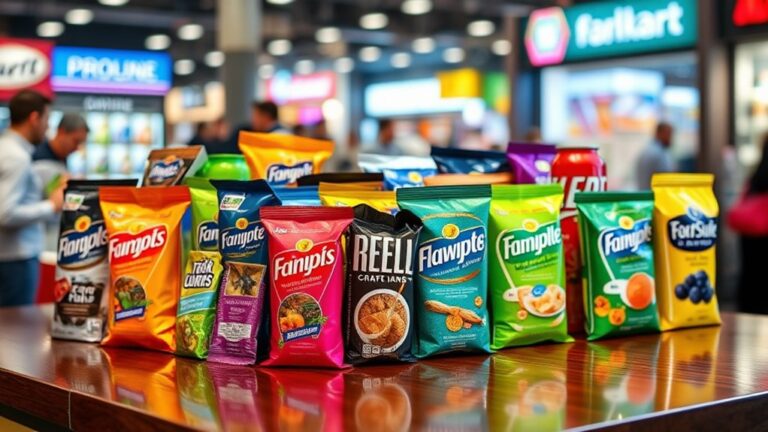
Companies are ditching dull, rectangular boxes and opting for innovative packaging designs that reflect their brand's personality and values. This shift towards creativity is driven by the need to stand out in a crowded market and create an unforgettable unboxing experience. The Boxing Revolutions have begun, and brands are embracing Design Freedom to break free from bland boxes.
Innovative packaging designs not only capture attention but also convey a brand's message, values, and personality. It's a chance to showcase the brand's unique identity and create an emotional connection with customers. By doing so, companies can differentiate themselves from competitors and build brand loyalty.
With Design Freedom, brands can experiment with unusual shapes, vibrant colors, and bold typography. They can incorporate eco-friendly materials, tactile elements, and clever opening mechanisms to create a memorable experience. The possibilities are endless, and the results are striking. Brands that dare to be different are reaping the rewards of increased brand recognition, customer engagement, and ultimately, revenue growth.
In the era of social media, unique packaging designs can generate buzz and encourage customers to share their experiences online. It's a powerful marketing tool that can't be overlooked. By breaking free from bland boxes, companies can unearth new opportunities, drive business growth, and stay ahead of the competition. The Boxing Revolutions have only just begun, and it's exciting to see what's next.
The Power of Storytelling Packaging
Storytelling packaging weaves a narrative that connects customers emotionally with the brand, fostering a deeper sense of loyalty and attachment. It's no longer just about protecting the product; it's about conveying a message, sharing a vision, and creating an experience. By doing so, brands can differentiate themselves, build a loyal customer base, and ultimately, drive business growth.
Effective storytelling packaging taps into the customer's emotional psyche, evoking feelings of nostalgia, excitement, or wonder. It's about creating a sense of belonging, where customers feel connected to the brand's values, mission, and Cultural Heritage. Brand Legends, for instance, can be woven into the packaging narrative, highlighting the brand's history, craftsmanship, or innovative spirit. This approach not only humanizes the brand but also makes it more relatable and authentic.
Emotional Connections in Cardboard
As brands continue to push the boundaries of emotional storytelling, they're discovering that even the humblest of materials, like cardboard, can become a powerful canvas for forging deep connections with customers. By tapping into the nostalgia and sentimentality associated with cardboard, brands can create Cardboard Memories that evoke emotions and foster brand loyalty.
Cardboard, once considered a mundane material, is now being transformed into an Emotional Landscape that speaks directly to customers' hearts. Brands are using cardboard to craft unique, shareable experiences that transcend the ordinary and enter the domain of the extraordinary. By doing so, they're creating a new language of emotional connection, one that's both tactile and intimate.
The key to cracking this emotional connection lies in understanding the psychology of cardboard. It's a material that's often associated with childhood memories, evoking feelings of wonder and curiosity. By tapping into this nostalgia, brands can create packaging that's not only functional but also emotionally resonant. As a result, customers form deeper bonds with the brand, leading to increased loyalty and advocacy. By harnessing the emotional power of cardboard, brands can turn an ordinary packaging experience into an extraordinary one, leaving a lasting impression on their customers.
Unboxing as a Brand Moment
Beyond the initial sale, the unboxing experience offers a unique opportunity for brands to reveal and harness the potential to surprise and delight customers, fostering a personal connection that can extend the brand's emotional reach. It's a moment when the brand can create a tangible, sensory experience that resonates with customers on an emotional level. A well-crafted unboxing experience can evoke feelings of excitement, joy, and anticipation, creating a lasting impression that exceeds the product itself.
By investing in thoughtful packaging design, brands can craft an unboxing experience that tells a story, conveys their values, and builds a human connection with customers. This is where brand memories are made – in the fleeting moments when customers first interact with a product. A memorable unboxing experience can ignite a sense of loyalty, encouraging customers to share their experience with others and become brand ambassadors.
To maximize the impact of unboxing, brands should focus on creating an immersive experience that engages multiple senses. This can be achieved through clever use of materials, textures, and visuals that evoke emotions and create a sense of anticipation. By doing so, brands can turn a mundane task into a memorable event, fostering a deeper connection with customers and setting themselves apart from competitors. By recognizing the unboxing experience as a brand moment, companies can reveal the full potential of their packaging and create a lasting impression that drives loyalty and advocacy.
Customization for Personality
By recognizing individual personalities, brands can tailor their packaging to resonate with customers on a deeper level, speaking directly to their values, interests, and preferences. This level of personalization creates an emotional connection, turning a mundane transaction into a memorable experience. Customization for personality is about acknowledging that each customer has a unique expression and personal style that sets them apart.
Brands that successfully tap into this concept can create packaging that feels like it was designed specifically for the individual. For instance, a fashion brand might offer bespoke packaging that mirrors the customer's personal aesthetic, from color palette to typography. This attention to detail not only delights the customer but also fosters a sense of ownership and loyalty.
Moreover, customization allows brands to transcend mere product delivery and enter the world of storytelling. By incorporating elements that speak to the customer's personality, packaging becomes a form of self-expression, allowing customers to showcase their individuality. This, in turn, encourages social sharing, word-of-mouth, and brand advocacy. As brands aim to create memorable experiences, customization for personality emerges as a powerful strategy for building lasting connections and driving business growth. By embracing this approach, brands can harness the full potential of packaging, transforming it from a mere necessity into a powerful tool for customer engagement.
Sustainable Packaging Innovations
As companies shift their focus towards eco-friendly practices, sustainable packaging innovations are becoming a top priority. They're exploring eco-friendly material options that reduce environmental impact, implementing strategies to reduce waste streams now, and developing biodegradable packaging solutions that can easily decompose. By adopting these sustainable solutions, businesses can greatly minimize their carbon footprint and appeal to the growing number of environmentally conscious consumers.
Eco-Friendly Material Options
Seventy-five percent of consumers now prioritize eco-friendly packaging, driving companies to explore sustainable material options that reduce waste and minimize environmental impact. This shift in consumer behavior has led to the development of innovative eco-friendly materials that are revolutionizing the packaging industry.
| Material | Description | Benefits |
|---|---|---|
| Mushroom Materials | Made from mycelium, the vegetative part of a mushroom, these materials are biodegradable and compostable. | Reduces plastic waste, compostable, and biodegradable. |
| Seaweed Wrap | Derived from seaweed, this material is renewable, biodegradable, and compostable. | Reduces plastic waste, compostable, and biodegradable. |
| Recycled Paper | Made from recycled paper products, this material reduces waste and conserves natural resources. | Reduces waste, conserves natural resources, and biodegradable. |
Companies are leveraging these eco-friendly materials to create sustainable packaging solutions that not only appeal to environmentally conscious consumers but also contribute to a greener future. By adopting these innovative materials, businesses can reduce their environmental footprint, minimize waste, and create a positive impact on the planet. As consumers continue to prioritize eco-friendly packaging, companies that adapt to this trend will gain a competitive edge in the market.
Reducing Waste Streams Now
Companies are taking sustainable packaging innovations to the next level by implementing designs and technologies that minimize waste streams and maximize recyclability. This shift in focus is driven by the need to reduce environmental impact and comply with increasingly stringent regulations. By conducting thorough waste audits, companies can identify areas of inefficiency and opportunities for improvement in their supply chains. This data-driven approach enables them to optimize packaging designs, reduce material usage, and eliminate unnecessary waste. Furthermore, companies are adopting circular economy principles to design out waste and keep materials in use for longer. This not only reduces waste streams but also generates cost savings and enhances brand reputation. As consumers become increasingly eco-conscious, companies that prioritize sustainability will reap the benefits of loyalty and advocacy. By reducing waste streams now, companies can future-proof their businesses and stay ahead of the competition.
Biodegradable Packaging Solutions
Biodegradable packaging solutions are revolutionizing the industry, offering a viable alternative to traditional plastics by harnessing naturally occurring microorganisms to break down materials. This innovative approach not only reduces waste but also minimizes the environmental impact of packaging. For instance, farm-to-table businesses can now use biodegradable packaging that easily decomposes, reducing their carbon footprint.
| Material | Biodegradation Time | Environmental Impact |
|---|---|---|
| Traditional Plastic | 100-1000 years | Contributes to ocean pollution and harm to marine life |
| Bioplastic | 1-5 years | Reduces ocean pollution, but may still harm marine life if not disposed of properly |
| Compostable Packaging | 1-3 months | Fully decomposes, minimizing environmental impact and promoting a circular economy |
| Mushroom-Based Packaging | 1-2 months | Biodegrades naturally, reducing waste and promoting sustainability |
| Seaweed-Based Packaging | 1-2 weeks | Ocean-friendly, biodegradable, and compostable |
The Art of Surprise and Delight
Packaging designers are masters at crafting unexpected moments of joy, cleverly weaving surprise and delight into every fold, crease, and curve of their creations. They understand that the first impression is often the most lasting, and that the unboxing experience can make or break a customer's connection with a brand. By incorporating Delight Factors into their designs, packaging designers can create Joy Triggers that evoke feelings of excitement and wonder.
- Personalization: Customized packaging that speaks directly to the individual, making them feel seen and valued.
- Sensory Experiences: Textures, colors, and scents that stimulate the senses and create an emotional connection.
- Interactive Elements: Pop-up designs, hidden compartments, and other interactive features that encourage exploration and engagement.
- Storytelling: Packaging that tells a story, conveys a message, or shares a brand's values, creating an emotional resonance with the customer.
Packaging as a Social Share
Designers are now leveraging packaging as a canvas for social media-worthy moments, carefully crafting every detail to inspire customers to share their unboxing experiences with the world. This strategic approach transforms packaging into a social currency, where customers become brand ambassadors, amplifying the brand's message and values. By creating Instagram-worthy packaging, brands can tap into the influencer economy, partnering with social media influencers to showcase their products and reach a wider audience.
Influencer partnerships have become a key strategy for brands to enhance their online presence and credibility. By collaborating with influencers, brands can tap into their existing follower base, generating buzz and driving engagement around their products. The unboxing experience becomes a form of social proof, where customers showcase their excitement and satisfaction with the product, encouraging others to make a purchase. This, in turn, creates a ripple effect, driving sales and increasing brand loyalty.
As customers share their experiences online, brands can track the conversation, gathering valuable insights into customer behavior and preferences. This data can be used to refine packaging designs, creating a continuous feedback loop that drives innovation and improvement. By turning packaging into a social share, brands can maximize the full potential of their products, creating a lasting impression and driving business growth.
Creating an Immersive Experience
By crafting an immersive unboxing experience, brands can transport customers into a world that resonates with their values and personality, fostering a deeper emotional connection with the product. This connection is vital in today's competitive market, where customers are looking for more than just a product – they're seeking an experience.
Brands that successfully create immersive experiences can:
- Transport customers to virtual escapes, allowing them to temporarily leave their daily worries behind and enter a world that aligns with their aspirations and desires.
- Craft sensory landscapes that engage customers on multiple levels, from the tactile feel of premium materials to the visual appeal of stunning design.
- Evoke emotions and create memories, turning a mundane purchase into a memorable event that customers will cherish and share with others.
- Establish a deeper connection with their audience, building trust and loyalty that can lead to long-term relationships and brand advocacy.
Sensory Details That Wow
When it comes to transforming ordinary packaging, designers are now focusing on sensory details that wow. They’re creating tactile experiences that invite consumers to explore texture and touch, and incorporating aromatic surprise elements that capture attention. By engaging multiple senses, packaging can be elevated from mere container to memorable brand encounter. This trend is not just about aesthetics; it’s about crafting an emotional connection between the product and the consumer. Designers are increasingly incorporating mystical themes in packaging design, which draw inspiration from nature, folklore, and ancient cultures. By weaving these enchanting elements into their creations, they transport consumers into a fantastical world where even the simplest unboxing experience feels like an adventure.
Tactile Texture Exploration
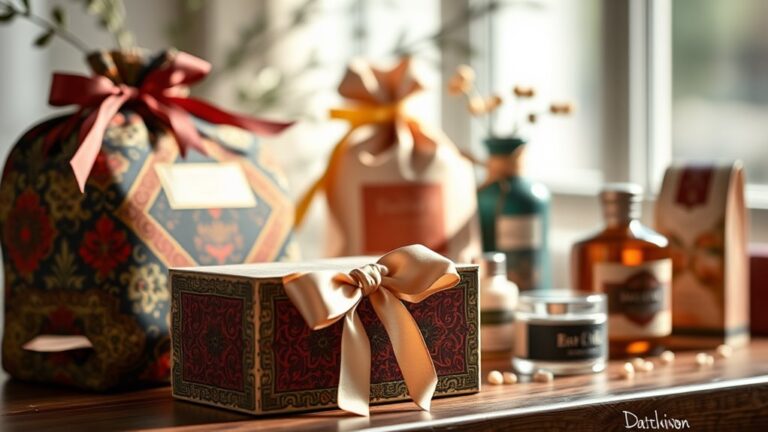
Texture plays an essential role in tactile texture exploration, as varying sensations can evoke emotions and create memorable unboxing experiences. By incorporating different textures, brands can create a multisensory experience that engages customers and leaves a lasting impression. For instance, a rough, matte finish can convey a sense of ruggedness, while a smooth, glossy surface can evoke feelings of luxury.
To take tactile texture exploration to the next level, consider the following strategies:
- Finger Trails: Create intentional paths for fingers to follow, guiding the user's experience and encouraging exploration.
- Surface Tensions: Experiment with varying levels of friction to create an engaging and dynamic tactile experience.
- Contrasting Textures: Combine different textures to create a sense of surprise and delight.
- Embossing and Debossing: Use raised or recessed patterns to add depth and visual interest to packaging.
Aromatic Surprise Elements
Incorporating aromatic surprise elements into packaging design can evoke strong emotional responses, as scents have the power to instantly transport us to memories and experiences. By harnessing the emotional connection between scent and memory, brands can create unforgettable experiences that leave a lasting impression. Scent memories are powerful, and when triggered, can evoke feelings of nostalgia, comfort, or excitement.
Brands can craft fragrance journeys that complement their products, immersing customers in a multi-sensory experience. Imagine unwrapping a luxurious candle, and the sweet, floral aroma transports you to a serene summer evening. Or, opening a box of artisanal chocolates, and the rich, velvety scent of dark cocoa awakens your senses. Aromatic surprise elements can elevate packaging from mere functionality to an immersive experience, making customers feel seen, heard, and understood. By thoughtfully incorporating scent into packaging design, brands can create a deeper connection with their audience, driving loyalty, and ultimately, business success.
Packaging as a Loyalty Tool
Brands are leveraging customized packaging to foster emotional connections with customers, thereby encouraging repeat business and loyalty. By creating unique, personalized experiences, companies can establish a strong bond with their audience, driving long-term relationships and advocacy. This approach turns customers into loyal followers, who become Brand Ambassadors, promoting the brand to their networks.
Customized packaging can be used to offer Loyalty Rewards, such as exclusive discounts or early access to new products. This strategy not only rewards customers for their loyalty but also incentivizes them to continue their relationship with the brand. Furthermore, personalized packaging can be designed to surprise and delight customers, creating a sense of excitement and anticipation around each delivery.
Some ways brands are using packaging as a loyalty tool include:
- Personalized messaging: Addressing customers by name or including personalized notes to create a sense of connection.
- Exclusive offers: Providing loyalty rewards or early access to new products to loyal customers.
- Custom designs: Creating limited-edition packaging designs that make customers feel special and valued.
- Surprise gifts: Including unexpected gifts or free samples to delight customers and build brand loyalty.
Measuring the ROI of Wow
As companies invest in creating memorable unboxing experiences, the question arises: how do they quantify the financial impact of these wow moments on customer loyalty and retention? Measuring the ROI of wow is essential to justify the investment and optimize future packaging strategies.
To start, companies can track key performance indicators (KPIs) such as customer retention rates, repeat purchase rates, and net promoter scores. By comparing these metrics before and after introducing wow-inducing packaging, companies can attribute any improvements to the new packaging strategy.
| Metric | Before Wow | After Wow |
|---|---|---|
| Customer Retention Rate | 70% | 85% |
| Repeat Purchase Rate | 30% | 40% |
| Net Promoter Score | 20 | 35 |
| Average Order Value | $50 | $60 |
| Customer Lifetime Value | $200 | $300 |
By analyzing these metrics, companies can calculate the ROI of their wow-inducing packaging. For instance, if the packaging investment is $100,000 and the resulting increase in customer lifetime value is $500,000, the ROI would be 400%.
Data analytics plays an important role in measuring the ROI of wow. Companies can leverage tools like customer relationship management (CRM) software, data analytics platforms, and A/B testing to gather insights and optimize their packaging strategies. By using data to justify the cost of creating memorable unboxing experiences, companies can confidently invest in packaging that drives customer loyalty and retention.
Frequently Asked Questions
How Do I Balance Creative Packaging With Cost Constraints?
Did you know that 72% of consumers form an opinion about a brand within the first 7 seconds of interaction? She balances creative packaging with cost constraints by prioritizing her brand identity. She conducts a thorough cost analysis, identifying areas where she can cut costs without compromising her brand's message. By streamlining production and leveraging innovative materials, she creates packaging that's both visually stunning and budget-friendly, making a lasting impression on her customers.
Can I Use Stock Packaging for a Unique Unboxing Experience?
She wonders if stock packaging can still create a unique unboxing experience. Surprisingly, the answer is yes. By leveraging brand storytelling and customer psychology, she can elevate a standard box into a memorable encounter. By thoughtfully curating the contents, incorporating sensory elements, and crafting a narrative, she can create an immersive experience that resonates with customers, making the ordinary, extraordinary.
Are Sustainable Packaging Materials More Expensive?
She knows that sustainable packaging materials often come with a higher price tag. This is largely due to the complexity of material sourcing and the increased cost of eco-friendly production methods. However, a thorough cost analysis reveals that the long-term benefits, such as reduced waste and improved brand reputation, can outweigh the initial investment. By crunching the numbers, she can make an informed decision that balances her budget with her values.
Can I Reuse Packaging Designs Across Different Products?
She wonders if reusing packaging designs across different products is a smart move. While it may seem like a cost-effective strategy, it can stifle design evolution and hinder brand consistency. By creating unique designs for each product, she can tailor the packaging to the specific item's needs, resulting in a more cohesive brand image and a stronger connection with customers.
Do I Need a Dedicated Team for Innovative Packaging Design?
Like a maestro conducting a symphony, a dedicated team orchestrates innovative packaging design. She doesn't need a separate team for every product, but rather a core group that fuels Cross Functional Collaboration and an Interdisciplinary Approach. This powerhouse team drives creativity, ensuring consistency and adaptability across products. By centralizing innovative design, she empowers her brand to stand out in a crowded market, leaving competitors in the shadows.