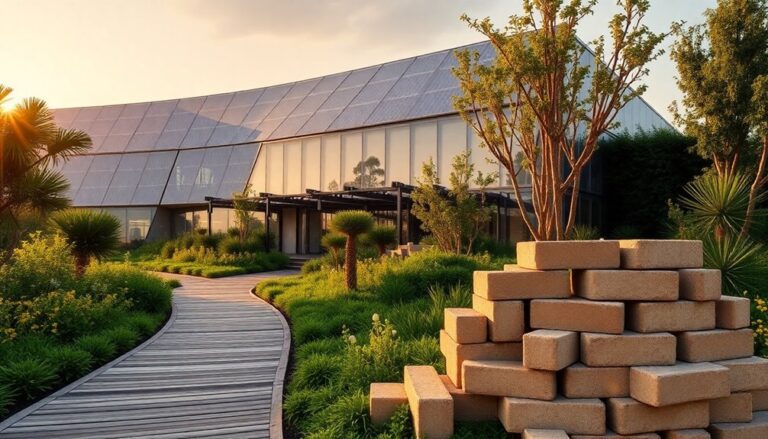
Architectural marvels challenge conventional limits, blending innovative techniques with cultural significance. From breathtaking skyscrapers to iconic bridges, these designs reflect humanity's ambition and creativity. They utilize advanced technologies like 3D modeling and sustainable practices, enhancing both aesthetics and environmental impact. Historical landmarks, such as the Taj Mahal and Eiffel Tower, tell stories of identity and heritage, as modern structures adapt to pressing societal challenges. The continuous evolution of architecture illustrates architects' roles in shaping urban settings. Exploring this fascinating intersection of artistry and engineering reveals even more about the future of our built environment.
The Evolution of Architecture
As societies evolved, so did their architectural practices, reflecting cultural values and technological advancements. Ancient structures, such as the pyramids of Egypt and the Parthenon in Greece, exemplify the influence dynamics of their time. These monumental edifices served not just as places of worship or burial but as symbols of authority, demonstrating the strength of the civilizations that constructed them. The thorough urban planning behind these ancient wonders reveals a sophisticated comprehension of space, governance, and community needs.
Throughout history, leaders utilized architecture to project influence and authority. The grand coliseums of Rome, for example, weren't merely venues for entertainment; they were tools of political propaganda, designed to showcase the empire's glory and control over its populace. As urban centers expanded, the principles of urban planning took on new significance. Cities became carefully designed entities, integrating infrastructure, public spaces, and residential zones, all aimed at optimizing the experience of citizens as well as fortifying the ruling class's grip on influence.
In more recent times, the evolution of architecture has continued to parallel societal shifts. The Industrial Revolution sparked innovations in building materials and techniques, enabling the construction of iconic structures that reshaped skylines. Today, the legacy of ancient structures and urban planning persists, guiding modern architects as they craft environments that reflect contemporary values and ambitions. It's a reflection of the enduring relationship between architecture and influence—one that continues to shape societies around the globe.
Iconic Skyscrapers That Inspire
Skyscrapers have transformed city skylines and inspired generations with their audacious designs and engineering marvels. These towering structures are more than just buildings; they're symbols of ambition and innovation, shaping urban settings with their famous silhouettes. Among the most iconic skyscrapers, a select few stand out, capturing the essence of modern architecture as they push boundaries.
- Burj Khalifa: Soaring to 828 meters, it's not just the tallest building in the world; it's a demonstration of human ingenuity.
- Empire State Building: Once the tallest building globally, it remains an emblem of New York City, symbolizing dreams and aspirations.
- Shanghai Tower: The second tallest building, its twisting design represents the dynamic spirit of a swiftly evolving city.
These skyscrapers redefine what's possible, challenging architects and engineers to rethink conventional limits. They serve as beacons of progress, drawing admiration and respect from those who see them. The influence they emanate extends beyond their heights; they inspire future generations to dream bigger and build bolder.
In a world where urban environments continue to evolve, iconic skyscrapers stand as reminders of humanity's relentless pursuit of greatness. They invite investors and visionaries to take part in shaping tomorrow's cities. As these architectural marvels rise, they instill a sense of pride and ambition in those who walk beneath them, serving as a constant reminder that the sky is not the limit; it's merely the beginning.
Innovative Bridge Designs
Cities aren't merely defined by their towering skyscrapers; they likewise feature remarkable bridges that connect communities and improve urban scenery. These engineering feats symbolize human ingenuity and ambition, showcasing innovative bridge designs that uplift infrastructure to a new level of sophistication. Among the most influential structures are suspension bridges, renowned for their ability to span vast distances with grace and strength. Their elegant cables create a striking silhouette, harmonizing functionality with aesthetic appeal.
Suspension bridges, like the Golden Gate Bridge, demonstrate not just technical prowess but serve as icons of their regions, drawing tourists and promoting economic activity. These masterpieces of engineering utilize tension and weight distribution to create a stable framework, allowing for the seamless movement of vehicles and pedestrians alike.
On the other hand, cantilever designs present a bold approach to bridging gaps. By extending structures outward from a central support, cantilever bridges can achieve remarkable lengths without the need for extensive support systems beneath. This innovative method allows for striking designs that challenge conventional architecture, emphasizing both strength and visual impact. The Forth Bridge in Scotland exemplifies this technique, standing as a symbol of the influence of cantilever engineering.
In essence, innovative bridge designs not only improve connectivity but redefine urban environments. They inspire awe and admiration, proving that when creativity meets engineering brilliance, the results can be nothing short of extraordinary. As cities continue to grow, these bridges will remain essential links, shaping the future of urban living and infrastructure.
Sustainable Architectural Practices
Sustainable architectural practices focus on minimizing environmental impact through the use of eco-friendly materials and innovative energy efficiency solutions. Architects are increasingly turning to sustainable resources, reducing waste and energy consumption in their designs. These practices not just benefit the planet but additionally improve the long-term viability of buildings.
Eco-Friendly Materials Utilization
How can architects create structures that harmonize with the environment? By embracing eco-friendly materials, they enhance their designs while championing sustainability. The integration of innovative resources not only guarantees aesthetic appeal but also aligns with a strong vision for the future.
Consider these crucial materials:
- Recycled composites and sustainable concrete greatly reduce waste.
- Bamboo structures offer strength and flexibility, contributing to low impact materials.
- Natural insulation and green roofing improve energy efficiency and biodiversity.
Architects are redefining luxury through reclaimed wood and earth-friendly finishes, creating spaces that resonate with nature. These materials embody resilience and sophistication, appealing to those who appreciate both influence and responsibility. By utilizing these elements, architects not only enhance their creations but also lead the charge toward a sustainable architectural revolution. They demonstrate that it's possible to craft spaces that are not only visually stunning but also environmentally conscious. In this way, they position themselves as leaders in a movement that prioritizes harmony with the earth, setting a precedent for future generations of builders and designers. The future of architecture lies in these spectacular, sustainable choices.
Energy Efficiency Innovations
Energy efficiency is reshaping modern architecture, driving designers to prioritize innovative solutions that minimize energy consumption as they maximize comfort. Architects utilize the strength of smart grids, integrating advanced technology that improves energy distribution and augments building performance. These systems allow structures to communicate with energy providers, ensuring peak efficiency and reducing costs.
Passive design principles play a vital role in this transformation. By strategically positioning windows, utilizing thermal mass, and selecting ideal building materials, architects create spaces that maintain comfortable temperatures without relying heavily on mechanical systems. This approach not only conserves resources but additionally promotes a sustainable lifestyle, appealing to a growing demographic enthusiastic for responsible living.
Furthermore, the incorporation of renewable energy sources, such as solar panels and wind turbines, enables buildings to generate their own electricity. This self-sufficiency aligns with the desires of today's influential architects and developers, who seek to lead the charge in sustainable design.
As the architectural environment evolves, energy efficiency innovations become fundamental. They enable the creation of structures that are not just visually stunning but also champions of sustainability, setting new standards for future developments.
The Role of Technology
Technology plays an essential role in shaping modern architecture. Innovative building materials and advanced design software enable architects to push creative boundaries as well as ensuring sustainability. By integrating sustainable construction methods, they not only improve functionality but additionally reduce environmental impact.
Innovative Building Materials
Revolutionizing construction, innovative building materials are reshaping the architectural landscape. These materials not only improve functionality but also empower architects to push boundaries. The advent of biomimetic materials and self-healing concrete exemplifies a new era where nature inspires design. Smart glass adapts to environmental conditions, optimizing energy efficiency, while recycled plastics contribute to sustainable practices.
Consider the advantages of these state-of-the-art materials:
- 3D printed structures permit rapid and precise construction, reducing waste.
- Lightweight composites improve structural integrity without compromising aesthetics.
- Green roofs promote biodiversity and improve urban ecosystems.
Architects utilize nanomaterials application to create translucent concrete, allowing natural light to penetrate while maintaining strength. Modular construction techniques streamline processes, enabling faster project completion. The integration of these materials signifies a profound shift toward sustainability and innovation in architecture.
As architects embrace this technological revolution, they don't just build structures; they forge a legacy of vision and influence. The possibilities are limitless, and the structures of tomorrow will reflect the ingenuity of today's materials. With these innovations at their disposal, architects are redefining what's possible in the domain of design and construction.
Advanced Design Software
In the domain of modern architecture, advanced design software has become an imperative tool that transforms creative visions into reality. By utilizing 3D modeling and parametric design, architects can explore complex forms and structures with unprecedented ease. These innovative technologies enable design collaboration across teams, ensuring that every voice contributes to the final outcome. These advancements also streamline the workflow, allowing architects to visualize alterations in real-time, thus fostering a more dynamic design process. Moreover, as parametric design techniques explained allow for adaptability and efficiency, architects can now respond to client feedback and environmental considerations more effectively. This not only enhances the aesthetic appeal of their creations but also promotes sustainability by optimizing material usage and energy consumption.
Virtual reality further enhances the architectural experience, allowing stakeholders to immerse themselves in a digitally rendered space before construction even begins. Coupled with robust simulation tools, architects can predict how designs will perform under various conditions, improving both functionality and safety.
The user interface of these software platforms is fundamental, as it streamlines the design process and integrates various functionalities seamlessly. Architectural visualization tools provide striking imagery that brings concepts to life, enthralling clients and investors alike.
| Feature | Benefits | Examples |
|---|---|---|
| 3D Modeling | Improved design exploration | Rhino, SketchUp |
| Virtual Reality | Immersive design experiences | Oculus, HTC Vive |
| Simulation Tools | Predictive performance analysis | Autodesk, ANSYS |
Through effective software integration, architects utilize these capabilities to create truly groundbreaking structures.
Sustainable Construction Methods
Embracing sustainable construction methods has become vital in modern architecture, as it addresses both environmental concerns and resource efficiency. The integration of technology in this domain amplifies the impact of green building initiatives, enabling architects to create structures that not merely serve their purpose but likewise respect the planet.
Key sustainable construction strategies include:
- Passive design: Utilizing natural elements for heating and cooling, which reduces energy consumption.
- Biophilic architecture: Integrating nature into building designs to improve occupants' well-being and productivity.
- Lifecycle assessment: Evaluating the environmental impact of materials from extraction to disposal, ensuring responsible choices.
Furthermore, the focus on renewable resources and waste reduction cultivates a culture of community engagement. Innovations like water conservation systems and natural ventilation improve indoor air quality and reduce reliance on artificial resources. Even urban agriculture has found its place in sustainable designs, promoting local food production within urban settings.
Breathtaking Cultural Landmarks
Across the globe, breathtaking cultural landmarks stand as monuments to human creativity and history. These structures not only exemplify architectural prowess but additionally embody the cultural significance that nations endeavor to preserve. Iconic sites like the Taj Mahal and the Eiffel Tower are not merely buildings; they symbolize the aspirations and values of their respective societies, serving as potent emblems of identity and pride.
The architectural symbolism inherent in these landmarks communicates profound narratives. For instance, the intricate designs of the Alhambra reflect the rich history of Moorish Spain, whereas the grandeur of the Colosseum resonates with the might of ancient Rome. Such edifices attract millions, drawing visitors enthusiastic to connect with the past and experience the values enshrined in these designs.
Landmarks like Machu Picchu and the Great Wall of China showcase humanity's relentless pursuit of excellence, pushing the boundaries of engineering and artistry. They are reflections of the visionaries who dared to dream and build, utilizing their environment to create something that transcends time. Each feature, from the arches to the domes, tells a story steeped in tradition and innovation.
These breathtaking cultural landmarks not only serve as tourist attractions but also as reminders of the influence of architecture to unite people under a shared heritage. They compel individuals to reflect on their own cultural narratives while inspiring future generations to continue the legacy of creativity and ambition that these remarkable structures represent.
Challenges in Modern Design
As architects maneuver through the intricacies of modern design, they face a myriad of challenges that test their creativity and resourcefulness. The complications of today's world impose significant design constraints, forcing architects to balance aesthetic aspirations with functional demands. Urban limitations often dictate the scale and form of structures, whereas budget restrictions can curtail ambitious visions.
In this demanding terrain, architects must likewise contend with:
- Regulatory hurdles: Maneuvering through the maze of local laws and codes can stifle innovation.
- Environmental impacts: The need for sustainable practices complicates material choices and construction methods.
- Cultural considerations: A project must resonate with the local community, often requiring a deep comprehension of historical context and social dynamics.
These factors create a multi-layered web of challenges that architects must address. Aesthetic challenges arise as they endeavor to produce visually stunning designs that equally adhere to practical requirements. Each project demands a careful negotiation between beauty and utility, pushing architects to think outside conventional frameworks.
Ultimately, the pursuit for architectural greatness in modern design is not merely about constructing buildings; it's about overcoming barriers that threaten to confine the imagination. Balancing the myriad of constraints, demands, and considerations, architects emerge as visionaries who redefine the possibilities of the built environment. In doing so, they not only leave a lasting impression on the terrain but also enhance the human experience through innovative design solutions.
Future Trends in Architecture
The architectural panorama is on the brink of transformation, driven by technological advancements and evolving societal needs. As urban populations swell, the rise of smart cities emerges as a pivotal trend in architecture. These cities integrate state-of-the-art technology to improve infrastructure, streamline services, and create sustainable living environments. Architects are now tasked with designing spaces that adapt to real-time data, optimizing energy consumption and enhancing residents' quality of life.
Modular architecture is another game-changer in this evolving environment. By utilizing prefabricated components, architects can expedite construction timelines as they maintain superior quality. This approach not only reduces waste but also allows for flexibility in design, catering to the unique needs of various communities. As businesses and governments seek efficiency, modular designs enable rapid response to changing demands, making them an influential tool in urban development.
Moreover, the fusion of smart technology and modular systems will redefine how buildings function. Envision structures that self-regulate energy use, monitor air quality, and provide seamless connectivity. This synergy empowers architects to create environments that are not merely buildings but intelligent ecosystems.
In embracing these future trends, architects position themselves at the forefront of a movement that prioritizes innovation while addressing pressing societal challenges. As they utilize the potential of smart cities and modular architecture, they'll not only shape the skyline but also the very fabric of modern life.
Lessons From Architectural Failures
Architectural failures offer invaluable lessons that can inform future designs and practices. Analyzing these missteps reveals critical insights that every ambitious architect and developer should heed. When projects go awry, the ramifications can be costly—not just financially, but likewise in reputation. Comprehending the root causes of these failures empowers professionals to innovate responsibly.
Key lessons learned from architectural failures include:
- Thorough Planning is Vital: Rushing the design process often leads to oversights that compromise structural integrity and functionality. Careful planning can prevent catastrophic failures.
- Adaptability to Environment Matters: Many structures falter because of a lack of consideration for environmental factors. Integrating sustainable practices and local climates into design can improve durability and performance.
- User-Centric Design is Non-Negotiable: Ignoring the needs and experiences of the end-users can result in spaces that are impractical or unwelcome. Prioritizing user feedback guarantees that designs serve their intended purpose effectively.
Leaders in architecture must take these lessons to heart. They should cultivate a culture of continuous learning from past mistakes, turning failures into stepping stones for future triumphs. By embracing the hard truths revealed through design missteps, architects can utilize the strength of failure to forge innovative, resilient structures that stand the test of time. The pursuit of architectural excellence demands vigilance, foresight, and a commitment to learning from every setback.
Frequently Asked Questions
What Inspired the World's Most Famous Architects Throughout History?
Throughout history, the world's most famous architects have drawn inspiration from a blend of artistic influences and pioneering techniques. They've sought to push boundaries, creating structures that defy expectations. Visionaries like Frank Lloyd Wright and Zaha Hadid didn't just follow trends; they shattered norms, igniting a revolution in design. Their legacies remind us that true strength lies in innovation, compelling others to rethink what's possible and reshape the skyline of our cities.
How Do Architects Balance Aesthetics With Functionality?
Architects constantly navigate the intricate balance of aesthetics and functionality, often wrestling with the concept of form vs function. They tackle design challenges head-on, ensuring that structures not just captivate the eye but additionally serve their intended purpose effectively. By prioritizing innovative solutions, they create environments that inspire and enable users. This dual focus transforms mere spaces into influential statements, demonstrating that beauty and practicality can coexist harmoniously in architectural design.
What Materials Are Most Commonly Used in Modern Architecture?
In modern architecture, a fascinating blend of sustainable materials and innovative composites shapes the skyline. Architects often turn to recycled steel and bamboo for their strength and eco-friendliness, as well as glass and concrete remain staples for their versatility. These choices reflect a commitment to both beauty and durability, allowing structures to rise majestically as they minimize environmental impact. As design evolves, these materials not merely support creative visions but similarly resonate with an audience seeking influence and responsibility.
How Can Architecture Influence Social Behavior in Communities?
Architecture profoundly influences social behavior in communities by shaping public spaces that encourage interaction. Well-designed parks, plazas, and gathering areas create environments where individuals connect, nurturing a sense of belonging. When architects prioritize accessibility and aesthetics, they inspire community engagement and collaboration. These spaces don't just serve a functional purpose; they become crucial hubs for social interaction, empowering residents to unite and thrive collectively, enhancing the overall quality of life in their neighborhoods.
What Role Does Culture Play in Architectural Design?
Culture profoundly shapes architectural design, as it embodies cultural symbolism and reflects a community's values. Architects often draw on traditional techniques that resonate with local history, creating structures that speak to identity and pride. This interplay between culture and architecture empowers communities, nurturing a sense of belonging. By integrating these elements, designers not merely create visually striking buildings but additionally cultivate environments that inspire social cohesion and enhance the collective spirit of the populace.