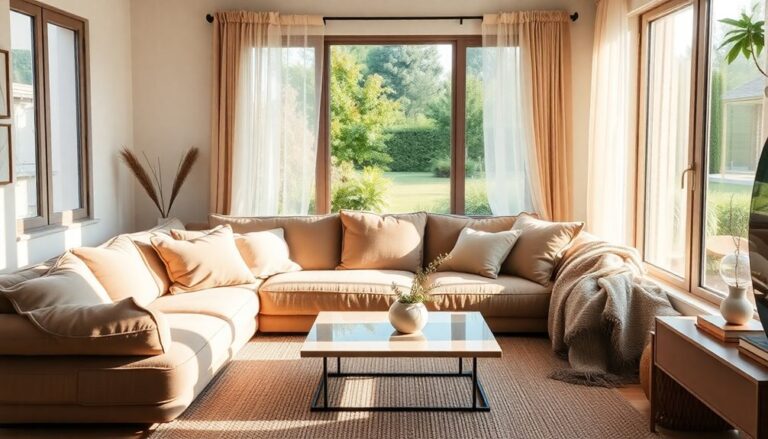
Designing small spaces with big impact is all about smart choices. Start by grasping your layout and creating functional zones for work, relaxation, and entertaining. Opt for multi-functional furniture to save space and improve functionality. Choose light colors to open up the area, as well as adding accent hues for energy. Don't forget to utilize vertical space with shelves and tall furniture to draw the eye up. Finally, incorporate smart lighting to create ambiance and highlight your favorite areas. These tips can transform your small space into an inviting haven. Keep exploring to uncover even more ideas for impactful design!
Understand Your Space
To effectively design small spaces, you should regularly assess your environment. Start by analyzing your space layout—comprehend the dimensions and shape of the room. This knowledge empowers you to make informed decisions that maximize your area's potential. Identify the functional zones within the space; these zones will help you allocate areas for various activities, whether it's working, relaxing, or entertaining.
Once you've pinpointed these zones, consider how you can improve their functionality. For example, a small living room can double as an office by incorporating a compact desk that blends seamlessly with your decor. Use furniture that serves multiple purposes, like a coffee table with storage or a sofa bed for guests. This innovative approach not merely saves space but additionally adds versatility to your design.
Take a moment to visualize how you move through your space. Are there obstacles that disrupt your flow? You want to guarantee that your design doesn't just look good on paper but also feels right in practice. By creating an intuitive space layout, you make it easier to navigate your area, which is especially important in smaller environments.
Finally, don't shy away from experimenting. Sometimes, a fresh perspective can reveal new possibilities. Adjust your existing furniture arrangement, or explore unconventional layouts that bring your functional zones to life. By grasping your space, you're well on your way to designing a small area that feels expansive and innovative.
Choose the Right Colors
Color plays a significant role in how a small space feels and functions. When designing your compact area, think about color psychology; the hues you choose can evoke emotions and influence how you perceive space. Light colors, like soft whites and pale pastels, can create an airy, expansive feel, making your room look larger than it is. Conversely, darker shades can add depth and drama, but use them sparingly to avoid a cramped atmosphere.
To maximize impact, consider incorporating accent hues. These pops of color can energize your space and draw attention to specific areas, like a gallery wall or a unique piece of furniture. Don't shy away from bold colors; a lively accent chair or a striking rug can serve as a stunning focal point.
You can additionally create a cohesive look by sticking to a limited color palette. By selecting two to three primary colors that complement each other, you'll guarantee your small space feels harmonious and intentional. Play with various shades of your chosen colors to add dimension and interest without overwhelming the senses.
Finally, keep in mind that your color choices reflect your personal style. Don't be afraid to experiment and make your small space uniquely yours. By thoughtfully choosing colors and accent hues, you can transform even the tiniest room into a stylish oasis that feels both inviting and innovative.
Optimize Furniture Selection
In the domain of furnishing a small space, choosing the right pieces can make all the difference. You want furniture that not just fits your style but additionally maximizes functionality without overwhelming your area. That's where multi-functional furniture comes into play. Think about a sofa bed that transforms into a guest sleeping space or a coffee table that doubles as extra storage. These pieces are crucial for creating a versatile environment where every item serves a purpose.
When selecting furniture, consider sustainable materials as well. Opt for items made from responsibly sourced wood, recycled metals, or eco-friendly fabrics. Not just do these materials contribute to a healthier planet, but they add a unique character to your space. This approach aligns with innovative design principles, allowing you to express your commitment to sustainability while maintaining aesthetic appeal.
Furthermore, pay attention to scale and proportion. Choose smaller-scale furniture that complements your space without making it feel cramped. Look for sleek designs that maintain an airy feel, ensuring you don't sacrifice comfort for functionality. Color and texture can likewise improve your selection; lighter hues and soft fabrics can make a compact space feel more open and inviting.
Utilize Vertical Space
Vertical space is often an underutilized asset in small areas, but it can dramatically improve both functionality and aesthetics. By focusing on your walls, you can transform a cramped space into a stylish and efficient environment. Here are some innovative ways to make the most of your vertical space:
- Install wall shelves: These not only provide storage but serve as a platform for showcasing decor. Consider floating shelves for a sleek look that doesn't overpower the room.
- Use hanging plants: Raise your greenery from the floor to the ceiling. This adds visual interest and liveliness while freeing up valuable floor space.
- Incorporate tall furniture: Opt for bookcases or cabinets that draw the eye upward. This creates the illusion of height and makes your space feel larger.
- Create a vertical gallery: Arrange artwork or photos in a vertical layout. This draws attention upward and adds a personal touch to your walls.
With these strategies, you're not just maximizing storage; you're enhancing your space's character. Think creatively about how you can integrate wall shelves and hanging plants into your design. You'll find that utilizing vertical space allows you to express your style while making your small area feel more open and inviting. Embrace the vertical—it's your ticket to a more functional and visually intriguing environment!
Incorporate Smart Lighting
Though you may think of lighting as just a functional necessity, incorporating smart lighting can transform your small space into a dynamic and inviting environment. By blending innovative technology with aesthetic appeal, you can boost every corner of your home. Smart lighting systems allow you to control the ambiance effortlessly, creating a versatile atmosphere that suits your mood and activities.
Start by integrating ambient lighting that sets the stage for relaxation. Use smart bulbs that can change color and intensity with a simple voice command or tap on your smartphone. This flexibility guarantees your small space feels open and inviting, while additionally promoting a sense of calm during quiet moments.
Next, don't overlook the importance of task lighting. In compact areas, focused illumination is vital for functional spaces like your kitchen or workspace. Smart desk lamps or under-cabinet lighting not only highlight key areas but can also be adjusted to fit your needs. Picture being able to switch from bright, energizing light during work hours to a warm, soft glow for evening relaxation—all with a quick adjustment.
Lastly, consider incorporating motion sensors and timers. These features not only improve convenience but also save energy. You'll never have to worry about leaving lights on again!
Frequently Asked Questions
How Can I Make a Small Space Feel Cozier?
You might think making a small space cozier is like trying to fit an elephant into a teacup! But it's actually a delightful challenge. Start with textiles layering—think plush throws and soft cushions that invite you to sink in. Don't forget about lighting options; a mix of warm lamps and twinkling fairy lights can transform your nook into a dreamy retreat. With these tricks, your space will feel like a snug sanctuary you never want to leave!
What Are Some Common Design Mistakes in Small Spaces?
When you're designing small spaces, common mistakes include ignoring furniture scale and making poor lighting choices. Oversized furniture can overwhelm your area, whereas undersized pieces might not provide enough functionality. Furthermore, harsh or inadequate lighting can create an uninviting atmosphere. Instead, opt for multi-functional furniture and use layered lighting to improve depth and warmth. By being mindful of these elements, you'll create a space that feels innovative and inviting.
How Do I Choose Art for Small Areas?
When you're choosing art for small areas, think about how art styles can complement your space. Opt for pieces that reflect your personality as well as harmonizing with your color schemes. Bold colors can create an eye-catching focal point, whereas soft hues can improve a sense of tranquility. Group smaller works together to create a gallery wall, or select one statement piece that draws the eye without overwhelming the area.
Can Plants Enhance Small Space Design?
Think of plants as the paintbrushes that bring life to your canvas of a small space. They're not just decor; they offer numerous plant benefits, like improving air quality and boosting your mood. By incorporating vertical gardening, you can maximize space as you add a lush, lively touch. Hanging planters or wall-mounted pots create visual interest and draw the eye upward, making your area feel larger and more inviting. Embrace greenery for a rejuvenating transformation!
What Storage Solutions Work Best in Tiny Apartments?
In tiny apartments, effective storage solutions are key to maximizing your space. You’ll find vertical shelving a game-changer, creating room for books, plants, or decor as it draws the eye upward. Consider multi-functional furniture too; a sofa bed or storage ottoman can serve dual purposes, keeping clutter at bay. By integrating these innovative ideas, you can transform your small space into a stylish, organized haven that feels expansive and functional. Additionally, using under-bed storage bins can help you take advantage of often-overlooked areas, keeping seasonal items or extra linens neatly tucked away yet easily accessible. Don’t forget to utilize wall-mounted hooks and pegboards; they provide a perfect way to display accessories while maximizing storage in small spaces. With thoughtful planning and creativity, even the tiniest of apartments can be transformed into a well-organized and inviting environment.