
Effective packaging design mesmerizes consumers and drives conversions by understanding target audience personas, behaviors, and emotions. A well-designed package stands out on store shelves, leveraging color psychology, typography, and clear visual hierarchy to communicate unique value propositions. An emotional connection is forged through unboxing experiences, typography, and storytelling, leading to brand loyalty and advocacy. Sustainability plays a vital role, with eco-friendly materials, waste reduction strategies, and biodegradable options appealing to environmentally conscious consumers. By balancing form and function, packaging designers can create a mesmerizing and converting experience that sets brands apart – and it's just the beginning of what makes packaging truly unforgettable.
Know Your Target Audience
By understanding who their ideal customer is, designers can create packaging that resonates with their target audience on a deeper level. This understanding is rooted in the development of customer personas, which provide a detailed profile of the ideal customer. Customer personas outline demographics, values, goals, and pain points, allowing designers to tailor their packaging to meet the specific needs of their target audience.
By delving into buyer behaviors, designers can identify patterns and preferences that inform their packaging design. For instance, they may discover that their target audience values sustainability, prompting them to incorporate eco-friendly materials into their packaging. Alternatively, they may find that their audience is drawn to bold, attention-grabbing designs, leading them to create packaging that stands out in a crowded market.
Armed with this knowledge, designers can create packaging that speaks directly to their target audience, increasing the likelihood of conversion. By understanding what drives their customers' purchasing decisions, designers can craft packaging that resonates on an emotional level, building brand loyalty and driving sales. By prioritizing customer personas and buyer behaviors, designers can create packaging that truly captivates and converts, giving them a competitive edge in the market. By doing so, they can harness the full potential of their packaging, driving business growth and success.
Stand Out on Store Shelves
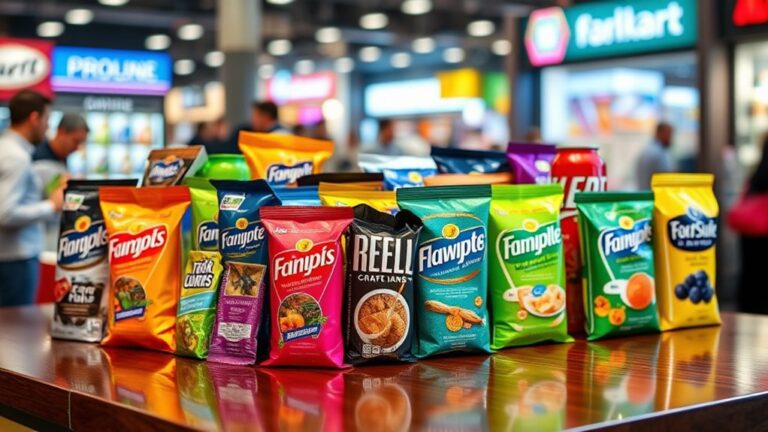
Effective packaging design must visually arrest consumers in a crowded retail environment, where countless products vie for attention on store shelves. A brand's success hinges on its ability to stand out in this chaotic space, where Shelf Real Estate is a valuable commodity. To dominate this landscape, packaging must be designed with the intention of stopping consumers in their tracks.
A well-crafted design should facilitate Shelf Navigation, guiding the consumer's eye through the product's key benefits and features. This can be achieved through the strategic use of color, typography, and imagery. By creating a clear visual hierarchy, brands can communicate their unique value proposition and differentiate themselves from competitors.
In a world where attention spans are dwindling, packaging has mere seconds to capture a consumer's interest. A bold, attention-grabbing design can make all the difference. By incorporating eye-catching graphics, bold colors, and innovative materials, brands can create an unforgettable unboxing experience that leaves a lasting impression.
Ultimately, effective packaging design is about creating an emotional connection with the consumer. By standing out on store shelves, brands can establish a sense of authority, credibility, and trust. When done correctly, packaging can be a powerful tool for driving conversions and building brand loyalty. This connection is not just about aesthetics; it also involves a deep understanding of the target audience and their preferences. Key design considerations for effective packaging include functionality, sustainability, and clarity of information, which all play a crucial role in guiding consumer decisions. When brands prioritize these elements, they can enhance the overall user experience, ensuring that the product not only catches the eye but also meets the expectations of their customers.
Color Psychology in Packaging
Colors on packaging speak louder than words, instantly evoking emotions and influencing consumer purchasing decisions. In the world of packaging design, color psychology plays an essential role in capturing consumers' attention and driving sales. By leveraging emotional triggers, brands can create an instant connection with their target audience, increasing the likelihood of conversion.
Different colors evoke distinct emotions, and understanding these associations is vital to designing effective packaging. For instance, red stimulates feelings of energy and excitement, making it perfect for bold, attention-grabbing designs. On the other hand, blue conveys trust and reliability, making it ideal for financial or healthcare products. Green, often associated with nature and growth, is commonly used in eco-friendly and wellness products.
Cultural associations also come into play, as colors can hold different meanings in various cultures. For example, while white symbolizes purity and innocence in Western cultures, it represents mourning in many Asian cultures. Understanding these cultural nuances is essential to avoiding unintended consequences and ensuring packaging resonates with the target audience. By harnessing the power of color psychology, brands can create packaging that not only stands out on store shelves but also speaks directly to consumers' emotions, driving conversions and loyalty.
The Power of Typography
In the blink of an eye, typography can make or break a brand's message, as the right font choice can elevate a product's perceived value and sophistication. It's no secret that powerful packaging design hinges on effective typography. A well-curated font selection can evoke emotions, convey brand personality, and even influence purchasing decisions. In fact, research suggests that consumers are more likely to engage with packaging that features clear, easy-to-read typography.
When it comes to font choices, brands must consider the essential impact of different typography styles. Serif fonts, for instance, exude tradition and sophistication, while sans-serif fonts convey modernity and approachability. Script fonts, meanwhile, add a touch of elegance and creativity. By selecting a font that aligns with their brand identity, companies can create a cohesive visual language that resonates with their target audience.
Achieving typographic harmony is vital in packaging design. This involves balancing font sizes, styles, and line spacing to create a visually appealing arrangement. By doing so, brands can guide the consumer's eye through the packaging, drawing attention to key messaging and calls-to-action. In a crowded market, effective typography can be the difference between standing out and getting lost in the noise. By harnessing the power of typography, brands can create packaging that captivates, converts, and ultimately drives business results.
Unboxing Experience Matters
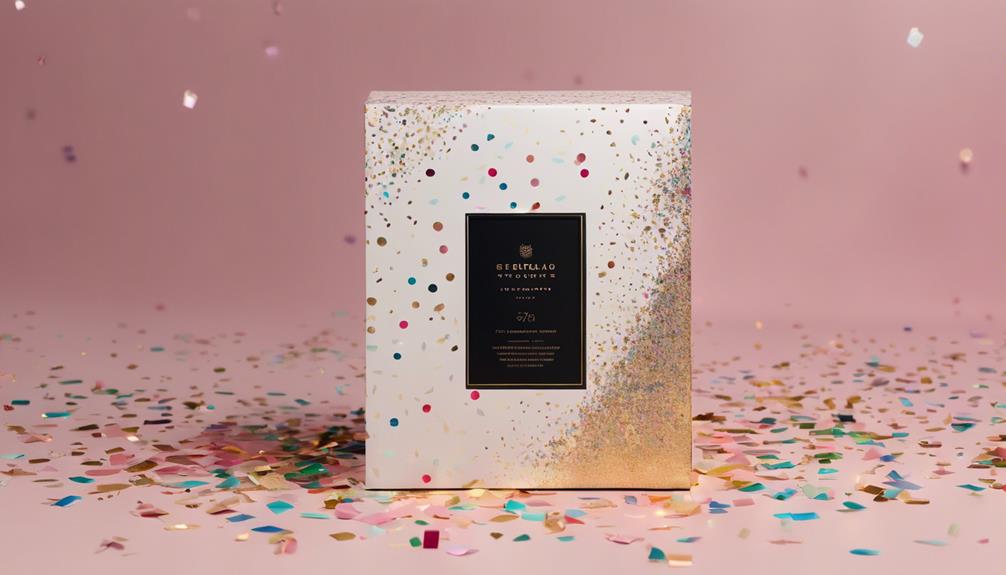
As consumers increasingly share their unboxing experiences on social media, the tactile and visual elements of packaging have become a critical touchpoint for brands to make a lasting impression. A well-designed unboxing experience can create an emotional connection with customers, fostering brand loyalty and driving social sharing. When done right, it can be a powerful marketing tool, with customers becoming brand ambassadors, showcasing their purchases and raving about the experience.
Brands that invest in creating memorable unboxing experiences reap the benefits of increased customer satisfaction, loyalty, and advocacy. The tactile elements of packaging, such as texture, weight, and material, play a significant role in evoking emotions and creating a sensory experience. Visual elements, like color, graphics, and typography, also contribute to the overall aesthetic, making the experience Instagram-worthy and shareable. By crafting an immersive and engaging unboxing experience, brands can create a sense of anticipation, excitement, and delight, setting themselves apart from competitors and building a loyal customer base.
To capitalize on the unboxing experience, brands must prioritize design elements that evoke emotions and encourage social sharing. By doing so, they can turn customers into brand advocates, driving word-of-mouth marketing and increasing brand visibility. A well-designed unboxing experience is no longer a nice-to-have, but a must-have for brands looking to make a lasting impression and drive business results.
Sustainable Packaging Options
When it comes to sustainable packaging options, designers are turning to eco-friendly materials that reduce waste output and minimize environmental impact. They're opting for biodegradable packaging solutions that can easily decompose, reducing the substantial amount of plastic waste that ends up in landfills and oceans. By making these conscious choices, brands can notably shrink their carbon footprint and appeal to the growing number of consumers who prioritize the planet's well-being.
Eco-Friendly Materials Used
Companies are increasingly turning to eco-friendly materials, such as bioplastics, recycled paper, and bamboo, to reduce their environmental footprint and appeal to the growing demographic of eco-conscious consumers. This shift is driven by the need to establish a strong brand reputation and stay competitive in a market where sustainability is becoming a key differentiator. When it comes to material sourcing, companies must scrutinize their supply chain to guarantee that their eco-friendly materials are sourced responsibly and transparently. This involves working closely with suppliers to verify that materials are harvested sustainably, and that their production processes meet rigorous environmental standards. By doing so, companies can confidently communicate their commitment to sustainability to their customers, ultimately driving brand loyalty and advocacy. Additionally, adopting eco-friendly materials can also lead to cost savings and improved operational efficiency, making it a win-win strategy for businesses that prioritize both profit and planet.
Reducing Waste Output
Nearly 30% of municipal solid waste comes from packaging materials, making it a critical area for businesses to focus on reducing waste output. To tackle this issue, companies must conduct a thorough waste audit to identify areas of inefficiency in their packaging process. This involves examining their supply chain to pinpoint where excess materials are being used and where opportunities for reduction exist. By streamlining their packaging design and optimizing material usage, businesses can greatly decrease the amount of waste generated. This not only benefits the environment but also leads to cost savings and improved brand reputation. In addition, reducing waste output requires a holistic approach that involves collaboration with suppliers, manufacturers, and logistics providers to make sure that sustainable practices are adopted throughout the entire supply chain. By taking a proactive stance on waste reduction, businesses can demonstrate their commitment to environmental responsibility and stay ahead of the competition.
Biodegradable Packaging Options
About 85% of consumers prefer products with biodegradable packaging, driving the demand for sustainable solutions that align with their eco-friendly values. As the world shifts towards a more environmentally conscious era, businesses must adapt to stay ahead of the curve. Biodegradable packaging options are no longer a nice-to-have, but a must-have for companies looking to appeal to the modern consumer.
| Material | Benefits |
|---|---|
| Compostable Polymers | Reduce greenhouse gas emissions, improve soil health |
| Bioplastics | Derived from renewable resources, reduce dependence on fossil fuels |
| Mushroom-Based Packaging | Fully compostable, non-toxic, and durable |
| Seaweed Packaging | Biodegradable, compostable, and reduces ocean waste |
Product Packaging as Storytelling
Packaging designers who craft compelling narratives around a product's origin, features, and benefits are more likely to create an emotional connection with customers. By tapping into the power of storytelling, they can evoke feelings, create brand loyalty, and ultimately drive sales. A product's packaging is more than just a physical container; it's an opportunity to convey the brand's values, mission, and personality.
Effective storytelling in packaging design leverages the brand's legacy and cultural heritage to create a sense of authenticity and tradition. For instance, a luxury skincare brand might highlight its century-old roots in traditional herbalism, showcasing its commitment to quality and expertise. Similarly, a food brand might celebrate its cultural heritage by featuring vibrant colors and patterns inspired by its country of origin. By doing so, the brand creates an emotional connection with customers who share similar values and cultural backgrounds.
Balancing Form and Function
Designers must strike a delicate balance between aesthetics and usability, as a product's packaging form should beautifully complement its functional purpose. A packaging design that's too focused on looks might compromise its ability to protect the product, while a design that's solely functional might be unappealing to consumers. To achieve this balance, designers should consider the following key factors:
- Structural Integrity: The packaging should be able to withstand various environmental conditions, such as temperature changes, humidity, and physical stress, without compromising the product inside.
- Aesthetic Harmony: The design should create a visually appealing experience that resonates with the target audience, evoking emotions and creating an instant connection.
- The packaging should be easy to use, with intuitive opening and closing mechanisms, making it convenient for consumers to access the product.
- The design should be adaptable to different sizes, shapes, and materials, allowing for flexibility in production and distribution.
Measuring Packaging Effectiveness
Her brand's success hinges on understanding the metrics that reveal whether its packaging truly resonates with customers. Measuring packaging effectiveness is vital to staying ahead of the competition and driving sales. By tracking key performance indicators (KPIs), brands can identify areas for improvement and optimize their packaging strategy.
A thorough cost analysis is essential to understanding the return on investment (ROI) of packaging design. Brands must consider the cost of production, materials, and distribution, as well as the impact of packaging on product shelf life and waste reduction. By analyzing these costs, brands can identify opportunities to reduce expenses and improve profitability.
Data mining is another critical component of measuring packaging effectiveness. By analyzing customer data, brands can gain insights into consumer behavior and preferences. This information can be used to inform packaging design, ensuring that it resonates with the target audience and drives conversions. Brands can also use data mining to track customer feedback and sentiment, identifying areas for improvement and optimizing their packaging strategy over time.
Frequently Asked Questions
What Is the Ideal Packaging Size for E-Commerce Products?
She knows that finding the ideal packaging size for e-commerce products is essential. It's all about striking a balance between cost savings and customer convenience. A smaller package reduces shipping costs, but may compromise on protection. On the other hand, a larger package provides more room for branding, but increases shipping expenses. She must weigh these factors to create a package that's both cost-effective and customer-friendly, ensuring a seamless online shopping experience.
Can I Patent a Unique Packaging Design?
She explores the possibility of patenting a unique packaging design to safeguard her innovative creation. By pursuing design protection, she can prevent others from replicating her work. Developing a strong patent strategy is vital to guarantee her design remains exclusive. She must navigate the complexities of patent law to secure her intellectual property, ultimately giving her a competitive edge in the market.
How Do I Ensure Packaging Consistency Across Products?
She maintains packaging consistency across products by establishing a strong brand identity that resonates with her target audience. By creating a clear visual hierarchy, she effectively communicates her brand's message and values. Consistency is key, so she develops a style guide that outlines specific design elements, such as typography, color palette, and imagery, to maintain a unified look across all products.
What Are the Regulations for Packaging Fragile Items?
Imagine a package arriving at your doorstep, its contents shattered into a hundred pieces. To avoid this nightmare, she makes sure fragile items are packaged with utmost care. Regulations dictate that shock absorption materials, like bubble wrap or foam, be used to cushion the product. Additionally, fragility testing is essential to determine the right packaging materials and design. By following these guidelines, she can guarantee her products arrive safely, maintaining customer satisfaction and loyalty.
Can I Use Augmented Reality in Packaging Design?
She can definitely leverage augmented reality in packaging design to create an immersive AR experience. By incorporating virtual unboxing, customers can interact with products before purchasing, boosting engagement and conversion rates. This innovative approach allows her to stand out in a crowded market, increasing brand loyalty and driving sales. With AR, she can revolutionize the packaging industry and leave competitors in the dust.