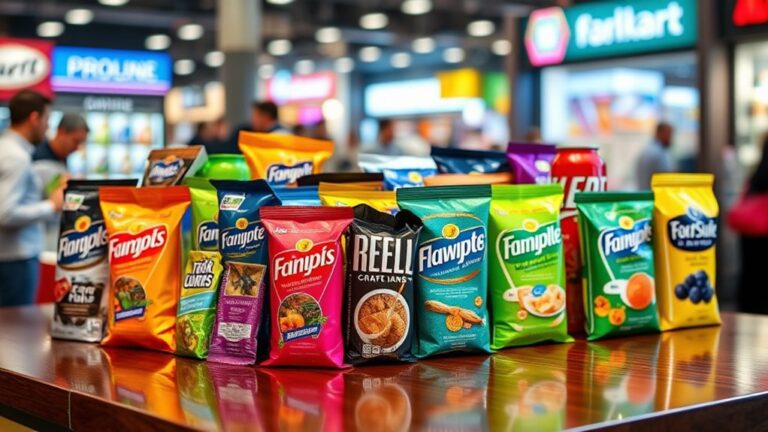

To incorporate interactive elements in packaging, brands must first understand their target audience's demographics and lifestyle to tailor experiences that drive engagement and loyalty. They can then choose the right interactive element, such as augmented reality or smart labels, to enhance customer connection. Designing for user experience and balancing functionality with aesthetics is essential, as is integrating technology to create immersive experiences. By incorporating interactive elements, brands can set themselves apart and boost sales. As they explore the possibilities of interactive packaging, they'll discover even more ways to surprise and delight their customers.
Understanding Your Target Audience
When developing interactive packaging, marketers must first identify and understand their target audience's needs, preferences, and behaviors to create an engaging experience that resonates with them. This requires a thorough examination into age demographics, lifestyle analysis, and other key factors that influence consumer behavior. By doing so, marketers can tailor their interactive packaging to appeal to their target audience's unique characteristics, increasing the likelihood of a successful campaign.
Age demographics, for instance, play a significant role in shaping consumer preferences. Marketers need to take into account the age range of their target audience, as different age groups respond differently to interactive elements. For example, younger generations, such as Gen Z and millennials, are more tech-savvy and likely to engage with digital features, while older generations may prefer more traditional, tactile experiences.
Lifestyle analysis is another important aspect of understanding the target audience. Marketers should assess factors such as occupation, income level, and interests to create a detailed profile of their ideal customer. This information can help inform the design and functionality of the interactive packaging, ensuring it aligns with the target audience's values and lifestyle. By taking the time to understand their target audience, marketers can craft an interactive packaging experience that truly resonates, driving engagement, loyalty, and ultimately, sales.
Choosing the Right Interactive Element
When it comes to selecting the right interactive element for packaging, brands need to take into account several key factors. They must contemplate the types of interactive tech that will best engage their audience, the brand storytelling methods that will resonate most, and the unique user experiences that will set them apart. By evaluating these factors, brands can create interactive packaging that truly leaves an impression. Additionally, brands should consider how visual storytelling in packaging design can enhance their product’s appeal and convey their message effectively. By integrating eye-catching graphics and innovative interactive features, they can create a memorable unboxing experience that captivates consumers. Ultimately, the goal is to foster a deeper connection with the audience, encouraging loyalty and enhancing brand recognition through thoughtful design choices.
Types of Interactive Tech
Brands can select from a diverse range of interactive technologies, each with its unique benefits and applications, to create engaging packaging experiences. Augmented Reality (AR) is one such technology that allows customers to interact with products in a virtual environment. By scanning a QR code or using a dedicated app, customers can access additional product information, tutorials, or even try out virtual product demos. This technology has proven to increase customer engagement and conversion rates.
Another interactive technology gaining popularity is Smart Labels. These labels can be embedded with Near Field Communication (NFC) tags, Radio Frequency Identification (RFID) chips, or other technologies that enable customers to access additional product information, track product authenticity, or even receive personalized offers. Smart Labels can also be used to provide customers with real-time product updates, such as expiration dates or batch numbers. By incorporating these interactive technologies, brands can create a seamless and engaging customer experience that sets them apart from their competitors. By choosing the right interactive element, brands can increase customer loyalty, drive sales, and build a strong brand reputation.
Brand Storytelling Methods
By selecting an interactive element that aligns with their unique brand narrative, companies can craft a compelling story that resonates with their target audience and sets them apart in a crowded market. This approach enables brands to create an emotional connection with their customers, fostering loyalty and driving engagement. To achieve this, companies must choose an interactive element that reflects their brand's cultural relevance, values, and personality.
Here are some brand storytelling methods to consider:
- Digital Scavenger Hunts: Create an immersive experience that takes customers on a journey, uncovering hidden secrets and surprises along the way.
- Interactive Quizzes: Design a quiz that reveals personalized results, providing customers with a sense of ownership and connection to the brand.
- Augmented Reality (AR) Filters: Develop AR filters that allow customers to virtually try on products or experience a brand's story in a unique and memorable way.
- Gamified Unboxing: Transform the unboxing experience into a game, where customers uncover rewards and surprises as they unwrap their purchase.
Unique User Experiences
Selecting the right interactive element is crucial, as it can make or break the user experience, and companies must carefully consider their target audience's preferences and behaviors to create an unforgettable encounter. The key is to craft an experience that resonates with the user on a deeper level, fostering emotional connections that drive brand loyalty. One way to achieve this is by incorporating surprise moments that leave a lasting impression. For instance, a hidden message or a pop-up design can evoke a sense of excitement and wonder, making the user feel like they've stumbled upon a hidden treasure. By understanding what drives their audience's emotions, companies can design interactive elements that tap into those feelings, creating a memorable and shareable experience. By doing so, they can establish a strong emotional connection with their customers, setting themselves apart from the competition and driving business growth.
Designing for User Experience
Packagers are rethinking the role of packaging as a touchpoint that can delight and engage consumers, going beyond mere functionality to craft a user experience that leaves a lasting impression. By designing for user experience, packagers can create an emotional connection with their target audience, fostering brand loyalty and advocacy.
To achieve this, designers should focus on creating sensory delight through various elements, such as:
- Tactile experiences: Unique textures, shapes, and weights that invite exploration and interaction.
- Visual storytelling: Compelling graphics, colors, and patterns that convey the brand's message and values.
- Auditory cues: Sounds, music, or even silence that evoke emotions and create a memorable experience.
- Olfactory surprises: Unexpected scents or fragrances that evoke emotions and create a lasting impression.
Balancing Functionality and Aesthetics
When it comes to balancing functionality and aesthetics in packaging, designers must strike a delicate balance. They must make certain that the interactive elements not only serve a purpose but also complement the overall visual appeal of the product. By achieving this union, designers can create packaging that's both functional and visually stunning.
Form and Function Union
By thoughtfully merging aesthetics and functionality, brands can create packaging that not only protects and contains their products but also tells a story and evokes an emotional response from consumers. This harmonious union of form and function is essential in creating an immersive brand experience. A well-designed package can elevate the product itself, conveying a sense of luxury, sophistication, or playfulness, depending on the brand's identity.
To achieve this balance, consider the following elements:
- Clean lines and minimalism: A sleek, modern design that exudes sophistication and elegance.
- Vibrant colors and bold typography: A playful, attention-grabbing package that stands out on store shelves.
- Textured materials and finishes: A tactile experience that invites consumers to touch and explore.
- Innovative shapes and structures: A unique, show-stopping design that redefines the packaging landscape.
Designing for Dual Purpose
As brands endeavor to create an immersive brand experience, they must balance the functional aspects of packaging with its aesthetic appeal, ensuring that the design not only serves its purpose but also tells a story. This delicate balance is vital in designing for dual purpose, where packaging is not only functional but also a communication tool. By incorporating dual functionality, brands can create a seamless user experience that engages consumers on multiple levels.
| Design Element | Functionality | Aesthetic Appeal |
|---|---|---|
| QR Code | Scannable for product info | Minimalist design, color scheme |
| Opening Mechanism | Easy to open, resealable | Sleek, premium feel |
| Brand Messaging | Communicates brand values | Typography, color scheme |
| Packaging Shape | Ergonomic, easy to hold | Unique silhouette, material choice |
| Interactive Feature | Encourages engagement, gamification | Visually appealing, animations |
Visual Hierarchy Matters
Effective packaging design relies on a thoughtful visual hierarchy to balance functionality and aesthetics, guiding the consumer's attention through a deliberate sequence of focal points. This essential balance is vital in creating an engaging and informative packaging experience. By applying design principles, brands can create a visual flow that effortlessly directs the consumer's gaze through the packaging, highlighting key information and features.
Here are some essential elements to keep in mind when crafting a visual hierarchy:
- Contrast: Use contrasting colors, typography, and imagery to create visual interest and draw attention to specific areas.
- Size and Scale: Employ varying font sizes and image scales to create a sense of importance and hierarchy.
- Alignment: Strategically align text and images to create a sense of order and cohesion.
- White Space: Effectively use empty space to create a clear and uncluttered visual flow, allowing the consumer's eye to move effortlessly through the packaging.
Integrating Technology With Packaging
Many consumer goods companies are now incorporating digital technologies into their packaging to create engaging experiences for customers. This integration of technology with packaging is revolutionizing the way customers interact with products. One way companies are achieving this is through the use of Smart Labels, which can provide customers with additional product information, tutorials, or even games. Another way is through Virtual Unboxing, where customers can experience the product without physically opening the packaging.
| Technology | Benefits |
|---|---|
| Smart Labels | Provides customers with additional product information, tutorials, or games |
| Virtual Unboxing | Allows customers to experience the product without physically opening the packaging |
| Augmented Reality (AR) | Enhances the customer experience through interactive and immersive experiences |
| Near Field Communication (NFC) | Enables customers to access exclusive content, promotions, or rewards |
Measuring Interactive Packaging Success
Companies must track key performance indicators (KPIs) to gauge the success of their interactive packaging initiatives. It's essential to quantify the impact of these innovations on customer engagement, brand loyalty, and ultimately, revenue growth. By doing so, businesses can refine their strategies, optimize resources, and maximize returns on investment (ROI).
To effectively measure interactive packaging success, companies should focus on the following key metrics:
- Scan rates: Track the number of times customers interact with packaging using QR codes, NFC tags, or other technologies.
- Engagement duration: Measure the time spent engaging with interactive content, such as videos, games, or tutorials.
- Conversion rates: Monitor the percentage of customers who complete a desired action, like making a purchase or signing up for a newsletter.
- Return on Investment (ROI) tracking: Analyze the revenue generated from interactive packaging initiatives compared to traditional packaging methods.
Overcoming Production and Cost Challenges
As brands venture into interactive packaging, they must navigate the complex landscape of production and cost challenges that can potentially derail their innovative efforts. One of the primary hurdles is the impact on the supply chain. Incorporating interactive elements can add complexity to the production process, leading to increased lead times, higher inventory costs, and potential stockouts. Brands must collaborate closely with their suppliers to guarantee a seamless integration of interactive components into their packaging lines.
Another significant challenge is material costs. Interactive packaging often requires specialized materials, such as NFC tags, QR codes, or augmented reality (AR) labels, which can be more expensive than traditional packaging materials. Brands must carefully balance the cost of these materials against the benefits of increased customer engagement and brand loyalty. To mitigate these costs, brands can explore alternative materials, negotiate with suppliers, or consider economies of scale.
To overcome these challenges, brands can adopt a collaborative approach, working closely with their suppliers, designers, and manufacturers to develop innovative solutions that meet their business objectives. By investing in digital printing technologies, brands can also reduce waste, minimize inventory, and improve supply chain efficiency. By embracing these strategies, brands can successfully incorporate interactive elements into their packaging, driving business growth and customer engagement while minimizing production and cost challenges.
Frequently Asked Questions
How Do I Ensure Interactive Packaging Is Accessible to All Users?
To prioritize inclusive design, she emphasizes Universal Design principles, making interactive elements accessible to all users. By incorporating Disability Inclusion strategies, she ensures equal opportunities for everyone to engage. She conducts thorough user testing, considering diverse abilities and needs, to identify and address potential barriers. By doing so, she creates packaging that empowers every individual, regardless of abilities, to interact and connect with the brand.
Can Interactive Packaging Be Used for Luxury or Premium Products?
Luxury brands crave exclusivity, and interactive packaging can elevate their high-end offerings. By incorporating innovative technologies, premium products can tell a unique story, conveying craftsmanship and attention to detail. This luxury storytelling approach creates an immersive experience, justifying the hefty price tag. Interactive packaging becomes a status symbol, setting luxury brands apart and solidifying their prestige. It's an opportunity to redefine the unboxing experience, making it a memorable event that resonates with discerning consumers.
Are There Any Eco-Friendly Interactive Packaging Options Available?
As brands prioritize eco-friendliness, they're seeking innovative solutions. Luckily, eco-friendly interactive packaging options do exist. Companies are turning to biodegradable materials that seamlessly integrate technology, ensuring a reduced carbon footprint. Additionally, sustainable inks are being used to minimize environmental impact. These cutting-edge solutions allow luxury brands to maintain their high-end appeal while catering to the growing demand for eco-responsibility.
How Often Should I Update Interactive Packaging Content and Features?
Like a phoenix rising from the ashes, brands must revive their interactive packaging content to stay relevant. She updates her content cycle regularly to maintain the freshness factor, ensuring customers remain engaged. It's essential to strike a balance between novelty and consistency, as stagnant content can lead to consumer fatigue. She refreshes her interactive features every quarter, injecting new life into her brand's narrative.
Can Interactive Packaging Be Used for Limited-Edition or Seasonal Products?
She leverages interactive packaging to create buzz around limited-edition or seasonal products, amplifying their allure. For instance, during holiday promotions, she crafts exclusive experiences, such as virtual scavenger hunts or flash sales, to drive engagement and urgency. By doing so, she turns these special releases into memorable events, generating excitement and loyalty among customers.