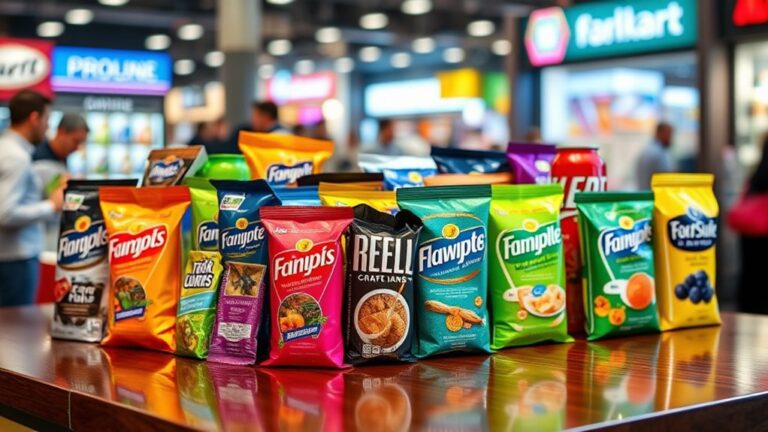
Innovative materials are transforming the packaging industry, offering sustainable alternatives to traditional plastics. Mycelium-based materials, for instance, mimic plastic durability while being fully biodegradable. Plant-based bioplastics utilize agricultural waste, reducing greenhouse gas emissions, and edible packaging solutions use natural coatings to preserve food freshness. Seaweed-based packaging innovations provide biodegradable film properties, and nanocellulose offers high-strength, renewable, and non-toxic materials. As the industry continues to evolve, these cutting-edge materials are redefining the future of packaging. From compostable packaging to mushroom-based solutions, the possibilities are endless, and the most exciting developments are yet to come.
Mushroom-Based Sustainable Materials
Researchers are now harnessing the power of mycelium, the vegetative part of a mushroom, to create sustainable materials that can replace traditional plastics. This innovative approach taps into the incredible potential of fungi networks, where mycelium acts as a natural binding agent, holding together organic matter with remarkable strength. By leveraging this unique property, scientists are developing mycelium-based materials that not only mimic the durability of plastics but also boast a considerably lower environmental footprint.
Mycelium architecture, a term coined to describe the intricate networks of fungal hyphae, is being exploited to create robust and lightweight structures. These sustainable materials can be molded into various shapes, making them ideal for packaging applications. Additionally, mycelium-based materials are fully biodegradable, eliminating the risk of microplastics and plastic waste. As the world grapples with the plastic pollution crisis, this breakthrough technology offers a beacon of hope.
The potential applications of mycelium-based materials are vast, from disposable packaging to durable construction materials. As researchers continue to refine this technology, we can expect to see a significant shift towards sustainable, eco-friendly solutions. With its unique properties and environmental benefits, mycelium is poised to revolutionize the way we think about materials and packaging.
Plant-Based Bioplastic Alternatives
As the quest for sustainable materials continues, innovators are turning to plant-based bioplastic alternatives, which harness the natural strength and versatility of agricultural waste to create packaging solutions that are both renewable and compostable. This shift towards eco-friendly materials is driven by the need to reduce plastic waste and mitigate the environmental impact of traditional packaging methods.
One promising development in this space is the use of corn starch-based bioplastics. By leveraging the abundant and renewable resources of corn starch, manufacturers can create biodegradable packaging materials that are strong, lightweight, and customizable. These bioplastics can replace traditional plastics in a wide range of applications, from food packaging to disposable cutlery.
Agricultural waste is another key component in the development of plant-based bioplastics. By utilizing waste materials such as sugarcane bagasse, potato starch, or wheat straw, manufacturers can create sustainable packaging solutions that would otherwise end up in landfills. This closed-loop approach not only reduces waste but also promotes a more circular economy.
The benefits of plant-based bioplastic alternatives are clear: reduced greenhouse gas emissions, minimized waste, and a lower carbon footprint. As consumers increasingly demand sustainable packaging options, innovators are poised to revolutionize the packaging industry with these game-changing materials. With continued research and development, plant-based bioplastics are set to become a cornerstone of next-gen packaging solutions.
Edible and Compostable Packaging
They're now exploring edible and compostable packaging, a game-changing solution that's gaining traction. Here, natural barrier solutions take center stage, offering an innovative way to replace traditional packaging materials. The development of food-grade materials is also essential, ensuring that these next-gen packaging options are both sustainable and safe for consumption.
Natural Barrier Solutions
Natural barrier solutions, comprising edible and compostable packaging, offer a promising alternative to traditional plastic materials by leveraging biomolecules to create impermeable films that can effectively preserve food freshness. These innovative solutions provide a sustainable and eco-friendly way to package food products, reducing the environmental impact of packaging waste.
Natural barrier solutions can be categorized into two main types: natural coatings and barrier films. Natural coatings are applied directly to the food product, creating a thin, edible layer that prevents moisture and oxygen from penetrating. Barrier films, on the other hand, are separate packaging materials made from biomolecules that provide an impermeable barrier between the food and the environment.
| Type | Description |
|---|---|
| Natural Coatings | Thin, edible layer applied directly to food product |
| Barrier Films | Impermeable films made from biomolecules, separate from food product |
| Both | Effective in preserving food freshness and reducing packaging waste |
Food-Grade Materials Development
Researchers are actively developing food-grade materials that can be consumed along with the packaged food or easily composted, offering a revolutionary approach to sustainable packaging. These innovative materials are designed to guarantee food safety while reducing environmental impact. Edible packaging, for instance, is made from natural ingredients like algae, cornstarch, or sugarcane, which can be easily digested or composted. This eliminates the need for plastic packaging, greatly reducing waste and pollution. Compostable packaging, on the other hand, breaks down naturally, leaving no toxic residues behind. The supply chain benefits from these materials as well, as they can extend shelf life and reduce transportation costs. With food-grade materials, manufacturers can create packaging that is not only sustainable but also enhances the consumer experience. As the demand for eco-friendly solutions grows, these materials are poised to transform the packaging industry, offering a game-changing solution for companies and consumers alike. Moreover, companies are increasingly focusing on packaging design for millennials, who prioritize sustainability and convenience in their purchasing decisions. By incorporating food-grade materials into innovative packaging solutions, brands can appeal to environmentally conscious consumers while maintaining product integrity. As this trend gains momentum, businesses that adopt these sustainable alternatives will likely gain a competitive edge in the market.
Seaweed-Based Packaging Solutions
They're turning to seaweed-based packaging solutions, which offer a trifecta of benefits. For starters, sustainable seaweed harvesting practices can help reduce environmental impact. Next, the biodegradable film properties of seaweed-based materials can replace traditional plastics, and even provide edible packaging options that are both innovative and eco-friendly.
Sustainable Seaweed Harvesting
Seaweed farmers and suppliers are embracing sustainable harvesting practices to guarantee a steady supply of seaweed for emerging packaging solutions. This shift towards eco-friendly practices is essential, as the industry's rapid growth poses potential threats to ocean ecosystems. By adopting responsible seaweed farming methods, companies can secure the long-term viability of this renewable resource.
Sustainable seaweed harvesting not only safeguards the environment but also supports local communities. Ocean conservation efforts are integrated into farming practices, protecting marine biodiversity and preserving delicate ecosystems. This approach enables seaweed farmers to maintain a healthy balance between harvesting and replenishing seaweed stocks, ensuring a consistent supply for packaging applications.
As the demand for seaweed-based packaging continues to rise, sustainable harvesting practices will play an important role in meeting this need. By prioritizing ocean conservation and responsible farming methods, the industry can reap the benefits of this innovative material while protecting the planet's precious resources.
Biodegradable Film Properties
As sustainable seaweed harvesting practices take hold, the focus shifts to the unique properties of biodegradable films derived from this renewable resource, which are revolutionizing packaging solutions. These films boast impressive material strength, allowing them to withstand the rigors of transportation and storage while maintaining their integrity. Additionally, their film thickness can be tailored to meet specific packaging needs, providing an added layer of customization.
The biodegradable films' remarkable strength-to-weight ratio enables them to protect products without adding excess bulk, making them an attractive option for companies looking to reduce their environmental footprint. In addition, these films are fully compostable, eliminating the need for costly and time-consuming recycling processes. With their ability to degrade naturally, they minimize waste and pollution, aligning with the values of eco-conscious consumers. As the demand for sustainable packaging solutions continues to grow, the properties of biodegradable seaweed-based films position them as a game-changer in the industry.
Edible Packaging Options
Nearly 30% of all food packaging is discarded before consumers even open it, which is why edible packaging options are gaining traction as a revolutionary solution. Seaweed-based packaging solutions, in particular, are emerging as a game-changer in the industry. These innovative materials not only reduce waste but also provide a sustainable and eco-friendly alternative to traditional packaging. Moreover, seaweed-based packaging is compostable, biodegradable, and even edible, making it a triple threat against environmental degradation.
From a food safety perspective, edible packaging options offer a unique advantage. Since the packaging is consumable, there's no risk of chemical leaching or contamination. This addresses a significant concern in consumer psychology, where trust in packaging materials is a critical factor in purchasing decisions. By leveraging edible packaging, brands can build trust with their customers and establish a competitive edge. As the industry continues to evolve, it's clear that seaweed-based packaging solutions will play a significant role in shaping the future of sustainable packaging.
Biodegradable Packaging Innovations
Researchers are developing novel biodegradable packaging materials that can replace traditional plastics, leveraging advances in biotechnology and green chemistry. These innovations aim to reduce plastic waste and minimize environmental harm. One promising approach involves microbe integration, where microorganisms are used to break down organic matter and produce biodegradable polymers. This method enables the creation of customized materials with tailored properties, such as strength, flexibility, and degradation rates.
Material durability is a critical aspect of biodegradable packaging. To address this, researchers are exploring the use of biodegradable additives that enhance the material's resistance to degradation. These additives can be derived from renewable sources, such as plant-based polymers or agricultural waste, reducing the environmental footprint of the packaging. Additionally, scientists are investigating the use of bio-based coatings that can extend the shelf life of biodegradable materials.
The development of biodegradable packaging innovations is driven by consumer demand for sustainable solutions. As consumers become increasingly environmentally conscious, companies are responding by adopting eco-friendly packaging options. Biodegradable materials offer a promising solution, as they can replace traditional plastics in a wide range of applications, from food packaging to shipping materials. With continued advances in biotechnology and green chemistry, the potential for biodegradable packaging innovations to transform the industry is vast.
Nanocellulose for Eco-Friendly Packaging
Nanocellulose, a biodegradable and renewable material derived from plant cell walls, is being harnessed to create strong, lightweight, and eco-friendly packaging solutions. This innovative material is extracted from cellulose fibers, the most abundant organic compound on Earth, making it an attractive alternative to non-renewable resources. Nanocellulose boasts impressive mechanical properties, including high strength, stiffness, and durability, making it an ideal component for packaging materials.
The use of nanocellulose in packaging reduces reliance on fossil fuels and minimizes waste generation. As a renewable resource, it can be sourced from agricultural waste, forest residues, or even recycled paper products. This sustainable approach aligns with the growing demand for eco-friendly packaging solutions. Moreover, nanocellulose-based packaging is biodegradable, compostable, and non-toxic, ensuring a reduced environmental footprint throughout its lifecycle.
Researchers are exploring various applications of nanocellulose in packaging, including composite materials, coatings, and bioplastics. The development of nanocellulose-based packaging is expected to revolutionize the industry, providing a competitive advantage for companies that adopt this innovative material. As the world shifts towards a more sustainable future, nanocellulose is poised to play a significant role in reducing waste, conserving resources, and protecting the environment. With its unique properties and sustainable credentials, nanocellulose is set to transform the packaging landscape, empowering companies to make a positive impact on the planet.
Frequently Asked Questions
Are Biodegradable Packaging Materials More Expensive Than Traditional Ones?
She notes that biodegradable packaging materials often come with a higher price tag than traditional ones. This is largely due to the complexity of their supply chain, which can drive up production costs. However, she argues that this increased cost can be offset by the positive impact on consumer perception, as eco-friendly packaging is increasingly seen as a valuable differentiator in the market.
Can Edible Packaging Be Used for Packaging Liquids and Semi-Liquids?
As the tide of innovation rises, the question of edible packaging for liquids and semi-liquids surfaces. Can this novel approach find a path for success? The answer lies in steering through the treacherous waters of food safety and liquid consistency. Edible packaging must guarantee the integrity of its contents, lest it becomes a recipe for disaster.
How Do Mushroom-Based Materials Compare to Traditional Paper Products?
She explores the comparison between mushroom-based materials and traditional paper products. Mushroom-based materials emerge as sustainable alternatives, offering significant environmental benefits. They require less water and energy to produce, and their biodegradable nature reduces waste. In contrast, traditional paper products contribute to deforestation and greenhouse gas emissions. By adopting mushroom-based materials, companies can reduce their ecological footprint and appeal to environmentally conscious consumers.
Are Seaweed-Based Packaging Solutions Suitable for High-Temperature Applications?
Like a ship steering through treacherous waters, companies seeking sustainable packaging solutions must plot a careful course. When it comes to high-temperature applications, seaweed-based packaging solutions are put to the test. Seaweed insulation, boasting impressive thermal resistance, shows promise. However, it's crucial to note that its performance varies depending on the specific seaweed species and processing methods used. Further research is necessary to guarantee these solutions can withstand the heat.
Can Nanocellulose Be Used to Create Transparent Packaging Materials?
She explores the potential of nanocellulose in creating transparent packaging materials. Nanocellulose, derived from cellulose fibers, exhibits exceptional optical properties, making it an ideal candidate. By controlling the fiber size and arrangement, manufacturers can achieve high transparency, allowing for visible product display. Additionally, nanocellulose's biodegradable nature and renewable sources make it an attractive sustainable solution. Its unique properties position nanocellulose as a game-changer in the development of transparent, eco-friendly packaging materials.