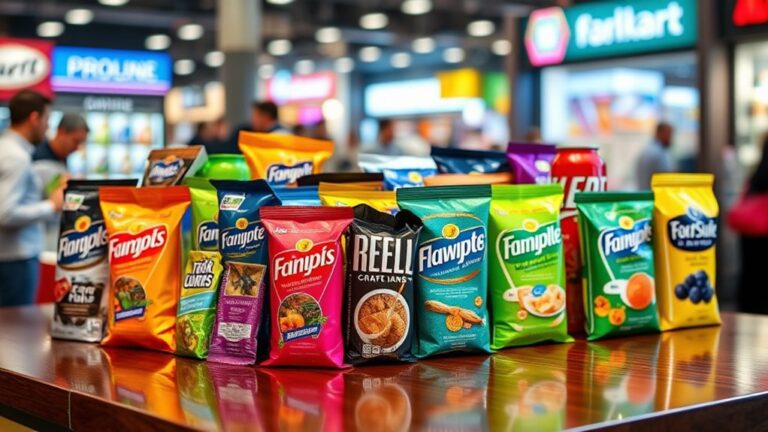
This year, innovative packaging trends are revolutionizing the industry with a focus on sustainability, technology, and personalization. Companies prioritize eco-friendly packaging, sourcing sustainable materials and re-evaluating supply chains for improvement. Smart packaging integrates cutting-edge tech for real-time monitoring and convenience. Personalized packaging solutions forge deeper connections with consumers, conveying brand values and personality through custom designs. Minimalist designs create luxury and premium quality, while connected packaging systems optimize logistics and enhance customer experiences. As the industry continues to evolve, stay ahead of the curve and discover the latest innovations shaping the future of packaging. Furthermore, brands are exploring innovative packaging material solutions that not only meet consumer demands but also reduce environmental impact. By utilizing biodegradable, compostable, and recyclable materials, companies are setting new standards for corporate responsibility. As the market embraces these advancements, the collaboration between brands and sustainable material suppliers will be essential for fostering a circular economy and ensuring a greener future.
Sustainable Materials Take Center Stage
Companies are now prioritizing eco-friendly packaging options, as consumers increasingly expect brands to reduce their environmental footprint. In response, the focus has shifted to sustainable material sourcing, an essential step in minimizing waste and pollution. This shift is driven by the growing awareness of the environmental impact of packaging, with consumers demanding transparency and accountability from brands.
As a result, companies are re-evaluating their supply chain to identify areas for improvement. This includes examining the origin and production processes of materials, as well as their end-of-life recyclability. By doing so, brands can notably reduce their carbon footprint and minimize waste. Furthermore, sustainable material sourcing can also lead to cost savings and improved brand reputation.
Innovative companies are already making strides in this area. For instance, some are using biodegradable materials, such as mushroom-based packaging, or recycled plastics. Others are implementing take-back programs, encouraging customers to return used packaging for recycling or reuse. As the demand for eco-friendly packaging continues to rise, companies that prioritize sustainable material sourcing and supply chain transparency will be well-positioned to meet consumer expectations and stay ahead of the competition. By embracing sustainable packaging solutions, brands can not only reduce their environmental impact but also reap the benefits of increased customer loyalty and brand reputation.
Smart Packaging Gets Smarter
In addition to consumers increasingly expecting brands to reduce their environmental footprint, they're also demanding more convenience, safety, and engagement from their packaging, which is driving innovation in smart packaging solutions that can track, sense, and interact with users. Brands are responding by integrating cutting-edge technologies into their packaging, allowing them to gather valuable consumer insights and optimize their supply chain operations.
Smart packaging solutions, such as intelligent labels and sensors, are enabling brands to monitor their products in real-time, from manufacturing to consumption. This real-time visibility allows brands to identify inefficiencies in their supply chain, reduce waste, and improve product quality. Furthermore, smart packaging is enabling brands to engage with consumers in new and innovative ways, such as through augmented reality experiences and personalized messaging.
Edible and Compostable Options
Sustainability-minded consumers are driving demand for eco-friendly packaging alternatives, and edible and compostable options are emerging as a promising solution to traditional plastic packaging waste. These innovative solutions tackle the pressing issue of food waste by utilizing organic materials that can be easily composted, reducing the staggering 30% of global food production that ends up in landfills. Edible packaging, made from natural resources such as algae, cornstarch, or sugarcane, offers a guilt-free snacking experience while minimizing waste.
Seaweed alternatives, in particular, have gained traction as a viable option. Companies like Loliware and Skipping Rocks Lab are pioneering the development of seaweed-based packaging that is not only compostable but also edible. This innovative material can replace traditional plastic packaging for products like water bottles, food wraps, and even cutlery. The benefits are twofold: reducing plastic waste and providing a sustainable source of nutrition. As consumers become increasingly environmentally conscious, edible and compostable packaging is poised to revolutionize the industry. Brands that adopt these sustainable solutions will not only appeal to the growing eco-friendly market but also contribute to a significant reduction in plastic waste. With the potential to transform the packaging landscape, edible and compostable options are an exciting trend to watch in the coming year.
Personalization Through Custom Designs
Brands are leveraging custom designs to forge deeper connections with consumers, who crave unique experiences and products that reflect their individuality. This personalization trend is revolutionizing the packaging industry, allowing companies to stand out in a crowded market and build lasting relationships with their customers. By incorporating custom designs, brands can convey their values, personality, and mission, ultimately fostering emotional connections with their target audience.
Custom designs offer a platform for brand storytelling, enabling companies to share their narrative and values through visually appealing and creative packaging. This approach helps to humanize the brand, making it more relatable and authentic to consumers. As a result, customers are more likely to develop a sense of loyalty and affinity towards the brand, driving repeat business and positive word-of-mouth.
In today's digital age, custom designs can be easily tailored to specific demographics, interests, or preferences, allowing brands to target their audience with precision. This level of personalization creates a sense of ownership and belonging, making consumers feel seen and understood. By investing in custom designs, brands can differentiate themselves from competitors, increase brand recognition, and ultimately drive business growth. As consumers continue to crave unique experiences, custom designs will remain an essential element in packaging strategies, enabling brands to build lasting emotional connections and drive long-term success.
Minimalist Design for Maximum Impact
Their packaging says it all: simplicity is the new sophistication, and minimalist designs are proving that sometimes, indispensable is more when it comes to making a lasting impression on consumers. This trend is all about stripping away the unnecessary and letting the product shine. By doing so, brands can create a sense of luxury and premium quality, even on a budget.
Clean aesthetics are key to a successful minimalist design. A limited color palette, plenty of negative space, and a focus on typography can create a sense of calm and sophistication. This approach also allows the product to take center stage, rather than being overshadowed by busy or cluttered packaging. A well-designed visual hierarchy is also vital, guiding the consumer's eye to the most important information and creating a clear call-to-action.
The beauty of minimalist design lies in its ability to communicate complex information in a simple, easy-to-digest way. By boiling down the design to its essence, brands can create a sense of clarity and purpose. This, in turn, can lead to increased brand recognition, customer loyalty, and ultimately, sales. As consumers become increasingly bombarded with information, minimalist packaging is a welcome change, offering a refreshing break from the noise. By embracing simplicity, brands can stand out in a crowded market and make a lasting impact on their target audience.
Technology-Integrated Packaging Solutions
They're taking packaging to the next level by incorporating cutting-edge technology. One of the most exciting developments is the introduction of smart labels that can provide real-time information to consumers. These innovative solutions, including connected packaging systems, are revolutionizing the way products are packaged and interact with their customers.
Smart Labels Unveiled
Innovative companies are now incorporating smart labels into their packaging, allowing consumers to interact with products in unprecedented ways. These labels enable real-time tracking, authentication, and engagement, redefining the consumer-brand relationship. One of the significant advantages of smart labels is their ability to provide QR code security, ensuring the authenticity of products and combating counterfeiting. This feature is particularly vital in industries where product authenticity is paramount, such as pharmaceuticals and luxury goods.
However, with the increased use of smart labels, label hacking becomes a significant concern. Companies must invest in robust security measures to prevent tampering and data breaches. This includes encrypting data, using secure printing techniques, and implementing track-and-trace systems. By doing so, brands can safeguard the integrity of their products and maintain consumer trust. As smart labels continue to gain traction, it's essential for companies to stay ahead of the curve and prioritize security and innovation. By doing so, they can harness the full potential of smart labels and revolutionize the packaging industry.
Connected Packaging Systems
In addition to integrating technologies like sensors, RFID, and NFC into packaging, companies can create connected systems that offer real-time monitoring, personalized engagement, and enhanced customer experiences. These connected packaging systems provide a seamless connection between physical products and digital channels, enabling brands to track their products throughout the supply chain. This real-time visibility allows companies to optimize their logistics, reduce waste, and improve product quality. Additionally, connected packaging systems offer a direct link to consumers, providing valuable insights into their behavior, preferences, and needs. Brands can leverage these consumer insights to create targeted marketing campaigns, improve customer satisfaction, and build brand loyalty. With connected packaging, companies can also implement smart inventory management, automated replenishment, and personalized communication, revolutionizing the way they interact with their customers. By harnessing the power of connected packaging, brands can stay ahead of the competition, drive business growth, and create a new era of customer-centricity.
Frequently Asked Questions
What Is the Environmental Impact of Biodegradable Packaging?
As the earth's landfills groan under the weight of plastic waste, biodegradable packaging emerges as a beacon of hope. But, she wonders, what's the real environmental impact? The truth is, biodegradable packaging breaks down through microbial decomposition, freeing up resources and reducing waste. However, it can also contaminate soil with toxic additives, crippling ecosystems. The key, she concludes, lies in sustainable biodegradable materials that nurture, rather than harm, the planet.
Can Smart Packaging Be Integrated With Existing Supply Chains?
She integrates smart packaging into existing supply chains by leveraging advanced technologies and strategic partnerships. This allows her to mitigate supply chain disruptions and guarantee seamless packaging upgrades. By doing so, she streamlines operations, reduces costs, and enhances the overall customer experience. With smart packaging, she gains real-time insights, optimizes logistics, and stays ahead of the competition.
How Do Edible Packaging Options Affect Food Safety Regulations?
As the curtain lifts on edible packaging, a delicate dance between innovation and caution unfolds. How do these novel options affect food safety regulations? The spotlight shines bright on Food Regulation, as authorities must weigh the benefits of biodegradable wrappers against the risk of contamination. Consumer Trust hangs precariously in the balance, as companies must prove their commitment to safety without sacrificing sustainability.
What Is the Cost-Benefit Analysis of Personalized Packaging Designs?
She weighs the cost-benefit analysis of personalized packaging designs, considering how it boosts brand loyalty and elevates the customer experience. Customized packaging increases production costs, but it pays off with enhanced customer engagement and loyalty. By investing in personalized designs, companies can reap long-term benefits, including increased sales and customer retention. It's a strategic move that sets brands apart, making it a worthwhile investment for those seeking to dominate their market.
Are Minimalist Designs Compatible With Luxury Product Branding?
She explores the notion that minimalist designs are incompatible with luxury product branding, a theory that's often debated. However, she finds that a well-executed minimalist approach can, in fact, elevate a luxury brand's identity. By creating a clear visual hierarchy, minimalist designs can emphasize the brand's sophistication and refinement, ultimately reinforcing its luxurious appeal.