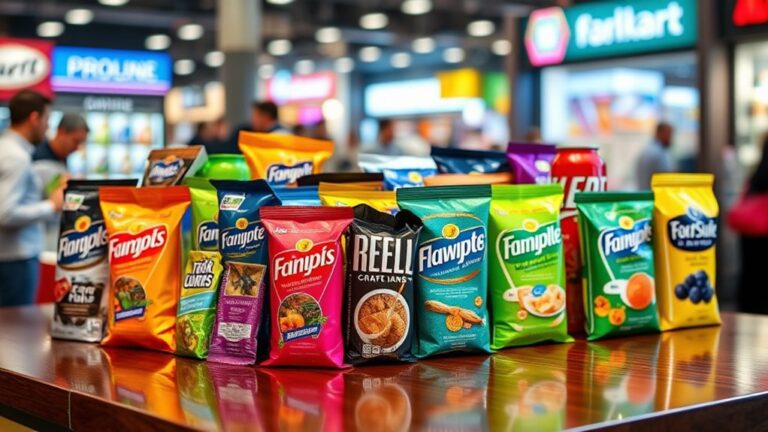
Effective packaging design takes a concept from idea to consumer-facing reality through a deliberate process. It starts with defining a clear design brief, brainstorming, and ideation to generate creative ideas. Understanding the target audience and their needs comes next, followed by concept development and sketching. Material selection, sourcing, and refinement of the design solution are vital steps. Production and manufacturing considerations, brand storytelling, and messaging are also essential. Finally, measuring design success through KPIs and metrics ensures that the packaging design resonates with the target audience. As the design evolves, the possibilities for connection and impact become clear.
Defining the Design Brief
Developing a clear and essential design brief is the vital first step in the packaging design process, as it sets the stage for a successful collaboration between the design team and stakeholders. This critical document outlines the project's objectives, requirements, and expectations, guaranteeing everyone involved is on the same page. A well-crafted design brief provides a solid foundation for the entire project, guiding the design team's efforts and decision-making throughout the process.
A detailed design brief should define the project scope, identifying the specific goals, target audience, and key performance indicators (KPIs). It should also establish a design framework, outlining the creative direction, tone, and visual identity for the packaging design. By doing so, the design team can focus on developing innovative and effective solutions that meet the project's objectives.
A clear design brief also helps to prevent misunderstandings and miscommunications, reducing the risk of costly revisions and delays. It ensures that all stakeholders are aligned on the project's requirements, timelines, and expectations, facilitating a smooth and efficient design process. By investing time and effort into crafting a robust design brief, businesses can set themselves up for success, driving their packaging design projects forward with confidence and precision.
Brainstorming and Ideation
In the brainstorming and ideation phase, designers employ various methods to generate innovative ideas for packaging design. They explore design thinking approaches that encourage creative problem-solving and adopt free thinking exercises to stimulate out-of-the-box ideas. By combining these strategies, designers can develop a wide range of concepts that cater to the target audience's needs and preferences.
Idea Generation Methods
Designers kick-start the packaging design process by employing various idea generation methods, including brainstorming and ideation, to uncover innovative solutions that capture the essence of their brand. These methods help designers think outside the box and explore unconventional ideas that can differentiate their product from competitors. One effective technique is Mind Mapping, which involves visually organizing ideas and concepts to identify relationships and patterns. This allows designers to generate a wealth of ideas quickly and efficiently.
Another approach is Creative Leaps, which involves making bold, intuitive connections between seemingly unrelated concepts. This method encourages designers to think creatively and push the boundaries of what's possible. By combining these idea generation methods, designers can tap into their full creative potential and develop packaging solutions that are both functional and visually stunning. By embracing the power of brainstorming and ideation, designers can create packaging that truly resonates with their target audience and sets their brand apart from the competition.
Design Thinking Approaches
Through a collaborative and iterative process, brainstorming and ideation sessions bring together cross-functional teams to co-create innovative packaging solutions. These design thinking approaches foster a culture of creativity, encouraging wild and ambitious ideas to flow freely. By embracing human empathy, designers can develop a deeper understanding of consumer needs, desires, and pain points, driving design innovation.
In these sessions, no idea is too radical, and no suggestion is dismissed. The goal is to generate a vast array of possibilities, which are then refined and filtered to identify the most promising concepts. Designers, engineers, marketers, and other stakeholders work together to challenge assumptions, ask questions, and explore unconventional solutions. This collective effort leads to breakthroughs in design innovation, as teams uncover novel ways to address consumer needs and preferences. By integrating human empathy into the design process, packaging solutions become more intuitive, user-friendly, and appealing, ultimately driving business success.
Free Thinking Exercises
By embracing the power of free thinking, cross-functional teams can ignite a torrent of innovative ideas, leveraging brainstorming and ideation exercises to push the boundaries of packaging design. This unstructured approach fosters an environment where creativity knows no bounds, and the possibilities are endless. Brainstorming sessions become a hotbed of activity, with team members building upon each other's ideas, challenging assumptions, and exploring unconventional solutions.
Mind Mapping is a powerful tool in this process, allowing teams to visually organize and connect ideas, identify patterns, and uncover hidden relationships. Lateral Thinking exercises, such as "what if" scenarios and reverse brainstorming, encourage teams to think outside the box, challenge the status quo, and develop novel solutions. By embracing free thinking exercises, packaging designers can break free from conventional thinking and create truly innovative designs that captivate consumers and disrupt the market. As the design process unfolds, these exercises lay the groundwork for bold, game-changing ideas that redefine the packaging landscape.
Understanding Target Audience
The target audience's preferences, values, and behaviors must be thoroughly examined to create packaging that resonates with them on a deeper level. This involves conducting a thorough demographic analysis to identify key characteristics such as age, gender, income, and occupation. By doing so, designers can create buyer personas that accurately represent their ideal customer.
- Age: Understanding the age range of the target audience helps designers tailor their packaging to appeal to specific generational preferences.
- Location: Knowing the geographic location of the target audience enables designers to create packaging that resonates with local cultural norms and values.
- Income: Recognizing the income level of the target audience allows designers to create packaging that aligns with their spending habits and budget constraints.
- Values: Identifying the core values of the target audience enables designers to create packaging that speaks to their moral and ethical beliefs.
Concept Development and Sketching
With a solid understanding of the target audience, designers now begin generating concepts that capture the essence of their brand and product, transforming abstract ideas into tangible visuals through loose, iterative sketching. This stage of concept development and sketching is where creative freedom reigns, and designers can let their imagination run wild. They experiment with different shapes, colors, and typography, pushing the boundaries of what's possible.
As they sketch, designers start to establish a visual hierarchy, prioritizing key elements that communicate the brand's message and value proposition. They consider how the packaging will stand out on crowded shelves, how it will be perceived by the target audience, and how it will create an emotional connection. Through rapid prototyping and refinement, designers distill their ideas down to the most impactful and effective concepts.
In this iterative process, designers are free to explore, innovate, and take risks. They're not bound by the constraints of production or budget just yet; their sole focus is on creating something truly remarkable. As they refine their concepts, they're building a foundation for a packaging design that will resonate with their target audience and drive business results. By embracing creative freedom and discipline, designers can craft a visual identity that's both beautiful and effective, setting the stage for a successful product launch.
Material Selection and Sourcing
Selecting the appropriate materials is essential, as they can make or break the packaging design, influencing everything from aesthetics and functionality to sustainability and cost. A well-chosen material can elevate the product's appeal, while a poor choice can lead to disappointed customers and a damaged brand reputation.
When it comes to material selection and sourcing, there are several key factors to consider:
- Eco Friendliness: Are the materials sustainable and environmentally friendly?
- Supply Chain: Are the materials readily available and easily sourced?
- Cost: Are the materials affordable and within budget?
- Functionality: Do the materials meet the necessary functional requirements?
Prototype Design and Testing
As designers move into the prototype design and testing phase, they enter a critical stage of refinement. Here, they'll thoroughly examine and adjust their designs, creating multiple iterations to test and refine their concepts. Through this process, they'll iterate and optimize their designs, ensuring they're both functional and visually appealing.
Design Refining Process
Designers typically iterate through multiple prototype designs, testing and refining each one to guarantee the packaging meets the target audience's needs and preferences. This design refining process is vital in ensuring the final product stands out on store shelves and resonates with consumers. Through design iterations, designers gather feedback from stakeholders, conduct user testing, and analyze market trends to identify areas for improvement.
Here are the key aspects of the design refining process:
- Feedback Loops: Encouraging open communication with stakeholders to gather insights and concerns.
- Design Iterations: Refining the design based on feedback, user testing, and market analysis.
- Prototype Testing: Validating design assumptions through usability testing and consumer feedback.
- Data-Driven Decisions: Making informed design decisions based on data and analytics.
Test and Refine Prototypes
With the design refining process well underway, they turn their attention to creating and testing multiple prototypes, each one a tangible representation of their evolving design concept. This phase is pivotal in identifying potential flaws and areas for improvement. Through prototype iterations, they refine their design, making adjustments based on performance, aesthetics, and functionality. Failure analysis is a key aspect of this process, as it allows them to pinpoint weaknesses and optimize their design accordingly. By simulating real-world scenarios, they can assess the prototype's durability, usability, and overall effectiveness. This rigorous testing process enables them to identify and address potential issues before moving forward, ensuring that the final product meets the desired standards. Through this iterative process, they can confidently refine their design, making it more efficient, cost-effective, and appealing to the target audience. By testing and refining prototypes, they can create a packaging design that truly resonates with consumers.
Iterate and Optimize Designs
They immerse themselves in the iterative process of prototype design and testing, fine-tuning every element to guarantee the packaging design meets the target audience's needs and expectations. This critical phase involves multiple design iterations, each one building upon the previous version, refining the design until it's perfect.
To confirm the design is on track, they monitor key performance metrics, such as:
- User engagement: How users interact with the packaging, and whether it grabs their attention.
- Conversion rates: Whether the packaging design successfully converts browsers into buyers.
- Customer satisfaction: How satisfied customers are with the packaging, and whether it meets their needs.
- Return on investment (ROI): Whether the packaging design justifies the investment, and yields a tangible return.
Refining the Design Solution
By iterating on the initial concept, the packaging design solution begins to take shape, incorporating feedback from stakeholders and addressing any usability concerns. This refining process is vital in guaranteeing the design meets the project’s objectives and resonates with the target audience. Through design evolution, the solution is fine-tuned, and any imperfections are ironed out. As a result, the final product not only aligns with brand identity but also enhances the overall user experience. By exploring unique packaging concepts, designers can create visually appealing and functional solutions that stand out in a competitive market. This attention to detail ensures that the packaging is both practical and memorable, leaving a lasting impression on consumers.
| Design Element | Refinement Considerations |
|---|---|
| Color Palette | Ensure aesthetic balance by selecting colors that evoke the desired emotions and align with the brand's identity. |
| Typography | Choose typography that is legible, consistent, and reflects the brand's tone. |
| Imagery | Select imagery that effectively communicates the product's benefits and resonates with the target audience. |
During this stage, the design team must strike an aesthetic balance between creativity and functionality. The solution must be visually appealing, yet still effectively communicate the product's value proposition. By considering the design elements outlined in the table above, the team can create a cohesive and compelling design that drives consumer engagement. As the design solution takes shape, it's essential to continue gathering feedback from stakeholders and making iterative improvements. This rigorous refinement process ensures the final design solution is both effective and impactful, ultimately driving business results.
Production and Manufacturing Considerations
When moving from design to production, designers must consider the practicalities of bringing their packaging to life. They need to think about the materials that will be used, the time and budget constraints that must be met, and the production methods that will guarantee efficiency. By carefully weighing these factors, designers can create packaging that is both functional and cost-effective.
Material Selection Criteria
Designers carefully weigh production and manufacturing considerations, scrutinizing factors like cost, sustainability, and scalability to determine the most suitable materials for their packaging designs. This critical step guarantees that the final product not only looks appealing but also meets the required standards for production and distribution.
When selecting materials, designers consider the following key criteria:
- Sustainable materials: Are the materials eco-friendly and environmentally responsible?
- Luxury feel: Does the material convey a sense of premium quality and sophistication?
- Durability: Can the material withstand the rigors of shipping and handling?
- Brand consistency: Does the material align with the brand's overall image and messaging?
Cost and Time Constraints
Production timelines and budgets are critical factors that packaging designers must navigate, as they reconcile creative vision with the harsh realities of manufacturing and production costs. The pressure to meet deadlines and stay within budget can be overwhelming, and even small missteps can lead to Budget Overruns and Scheduling Nightmares.
| Challenge | Consequence |
|---|---|
| Unrealistic timelines | Rushed production, increased errors |
| Inadequate budgeting | Costly redesigns, compromised quality |
| Inefficient manufacturing processes | Delays, wasted resources |
| Insufficient supplier communication | Misunderstandings, failed deliveries |
To avoid these pitfalls, designers must carefully balance their creative vision with the constraints of production. This requires a deep understanding of manufacturing processes, material costs, and supplier capabilities. By prioritizing feasibility and pragmatism, designers can create packaging solutions that are both visually stunning and economically viable. By doing so, they can make sure that their designs make it to market on time, within budget, and with the quality that consumers expect.
Efficient Production Methods
By streamlining production methods, packaging designers can overcome the cost and time constraints that often hinder their creative vision, ensuring that their designs make it to market efficiently and effectively. This is particularly important in today's fast-paced consumer goods industry, where speed and agility are key to staying ahead of the competition.
To achieve efficient production, designers can implement the following strategies:
- Optimize the supply chain: By streamlining logistics and reducing transportation costs, designers can get their products to market faster and at a lower cost.
- Implement lean manufacturing principles: Eliminating waste and maximizing efficiency in the production process can help designers reduce costs and increase output.
- Invest in automation: Automating certain aspects of production can help designers increase speed and accuracy, while reducing labor costs.
- Use data-driven design: By using data and analytics to inform design decisions, designers can create packaging that is optimized for production and reduces waste.
Brand Storytelling and Messaging
As consumers increasingly seek emotional connections with the products they buy, brands must craft compelling narratives that resonate with their target audience. A well-crafted brand story has the power to create a lasting emotional connection, driving customer loyalty and advocacy. This is particularly vital for brands looking to establish a strong brand legacy, as a consistent narrative helps to build trust and credibility over time.
Effective brand storytelling involves more than just listing product features or benefits. It's about tapping into the values, desires, and aspirations of the target audience, and communicating how the brand can help them achieve their goals. By doing so, brands can create a sense of belonging and community, fostering a deeper connection with their customers. For instance, a brand that promotes eco-friendliness can appeal to customers who share similar values, creating a loyal following.
Consistent messaging across all touchpoints is essential in reinforcing the brand narrative. From packaging design to advertising and social media, every interaction with the brand should communicate the same core message. By doing so, brands can create a cohesive and recognizable identity, making it easier for customers to connect with them on an emotional level. Ultimately, a well-crafted brand story has the power to drive business results, increase customer loyalty, and establish a lasting brand legacy.
Measuring Design Success
Designers and brand managers must evaluate the effectiveness of their packaging design in resonating with the target audience and driving business results, which requires establishing clear metrics to measure design success. To gauge the impact of their design, they need to track key performance indicators (KPIs) that reveal whether their packaging is meeting its objectives.
Here are 4 essential design metrics to measure success:
- Sales Lift: Does the new packaging design lead to an increase in sales?
- Brand Recognition: Is the packaging effectively communicating the brand's identity and values?
- Customer Engagement: Are customers interacting with the packaging, sharing it on social media, or providing feedback?
- Competitive Advantage: Does the packaging stand out on store shelves, differentiating the brand from competitors?
Frequently Asked Questions
What Is the Ideal Ratio of Packaging Cost to Product Cost?
She understands that the ideal ratio of packaging cost to product cost is a delicate balance. It's a make-or-break factor in Cost Savings and Profit Margins. Generally, a 10:1 or 15:1 ratio is considered the most advantageous, where packaging costs are 10% or 15% of the product's cost. This sweet spot guarantees that products remain competitive while maintaining healthy Profit Margins. However, this ratio may vary depending on the industry, product, and target market, requiring careful consideration to maximize Cost Savings and profitability.
How Do I Ensure Design Consistency Across Product Lines?
As she weaves a tapestry of brand unity, she knows that consistency is crucial. To maintain design consistency across product lines, she establishes a visual hierarchy, where every element, from typography to color palette, sings in harmony. By creating a style guide, she anchors her design decisions, guaranteeing a cohesive look that resonates with her audience. With every product, her brand's narrative unfolds, a symphony of visual storytelling that leaves a lasting impression.
Can I Reuse Packaging Designs for Different Products?
She can definitely reuse packaging designs for different products, but it's vital to guarantee the design still aligns with the brand's identity. Reusing designs can streamline production and reinforce brand recognition, but it's essential to contemplate the design's evolution across product lines. By doing so, she can strike a balance between consistency and differentiation, ultimately strengthening her brand's overall presence.
What Are the Most Common Packaging Design Mistakes to Avoid?
When crafting packaging designs, she avoids two common pitfalls. To begin with, design overthinking, where complexity overshadows the product's essence, can confuse consumers and dilute the brand message. Additionally, brand misalignment, where packaging fails to reflect the brand's personality, can erode trust and loyalty. By sidestepping these mistakes, she creates packaging that effectively communicates the product's value and resonates with her target audience.
How Do I Balance Functional With Aesthetically Pleasing Design?
When crafting a product's visual identity, she guarantees design harmony by balancing form and function. Take, for example, the sleek, minimalist design of Apple's iPhone packaging, which exudes luxury while prioritizing user experience. To achieve this balance, she considers the product's purpose, target audience, and brand identity. By doing so, she creates aesthetically pleasing designs that not only capture attention but also provide a seamless user experience, ultimately driving brand loyalty and customer satisfaction.