You’re witnessing the evolution of packaging design trends, which have transformed remarkably over time. You’ll see how ancient civilizations used clay pots and wooden crates, whereas the industrial era focused on efficiency and simplicity. Now, you’re experiencing a shift in the direction of modern, eco-friendly, and technologically advanced designs. You’re additionally noticing cultural influences and digital innovations shaping the industry. As you explore further, you’ll discover how these trends continue to shape the future of packaging design, revealing new and exciting developments that are changing the way you interact with products. One of the most striking aspects of this transformation is the rise of innovative packaging trends 2023, which prioritize sustainability and user experience. Brands are now embracing materials that minimize environmental impact while still appealing to consumers’ desire for aesthetic and functional design. Moreover, advancements in augmented reality and smart packaging are providing interactive experiences that engage customers in unprecedented ways, fundamentally altering their relationship with the products they purchase.
Early Packaging Design
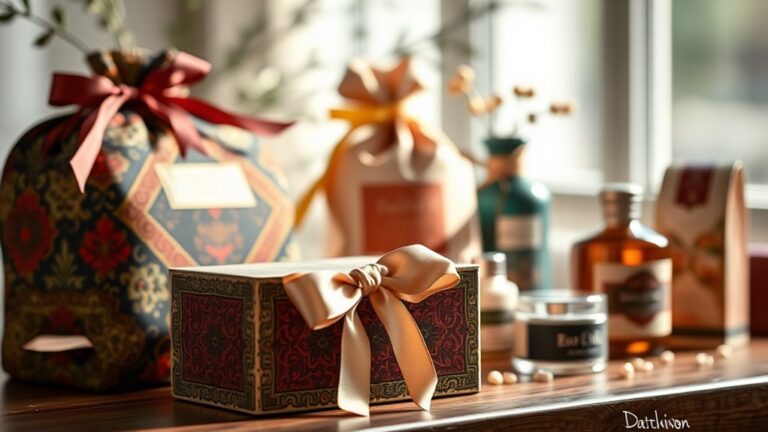
As you investigate the domain of packaging design, you'll find that early packaging design laid the groundwork for the innovative solutions we see today. It's fascinating to note that ancient containers, such as clay pots and wooden crates, were the precursors to modern packaging. These early containers weren't just functional; they included decorative elements that reflected the culture and craftsmanship of their time. You'll notice that these decorative elements, like intricate carvings and symbolic patterns, added an extra layer of meaning and value to the products they held.
As you probe deeper into early packaging design, you'll discover that it was heavily influenced by the materials and technologies available at the time. Ancient civilizations, for instance, used natural materials like papyrus, bamboo, and silk to create packaging that was both durable and aesthetically pleasing. You'll see that these early designs included symbolic and mythological themes, which helped to convey the product's value and significance. By studying these ancient designs, you'll gain a deeper comprehension of how early packaging design paved the way for the creative and innovative solutions we see today. You'll appreciate how ancient containers and decorative elements have evolved over time, influencing the development of modern packaging design.
Industrial Era Designs
You're entering an era where packaging design is driven by mass production, which simplifies the design process. As you explore Industrial Era Designs, you'll notice that simple boxes become a staple, and it's due to the fact that they're easy to produce and distribute. You'll see that manufacturers prioritize functionality over aesthetics, using simple boxes to package their products quickly and efficiently.
Mass Production
Mass production, fueled by emerging technologies during the Industrial Era, transformed packaging design by enabling companies to produce uniform, affordable products on a large scale. You're now witnessing the impact of mass production techniques on consumer behavior, as companies adapt to changing demands. As you explore this era, you'll notice how mass production techniques influenced packaging design.
- Mass production enabled the creation of standardized packaging
- Companies could produce more products with less labor
- Packaging became more affordable and accessible to consumers
- Designers could focus on creating innovative packaging that stood out on store shelves. You're seeing how mass production techniques drove innovation in packaging design, allowing companies to respond to changing consumer behavior. By leveraging these techniques, companies could produce high-quality products at lower costs, making them more competitive in the market. This shift enabled companies to focus on design and innovation, rather than just production.
Simple Boxes
Companies that mastered mass production techniques now focus on packaging design, and simple boxes become a staple of Industrial Era designs. You'll notice that these boxes prioritize functionality, with clean lines and minimal ornamentation. This shift in direction towards minimalist aesthetics reflects the era's emphasis on efficiency and practicality. As you explore the realm of Industrial Era packaging, you'll see that simple boxes dominate the scenery, with their straightforward designs and lack of frills.
You're likely to appreciate the functional designs that characterize these boxes, which are optimized for storage, transportation, and display. The focus on functionality means that every element of the box serves a purpose, from the sturdy materials to the clever folding mechanisms. By embracing minimalist aesthetics and functional designs, simple boxes have become an iconic symbol of Industrial Era packaging. You can see how this approach has influenced modern packaging design, with its emphasis on simplicity, sustainability, and user experience.
Modern Sustainable Trends
The push for eco-friendly packaging has driven modern sustainable trends, and it's changing how you design your products' packaging. You're now considering the environmental impact of your packaging, and that's a great thing. As you endeavor to reduce your carbon footprint, you're exploring biodegradable materials that can easily decompose and do not harm the environment. This shift in the direction of sustainability is not just good for the planet, but it's likewise a great way to appeal to eco-conscious consumers.
You're embracing minimalist aesthetics, which is a key aspect of modern sustainable trends. By using simple, clean designs, you're reducing waste and creating a more efficient packaging process. Some of the ways you can incorporate sustainability into your packaging design include:
- Using recycled materials to reduce waste
- Designing packaging that's reusable or refillable
- Creating packaging that's biodegradable or compostable
- Minimizing packaging size to reduce material usage
As you adopt these sustainable practices, you're not just helping the environment, but you're likewise enhancing your brand's reputation. Consumers are more likely to choose products with eco-friendly packaging, so it's a win-win situation. By prioritizing sustainability and minimalist aesthetics, you're creating a better future for your brand and the planet. You're taking an essential step in the direction of reducing waste and promoting a more environmentally friendly packaging design process.
Digital Age Influence
You're now extending your focus beyond eco-friendly packaging to explore how technology is shaping your design process. As you investigate the digital age, you're discovering new ways to improve your packaging design through digital branding. This involves creating a unique online presence that complements your physical packaging, making your brand more recognizable and appealing to customers.
| Technology | Application |
|---|---|
| Virtual Reality | Immersive product experiences |
| Augmented Reality | Interactive packaging designs |
| 3D Modeling | Precise packaging prototypes |
You're using virtual reality to create immersive experiences that allow customers to interact with your products in a virtual environment. This technology enables you to showcase your products in a more engaging and memorable way, increasing the chances of conversion. By leveraging digital branding and virtual reality, you're able to create a cohesive and innovative packaging design that sets you apart from competitors. As you continue to explore the digital age, you're finding new opportunities to push the boundaries of packaging design and create a truly unique brand identity. Your focus on innovation and technology is driving your design process, enabling you to create packaging that's not just visually striking but also interactive and immersive.
Cultural Design Factors
How do cultural nuances impact your packaging design process? You're likely considering the diverse backgrounds and preferences of your target audience. Cultural design factors play a significant role in shaping your packaging's design aesthetics, as you endeavor to create a visual identity that resonates with your customers. You must be aware of the cultural symbolism associated with different colors, symbols, and imagery to avoid unintentionally offending or alienating potential customers.
As you explore cultural design factors, you'll encounter various elements that influence your packaging design. Some key considerations include:
- Cultural associations with specific colors, such as red symbolizing good luck in some cultures
- Symbolism and imagery that may be perceived as offensive or insensitive
- Local preferences for packaging materials and textures
- Regional differences in design aesthetics, such as minimalist vs. ornate styles
You must balance these cultural design factors with your brand's overall visual identity and messaging. By doing so, you can create packaging that appeals to your target audience while reflecting your brand's values and personality. Effective incorporation of cultural symbolism and design aesthetics can help you stand out in a crowded market and build a loyal customer base. You should prioritize cultural sensitivity and awareness in your packaging design process to guarantee your brand is well-received globally.
Ecommerce Packaging Shift
Cultural nuances play a significant role in packaging design, but they're just one factor to contemplate. As you navigate the realm of ecommerce, you'll notice a significant shift in packaging design trends. You're no longer just selling a product, you're selling an experience. Subscription boxes have become incredibly popular, and it's not just about the products inside. You're creating an unboxing experience that'll leave a lasting impression on your customers. You want them to feel like they're unwrapping a gift, not just a package.
You're looking for ways to make your packaging stand out, and that's where innovation comes in. You can use custom packaging, colorful inserts, and personalized notes to create a unique unboxing experience. You're not just competing with other products, you're competing with the experience itself. Subscription boxes have raised the bar, and you need to meet those expectations. As you design your packaging, you should consider the emotional connection you want to create with your customers. You want them to feel excited, surprised, and delighted when they open their package. By focusing on the unboxing experience, you can build brand loyalty and create a memorable experience that'll keep customers coming back. You're crafting a story, and the packaging is just the beginning.
Future Design Innovations
You're about to explore the latest advancements in packaging design, and it's clear that new materials will play a significant role in shaping the industry's future. As you consider the possibilities, you'll notice that smart labels are becoming increasingly important, enabling you to track and interact with products in innovative ways. You'll additionally discover that eco designs are gaining traction, and it's up to you to decide how to balance functionality with sustainability using these emerging trends.
New Materials
As designers push the boundaries of packaging innovation, they're exploring new materials that prioritize sustainability and functionality. You're likely to see a shift in the direction of biodegradable plastics, innovative textiles, and recycled materials that reduce minimal waste. These materials will be used to create multifunctional designs that are both functional and visually appealing.
You'll have access to a range of innovative materials, including:
- Edible packaging that's compostable and sustainable
- 3D printing technologies that enable lightweight solutions
- Smart materials that respond to environmental changes
- Recycled materials that promote sustainable sourcing
As you consider new materials, you'll need to think about how they can be used to create packaging that's both functional and sustainable. By leveraging these innovative materials, you can reduce waste, promote sustainability, and create packaging that's truly innovative. With sustainable sourcing and minimal waste in mind, you can create packaging that's not just functional but also environmentally friendly, making it a great option for those who prioritize the planet's well-being.
Smart Labels
Frequently, designers incorporate smart labels into their packaging designs, and it's becoming increasingly common to see them used in conjunction with new materials. You're likely to see smart labels that utilize smart technology to improve the user experience. These labels can provide you with detailed information about the product, such as ingredients, instructions, or nutritional facts. They can as well include interactive features like QR codes or NFC tags that allow you to access additional content, such as videos or websites.
As you explore smart labels, you'll notice they can be highly interactive, enabling you to engage with the product in new and innovative ways. You can use your smartphone to scan a code and access exclusive content, promotions, or rewards. Smart labels are revolutionizing the way you interact with packaging, making it more dynamic and engaging. By leveraging smart technology, designers can create packaging that's not just functional but also entertaining and informative, providing you with a unique experience that sets the product apart from others.
Eco Designs
Smart labels' ability to improve user experience is undeniable, but it's just one aspect of the broader packaging design environment. You're likely looking for more innovative solutions that prioritize the planet's well-being. That's where eco designs come in, focusing on sustainable materials and minimalistic aesthetics.
As you explore eco-friendly packaging options, consider the following:
- Using biodegradable materials that reduce waste
- Designing refillable containers to minimize single-use packaging
- Incorporating recycled materials into your packaging
- Optimizing packaging size to reduce material usage and lower carbon footprint
You can create a positive impact on the environment by adopting these strategies. Eco designs are not merely a trend, they're a necessary step in the direction of a more sustainable future. By choosing sustainable materials and embracing minimalistic aesthetics, you're contributing to a larger movement that values the health of our planet. You'll not just reduce your brand's environmental footprint but likewise appeal to the growing number of consumers who prioritize eco-friendliness.
Frequently Asked Questions
What Is Packaging Design?
You're looking for a definition of packaging design. It's about creating creative solutions that reflect a brand's visual identity. You're designing an experience that grabs attention, conveys values, and builds loyalty. You're crafting a unique look that sets a product apart, making it memorable and desirable, and you're doing it with innovative style and flair that resonates with customers.
Who Designs Packaging?
You're wondering who designs packaging? You'll find creative experts, like graphic designers, taking on designer roles. They draw design inspiration from various sources, crafting innovative packs that stand out. You'll see designers collaborating with brands, combining art and functionality to create unique designs that capture attention and drive sales. They're shaping the future of packaging.
Is Packaging Design Important?
Like a master painter, you're crafting a brand's image. You know packaging design is essential, as it influences consumer behavior and sustainability impact. It's not just about looks; it's about conveying values. You're shaping perceptions, driving sales, and reducing waste, all with innovative design that resonates with eco-conscious consumers, don't you think it's a game-changer?
What Is Packaging Material?
You're looking for packaging material that's innovative. You're considering sustainable materials and biodegradable options, which is great. You're opting for eco-friendly choices, like plant-based packaging or recycled materials, that reduce waste and minimize environmental impact. You're making a positive change by choosing materials that are better for the planet.
Why Is Packaging Colorful?
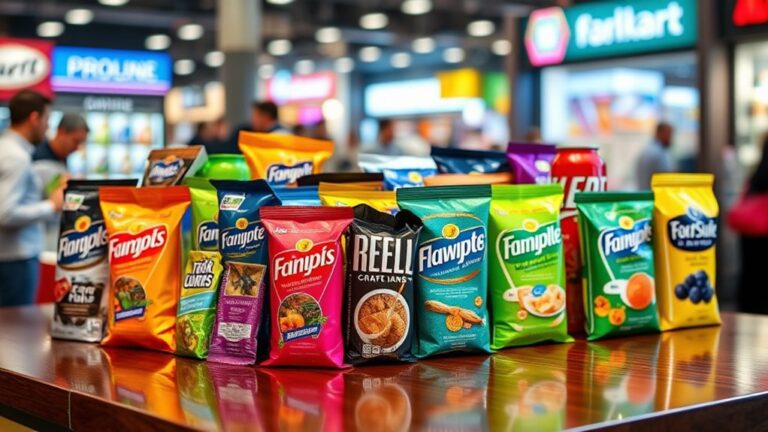
You notice packaging is lively as it grabs your attention. You're drawn to it owing to color psychology, which boosts marketing appeal. Companies use vivid hues to evoke emotions, making you more likely to buy their products. You're attracted to the visual appeal, and it influences your purchasing decisions, don't you think it's clever?