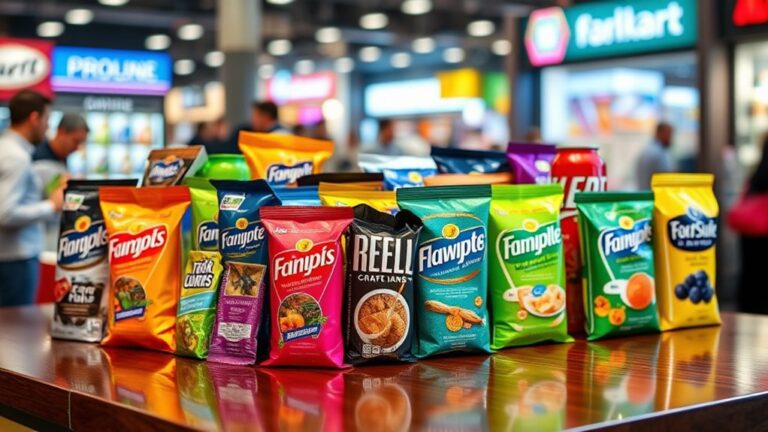
As consumers increasingly demand sustainable products, companies are revolutionizing their packaging design strategies. By 2025, the global eco-friendly packaging market is expected to reach $327.6 billion. Sustainable materials are taking center stage, with companies opting for renewable, recyclable, or biodegradable options. Biodegradable packaging is on the rise, made from natural resources like cornstarch or sugarcane. Cutting-edge tech is eliminating waste, and designers are shifting focus to reusable and recyclable solutions. Minimalist packaging is also gaining traction, conveying brand values through clean design. As the industry continues to evolve, companies that stay ahead of the curve will reap the benefits of innovation.
Sustainable Materials Take Center Stage
As the world shifts towards a more environmentally conscious era, sustainable materials are taking center stage in eco-friendly packaging design. This shift is driven by consumers' growing demand for environmentally responsible products, and companies are responding by reevaluating their material sourcing strategies.
Material sourcing is a critical aspect of eco-friendly packaging design, as it directly impacts the environmental footprint of a product. Companies are now opting for sustainable materials that are renewable, recyclable, or biodegradable. This change requires a thorough examination of supply chains to confirm that materials are sourced from responsible suppliers who adhere to environmentally friendly practices.
Innovative companies are going a step further by implementing circular economy principles in their material sourcing strategies. This involves designing packaging that can be reused, recycled, or upcycled, reducing waste and the continuous demand for new raw materials. By doing so, companies can decrease their environmental impact while also reducing costs associated with material sourcing.
The emphasis on sustainable materials is also driving innovation in packaging design. Companies are exploring new materials and technologies that can replace traditional plastics and other non-biodegradable materials. As consumers continue to demand more environmentally responsible products, companies that prioritize sustainable materials will be well-positioned to lead the charge in eco-friendly packaging design.
Biodegradable Packaging on the Rise
Companies are now turning to biodegradable packaging as a solution, driven by consumer demand for sustainable products and the need to reduce plastic waste. This shift is imperative, as traditional packaging materials contribute greatly to the staggering amounts of plastic waste in landfills and oceans. Biodegradable packaging, made from natural resources such as cornstarch, sugarcane, or potato starch, offers a promising alternative. These materials are compostable, non-toxic, and reduce greenhouse gas emissions.
Food safety is a top priority, and biodegradable packaging guarantees that products remain fresh and secure throughout the supply chain. Companies can maintain consumer trust by adopting eco-friendly packaging solutions that meet stringent food safety standards. In fact, many biodegradable packaging options are certified by regulatory bodies, providing an added layer of assurance.
As consumers become increasingly environmentally conscious, biodegradable packaging helps companies build trust and credibility. By switching to sustainable packaging, brands can differentiate themselves from competitors and appeal to the growing demographic of eco-aware consumers. Additionally, biodegradable packaging can reduce waste management costs and minimize the environmental footprint of a company's operations. With its numerous benefits, biodegradable packaging is poised to revolutionize the way companies package and deliver their products, ultimately contributing to a more sustainable future.
Cutting-Edge Tech Eliminates Waste
Advanced technologies, such as machine learning and robotics, are transforming the packaging industry by identifying and eliminating waste at every stage of production. These cutting-edge innovations are streamlining processes, reducing material usage, and minimizing environmental impact. One notable application is in the development of Edible Inks, which replace traditional printing inks with sustainable, food-grade alternatives. This breakthrough enables companies to greatly reduce waste and create more eco-friendly packaging solutions.
Smart Labels are another game-changer in the industry. These intelligent labels can track product lifecycle, monitor inventory, and optimize supply chain logistics in real-time. By leveraging IoT technology and data analytics, companies can identify areas of inefficiency and make data-driven decisions to reduce waste and improve sustainability. Additionally, Smart Labels can provide consumers with valuable product information, such as origin, ingredients, and nutritional content, empowering them to make informed choices.
The integration of machine learning and robotics is also revolutionizing packaging design. AI-powered algorithms can analyze consumer behavior, product usage, and waste patterns to optimize packaging design and minimize environmental impact. Robots, equipped with computer vision and machine learning capabilities, can efficiently sort, package, and ship products, reducing labor costs and minimizing waste. As the packaging industry continues to adopt these cutting-edge technologies, it's clear that the future of eco-friendly packaging design is bright – and waste-free.
Designing for Reuse and Recycling
Designers are now shifting their focus to creating reusable and recyclable packaging solutions that minimize waste and reduce environmental harm. This shift in focus is driven by the need to extend product longevity, reducing the frequency of replacements and ultimately, waste generation. By designing packaging with reuse and recycling in mind, companies can greatly reduce their environmental footprint and appeal to the growing demographic of eco-conscious consumers.
To achieve this, designers must navigate design constraints that prioritize functionality, durability, and sustainability. For instance, they must select materials that are easily recyclable, biodegradable, or sourced from renewable resources. They must also consider the packaging's end-of-life cycle, ensuring that it can be easily disassembled, repurposed, or recycled.
Effective reuse and recycling design requires a deep understanding of the entire product lifecycle, from raw material sourcing to end-of-life disposal. By taking a holistic approach, designers can create packaging solutions that not only reduce waste but also provide a competitive edge in the market. As consumers become increasingly environmentally conscious, companies that prioritize sustainable packaging design will be well-positioned to reap the benefits of a loyal customer base and improved brand reputation. By embracing the principles of reuse and recycling, designers can create a more circular and sustainable future for the packaging industry.
The Shift to Minimalist Packaging
By stripping away excess materials and embellishments, product manufacturers are turning to minimalist packaging as a way to reduce waste, cut costs, and appeal to consumers who value simplicity and sustainability. This shift towards minimalism is not only environmentally friendly but also allows brands to reconnect with their customers on a deeper level. Minimalist packaging tells a visual story, conveying a brand's values and personality through clean design and subtle messaging. This approach creates an emotional connection with consumers, who are drawn to authenticity and honesty.
In a world where consumers are increasingly skeptical of overt marketing tactics, minimalist packaging offers a revitalizing alternative. By stripping away the noise, brands can communicate their message more effectively, creating a sense of intimacy and trust with their audience. Minimalist packaging allows products to take center stage, highlighting their quality and features rather than relying on flashy packaging to grab attention. As consumers become more eco-conscious, they're looking for brands that share their values and are willing to make a commitment to sustainability. By adopting minimalist packaging, brands can demonstrate their commitment to the environment and build a loyal customer base in the process. By doing so, they're not only reducing waste but also building a stronger emotional connection with their customers.
Closed-Loop Systems Gain Momentum
As consumers increasingly expect brands to take responsibility for their environmental impact, companies are turning to closed-loop systems, where products are designed to be recycled and reused, reducing waste and the continuous demand for new raw materials. This shift is driven by the need to minimize waste, reduce carbon footprint, and optimize resource usage. Closed-loop systems require significant infrastructure investment, but they offer long-term benefits, including reduced production costs and enhanced brand reputation.
| Benefits | Challenges | Opportunities |
|---|---|---|
| Reduced waste and costs | High upfront investment | Generate new revenue streams through recycling |
| Enhanced brand reputation | Complex supply chain management | Increased customer loyalty |
| Compliance with regulations | Technical difficulties in recycling | Competitive advantage through innovation |
Companies are rethinking their supply chain to accommodate closed-loop systems. This involves designing products with recyclable materials, implementing take-back programs, and partnering with recyclers to close the loop. While there are challenges to overcome, the opportunities are vast. Closed-loop systems can generate new revenue streams, increase customer loyalty, and provide a competitive advantage through innovation. As companies continue to invest in infrastructure and develop new technologies, we can expect to see significant growth in the adoption of closed-loop systems, leading to a more circular and sustainable economy.
Frequently Asked Questions
How Do Eco-Friendly Packaging Designs Impact Consumer Purchasing Decisions?
She finds that eco-friendly packaging designs have a notable impact on consumer purchasing decisions. By opting for sustainable materials, brands demonstrate a commitment to the environment, fostering brand loyalty among the growing demographic of eco-conscious consumers. Additionally, visually appealing eco-friendly packaging stands out on shelves, grabbing attention and driving sales. As consumers increasingly prioritize the planet, companies that adapt their packaging to meet this demand reap the benefits of increased brand loyalty and sales. Moreover, the integration of sustainable design principles not only enhances the aesthetic appeal of products but also communicates a brand’s forward-thinking values. As consumers become more informed about environmental issues, they are more likely to support brands that align with their beliefs, making sustainable choices a powerful marketing tool. Ultimately, by embracing eco-friendly packaging, companies not only contribute to a healthier planet but also position themselves as leaders in a competitive market.
Can Sustainable Packaging Increase a Company's Profit Margins?
Like a golden goose, sustainable packaging can lay eggs of profit for companies. By adopting eco-friendly practices, businesses can reduce waste, lower material costs, and reap cost savings. Additionally, sustainable packaging fosters brand loyalty as environmentally-conscious consumers reward responsible brands with repeat business. As companies invest in the planet's future, they'll find their bottom line flourishing like green shoots in spring.
What Role Do Governments Play in Regulating Eco-Friendly Packaging?
Governments play a significant role in driving eco-friendly packaging adoption by establishing and enforcing robust policy frameworks. They actively shape the regulatory landscape, implementing measures that encourage sustainable practices. Effective policy enforcement guarantees companies comply with regulations, driving innovation and reducing waste. A well-designed regulatory framework provides clear guidelines, incentivizing businesses to prioritize eco-friendly packaging and driving growth while minimizing environmental impact.
How Can Small Businesses Afford Eco-Friendly Packaging Options?
Like a small spark igniting a wildfire, small businesses can fuel their eco-friendly packaging journey despite budget constraints. They can't afford to be laggards, but cost savings can be achieved through resource sharing and collaboration. By partnering with like-minded businesses, they can split the costs of sustainable packaging solutions, making them more accessible and affordable. This strategic approach enables small businesses to level the playing field, staying competitive while doing their part for the planet.
Will Biodegradable Packaging Replace Traditional Plastic Packaging Entirely?
Will biodegradable packaging replace traditional plastic packaging entirely? It's unlikely, despite growing demand. Compostability concerns and material limitations hinder widespread adoption. Biodegradable materials often can't match the durability and shelf life of traditional plastics, making them less appealing to manufacturers. While eco-friendly options gain traction, a complete replacement is unrealistic in the near future.