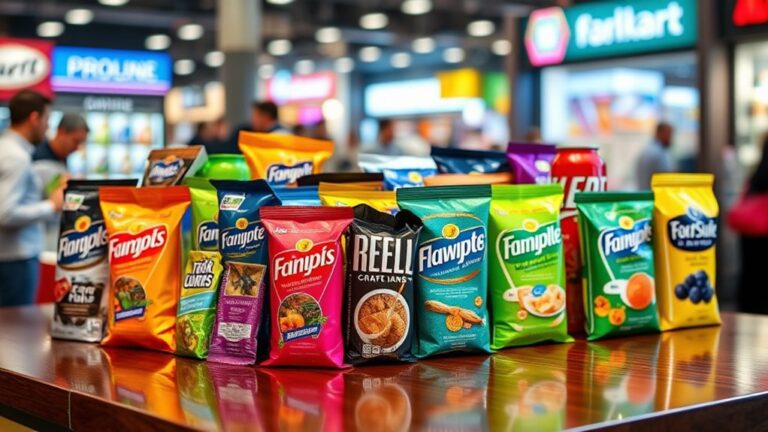
Digital printing has transformed the packaging design industry, offering brands unprecedented opportunities for customization, speed, and cost savings. With digital printing, companies can tailor messages to specific audiences, products, or regions, crafting unique experiences that resonate with targeted demographics. Products reach store shelves up to 50% faster, allowing for quick testing and refinement of designs. Brands can redirect resources to product development and innovation, enjoying significant cost savings and improved productivity. And with dynamic packaging solutions, they can adapt to individual needs and preferences. The possibilities are endless, and the benefits are just beginning to unfold.
Customization Opportunities Abound
With digital printing, packaging designers can now customize their designs to specific audiences, products, or regions, opening up a vast array of customization opportunities that were previously impractical or cost-prohibitive with traditional printing methods. This newfound flexibility allows designers to craft unique messages that resonate with targeted demographics, increasing brand relevance and loyalty. For instance, a company can create region-specific packaging that caters to local tastes, cultural nuances, or language preferences, thereby enhancing its appeal in diverse markets.
Regional variations, in particular, have become a key differentiator in the packaging design landscape. Digital printing enables brands to tailor their packaging to specific geographic areas, taking into account factors such as climate, regulatory requirements, and consumer preferences. This level of customization not only boosts brand visibility but also helps companies to adapt quickly to changing market conditions. Furthermore, digital printing eliminates the need for large print runs, making it economically viable to produce small batches of customized packaging. This, in turn, enables designers to experiment with innovative ideas, iterate quickly, and refine their designs based on real-time feedback. As a result, packaging design has become a powerful tool for brands to connect with their audiences, build loyalty, and drive business growth.
Increased Speed to Market
With digital printing, designers can now shorten their product development cycles and get their packaging to market faster. This increased speed is largely due to rapid prototyping capabilities, which enable them to test and refine their designs quickly. Flexible production schedules also play a key role, allowing for just-in-time production and reduced lead times.
Rapid Prototyping Capabilities
Digital printing's rapid prototyping capabilities enable brands to drastically reduce their time-to-market, getting products on store shelves up to 50% faster than traditional printing methods. This accelerated pace allows companies to quickly test and refine their designs, streamlining the development process and getting products to market faster. With digital printing, brands can seamlessly iterate on design concepts, making adjustments and improvements in real-time. This reduces the risk of launching a flawed or ineffective design, saving time, money, and resources in the long run. Additionally, rapid prototyping enables companies to mitigate risk by testing and refining designs before investing in large production runs. By leveraging digital printing's rapid prototyping capabilities, brands can confidently bring innovative and effective packaging designs to market, ahead of the competition. This accelerated pace of innovation gives companies a significant competitive edge, allowing them to stay ahead of the curve and drive business growth.
Flexible Production Schedules
By allowing for flexible production schedules, companies can now respond swiftly to changing market trends and customer preferences, getting their products to market up to 70% faster than with traditional printing methods. This agility is vital in today's fast-paced market, where adaptability is key to staying ahead of the competition. With digital printing, production planning can be adjusted on the fly, enabling companies to quickly pivot in response to shifting demand or unexpected disruptions in the supply chain. This means that companies can now launch new products, promotions, or limited-edition packaging in a fraction of the time, giving them a significant competitive edge. Additionally, digital printing enables companies to produce small batches or even one-off prints, reducing waste and minimizing inventory risks. By streamlining their production processes, companies can focus on what matters most – delivering high-quality products to their customers quickly and efficiently. With flexible production schedules, the possibilities for innovation and growth are endless.
Cost Savings and Efficiency
They're now exploring how digital printing's cost savings and efficiency benefits can revolutionize packaging design. By reducing material waste and streamlining the production process, companies can greatly cut costs and optimize their operations. This means they can allocate more resources to innovation and growth, rather than wasting them on inefficient practices.
Reduced Material Waste
Moreover, packaging designers can greatly reduce waste and cut costs by optimizing their designs to fit more efficiently onto printing sheets. This approach enables them to minimize the amount of excess material used, resulting in significant cost savings. Digital printing technology facilitates this process by allowing for precise control over the printing process, ensuring that every sheet is utilized to its maximum potential. By adopting eco-friendly practices, companies can reduce their environmental footprint while also improving their bottom line. Additionally, supply chain transparency is enhanced as digital printing enables real-time tracking and monitoring of production, ensuring that materials are used efficiently and effectively. With reduced material waste, companies can redirect resources to more critical areas, such as product development and innovation. By streamlining their packaging design process, businesses can reap significant benefits, including cost savings, increased efficiency, and a reduced environmental impact.
Streamlined Production Process
Digital printing's precision and control also streamline the production process, allowing companies to eliminate unnecessary steps and reduce production time. By automating many aspects of the production flow, digital printing enables companies to optimize their workflow, reduce labor costs, and increase overall efficiency. This results in significant cost savings and improved productivity.
| Traditional Printing | Digital Printing |
|---|---|
| Manual plate making and mounting | Automated plateless printing |
| Multiple make-ready processes | Single make-ready process |
| Long setup times | Quick setup and changeovers |
| High scrap rates | Minimal scrap and waste |
| Limited print run flexibility | Variable data printing and customization |
With digital printing, companies can enjoy a more streamlined production process, characterized by reduced setup times, minimal scrap and waste, and increased flexibility. By leveraging process automation, companies can redirect resources to high-value tasks, driving innovation and growth. By optimizing their production flow, companies can respond quickly to changing market demands, stay competitive, and achieve greater success.
Variable Data Printing Options
With the advent of digital printing, brands can now harness the power of variable data printing to create personalized and targeted packaging that resonates with individual customers. This innovative technology allows for the mass production of customized packaging, enabling brands to connect with their customers on a deeper level. By incorporating variable data printing options, brands can tailor their packaging to specific demographics, preferences, and behaviors, resulting in increased engagement and loyalty.
One of the primary concerns when it comes to variable data printing is data security. Brands must guarantee that sensitive customer information is protected from unauthorized access and breaches. Digital printing technology addresses this concern by providing robust data encryption and secure data storage solutions. This ensures that customer data remains confidential and is only used for its intended purpose.
In addition to data security, print quality is another critical aspect of variable data printing. Digital printing technology ensures that each printed piece meets the highest standards of quality, with vibrant colors, crisp text, and precise imagery. This is particularly important for packaging, as it directly impacts the customer's first impression of the product. By leveraging variable data printing options, brands can create visually stunning packaging that not only resonates with customers but also elevates their brand image.
Sustainability in Packaging Design
As brands continue to push the boundaries of personalized packaging, they're also recognizing the urgent need to reduce their environmental footprint, driving a surge in sustainable packaging design. This shift is no longer just a nice-to-have, but a must-have for companies looking to stay competitive and appeal to the growing number of eco-conscious consumers.
At the heart of sustainable packaging design lies the use of eco-friendly materials that minimize waste and reduce carbon emissions. Digital printing has made it possible to use recycled materials, bioplastics, and even compostable packaging solutions that were previously unviable. This not only reduces the environmental impact of packaging but also provides a unique selling point for brands looking to differentiate themselves.
Supply chain transparency is another critical component of sustainable packaging design. By providing consumers with clear information about the origin and production process of their packaging, brands can demonstrate their commitment to sustainability and build trust with their customers. Digital printing enables brands to easily incorporate QR codes, NFC tags, and other interactive elements that allow consumers to access detailed information about the packaging's environmental impact.
Ultimately, sustainable packaging design is no longer a niche trend but a fundamental aspect of doing business in the modern era. As consumers become increasingly environmentally conscious, brands that fail to adapt risk being left behind. By embracing eco-friendly materials and supply chain transparency, companies can not only reduce their environmental footprint but also gain a competitive edge in the market.
The Rise of Personalization
Brands are increasingly turning to personalized packaging to forge emotional connections with their customers, driven by the desire to stand out in a crowded marketplace and create memorable unboxing experiences. This trend is largely fueled by the capabilities of digital printing, which enable cost-effective and efficient production of customized packaging. By leveraging personalization, brands can create a sense of ownership and exclusivity, ultimately driving customer loyalty and retention.
Personalized packaging allows brands to deliver targeted messaging that resonates with individual consumers. This approach enables companies to transcend generic marketing tactics and instead, craft tailored experiences that speak directly to their target audience. For instance, a brand can use a customer's name, preferences, or purchase history to create bespoke packaging that feels uniquely theirs. This level of personalization fosters emotional connections, as consumers feel seen and valued by the brand.
The rise of personalization in packaging design also presents opportunities for brands to collect valuable data and insights. By tracking consumer responses to personalized packaging, companies can refine their marketing strategies and optimize their messaging for maximum impact. As digital printing continues to evolve, the possibilities for personalized packaging will only continue to grow, allowing brands to forge deeper, more meaningful connections with their customers.
Enhanced Brand Storytelling
Digital printing's ability to produce high-quality, photorealistic images enables companies to bring their brand stories to life through visually stunning packaging that captivates consumers. This allows brands to create an emotional connection with their audience, fostering a deeper understanding of their values and mission. By leveraging digital printing, companies can share their unique narrative, conveying authenticity and building trust with their customers.
Authenticity matters in today's market, where consumers are increasingly skeptical of generic, mass-produced packaging. Digital printing empowers brands to stand out from the competition, showcasing their personality and character through vibrant, high-definition images. This approach enables companies to humanize their brand, creating a sense of relatability and empathy with their target audience.
Moreover, digital printing facilitates the creation of limited-edition or seasonal packaging, allowing brands to tap into the emotional connections consumers form with special occasions or cultural events. By doing so, companies can create a sense of exclusivity and scarcity, driving engagement and loyalty among their customer base. As a result, digital printing has become an indispensable tool for brands seeking to craft compelling narratives and forge lasting bonds with their audience.
Increased Design Flexibility
With the ability to produce high-quality, photorealistic images, digital printing also opens up a world of creative possibilities, allowing designers to experiment with innovative shapes, sizes, and structures that were previously impractical or cost-prohibitive. This newfound freedom enables designers to push the boundaries of packaging design, creating visually stunning and attention-grabbing designs that stand out on shelves. Furthermore, digital printing empowers designers to customize their packaging on a larger scale, tailoring designs to specific audiences or individual consumers. In this dynamic landscape, the importance of typography in packaging becomes paramount; it not only conveys brand identity but also enhances product appeal and readability. By skillfully integrating typography with visual elements, designers can create a cohesive and compelling narrative that resonates with consumers, ultimately elevating the overall impact of the packaging.
Digital printing's increased design flexibility empowers designers with Artistic Freedom, allowing them to bring their most innovative ideas to life. They can now create complex designs, custom shapes, and unique structures that were previously limited by traditional printing methods. This, in turn, enables brands to differentiate themselves in a crowded market and make a lasting impression on consumers.
- Unleash creativity: Digital printing's flexibility allows designers to experiment with bold colors, intricate patterns, and unique textures, creating a visual hierarchy that draws the consumer's eye to the product.
- Break free from constraints: With digital printing, designers are no longer limited by traditional printing methods, allowing them to push the boundaries of what's possible and create truly show-stopping designs.
- Elevate brand identity: By giving designers the freedom to create unique and innovative designs, digital printing enables brands to establish a strong visual identity that resonates with their target audience.
Dynamic Packaging Solutions
As consumer preferences shift towards personalized and interactive experiences, packaging designers are turning to digital printing to create dynamic solutions that adapt to individual needs and preferences. This shift enables brands to revitalize their image and messaging, increasing customer engagement and loyalty. Digital printing allows for rapid design changes, enabling brands to react swiftly to market trends and consumer feedback.
Dynamic packaging solutions also offer a competitive edge in the supply chain. By leveraging digital printing, brands can produce customized packaging that resonates with specific target audiences, increasing brand recognition and differentiation. This level of personalization can be especially effective in e-commerce, where unboxing experiences are becoming increasingly important. Furthermore, digital printing enables just-in-time production, reducing inventory waste and allowing for more agile supply chain management.
In addition, dynamic packaging solutions can be used to create limited-edition or seasonal packaging, creating buzz and driving sales. With digital printing, brands can easily update packaging designs to reflect changing consumer preferences, ensuring their products remain relevant and appealing. By embracing dynamic packaging solutions, brands can stay ahead of the competition, drive business growth, and establish a strong connection with their target audience.
Frequently Asked Questions
Can Digital Printing Be Used on Various Packaging Materials?
She explores the versatility of digital printing, asking if it can be used on various packaging materials. The answer lies in material flexibility, as digital printing can adapt to different surfaces, from paper to plastic and even glass. However, surface preparation is crucial, requiring precise treatments to guarantee ink adhesion and excellent print quality. With the right prep, digital printing can conquer a wide range of materials, opening up endless design possibilities.
Are There Any Limitations to Digital Printing's Customization Options?
Imagine a boutique coffee shop, "The Daily Grind," seeking customized coffee sleeves with intricate designs. While digital printing offers impressive customization options, there are limitations. For instance, color limitations arise when trying to accurately reproduce certain Pantone colors, which can lead to design constraints. Additionally, certain materials may not be compatible with digital printing, forcing designers to adapt their vision.
How Does Digital Printing Compare to Traditional Printing Costs?
When it comes to costs, digital printing stands out for its transparency. Unlike traditional printing, digital printing doesn't require massive economies of scale to be cost-effective. It's possible to print small batches without incurring hefty setup fees, making it a more agile option. With digital printing, businesses can expect cost transparency, knowing exactly what they're paying for each print run.
Is Digital Printing Compatible With Existing Packaging Machinery?
As the conductor orchestrates harmony, digital printing synchronizes seamlessly with existing machinery, ensuring a symphony of efficiency. It integrates effortlessly, a puzzle piece fitting snugly into place, to maximize production uptime. With machine integration, digital printing eliminates downtime, allowing the packaging production line to hum like a well-oiled machine. This harmony translates to increased productivity, as production uptime soars, and the bottom line benefits from the sweet melody of digital printing.
Can Digital Printing Support Packaging Designs With Special Finishes?
She explores the possibility of digital printing supporting packaging designs with special finishes. Yes, it can. Digital printing technology enables the creation of unique tactile experiences, such as soft-touch or matte finishes, that evoke a luxury feel. This allows brands to differentiate themselves and create premium products that stand out on crowded shelves. By incorporating special finishes, digital printing opens up new possibilities for brand expression and customer engagement.