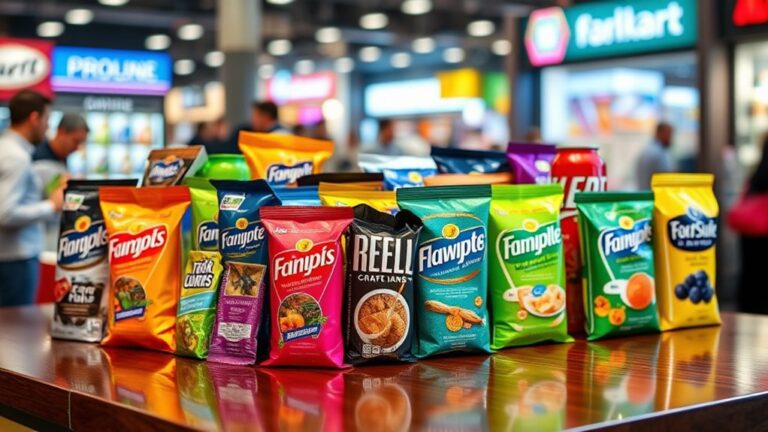
When it comes to making a purchase, packaging plays a significant role in influencing consumer decisions. Colors, in particular, evoke emotions and drive purchasing decisions, with 85% of consumers citing it as a primary reason for buying. Shapes and symbols, such as logos and typography, also convey brand values and create emotional connections. Additionally, fonts, texture, and material quality all contribute to creating associations and perceptions of quality. Even empty space on packaging can create a sense of sophistication and premium quality. By understanding these psychological triggers, designers can create packaging that resonates with consumers and drives sales – and that’s just the beginning. Furthermore, the impact of packaging on brand loyalty cannot be underestimated, as consistent and appealing packaging reinforces brand identity and fosters trust among consumers. When customers feel a strong emotional connection to a product’s packaging, they are more likely to make repeat purchases and recommend the brand to others. Ultimately, effective packaging not only attracts initial attention but also plays a crucial role in building a lasting relationship between the consumer and the brand.
Colors That Evoke Emotions
Around 85% of consumers cite color as a primary reason for buying a particular product, as specific hues can tap into their emotions and influence purchasing decisions. This isn't surprising, given the profound impact color has on human psychology. Colors can evoke feelings, convey values, and create associations that drive consumer behavior.
When it comes to packaging, the right color scheme can establish Emotional Resonance with the target audience. For instance, blue is often linked with trust and reliability, which is why it's a popular choice for financial institutions and tech brands. Green, on the other hand, conveys nature, growth, and harmony, making it a favorite among eco-friendly and health-focused brands. By leveraging the emotional power of color, brands can create an instant connection with consumers, increasing the chances of conversion.
Moreover, a well-chosen color scheme can reinforce Brand Trustworthiness. Consistency in branding is key to building recognition and credibility. When a brand's color palette is cohesive across all touchpoints, it sends a message of professionalism and attention to detail. This, in turn, can lead to increased customer loyalty and advocacy. By harnessing the emotional potency of color, brands can create a lasting impression, drive sales, and ultimately, dominate their market.
The Power of Shapes and Symbols
When it comes to packaging, shapes and symbols play a pivotal role in capturing consumers' attention. Research shows that geometric shapes, such as circles, triangles, and squares, can evoke different emotions and convey specific brand values. By incorporating symbolic branding elements, companies can create an instant connection with their target audience and build brand recognition.
Geometric Shapes Matter
Designers tap into the subconscious mind by strategically incorporating geometric shapes into packaging, as these visual elements evoke emotions and convey brand values more effectively than words alone. By leveraging the psychological impact of shapes, brands can create an instant connection with consumers. Angular harmony, characterized by sharp lines and right angles, exudes stability, professionalism, and sophistication. This aesthetic is often used in tech and luxury brands to convey a sense of precision and high-end quality. On the other hand, curved playfulness, marked by rounded shapes and soft lines, evokes feelings of warmth, friendliness, and approachability. This style is commonly used in food and beverage brands to create a sense of comfort and nostalgia. By selecting the right geometric shape, brands can subtly communicate their values and personality, influencing consumer perceptions and purchasing decisions. Effective use of geometric shapes can be the difference between a product standing out on the shelf or blending into the background.
Symbolic Branding Elements
Beyond geometric shapes, brands also harness the power of symbolic branding elements, such as logos, icons, and typography, to convey complex meanings and values that resonate with consumers on a deeper level. These elements can evoke emotions, convey a sense of prestige, and even create a sense of nostalgia. A well-crafted logo, for instance, can become an instantly recognizable symbol of a brand's identity, transcending language barriers and cultural differences. Iconic brands like Nike and Apple have achieved brand legacy status, with their logos becoming synonymous with excellence and innovation. Typography can also play an essential role in conveying a brand's personality and values, with bold fonts conveying confidence and elegance, and cursive scripts suggesting sophistication and luxury. By incorporating these symbolic elements, brands can create a lasting impression, build trust, and establish an emotional connection with their target audience, ultimately driving consumer loyalty and purchasing decisions.
Fonts That Create Associations
Certain fonts instantly evoke feelings and attitudes, such as the playful, handwritten script of a children's cereal brand or the sleek, modern sans-serif of a tech startup. The psychology behind font choices is vital in packaging, as it can create associations with the target audience. A well-chosen font can convey a brand's personality, values, and message, making it an essential element in packaging design.
When it comes to font legibility, marketers should prioritize clarity and readability. A font that's difficult to read can lead to frustration and mistrust. On the other hand, a clear and legible font can create a sense of professionalism and authority. Luxury scripts, for instance, can evoke feelings of sophistication and exclusivity, making them ideal for high-end products. A font's x-height, letter spacing, and stroke width all play a role in creating an emotional connection with the consumer.
The Impact of Texture and Material
When consumers pick up a product, their sense of touch is immediately engaged, and the texture and material of the packaging can greatly influence their purchasing decision. Research shows that tactile experiences can evoke strong emotional responses, making it essential for brands to carefully consider the materials they use. By doing so, companies can create a tangible connection with their customers, which can ultimately lead to brand loyalty and increased sales.
Tactile Experience Matters
Consumers instinctively respond to the tactile experience of a product's packaging, with texture and material playing a significant role in influencing purchasing decisions. The tactile experience is vital in creating a sensory connection between the consumer and the product, making it more memorable and desirable.
| Tactile Experience | Influence on Purchasing Decisions |
|---|---|
| Rough texture | Conveys ruggedness and durability |
| Smooth texture | Associated with luxury and sophistication |
| Weighty material | Perceived as high-quality and premium |
| Lightweight material | Seen as affordable and accessible |
| Unique material | Grabs attention and creates curiosity |
The physical interaction with a product's packaging can evoke emotions and create a sense of ownership. A well-designed tactile experience can make a product stand out on the shelf, increasing the chances of it being chosen over competitors. By understanding the psychology behind the tactile experience, brands can create packaging that resonates with their target audience, ultimately driving sales and customer loyalty.
Material Quality Signals
How do the tactile cues of texture and material influence our perception of a product's quality, and what signals do they send to our brains about the item's value and desirability? The answer lies in the domain of material quality signals, which play a significant role in shaping our purchasing decisions. The premium feel of a product's packaging can instantly elevate its perceived value, making us more likely to reach for our wallets.
- Rough, organic textures evoke a sense of naturalness and earthiness, perfect for eco-friendly products.
- Smooth, glossy surfaces scream luxury and sophistication, ideal for high-end cosmetics.
- Recycled materials convey a sense of sustainability, appealing to the environmentally conscious consumer.
- Matte finishes exude a sense of modernity and sleekness, fitting for tech gadgets.
- Embossed patterns add a touch of elegance and refinement, suitable for premium fashion items.
The Psychology of Empty Space
Empty space on packaging serves as a visual respite, allowing the consumer's eye to focus on the essential information. This intentional use of empty space, also known as negative space, is a vital aspect of effective packaging design. By providing breathing room, designers can create a clear visual hierarchy, guiding the consumer's attention to the most important elements of the product.
A well-balanced composition with adequate empty space enables the consumer to quickly process information, increasing the likelihood of a purchase. Cluttered packaging, on the other hand, can be overwhelming, leading to decision paralysis. By strategically using empty space, designers can create a sense of sophistication and premium quality, influencing the consumer's perception of the product.
Furthermore, empty space can be used to draw attention to specific features or benefits, such as a unique selling point or a call-to-action. By creating a focal point, designers can direct the consumer's attention to the most critical information, increasing the chances of a sale. Ultimately, the strategic use of empty space is a powerful tool in packaging design, allowing designers to communicate complex information in a clear and concise manner, and ultimately drive consumer purchasing decisions.
Cultural Influences on Design
Cultural nuances shape packaging design, as designers must consider the diverse values, beliefs, and customs that influence consumer purchasing decisions. This is particularly important in today's globalized market, where products are consumed by people from different cultural backgrounds. Designers must be aware of the cultural implications of their design choices, as they can either resonate with or offend their target audience.
To create effective packaging, designers must tap into the cultural psyche of their target market. This involves understanding social norms, cultural fusion, and the symbolic meanings associated with different colors, shapes, and patterns. For instance:
- In Japan, packaging is often minimalist and subtle, reflecting the cultural value of simplicity and elegance.
- In India, bright colors and ornate patterns are used to convey luxury and opulence.
- In Scandinavian countries, clean lines, minimalism, and eco-friendliness are highly valued.
- In the Middle East, gold and silver accents are often used to signify wealth and prestige.
- In China, red is a symbol of good luck and prosperity, while white is associated with mourning.
Unconscious Triggers and Biases
Beyond the domain of conscious awareness, subtle design elements can tap into consumers' unconscious biases, driving purchasing decisions that often defy rational explanation. These unconscious triggers can be incredibly powerful, influencing consumer behavior in ways that even the most discerning shoppers aren't aware of. One such trigger is the priming effect, where subtle cues in packaging design can activate certain associations or emotions in the consumer's mind. For instance, a brand that uses earthy tones and natural imagery may prime consumers to think about environmentalism and sustainability, making them more likely to choose that product over a competitor.
Another unconscious trigger is social norms, which can be leveraged through packaging design to create a sense of FOMO (fear of missing out) or social pressure. For example, a limited-edition design or a "best-seller" badge can create the perception that a product is popular or sought-after, driving sales through social influence. By understanding these unconscious triggers and biases, brands can strategically design their packaging to tap into them, influencing consumer behavior and driving sales. By harnessing the power of priming effects and social norms, brands can gain a competitive edge in the marketplace, making their products stand out in a crowded retail landscape.
Frequently Asked Questions
Can Packaging Design Influence Consumer Purchasing Decisions for Low-Involvement Products?
Can packaging design really sway consumers' purchasing decisions for low-involvement products? Absolutely! It's the difference between a product flying off the shelves or collecting dust. When it comes to low-stakes buys, consumers don't overthink it – they're driven by visual cues. A clever design that pops on the shelf, grabs attention, and screams "pick me!" can make all the difference. A product's shelf presence is its lifeline, and effective packaging design can be the ultimate game-changer.
How Do Packaging Trends Vary Across Different Product Categories?
Across product categories, packaging trends diverge considerably. Premium appeal is key in luxury segments, where sleek designs and high-end materials elevate brand image. In contrast, mass-market products often conform to category norms, prioritizing functionality and affordability. Beverage packaging, for instance, emphasizes convenience and portability, while cosmetics packaging focuses on showcasing product features. By understanding these nuances, brands can tailor their packaging to resonate with their target audience and stand out in a crowded market.
What Role Does Sustainability Play in Packaging Design Decisions?
While flashy designs once reigned supreme, sustainability now takes center stage in packaging design decisions. Eco-friendly materials are no longer a nicety, but a necessity, as consumers demand corporate responsibility. Brands that fail to prioritize the planet are seen as out of touch, while those that innovate with sustainable solutions are hailed as leaders. By integrating eco-friendly materials and practices, companies demonstrate a commitment to the future, and to their customers' values.
Can Packaging Design Be Used to Target Specific Age Demographics?
She knows that packaging design can be tailored to resonate with specific age demographics. By incorporating age appeal and generational cues, designers can create an emotional connection with their target audience. For instance, bold fonts and bright colors may appeal to younger generations, while nostalgic designs might resonate with older adults. By understanding the unique preferences and values of each age group, designers can craft packaging that speaks directly to their target market.
How Do Cultural Differences Impact Packaging Design Preferences?
It's no coincidence that cultural differences have a substantial impact on packaging design preferences. Color symbolism, for instance, holds varying meanings across cultures. In Japan, white symbolizes mourning, whereas in Western cultures, it represents purity. Language barriers also play an essential role, as mistranslated labels can lead to brand mistrust. To tap into diverse markets, designers must consider these cultural nuances, ensuring their packaging resonates with local consumers and avoids unintentional offenses. By doing so, they can harness the full potential of their products globally.