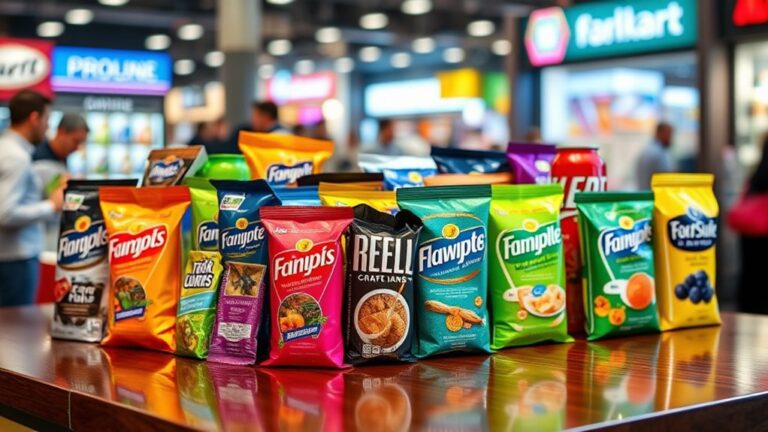
Packaging plays a critical role in building brand loyalty by creating an instant emotional connection with consumers through thoughtful design, sustainable practices, and personalized experiences that evoke feelings of joy, trust, and luxury. A well-designed package can exceed customer expectations, amplifying excitement during unboxing, while subpar packaging can lead to disappointment. Brands that prioritize eco-friendly options, incorporate surprise elements, and maintain consistency across product lines build trust, credibility, and repeat customers. As packaging continues to evolve, its impact on brand loyalty will only continue to grow, and discovering its secrets can establish a loyal customer base.
The Unboxing Experience Matters
When a customer tears open the packaging of a newly arrived product, the unboxing experience that unfolds can make or break their emotional connection with the brand. It's a vital moment, as the customer's anticipation builds up during the delivery period, and the packaging's quality can either meet or exceed their expectations. Smart brands understand the importance of this moment and deliberately craft surprise elements to leave a lasting impression. These surprise elements can be as simple as a personalized note, a free sample, or a unique design feature that sets the brand apart.
The delivery anticipation builds up as the customer tracks their package, and the moment of unboxing is a culmination of that excitement. A well-designed packaging experience can amplify this excitement, creating a sense of joy and satisfaction. On the other hand, a subpar packaging experience can lead to disappointment and a negative emotional connection with the brand. By incorporating surprise elements, brands can create a sense of delight and wonder, making the customer feel valued and appreciated. This, in turn, can lead to increased brand loyalty, as customers become more likely to return to a brand that has exceeded their expectations. By prioritizing the unboxing experience, brands can turn a mundane task into a memorable moment that fosters a deeper connection with their customers.
Emotional Connection Through Design
When it comes to building emotional connections through design, companies can't afford to overlook the power of visual identity, storytelling, and authenticity. A well-crafted visual identity helps create instant recognition, while emotional storytelling resonates with consumers on a deeper level. By incorporating these elements, brands can establish a genuine connection with their audience, fostering loyalty and trust.
Visual Identity Matters
Effective packaging design creates an instant emotional connection with consumers, fostering brand recognition and loyalty through a carefully crafted visual identity that resonates with their values and preferences. A well-designed visual identity is essential in building brand recognition, as it communicates the brand's personality, values, and message. Consistency is key in design evolution, ensuring that the visual identity remains cohesive across all touchpoints, from packaging to marketing materials. This consistency breeds familiarity, which in turn, builds trust and loyalty with consumers.
A strong visual identity also allows brands to stand out in a crowded market, differentiating themselves from competitors. By incorporating design elements that reflect the brand's values and personality, packaging design can evoke emotions, create connections, and drive brand loyalty. For instance, a brand that values sustainability may incorporate eco-friendly materials and minimalist design, resonating with consumers who share similar values. By crafting a unique and consistent visual identity, brands can establish a lasting emotional connection with consumers, driving brand loyalty and advocacy.
Emotional Storytelling Works
Brands that masterfully weave emotional storytelling into their packaging design create a profound connection with consumers, transcending mere product functionality to evoke feelings, spark memories, and forge lasting bonds. By tapping into customers' emotional experiences, brands can craft a narrative that resonates deeply, fostering loyalty and advocacy. Effective emotional storytelling in packaging design involves evoking customer reflections, creating a sense of nostalgia, and aligning with the brand's anthem.
| Emotional Connection | Design Element |
|---|---|
| Nostalgia | Vintage-inspired typography and imagery |
| Empowerment | Bold colors and geometric shapes |
| Joy | Whimsical illustrations and playful patterns |
| Trust | Earthy tones and natural textures |
| Luxury | Sleek lines and metallic accents |
Authenticity Is Key
She instinctively reaches for products that reflect her values, and packaging design that exudes authenticity plays a significant role in making that emotional connection. Consumers crave authenticity, and brands that deliver on this promise reap the rewards of loyalty and advocacy. Through packaging design, brands can convey brand transparency, showcasing their commitment to sustainability, social responsibility, or quality. This human connection is fostered when brands share their story, values, and mission, allowing consumers to align themselves with like-minded companies.
Authentic packaging design communicates a brand's personality, tone, and values, creating an emotional resonance with the consumer. It's about being genuine, honest, and transparent, which builds trust and credibility. When consumers feel a brand is authentic, they're more likely to become repeat customers and recommend the brand to others. By incorporating elements of storytelling, brands can create an emotional connection that transcends the physical product, fostering a deeper relationship with their customers. In today's competitive market, authenticity is key to building brand loyalty and driving long-term success.
Building Trust With Sustainable Options
Consumers are increasingly expecting brands to prioritize the planet's well-being, and sustainable packaging is a key way to meet this expectation. By opting for eco-friendly packaging, brands can demonstrate their commitment to reducing waste and minimizing environmental impact. This shift towards sustainability can be a powerful trust-builder, as customers are more likely to remain loyal to brands that share their values.
Eco-Friendly Packaging Matters
Regularly, companies that prioritize eco-friendly packaging options see a significant surge in customer loyalty and retention. This shouldn't come as a surprise, given the growing concern for environmental sustainability among consumers. By incorporating biodegradable materials into their packaging, companies demonstrate a commitment to reducing waste and minimizing their ecological footprint. This, in turn, fosters trust and credibility with customers who share these values.
Supply chain transparency is another essential aspect of eco-friendly packaging. When companies openly disclose their sourcing practices and material choices, they invite customers to be part of their sustainability journey. This transparency breeds loyalty, as customers feel invested in the brand's mission and values. By making conscious choices about their packaging, companies can differentiate themselves from competitors and establish a strong brand identity. As consumers increasingly prioritize sustainability, companies that fail to adapt risk being left behind. By embracing eco-friendly packaging, businesses can build a loyal customer base that shares their commitment to a greener future.
Reducing Waste Effectively
By adopting sustainable packaging options, companies can greatly reduce waste and demonstrate a tangible commitment to environmental responsibility, further building trust with customers who value eco-friendly practices. This waste reduction strategy not only benefits the environment but also resonates with customers who prioritize sustainability. Effective waste reduction requires a holistic approach that spans the entire supply chain. Companies must collaborate with suppliers to implement sustainable practices, such as using biodegradable materials, reducing packaging size, and optimizing logistics. By doing so, they can minimize waste, lower costs, and improve their brand reputation. Moreover, companies can leverage waste reduction as a competitive advantage, differentiating themselves from competitors and attracting customers who share their values. By making waste reduction a core aspect of their business strategy, companies can build trust, loyalty, and a strong brand reputation that drives long-term growth and success.
The Power of Personalization
About 75% of customers are more likely to return to a brand that acknowledges them by name, offers relevant recommendations, or makes them feel special in some way. This personalized approach to packaging can be a game-changer for brands looking to build strong relationships with their customers. By incorporating customized gifts, for instance, brands can create a sense of excitement and exclusivity, making customers feel valued and appreciated. Imagine receiving a beautifully wrapped gift with your name on it – it's a surefire way to create an emotional connection with the brand.
Dynamic labels are another effective way to personalize packaging. By using digital printing technology, brands can create unique labels that speak directly to the customer. Whether it's a birthday message or a special offer, dynamic labels can help create a sense of urgency and relevance, making customers more likely to engage with the brand. Moreover, personalized packaging can also help brands stand out in a crowded market, differentiating them from competitors and increasing brand recognition. By investing in personalization, brands can build trust, loyalty, and ultimately, drive sales. It's time for brands to get personal and reap the rewards of a loyal customer base.
Consistency Across Product Lines
Consistency across product lines is essential for building brand loyalty, as it helps to create a cohesive brand image and reinforces customer expectations. When a brand's packaging is consistent across all products, it sends a powerful message to customers: that the brand is professional, reliable, and committed to quality. This, in turn, fosters trust and loyalty. Consistency also enables brand synergy, where the whole becomes greater than the sum of its parts. Each product line reinforces the brand's overall image, creating a unified and powerful presence in the market.
Product harmony is key to achieving consistency across product lines. This means that the packaging for each product line should share a common visual language, including colors, typography, and imagery. It's not about identical packaging, but about creating a sense of continuity that ties everything together. When done correctly, product harmony creates a seamless brand experience, making it easier for customers to navigate and engage with the brand. By prioritizing consistency and product harmony, brands can build a strong foundation for loyalty and advocacy. It's a critical component of a successful brand strategy, and one that should not be overlooked. By getting it right, brands can reap the rewards of a loyal customer base and a strong competitive edge.
Storytelling Through Packaging Elements
As brands aim to reveal a seamless brand experience, they’re realizing that packaging elements offer a unique opportunity to tell a story that resonates with customers and sets them apart from competitors. This narrative can be woven into every aspect of packaging, from the color palette to the typography, and even the material used. By doing so, brands can tap into customers’ emotions, creating a deeper connection and fostering brand loyalty. Moreover, the impact of typography on packaging cannot be underestimated, as it plays a crucial role in conveying the brand’s personality and message at a glance. Thoughtful selection of fonts can evoke specific feelings and signify the brand’s ethos, whether it be elegance, playfulness, or modernity. By aligning typography with the overall brand narrative, companies can ensure that every interaction, even through packaging, reinforces their identity and appeals to the target audience effectively.
One way to achieve this is by leveraging cultural icons or reviving heritage elements that evoke a sense of nostalgia and familiarity. For instance, a brand that incorporates vintage designs or motifs can instantly tap into customers' collective memory, creating an emotional connection that's hard to shake off. This heritage revival approach not only differentiates the brand but also communicates a sense of timelessness and tradition.
Moreover, storytelling through packaging elements allows brands to convey their values, mission, and personality. By using specific imagery, colors, or patterns, brands can signal their commitment to sustainability, social responsibility, or innovation. This, in turn, helps customers make informed purchasing decisions that align with their own values, further solidifying brand loyalty. By mastering the art of storytelling through packaging, brands can activate a powerful tool that drives customer engagement, loyalty, and ultimately, business growth.
Creating Instagram-Worthy Moments
When it comes to creating Instagram-worthy moments, brands are realizing that the unboxing experience matters just as much as the product itself. A beautifully designed package can stop consumers in their tracks, encouraging them to share their experience with others. By leveraging the power of visual storytelling, brands can turn a mundane moment into a memorable one that fosters brand loyalty.
Unboxing Experience Matters
By carefully crafting the unboxing experience, brands can create Instagram-worthy moments that not only delight customers but also foster a sense of community and social sharing. This is where the surprise factor comes into play – unexpected elements like personalized notes, free samples, or unique packaging designs can leave a lasting impression. Sensory triggers such as the feel of premium materials, the sound of a satisfying unboxing, or the scent of a luxurious product can further elevate the experience. When done right, the unboxing experience can become a shareable moment, encouraging customers to post about their excitement on social media. This, in turn, can drive brand awareness, increase engagement, and attract new customers. By investing in the unboxing experience, brands can build a loyal following of customers who crave that special something that sets them apart from the competition. By doing so, they can create a loyal customer base that will continue to drive their business forward.
Visual Storytelling Power
Crafting visually stunning packaging creates an instant emotional connection with customers, making them more likely to share their experience on social media. This is where the power of visual storytelling comes in. By leveraging cultural nuances and packaging tropes, brands can create Instagram-worthy moments that resonate with their audience. For instance, a luxurious skincare brand might incorporate sleek, minimalist design elements that evoke a sense of high-end sophistication. Meanwhile, a sustainable fashion brand might opt for eco-friendly materials and bold, vibrant colors that convey a sense of environmental responsibility. By tapping into these visual cues, brands can create an emotional connection with their customers and encourage them to share their experience with others. As a result, brands can build a loyal following and drive engagement through user-generated content. By mastering the art of visual storytelling, brands can turn their packaging into a powerful marketing tool that drives brand loyalty and advocacy.
The Role of Texture and Feel
Texture and feel play a subtle yet powerful role in shaping consumers' emotional connections with a product, as the tactile experience can instantly evoke feelings of luxury, nostalgia, or playfulness. By incorporating unique textures and sensations, brands can create a multisensory experience that resonates with customers on a deeper level. This tactile connection can evoke strong emotional responses, fostering brand loyalty and advocacy.
Furthermore, tactile emotions are a key driver of consumer behavior, as they tap into sensory memories and emotional associations. For instance, a smooth, matte finish might evoke feelings of sophistication, while a rough, natural texture might connote earthiness and authenticity. By leveraging these emotional triggers, brands can create packaging that not only stands out on shelves but also resonates with customers on an emotional level. Additionally, texture and feel can also influence perceived value, with premium textures and materials often associated with higher-end products. By carefully considering the tactile experience, brands can create packaging that feels luxurious, exclusive, or playful – ultimately driving brand loyalty and customer retention. By integrating texture and feel into their packaging strategy, brands can create a lasting impression that transcends mere aesthetics, speaking directly to customers' emotions and desires.
Color Psychology in Packaging
Colors in packaging evoke powerful emotional responses, as different hues instantly convey distinct personalities, values, and attitudes that resonate with customers on a subconscious level. By strategically selecting colors, brands can create an instant connection with their target audience, influencing purchasing decisions and building brand loyalty. For instance, blue is often associated with trust and reliability, while red evokes feelings of energy and excitement. Green, on the other hand, symbolizes nature and eco-friendliness.
A brand's color palette should be carefully crafted to create Color Harmony, ensuring that the chosen hues work together in perfect balance. This harmony is essential in establishing a consistent visual identity, which in turn reinforces Brand Associations. When a brand's colors are consistently used across all touchpoints, customers begin to associate those colors with the brand's values and personality, fostering a deeper emotional connection.
Brands that fail to take into account the psychological impact of color may inadvertently alienate their target audience. For example, a brand targeting environmentally conscious consumers may struggle to gain traction if its packaging features bright, bold colors that clash with the eco-friendly message. By understanding the emotional responses triggered by different colors, brands can create packaging that resonates with their target audience, building a loyal following and driving business success. By harnessing the power of color, brands can create an unforgettable brand experience that sets them apart from the competition.
Packaging as a Brand Ambassador
Beyond evoking emotions through color, packaging serves as a tangible representation of a brand's personality, values, and mission, making it an important factor that can either reinforce or contradict the brand's message. A well-designed package can speak volumes about a brand's identity, values, and mission, transcending the product itself to build a deeper connection with consumers. This is where the concept of brand voice comes in – the tone, language, and personality that resonates with the target audience. Consistency in brand voice across all touchpoints, including packaging, is essential in establishing a strong brand identity.
In today's diverse and globalized market, cultural relevance is vital to building brand loyalty. Packaging that resonates with local cultures and values can foster a sense of belonging and empathy, ultimately driving loyalty. Brands that fail to take into account cultural nuances risk alienating their target audience. For instance, a brand that uses imagery or messaging that is offensive or insensitive to a particular culture will likely suffer from negative word-of-mouth and decreased loyalty. On the other hand, brands that successfully tap into cultural relevance can reap the rewards of increased brand loyalty and advocacy. By leveraging packaging as a brand ambassador, companies can create a lasting impression, build trust, and ultimately drive business growth.
Measuring the Impact on Loyalty
By tracking key performance indicators such as customer retention rates, repurchase rates, and net promoter scores, brands can quantitatively measure the impact of packaging on loyalty and make data-driven decisions to optimize their packaging strategy. These loyalty metrics provide valuable insights into how well a brand is resonating with its customers and where improvements can be made. By monitoring these metrics, brands can identify areas where packaging is falling short and make targeted changes to enhance the customer experience.
Customer retention, for instance, is a critical loyalty metric that reveals the percentage of customers who continue to purchase from a brand over time. By analyzing customer retention rates, brands can determine whether their packaging is contributing to customer loyalty or driving customers away. Repurchase rates, on the other hand, measure the frequency at which customers return to make repeat purchases. This metric can indicate whether packaging is effectively building brand affinity and encouraging repeat business.
Frequently Asked Questions
How Do I Balance Cost and Quality in Custom Packaging Design?
She must navigate the delicate balance between cost and quality in custom packaging design. To achieve this, she makes material trade-offs, opting for eco-friendly alternatives that won't break the bank. She also makes design compromises, streamlining the design to reduce production costs without sacrificing aesthetics. By doing so, she creates a premium look without the premium price tag, ensuring her brand stands out without sacrificing profitability.
Can I Use the Same Packaging for Different Product Lines?
Like a master chef balancing flavors, she weighs the pros and cons of using the same packaging for different product lines. While it may seem important, it's essential to take into account the Consistency Factor: will the packaging accurately convey each product's unique personality? If not, it may dilute the Brand Identity she's worked so hard to establish.
What Are the Most Effective Packaging Materials for E-Commerce?
She guarantees that e-commerce packaging materials strike a balance between functionality and eco-friendliness. Sustainable options such as biodegradable mailers, recycled paper fill, and compostable bags help reduce waste. Material innovations like airless packaging and inflatable bags minimize space while also protecting products. By selecting these cutting-edge materials, she affirms her brand's dedication to the environment while providing a premium unboxing experience that fosters customer satisfaction and loyalty.
How Often Should I Update My Packaging Design to Stay Relevant?
She shouldn't let her packaging design stagnate, lest it becomes a relic of the past. To stay ahead, she should schedule a brand refresh every 12-18 months to avoid design fatigue. This strategic update will keep her brand looking fresh and exciting, ensuring customers remain engaged and loyal. By doing so, she'll create a sense of anticipation, making her brand the apple of their eye.
Are There Any Packaging Design Trends That Are Industry-Specific?
Industry-specific packaging design trends exist, and they're vital for brands to stay ahead. Luxury brands, for instance, opt for minimalist designs with a luxury appeal, conveying sophistication and exclusivity. Seasonal themes are also popular, with brands incorporating festive elements to create limited-edition packaging. In the beauty industry, eco-friendly and sustainable packaging are gaining traction, while tech companies focus on functional, futuristic designs that reflect their innovative products.