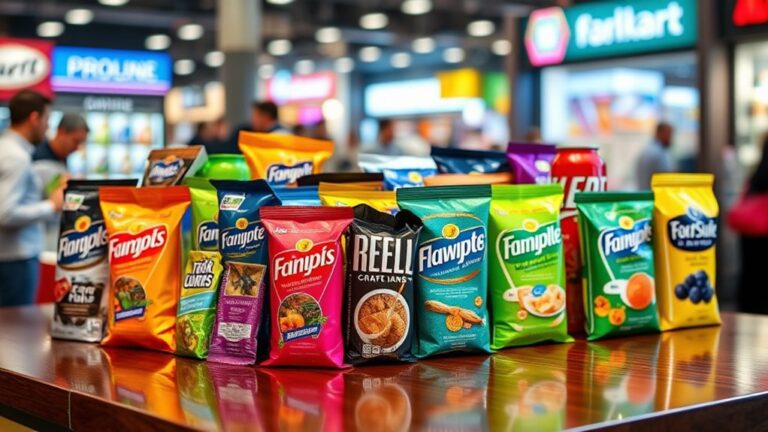
When making a purchase, you expect transparency from the packaging – you want to know what's inside, where it came from, and how it was made. Clear labeling promotes trust and loyalty, as consumers prefer brands that disclose ingredient sourcing and production methods. Honest representation can drive brand loyalty and sales, whereas transparency mitigates risks associated with greenwashing and deception. By prioritizing transparency, companies can build stronger customer relationships and improve their brand reputation. As you explore the role of transparency in packaging, you'll discover how it can empower your purchasing decisions and ultimately influence your trust in a brand.
Building Trust Through Clear Labeling
When you pick up a product, the first thing you notice is the label. It's often the deciding factor in whether you choose to buy it or put it back on the shelf. A well-designed label can convey a wealth of information, from ingredients to usage instructions, and it's where clear communication starts. Honest representation is key; if you can't trust what's on the label, why would you trust what's inside?
A label that's easy to read and understand builds trust with consumers. It shows that the manufacturer is committed to transparency and willing to be upfront about what's in their product. Clear communication is vital, especially for consumers with dietary restrictions or allergies. When you can quickly scan a label and know exactly what you're getting, you feel more confident in your purchase.
Conversely, a label that's cluttered, confusing, or misleading can be a major turnoff. It's a red flag that suggests the manufacturer might be hiding something. In today's world, where consumers are more informed and discerning than ever, honest representation is critical. By being transparent about product information, manufacturers can build trust, loyalty, and in the end, drive sales. So, the next time you pick up a product, take a closer look at the label. Is it clear, concise, and honest? If not, it might be time to look elsewhere.
Sourcing Transparency for Supply Chains
When you scrutinize a product's packaging, you're not just looking at the finished item – you're additionally considering the origin of the raw materials used to make it. You want to know where those materials came from and what kind of impact their sourcing had on the environment and local communities. By demanding visibility of partners and suppliers, you're pushing companies to be more open about their supply chains and the conditions under which their products are made.
Origin of Raw Materials
Sourcing raw materials from transparent suppliers is crucial in today's consumer-driven market, where customers demand accountability from brands. As a brand owner, you're responsible for confirming that your supply chain is free from unethical practices and environmental degradation. By choosing sustainable and ethical materials, you're not just appealing to customers' values but also contributing to a better future.
Here are some key considerations when evaluating the origin of raw materials:
- Country of origin: Verify that your suppliers adhere to international labor standards and regulations.
- Environmental impact: Opt for materials with a lower carbon footprint and sustainable harvesting practices.
- Certifications: Look for certifications like Fairtrade, Organic, or FSC that guarantee ethical sourcing practices.
- Supply chain visibility: Implement tracking systems to monitor the path of your raw materials from source to production.
- Material selection: Choose materials that are recyclable, reusable, or biodegradable to reduce waste and minimize environmental harm.
Visibility of Partners
As you explore deeper into the domain of transparent packaging, you're likely to realize that knowing who your partners are is just as crucial as knowing where your raw materials come from. This is due to the fact that your partners can greatly influence your brand's reputation and the trust your customers have in you. By prioritizing partner visibility, you can guarantee that your supply chain is aligned with your values and goals.
When you're transparent about your partners, you open up opportunities for collaborative branding. This means you can work together to create a cohesive brand message that resonates with your target audience. Partner visibility likewise helps to build trust with your customers, as they can see the entire supply chain and feel confident in the products they're buying. By being open and honest about your partnerships, you can create a sense of accountability and responsibility that sets you apart from competitors. In today's market, customers expect transparency, and having visibility into your partnerships can be a major differentiator for your brand.
Sustainability Claims and Certifications
As you navigate the realm of sustainable packaging, you're likely to come across a multitude of eco-friendly labels and certifications that claim to guarantee a product's environmental credentials. But how can you trust these claims, and what do they really mean? You'll soon discover that not all certifications are created equal, and grasping the hierarchy of sustainability claims is essential to making informed decisions.
Eco-Friendly Labels Debunked
Your favorite eco-friendly product proudly wears a badge of honor – the "biodegradable" label. But, have you ever stopped to think about what that label really means? You're not alone if you're confused. Eco label confusion is rampant, leading to consumer skepticism about the authenticity of sustainability claims.
As you navigate the aisles, you're bombarded with labels like "eco-friendly," "sustainable," and "natural." But, what do they really mean? Here are some common misconceptions:
** "Biodegradable" doesn't always mean compostable
**"Recyclable" doesn't mean it's actually recycled
- "Sustainable" can be a vague term with no clear definition
- "Natural" doesn't necessarily mean it's better for the environment
- "Eco-friendly" can be a marketing gimmick with no substance behind it
Don't let these labels fool you. It's time to look beyond the badges and dig deeper into what really makes a product sustainable. By doing so, you'll be able to make more informed purchasing decisions and support brands that truly prioritize the planet.
Certification Hierarchy Explained
Immerse yourself in the domain of certifications, where the nuances of sustainability claims are put to the test. You're likely familiar with eco-labels and sustainability certifications, but do you know what sets them apart? It all comes down to certification levels and credential validation.
To break it down, let's explore the hierarchy of certifications:
| Certification Level | Description | Example |
|---|---|---|
| Type I | Third-party certified, life cycle-based | EcoLogo |
| Type II | Self-declared, single-attribute based | "Made from 100% recycled materials" |
| Type III | Third-party certified, single-attribute based | "Carbon neutral certified" |
| Endorsement | Third-party endorsement, no certification | "Recommended by the Sierra Club" |
| Self-Claim | Company self-declared, no third-party validation | "Our product is eco-friendly" |
As you navigate the arena of certifications, keep in mind that not all eco-labels are created equal. Look for third-party validation and life cycle-based assessments to verify the claims are backed by credible evidence. By comprehending the certification hierarchy, you'll be better equipped to make informed decisions and support brands that truly prioritize sustainability.
Ingredient Disclosure and Simplicity
Consumers today expect more from the products they buy, and that includes knowing exactly what's inside. You want to be confident that the products you use are safe, effective, and align with your values. Ingredient disclosure is a critical aspect of transparency in packaging, and companies that prioritize it are more likely to build trust with their customers.
Here are some ways companies can prioritize ingredient clarity:
- Clear labeling: Use simple, easy-to-understand language to list ingredients. Avoid using technical jargon or complex terminology that might confuse customers.
- Minimalistic designs: Simplify packaging designs to make ingredient lists stand out. This helps customers quickly find the information they need.
- Digital transparency: Provide digital access to detailed ingredient information, such as through QR codes or website links.
- Third-party certifications: Partner with third-party organizations that verify the safety and sustainability of ingredients.
- Supply chain transparency: Be open about sourcing and supply chain practices to demonstrate a commitment to ethical and sustainable business practices.
Minimizing Greenwashing and Deception
As companies prioritize transparency in packaging, they must similarly confront the risk of greenwashing and deception. You can't just slap a "natural" or "eco-friendly" label on your product and expect consumers to believe it. Greenwashing tactics, such as making false or misleading environmental claims, can damage your brand's reputation and erode trust with your customers.
Deceptive marketing strategies, like using vague language or hiding behind certifications that don't mean much, can likewise lead to consumer skepticism. You must be honest and accurate about your product's environmental impact, from sourcing to end-of-life. This means providing concrete data and evidence to back up your claims.
When you're transparent about your product's ingredients, manufacturing process, and environmental footprint, you demonstrate a commitment to authenticity and accountability. This, in turn, builds trust with your customers, who are more likely to become loyal advocates for your brand. Remember, transparency isn't just about complying with regulations; it's about creating a genuine connection with your customers and showing them that you care about the same things they do. By minimizing greenwashing and deception, you can create a competitive advantage and establish your brand as a leader in sustainable packaging.
Empowering Consumers Through Education
Your purchasing decisions have the authority to drive change, but only if you're equipped with the right information. In today's market, consumer empowerment is key to making informed choices that align with your values and needs. Educational initiatives play an essential role in bridging the knowledge gap between consumers and brands. By providing transparent and accurate information, brands can enable you to make conscious decisions that drive real change.
Here are some ways brands can educate and enable you:
- Clear labeling: Easy-to-understand labels that disclose ingredients, materials, and production processes.
- Sustainability metrics: Quantifiable data that measures a product's environmental impact, helping you compare and choose eco-friendly options.
- Supply chain transparency: Openly sharing information about sourcing, production, and distribution to guarantee fair labor practices and reduce environmental harm.
- Interactive tools and resources: Online platforms, apps, and in-store displays that provide detailed product information and help you make informed decisions.
- Collaborative storytelling: Brands sharing their stories, values, and missions to cultivate a sense of community and accountability.
The Impact of Transparency on Brand Reputation
Through the lens of transparency, brands can either shine or stumble, and their reputation hangs precariously in the balance. You, as a brand, have a unique opportunity to build trust with your customers by being open and honest about your products and practices. When you prioritize transparency, you're more likely to encourage positive brand perceptions and, ultimately, drive consumer trust.
Transparent packaging can become a key differentiator for your brand, setting you apart from competitors and establishing a sense of authenticity. By providing clear and concise information about your products, you're demonstrating a commitment to honesty and accountability. This, in turn, can lead to increased loyalty and advocacy among your customer base.
On the other hand, a lack of transparency can have devastating consequences for your brand reputation. Consumers are increasingly savvy and can spot dishonesty or ambiguity from a mile away. When you're unclear or misleading about your products, you risk eroding trust and damaging your reputation. In today's digital environment, word travels fast, and negative reviews or social media backlash can spread like wildfire.
Creating Accountability in Packaging
- Establish clear packaging standards: Develop and communicate clear guidelines for packaging design, labeling, and claims. This guarantees consistency across your product lines and helps prevent miscommunication with consumers.
- Conduct regular audits: Regularly review and assess your packaging design and labeling to verify compliance with industry regulations and your own standards.
- Provide easy access to product information: Make it easy for consumers to find detailed product information, such as ingredients, nutritional facts, and usage instructions, on your packaging or website.
- Empower consumer rights: Clearly communicate consumer rights, such as return and refund policies, and make it easy for them to exercise these rights if needed.
- Take corrective action: If you're found to be non-compliant or misleading, take swift and transparent corrective action to maintain trust and credibility with your consumers.
Driving Business Success Through Honesty
By being honest and transparent, you're furthermore reducing the risk of controversies and scandals that can damage your reputation. When you're upfront about your practices, you're less likely to face criticism or backlash. This, in turn, can lead to increased sales and revenue. So, prioritize transparency in your packaging and marketing efforts. Your customers will appreciate the honesty, and your business will thrive as a result.
Frequently Asked Questions
How Do Consumers Define Transparency in Packaging?
You're about to uncover a secret: what consumers really want from packaging. When you ask them, they'll tell you transparency means more than just a clear plastic window. It's about knowing the story behind the product, like where those trendy superfoods come from (ahem, ingredient sourcing). It's about clean, honest packaging design that doesn't hide anything. You want to know the real deal, and so do they. It's time to peel back the layers and show them what's inside – literally.
Can Transparency Lead to Increased Packaging Costs?
You might wonder if being open about your packaging will break the bank. Honestly, transparency can lead to increased costs, but it's not a guarantee. Think about it: if you're using eco-friendly materials or simplifying your design, you might actually save money. Nonetheless, if you're adding extravagant labels or extra features, costs could rise. The key is to weigh the cost implications against consumer perception – if they value transparency, they might be willing to pay a premium, making it a worthwhile investment for your brand.
What Is the Ideal Balance Between Simplicity and Detail on Labels?
When designing a label, you're walking a tightrope between simplicity and detail. Too little info and consumers are left in the dark; too much and you risk information overload. You need to strike a balance that serves your brand's purpose. Aim for a clean label design that conveys crucial details, like ingredients or usage, whilst keeping visuals uncluttered. By doing so, you'll create an intuitive experience that builds trust and encourages loyalty.
How Can Companies Ensure Consistent Global Labeling Standards?
Visualize having to juggle a thousand different labeling standards worldwide – it's a packaging nightmare! But, you can avoid this chaos by establishing consistent global labeling standards. To do this, you'll need to stay on top of ever-changing global regulations and work in the direction of labeling harmonization. By streamlining your labeling process, you'll not just reduce costs but additionally guarantee compliance and build trust with your customers.
Are There Any Legal Requirements for Ingredient Disclosure?
You're wondering if there are legal requirements for ingredient disclosure. The answer is yes! Governments worldwide have established regulations for ingredient labeling to guarantee consumer safety and regulatory compliance. For instance, the EU's Food Information Regulation and the US FDA's Food Labeling Guide require manufacturers to disclose certain ingredients, like allergens and additives. By comprehending these regulations, you can guarantee your products meet the necessary standards, building trust with your customers.