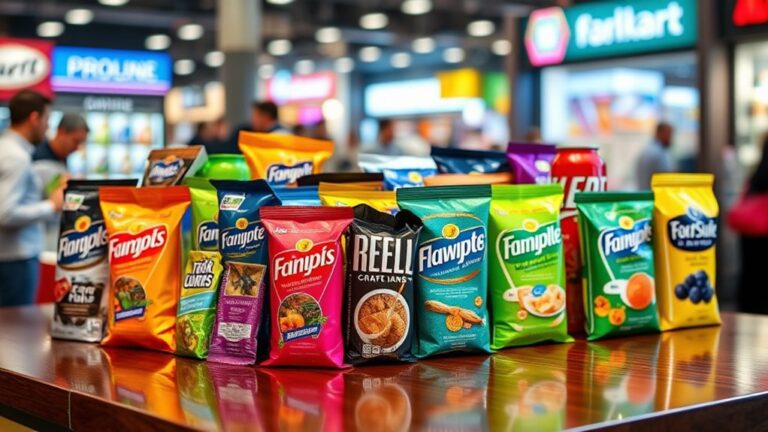
When choosing the right materials for packaging, you consider a delicate balance of performance, sustainability, and aesthetics, as a single misstep can compromise product safety, brand image, and the environment. You need to select materials that protect your product, align with your brand's values, and appeal to your customers. Key properties like strength, durability, and resistance to temperature, humidity, and light are vital, and you should additionally think about the environmental impact and aesthetic appeal of your packaging. By grasping the science behind material selection, you can make informed decisions that guarantee your product arrives safely and makes a great first impression – and there's more to explore regarding optimizing your packaging strategy.
Material Properties Matter
In relation to packaging, the properties of the materials you choose can make all the difference between a successful product launch and a costly mistake. When selecting materials, you must consider their inherent characteristics, since they directly impact the performance of your packaging. It is critical to evaluate the material's strength, durability, and resistance to environmental factors like temperature, humidity, and light.
To make an informed decision, you need to establish clear material selection criteria. This includes examining the material's ability to protect the product during transportation and storage, along with its compatibility with the product itself. You should likewise consider the material's aesthetic appeal, as it can influence consumer perception and purchasing decisions.
During the performance evaluation phase, you'll need to test the material's properties under various conditions. This may involve simulating real-world scenarios, such as drop tests or exposure to extreme temperatures. By doing so, you'll gain valuable insights into the material's strengths and weaknesses, enabling you to make data-driven decisions. By prioritizing material properties and rigorous testing, you'll be well on your way to creating packaging that effectively safeguards your product and improves the overall customer experience.
Corrugated Cardboard: Strength and Sustainability
Selecting corrugated cardboard for your packaging material can be a wise decision, considering its unique blend of strength and sustainability. You'll find that corrugated cardboard offers a remarkable set of benefits, making it an attractive option for innovative businesses. One of the primary corrugated benefits is its impressive strength-to-weight ratio, allowing it to protect your products during transportation while minimizing material usage. This means you can reduce your packaging material costs without compromising on safety.
Corrugated cardboard is also an environmentally friendly choice, thanks to its recyclable nature. In fact, corrugated cardboard is one of the most recycled packaging materials, with over 90% of it being reused or recycled. This closed-loop recycling practice reduces waste, conserves natural resources, and decreases greenhouse gas emissions. As a result, you can greatly minimize your environmental footprint while meeting your packaging needs.
When you choose corrugated cardboard, you're not just getting a strong and sustainable material, but you're likewise supporting responsible forestry practices. Many corrugated cardboard manufacturers source their materials from certified sustainable forests, ensuring that the wood pulp used is harvested in an environmentally responsible manner. By selecting corrugated cardboard, you're investing in a packaging material that's both strong and sustainable – a win-win for your business and the environment.
Biodegradable Plastics: The Eco-Friendly Option
Embracing eco-friendliness, you're likely considering biodegradable plastics as a sustainable packaging solution. These innovative materials have gained significant attention in recent years, and for good reason. Biodegradable plastics offer a viable alternative to traditional plastics, reducing the environmental impact of packaging waste.
As you explore biodegradable alternatives, it's crucial to understand how they differ from traditional plastics. Unlike traditional plastics, which take hundreds of years to decompose, biodegradable plastics break down naturally within a few years. This process occurs through microbial degradation, where microorganisms consume the plastic, converting it into carbon dioxide, water, and biomass.
The benefits of biodegradable plastics are undeniable. They reduce greenhouse gas emissions, minimize plastic waste in landfills and oceans, and conserve natural resources. Furthermore, biodegradable plastics can be composted, creating nutrient-rich soil that supports plant growth. When selecting biodegradable plastics for packaging, look for certifications like compostable or biodegradable to guarantee the material meets stringent environmental standards.
As you weigh the pros and cons of biodegradable plastics, consider the role they can play in reducing your brand's environmental footprint. By embracing these eco-friendly materials, you'll not just appeal to environmentally conscious consumers but additionally contribute to a more sustainable future.
Paper-Based Materials: Flexibility and Durability
You're likely familiar with paper-based materials, which have been a staple in packaging for centuries. But did you know that they offer more than just a nostalgic appeal? Paper-based materials have evolved to become a top choice for modern packaging owing to their flexibility and durability.
One of the significant advantages of paper-based materials is their cost efficiency. Compared to other materials, paper is relatively inexpensive to produce and process, making it an attractive option for businesses looking to reduce packaging costs. Furthermore, paper-based materials can be easily customized to fit specific product needs, reducing waste and excess material usage.
Beyond cost savings, paper-based materials likewise offer sustainability benefits. They are biodegradable, compostable, and can be recycled, reducing the environmental impact of packaging waste. In addition, paper-based materials can be sourced from sustainably managed forests, further reducing their ecological footprint.
When it comes to durability, paper-based materials have made significant strides. Advanced coatings and treatments have improved their resistance to moisture, abrasion, and other forms of damage. This means that paper-based materials can now be used for a wide range of applications, from e-commerce packaging to industrial shipping.
As you consider your packaging options, keep in mind that paper-based materials offer a unique combination of flexibility, durability, and sustainability. By choosing paper-based materials, you can reduce costs, minimize waste, and appeal to environmentally conscious consumers.
Glass and Metal: Premium Protection and Permanence
You're looking for premium protection and a luxurious feel for your packaging, and that's where glass and metal come in. These materials can withstand extreme temperatures, moisture, and other harsh conditions, ensuring your products arrive at their destination intact. With their sleek, high-end appearance, glass and metal packaging likewise convey a sense of sophistication and exclusivity that can enhance your brand's image.
Durability in Extreme Conditions
When shipping fragile or high-value products, you need packaging materials that can withstand extreme conditions, from freezing temperatures to intense humidity and impacts. Glass and metal are premium choices for durability in extreme conditions. Glass, for instance, is highly resistant to extreme temperatures, maintaining its structural integrity even when exposed to freezing or scorching temperatures. Its low thermal expansion coefficient guarantees that it won't shatter or crack as a result of sudden changes in temperature. Metal, conversely, offers exceptional moisture resistance, protecting your products from humidity and water damage. Its high strength-to-weight ratio likewise makes it an excellent choice for withstanding impacts and shocks during transportation. By choosing glass or metal for your packaging, you can feel confident that your products will arrive at their destination in pristine condition, regardless of the environmental challenges they face. With these materials, you can focus on what matters most – delivering high-quality products to your customers.
Aesthetic and Luxury Appeal
Beyond their exceptional durability, glass and metal packaging materials also offer a unique aesthetic and luxury appeal that resonates with discerning customers. You can leverage these premium materials to enhance your brand's image and create an unforgettable unboxing experience. Luxury branding is all about creating an emotional connection with your customers, and the right packaging materials can make all the difference.
| Material | Visual Aesthetics |
|---|---|
| Glass | Sophisticated, luxurious, and modern, with a weighty feel that exudes quality |
| Metal | Sleek, industrial, and high-tech, with a tactile experience that screams premium |
| Glass + Metal | Combines the best of both worlds, offering a harmonious blend of elegance and sophistication |
Customizing Materials for Product Safety
Product safety is a top priority in packaging design, and customizing materials plays a crucial role in guaranteeing it. As you design your packaging, you need to reflect on the potential hazards your product may face during transportation, storage, and consumer use. By customizing materials, you can create a safe and secure environment for your product to thrive.
When it comes to customizing materials for product safety, you'll want to concentrate on durability, flexibility, and resistance to various environmental factors. For instance, if your product is sensitive to temperature fluctuations, you'll need materials with high temperature resistance. This guarantees that your product remains stable and effective throughout its shelf life. Moreover, using recyclable coatings can improve the overall safety of your packaging by reducing the risk of contamination and spoilage.
Frequently Asked Questions
Can Packaging Materials Be Recycled Infinitely Without Losing Quality?
You're probably wondering if packaging materials can be recycled infinitely without losing quality. The short answer is no. Although recycling is a game-changer, it's not a never-ending loop. Recycling limitations kick in, and quality degrades over time. As materials are recycled, their molecular structure breaks down, affecting their strength, durability, and overall performance. So, although recycling is vital, it's important to balance it with responsible material sourcing and innovative design to minimize waste and maximize quality.
How Do Packaging Materials Impact Product Shelf Life and Freshness?
As you design innovative packaging, you're likely wondering how the materials will impact your product's shelf life and freshness. The answer lies in shelf stability and material permeability. You see, certain materials can compromise your product's integrity by allowing oxygen, moisture, or light to seep in. By choosing materials with low permeability, you're ensuring your product stays fresh for longer. It's all about finding the perfect balance to maintain shelf stability and keep your product in top condition.
What Role Does Packaging Play in Reducing Food Waste Globally?
You’re probably wondering how packaging can help combat the staggering issue of food waste. The truth is, effective packaging plays an essential role in food preservation, which in turn greatly reduces waste. By choosing the right materials, you’re able to extend shelf life, prevent spoilage, and keep food fresh for longer. This means less food ends up in landfills, and that’s a huge step in the direction of waste reduction. Additionally, innovative patterns in packaging design can enhance functionality by incorporating features that promote reusability and recyclability. By leveraging designs that facilitate better sealing or provide clear expiration indicators, consumers can make informed decisions about the freshness of their food. Ultimately, these thoughtful approaches to packaging not only minimize waste but also encourage sustainable practices among consumers.
Can Biodegradable Packaging Materials Be Composted at Home?
You're wondering if biodegradable packaging materials can be composted at home. The answer is, it depends. Some biodegradable materials are particularly designed for home composting, whereas others require industrial facilities. If you're looking to compost at home, make sure to check the packaging for certified compostable labels, like Compostable or OK Compost. Then, simply add the materials to your compost bin and let nature do its thing!
Are There Any Packaging Materials That Are Completely Non-Toxic?
You're probably aware that over 1 million seabirds and marine animals die every year from plastic debris. In terms of packaging, you're right to wonder: are there any materials that are completely non-toxic? Fortunately, yes! Look for products with non-toxic certifications like Compostable or Biodegradable Products Institute (BPI) labels. These sustainable alternatives guarantee that packaging won't harm you or the environment. By choosing non-toxic materials, you're supporting a safer, healthier future for our planet.