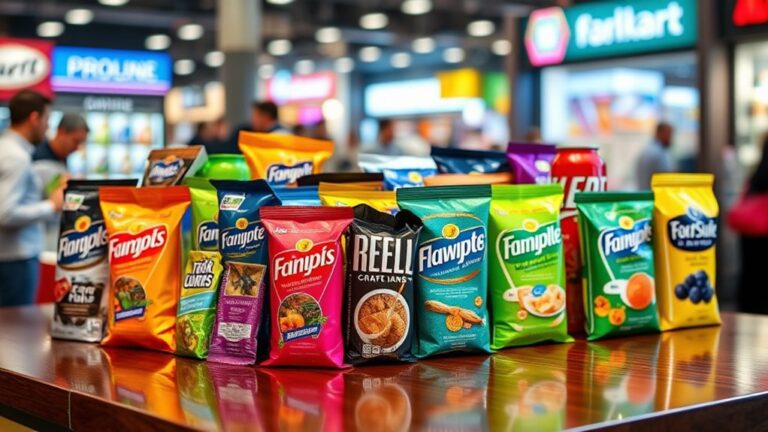
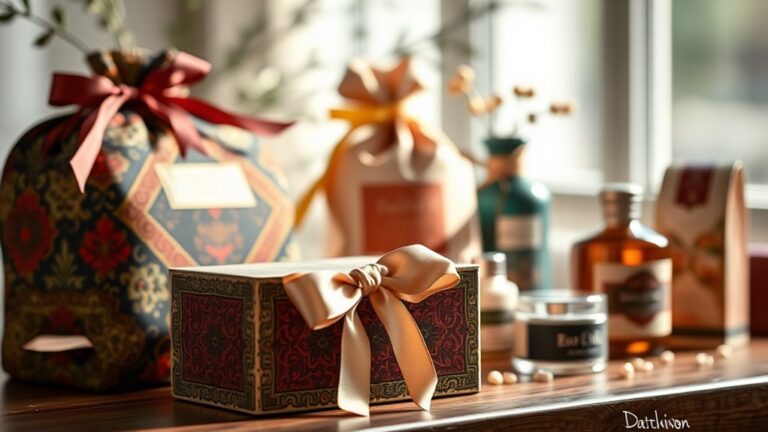
You're designing packaging that needs to stand out on shelves, so you're focusing on your target audience's preferences and values. You're considering eco-friendly materials, bold typography, and lively colors to create an emotional connection. You're additionally looking at packaging design trends, like minimalist and interactive elements. By comprehending what grabs attention, you're creating a strategic advantage. Now, you're ready to explore the specifics of color palette selection, product feature showcases, and shelf appeal strategies that'll make your product pop – and that's where the real secrets to success start to emerge.
Understanding Target Audience
When designing packaging that stands out, you're looking at it from the customer's point of view, figuring out what grabs their attention and draws them in. You're considering what makes them tick, what they're interested in, and what they're looking for in a product. To do this, you need to comprehend your customer demographics, including their age, location, and lifestyle. This information will help you create packaging that resonates with them and meets their needs.
You're additionally thinking about consumer preferences, such as their values, attitudes, and behaviors. What kind of packaging do they find appealing? What features do they look for? By grasping these preferences, you can design packaging that stands out on shelves and grabs their attention. For instance, if your target audience is eco-conscious, you might consider using sustainable materials or highlight the environmental benefits of your product.
Brand Identity Matters
Your brand's identity is the cornerstone of its packaging, and it's what sets you apart from competitors on store shelves. You must define your brand values and guarantee they're reflected in your packaging design. This includes your mission, vision, and unique selling proposition. By doing so, you create a consistent visual language that resonates with your target audience. Your packaging should communicate your brand's personality, tone, and message, making it instantly recognizable.
You're not just designing a package, you're crafting a story that connects with your customers on an emotional level. Visual storytelling is key to making your packaging stand out. You can achieve this by using bold typography, lively colors, and compelling imagery that showcases your product's benefits and features. Your packaging should be a reflection of your brand's values and personality, making it relatable and memorable.
As you design your packaging, you're building a relationship with your customers. You're creating a sense of trust, loyalty, and belonging. By incorporating your brand values into your packaging design, you're differentiating yourself from competitors and establishing a strong brand identity. You're additionally setting the stage for a consistent brand experience that extends beyond the packaging itself. By getting your packaging right, you're laying the foundation for a loyal customer base and a successful brand.
Packaging Design Trends
You're looking to create packaging that grabs attention, and it is vital to take into account current design trends, which often feature bold color schemes and innovative material choices. As you explore packaging design trends, you'll notice that they can make or break your product's appeal, so it's important to stay up-to-date on what's working. You'll want to reflect on how design trends, color schemes, and material choices can be combined to create a unique and eye-catching package that sets your product apart.
Design Trends
Packaging design trends are evolving swiftly, driven by advances in technology and shifting consumer preferences. You're looking to create packaging that grabs attention, and you're considering various design trends. Minimalist packaging, eco-friendly designs, and interactive elements are gaining popularity. You're additionally exploring typography trends, vintage aesthetics, and bold graphics to make your packaging stand out.
| Design Trend | Description | Example |
|---|---|---|
| Minimalist | Simple, clean design | Luxury food brands |
| Eco-Friendly | Sustainable materials, biodegradable | Organic product packaging |
| Interactive | Engaging, immersive experience | QR codes, augmented reality |
| Vintage | Retro-inspired, classic look | Specialty food, craft beverages |
You're weighing the options, considering what will resonate with your target audience. By incorporating these design trends, you can create packaging that's innovative, attention-grabbing, and memorable. You'll differentiate your brand, build customer loyalty, and drive sales.
Color Schemes
As designers create innovative packaging, they're considering color schemes that'll stop consumers in their tracks. You're looking for ways to make your product stand out, and color is a key factor. Color psychology plays a significant role in packaging design, as different colors can evoke emotions and influence purchasing decisions. You'll want to choose a color scheme that aligns with your brand's identity and resonates with your target audience.
When selecting a color scheme, you should likewise consider seasonal palettes to keep your packaging fresh and relevant. By incorporating seasonal colors, you can create a sense of urgency and make your product more appealing to consumers. For example, using brighter colors during summer and warmer tones during winter can help your product stand out on shelves. By applying color psychology and seasonal palettes, you can create packaging that captures attention and drives sales. You'll be able to differentiate your product and establish a strong brand identity.
Material Choices
By considering the environmental impact and functionality of your product, it's time to think about the materials that'll bring your packaging design to life. You're looking for materials that are not just visually appealing but also sustainable. Sustainable materials are a great way to reduce your product's carbon footprint and appeal to eco-conscious consumers.
You can choose from various texture options to add depth and uniqueness to your packaging. Some key considerations include:
- Biodegradable materials for minimal environmental impact
- Recyclable materials to reduce waste
- Reusable materials for repeated use
- Compostable materials for easy disposal
When selecting materials, consider how they'll interact with your product and the consumer. By choosing the right materials, you can create packaging that's both functional and visually stunning, setting your product apart from the competition. This innovative approach will help you stand out on shelves and build a strong brand identity.
Product Features Showcase
Highlighting your product's key features is vital when designing packaging that grabs attention. You're creating a visual representation of what sets your product apart, and it's imperative to get it right. By showcasing feature highlights, you're giving potential customers a clear perception of what they can expect from your product. This is where you communicate the product benefits that will resonate with your target audience.
As you design your packaging, consider how you can effectively communicate your product's unique selling points. You'll want to use clear, concise language and eye-catching visuals to draw attention to the features that matter most. This might include highlighting any innovative materials, advanced technologies, or unique design elements that set your product apart. By emphasizing these feature highlights, you're creating a compelling narrative that will resonate with customers and drive sales.
You're not just designing packaging – you're crafting an experience that will leave a lasting impression on your customers. By prioritizing feature highlights and product benefits, you're creating a significant visual language that will cut through the noise and get your product noticed. Remember, your packaging is often the first point of contact between your brand and potential customers, so make it count. Use this opportunity to tell a story that showcases your product's value and leaves a lasting impression.
Color Palette Selection
You've effectively communicated your product's unique selling points, now it's time to think about the visual elements that'll make your packaging pop. Color palette selection is vital in this process, as it can greatly impact how your product is perceived by potential customers. You'll want to choose colors that not only reflect your brand's personality but likewise evoke the right emotions in your target audience. This is where color psychology comes into play, as different colors can influence consumer behavior and decision-making.
When selecting a color palette, you should consider the following:
- Brand recognition: Choose colors that align with your brand's identity
- Target audience: Select colors that appeal to your target demographic
- Contrasting colors: Use contrasting colors to create visual interest and make your packaging stand out
- Emotional connection: Pick colors that evoke the desired emotional response from your audience
Shelf Appeal Strategies
Your product’s packaging will sit alongside countless others on store shelves, so it’s crucial that it grabs attention and stands out from the competition. You’ll want to take into account the shelf placement of your product, as it can greatly impact its visibility. Placing your product at eye level or near the checkout counter can increase its chances of being noticed. Furthermore, you should reflect on the surrounding products and how your packaging can differentiate itself from them. Consider using bold colors, unique shapes, or eye-catching fonts to create a memorable design that draws customers in. Additionally, incorporating clear branding and compelling messaging can help communicate your product’s value at a glance. When thinking about how to make packaging stand out, focus on elements that evoke emotion or curiosity, encouraging potential buyers to pick up and explore your product.
To create a lasting impression, you'll need to incorporate eye-catching graphics that capture the attention of potential customers. This can include bold colors, unique shapes, and compelling imagery. You should likewise confirm that your packaging is consistent with your brand's overall aesthetic, as this can help build recognition and loyalty. By combining effective shelf placement with eye-catching graphics, you can increase the chances of your product standing out on store shelves.
When designing your packaging, you should take into account the entire shopping experience. You'll want to create a visually appealing package that communicates the value and benefits of your product. By doing so, you can entice customers to pick up your product and learn more about it. Effective shelf appeal strategies can make all the difference in getting your product noticed and driving sales. You'll need to stay innovative and adaptive to changing consumer preferences to stay ahead of the competition.
Frequently Asked Questions
What Is Packaging Design Cost?
You're likely wondering what packaging design costs, but isn't it ironic that you're thinking about costs when you should be thinking about standing out? You're allocating a packaging budget, considering design elements that drive innovation, and that's where you'll find the real value, won't you?
How Long Does Design Take?
You're wondering how long design takes. Typically, you'll navigate a design timeline with multiple project phases. You'll move through research, concepting, and refinement, which can take several weeks to months, depending on the complexity. You're in control, and your input will drive the process, ensuring innovative results that meet your needs.
Can I Use Custom Shapes?
You're wondering if you can use custom shapes. Yes, you can, and it's a great way to create unique designs. You're taking a bold step by considering custom shapes, which can help your product stand out. By using custom shapes, you're opening doors to innovative packaging solutions that showcase your brand's personality.
What Materials Are Eco-Friendly?
You're looking for eco-friendly materials. You're considering biodegradable materials that reduce waste. By adopting sustainable practices, you're innovating packaging. You're choosing materials that are recyclable, reusable, or compostable, it's a great start. You're making a positive impact on the environment, and that's a key differentiator for your brand.
Is Packaging Design Patented?
You're creating a million designs, but is packaging design patented? You're seeking patent protection to safeguard your design uniqueness. By doing so, you're ensuring your innovative packaging stands out, giving you a competitive edge in the market, and you're securing your creative work with unparalleled design uniqueness.