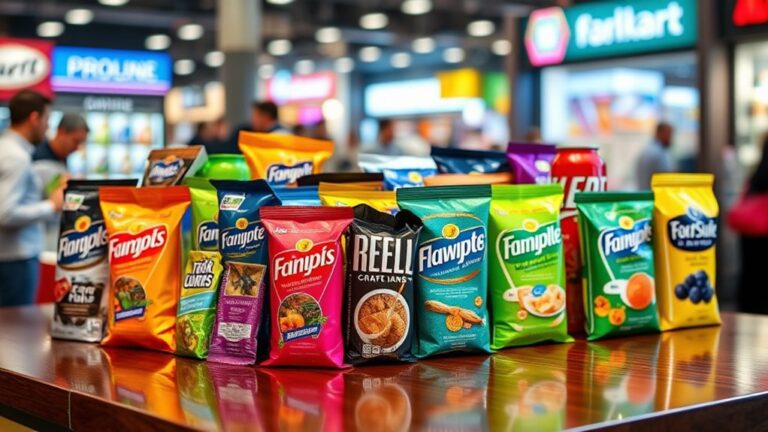
To design packaging that reflects a brand's identity, they define their personality by pinpointing human-like traits that resonate with their target audience. They identify their audience's needs, values, and interests to create a strong connection. By selecting colors, typography, materials, and finishes that align with their brand's aesthetic and values, they craft a unique visual language. Balancing functionality and aesthetics, they create packaging that's both practical and visually appealing. By refining their design through feedback and prototyping, they make certain their packaging accurately reflects their brand's identity. As they continue to explore these elements, a cohesive brand image starts to take shape.
Define Your Brand's Personality
When crafting a brand identity, designers must first pinpoint the human-like traits that will resonate with their target audience, effectively defining the brand's personality. This is where the concept of a Brand Archetype comes in – a symbolic representation of a brand's values, motivations, and personality. By identifying their brand's archetype, designers can create a consistent tone and voice that echoes across all marketing materials, including packaging.
To further solidify the brand's personality, Tone Guidelines are essential. These guidelines outline the language, tone, and attitude that should be conveyed through all brand communications. By establishing clear tone guidelines, designers can make sure that their packaging design accurately reflects the brand's personality, resonating with the target audience on a deeper level.
A well-defined brand personality is essential in building a strong connection with customers. It enables brands to stand out in a crowded market, build trust, and establish loyalty. By taking the time to craft a unique and authentic brand personality, designers can create packaging that truly reflects the brand's identity, setting them apart from competitors and driving business success. By doing so, designers can confidently assert their brand's presence, making a lasting impression on their target audience.
Identify Target Audience Needs
By understanding the needs, desires, and pain points of their target audience, designers can craft packaging that resonates with them on a deeper level, ultimately driving brand loyalty and advocacy. This pivotal step involves delving into consumer insights and demographic analysis to uncover the intricacies of the target audience.
Designers should ask themselves: What are the values, interests, and lifestyles of my target audience? What are their pain points, and how can my packaging solve their problems? By answering these questions, designers can create packaging that speaks directly to their audience, fostering a sense of connection and loyalty.
Here are four key areas to focus on when identifying target audience needs:
- Practicality: How will the packaging be used, stored, and consumed?
- Emotional Connection: What emotions do you want to evoke with your packaging, and how can you create an emotional bond with your audience?
- Convenience: How can your packaging make the consumer's life easier, more efficient, or more enjoyable?
- Sustainability: What are the environmental concerns and values of your target audience, and how can your packaging align with these values?
Choose Colors and Typography
When choosing colors and typography for packaging, designers must consider the brand's overall aesthetic and how it will resonate with their target audience. They select a color palette that reflects the brand's personality and values, as well as typography that effectively communicates the brand's message. By doing so, they create a visual identity that instantly recognizes the brand and sets it apart from competitors.
Color Palette Options
Three essential components of a brand's visual identity – color, typography, and imagery – come together to create a cohesive brand image, and selecting the right color palette is an important step in this process. A well-chosen color palette can evoke emotions, convey values, and differentiate a brand from its competitors. When contemplating a color palette, brands have various options to explore.
- Monochromatic Schemes: Using different shades of a single color to create a cohesive look.
- Analogous Hues: Selecting colors that are next to each other on the color wheel to create a harmonious palette.
- Complementary Colors: Pairing colors that are opposite each other on the color wheel to create contrast and visual interest.
- Neutral Backgrounds: Using neutral colors like white, black, or gray as a background to let other design elements take center stage.
Brand Font Styles
A brand's font style is an essential aspect of its visual identity, as it can convey the brand's personality, tone, and values through the careful selection of typography that resonates with its target audience. Choosing the right font style can make or break the brand's message, so it's vital to get it right.
Font legibility is pivotal, as it directly affects how easily customers can read and understand the packaging information. A font that's easy to read can improve the customer experience, while a font that's difficult to decipher can lead to frustration and a negative brand impression.
Font psychology also plays a significant role in packaging design. Different fonts evoke different emotions and can influence how customers perceive the brand. For instance, serif fonts are often associated with tradition and sophistication, while sans-serif fonts are seen as modern and approachable. By selecting a font that aligns with the brand's values and personality, businesses can create a cohesive visual identity that resonates with their target audience.
Select Materials and Finishes
When selecting materials and finishes for packaging, designers consider the brand's values and target audience. They explore eco-friendly material options that not only reduce environmental impact but also appeal to customers' growing concerns about sustainability. By choosing the right texture and finish, designers can create a tactile experience that reinforces the brand's identity and messaging.
Eco-Friendly Material Options
Companies are increasingly opting for eco-friendly material options that not only reduce their carbon footprint but also resonate with the growing demographic of environmentally conscious consumers. This shift is driven by the need to appeal to customers who prioritize sustainability and are willing to pay a premium for eco-friendly products. By choosing sustainable materials, brands can differentiate themselves, build brand loyalty, and contribute to a greener future.
When it comes to eco-friendly material options, there are several alternatives to traditional packaging materials. Some of the most promising options include:
- Biodegradable alternatives: Made from renewable resources such as cornstarch, sugarcane, or potato starch, these materials can replace traditional plastics.
- Recycled paper: Using post-consumer waste, recycled paper reduces deforestation and minimizes waste.
- Bamboo packaging: Bamboo is a highly renewable resource that requires minimal water and pesticides.
- Molded pulp packaging: Made from recycled paper, molded pulp packaging is biodegradable and compostable.
Texture and Finish Choices
Brands can further enhance their packaging design by selecting materials and finishes that not only reflect their brand identity but also engage customers on a tactile level. By doing so, they can create a multisensory experience that leaves a lasting impression. The right texture and finish can evoke emotions, convey luxury or sustainability, and even influence purchasing decisions. For instance, a premium product might benefit from a soft-touch finish or an embossed pattern that exudes sophistication. On the other hand, an eco-friendly brand might opt for a recycled paper with a natural, earthy texture. The tactile experience of packaging can be a powerful differentiator in a crowded market. By carefully considering the interplay between texture, finish, and brand identity, businesses can create packaging that resonates with their target audience and sets them apart from the competition. By making deliberate texture and finish choices, brands can craft a cohesive visual language that speaks to their values and mission. Furthermore, it’s essential for brands to ensure that their packaging not only captivates the senses but also aligns with their overall messaging and values. When consumers encounter packaging that represents your brand, it reinforces their connection to the product and fosters loyalty. By harmonizing design elements with core brand principles, companies can create enduring relationships with customers who appreciate not just the product inside, but the thoughtfulness behind the packaging itself.
Balance Function and Aesthetics
By reconciling the often-competing demands of functionality and visual appeal, designers can create packaging that not only protects and showcases the product but also effectively communicates the brand’s personality and values. This balance is vital, as packaging that prioritizes one aspect over the other can result in a disconnect between the brand’s identity and its physical representation. Aesthetic harmony is key, and designers should aim to create a visual language that resonates with the brand’s message. Furthermore, leveraging humancentered design in industry ensures that the packaging resonates with the target audience, making it both functional and emotionally engaging. By understanding consumer behavior and preferences, designers can craft solutions that not only meet practical needs but also evoke a sense of connection to the brand. Ultimately, this thoughtful approach fosters brand loyalty and enhances the overall consumer experience, solidifying the product’s place in a competitive market.
To achieve this balance, designers should consider the following key elements:
- Form Follows Function: Make sure that the packaging's shape and structure serve a purpose, whether it's protecting the product or facilitating use.
- Visual Hierarchy: Organize visual elements to guide the consumer's attention and create a clear narrative.
- Material Selection: Choose materials that not only protect the product but also evoke the desired emotional response from the consumer.
- Negative Space: Balance text and imagery with empty space to create a clean, sophisticated design that communicates the brand's values.
Test and Refine Your Design
With a balanced design in hand, designers should now put their packaging concept to the test, gathering feedback from various stakeholders to refine their design and guarantee it resonates with the target audience. This critical phase involves iterative design refinements, where designers must be open to constructive criticism and willing to make adjustments to perfect their design.
Designers should adopt prototyping strategies that facilitate efficient and cost-effective testing. This may involve creating digital prototypes, 3D printed samples, or even handmade mockups. By testing their design through multiple iterations, designers can identify areas for improvement, validate assumptions, and refine their design to meet the target audience's needs.
Throughout the testing phase, designers should engage with stakeholders, including marketing teams, product developers, and potential customers. This diverse feedback loop ensures that the packaging design aligns with the brand's overall strategy and resonates with its intended audience. By incorporating feedback and iterating on their design, designers can create packaging that not only stands out on store shelves but also effectively communicates the brand's identity and value proposition. By embracing a culture of continuous refinement, designers can create packaging that truly reflects their brand's essence and drives business results.
Frequently Asked Questions
What if My Brand's Identity Is Still Evolving During the Design Process?
When a brand's identity is still evolving, it's not uncommon to experience an identity crisis. This lack of brand clarity can make it challenging to create cohesive packaging. She shouldn't worry, though – it's a normal part of the growth process. By taking the time to solidify her brand's vision and values, she'll be able to create packaging that accurately reflects her brand's true essence, resulting in a more powerful and recognizable brand.
Can I Use Packaging Design to Rebrand or Reposition My Product?
Can a brand's packaging design be a catalyst for change? The answer is yes. She can use packaging design to spearhead a brand revamp, repositioning her product in the market. A strategic product refresh can revitalize sales and reinvigorate customer interest. By leveraging packaging design, she can break free from outdated perceptions and forge a new path forward. It's a bold move, but one that can pay off in a big way.
How Do I Ensure Packaging Design Consistency Across Different Products?
She maintains design consistency across products by establishing a unified visual language. This involves defining core design elements, such as typography, color palette, and imagery, to create a cohesive look. A clear visual hierarchy helps to prioritize information and create a consistent flow. By applying these elements consistently, she upholds a strong brand image that resonates with customers, regardless of the product.
Are There Any Eco-Friendly Packaging Options That Won't Break the Bank?
As the eco-friendly drumbeat grows louder, businesses are scrambling to jump on the bandwagon without breaking the bank. The sweet spot lies in biodegradable materials and sustainable inks, which not only reduce environmental guilt but also appeal to the conscious consumer. Think mushroom-based packaging or recycled paper, paired with soy-based inks that scream "green". It's a symphony of sustainability that won't drain the coffers, and consumers will be singing along.
What Role Does Packaging Play in Influencing Consumer Purchasing Decisions?
Packaging plays an important role in swaying consumers' purchasing decisions. It can create brand loyalty by conveying a brand's values and personality. In fact, studies show that 64% of consumers are more likely to return to a brand that shares their values. Additionally, attention-grabbing packaging can trigger impulse buying, with 62% of consumers admitting to making unplanned purchases based on packaging alone.